

Is your cat acting restless or making unusual noises? You might be wondering, “How do you know if your cat is in heat?”
Understanding these signs is important for every cat owner. When your cat is in heat, her behavior changes, and knowing what to look for can help you care for her better. You’ll discover the clear signs that show your cat is in heat and what you can do to keep her comfortable.
Keep reading to learn how to recognize these behaviors and take the right steps for your furry friend.
Signs Of Increased Affection
When a cat is in heat, her behavior often changes noticeably. One clear sign is increased affection. She seeks more attention and shows unusual closeness. Understanding these signs helps you know when she is in heat.
More Frequent Cuddling And Purring
Your cat may want to sit on your lap more often. She might purr loudly and rub her head against you. This is her way of showing she feels needy and wants comfort.
Rubbing Against Objects And People
She may rub her body on furniture, walls, or your legs. This action spreads her scent, signaling she is ready to mate. It is a natural behavior during heat.
Restlessness And Following You Around
Your cat might become restless and move from room to room. She may follow you closely, wanting constant company. This behavior shows she is seeking attention and care.
Increased Vocalization When Near You
She might meow or yowl softly when close to you. This vocalization is a call for attention and affection. It differs from her usual quiet sounds.
Vocalization Changes
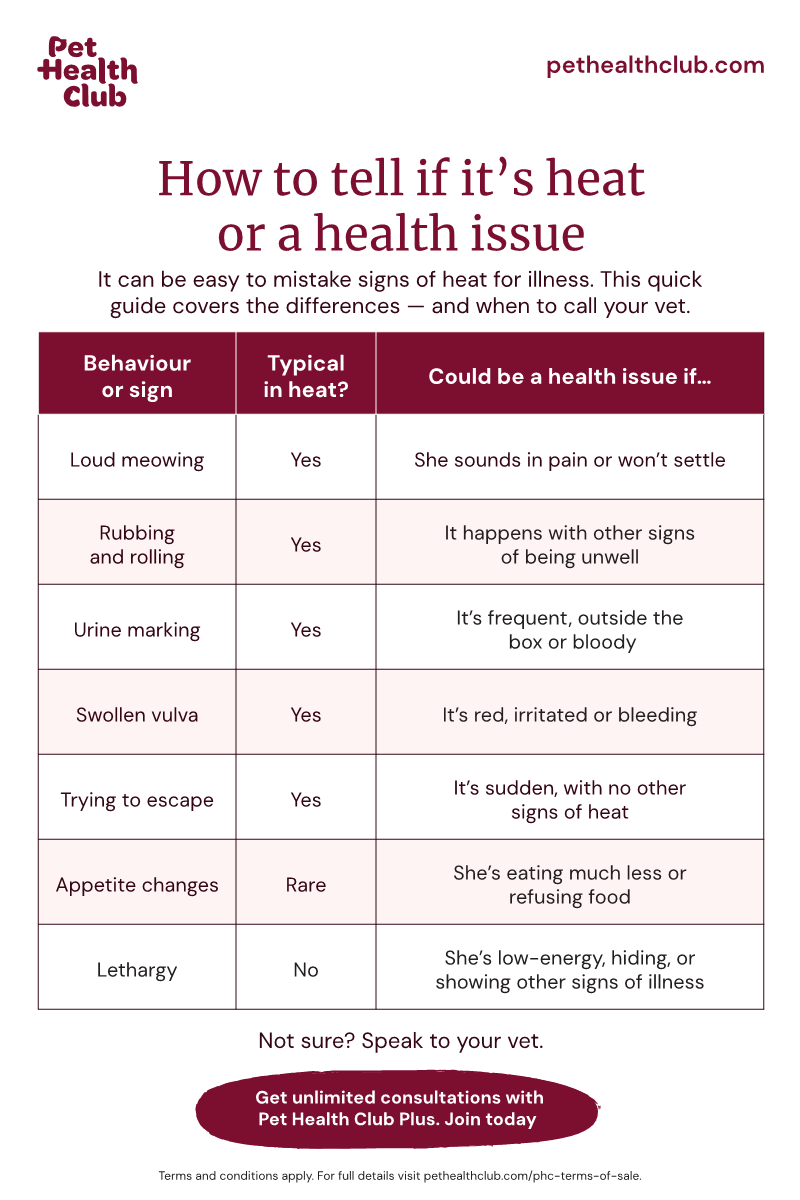
When your cat is in heat, one of the most noticeable signs is a change in her vocalization. These sounds can be loud, persistent, and unlike her usual meows. Paying attention to these vocal changes can help you understand her needs better and respond appropriately.
Types Of Vocalizations To Expect
Your cat may start making long, drawn-out yowls that sound almost like cries. These vocalizations are often repeated frequently and can occur at any time of the day or night. They are designed to attract male cats, signaling her readiness to mate.
How Loud And Frequent Are The Sounds?
The volume and frequency of your cat’s calls usually increase when she’s in heat. You might find yourself startled by sudden loud meows, especially if your cat is normally quiet. This can be stressful, but it’s a clear sign that she’s trying to communicate something urgent.
What Does The Change In Vocalization Mean For You?
Understanding these vocal signs helps you manage your cat’s behavior better. Instead of feeling frustrated, you can offer comfort or consider options like spaying to reduce these episodes. Have you noticed your cat’s meows changing suddenly and wondered why? That might be her way of telling you she needs help.
Behavioral Shifts
Behavioral shifts in cats are often the clearest signs your cat is in heat. These changes affect how your cat acts and interacts with its surroundings. Watch closely for unusual behaviors. They tell a story of your cat’s changing needs and feelings during this period.
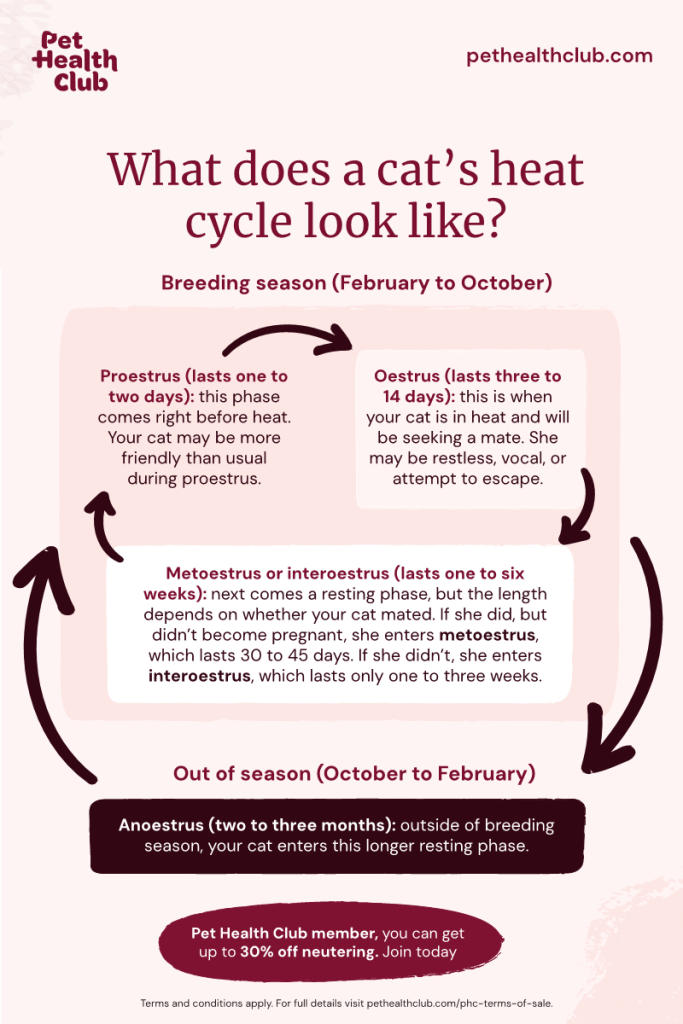
Restlessness And Pacing
Your cat may seem uneasy and unable to settle down. It might walk back and forth or circle a room repeatedly. This restlessness shows her discomfort and eagerness to find a mate. You could notice her meowing more often and louder than usual. These noises express her urgent need to communicate with other cats.
Increased Desire To Roam
A cat in heat often tries to escape the house. She may scratch doors or windows in an attempt to go outside. This roaming instinct is natural as she searches for a partner. Watch for sudden bursts of energy and sudden attempts to dart out the door. Keeping her safe indoors becomes important during this time.
Credit: www.pethealthclub.com
Physical Indicators
Recognizing the physical signs that your cat is in heat can make a big difference in how you care for her during this time. These indicators are often clear and can help you anticipate her needs or take steps to prevent unwanted litters. Paying close attention to changes in her body and behavior will give you the clues you need.
Posture And Body Language
Your cat’s posture changes noticeably when she is in heat. She may frequently raise her hindquarters, often accompanied by a slight side-to-side movement of her tail. This is a natural invitation to male cats and signals her readiness to mate.
She might also rub her face and body against furniture, walls, or even you more than usual. This behavior spreads her scent to mark her territory and attract potential mates. Have you noticed your cat acting clingier or more restless? That’s another sign linked to her heat cycle.
Swelling And Discharge
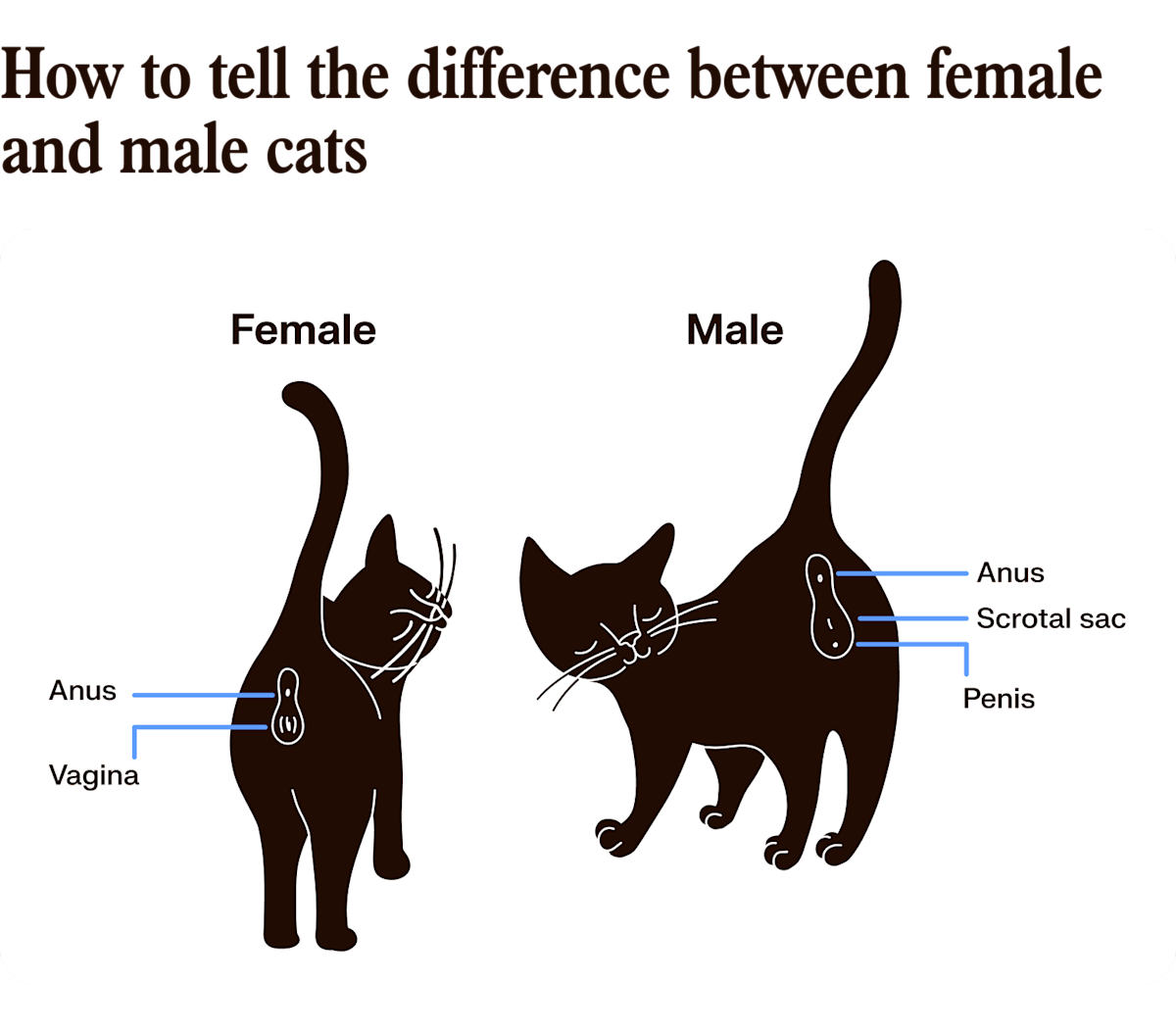
Look closely at your cat’s genital area for physical changes. Swelling is common and can make the area appear redder or more pronounced than usual. This is a direct sign of her reproductive system preparing for mating.
Additionally, you might see a slight, clear or bloody discharge. It’s usually minimal but noticeable if you pay attention. If the discharge seems excessive or has a foul odor, it’s important to consult your vet as it might indicate infection rather than heat.
Altered Eating Habits
Altered eating habits can be one of the less obvious signs that your cat is in heat. You might notice changes in how much or how little your cat is eating during this time. These shifts can give you clues about her emotional and physical state.
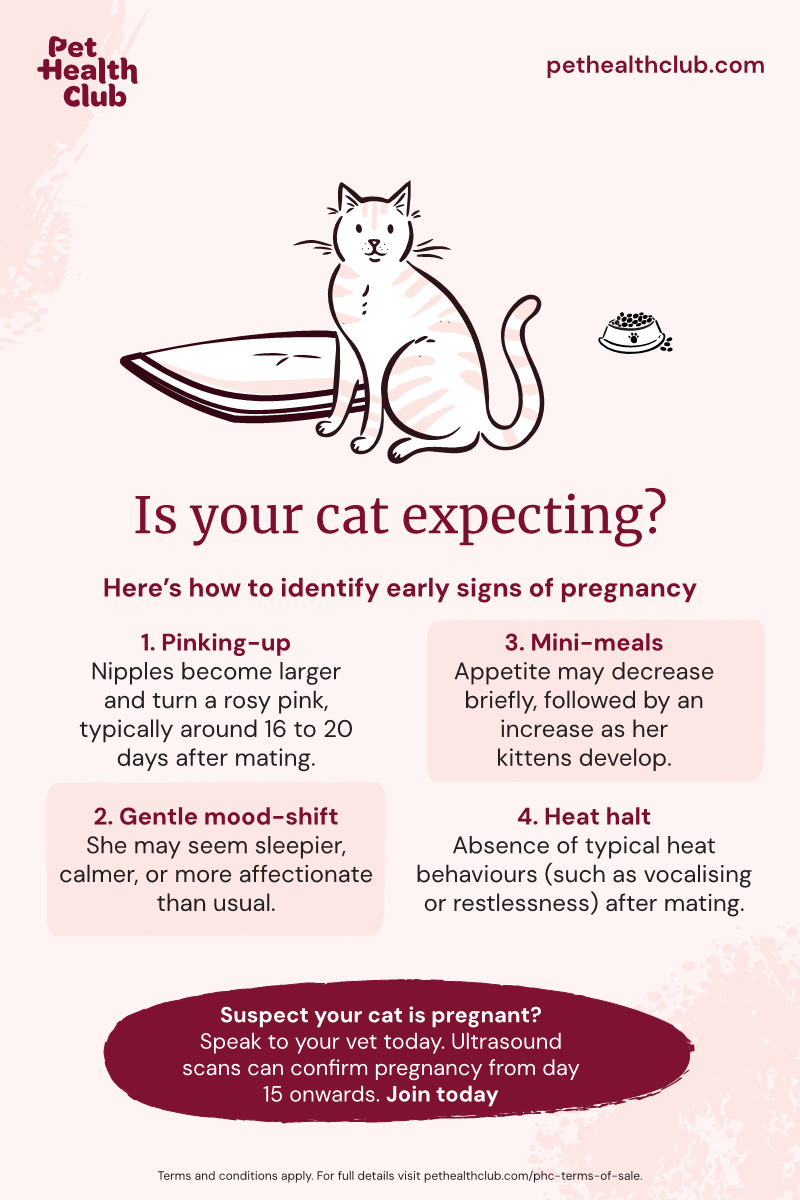
Decreased Appetite During Heat Cycles
Some cats eat less when they are in heat. This can happen because their body is focused on mating behaviors rather than digestion. You might find your cat turning away from her favorite food or eating smaller portions than usual.
If your cat suddenly loses interest in meals, pay attention to other heat-related signs. Is she more vocal or restless? These combined behaviors can help you understand what’s going on.
Increased Hunger And Restlessness
On the other hand, some cats eat more when in heat. The extra energy might be their body’s way of preparing for potential pregnancy. You could notice your cat begging for food more often or sneaking into the kitchen.
It’s important to watch for this increased hunger because it may lead to overeating. Make sure her diet stays balanced and healthy during these periods.
Changes In Food Preferences
Your cat might suddenly prefer different types of food when she’s in heat. She may want wet food instead of dry or seek out more protein-rich options. This change can be subtle but noticeable if you observe her closely.
Have you ever caught your cat refusing her usual meal and demanding something new? That could be her way of telling you she needs a different nutrient balance during heat.
Tips For Managing Eating Habits In Heat
- Offer small, frequent meals to keep her energy stable.
- Provide a variety of food textures to see what she prefers.
- Keep fresh water available at all times to prevent dehydration.
- Monitor her weight to avoid sudden loss or gain.
Remember, every cat is unique. Observing her eating habits closely will help you support her through the heat cycle comfortably.
Credit: www.pethealthclub.com
Changes In Grooming
Changes in grooming habits are one of the subtle signs that your cat might be in heat. You may notice her paying extra attention to certain areas or grooming more frequently. These shifts in behavior can reveal a lot about what your cat is experiencing.
Increased Grooming Of The Genital Area
One of the most noticeable changes is that your cat may lick her genital area more often. This behavior helps soothe the discomfort or irritation caused by hormonal changes during heat. If you catch her spending an unusual amount of time grooming there, it’s a strong clue she’s in heat.
Overall Grooming Habits May Change
Your cat might either groom herself more or less than usual. Some cats become extra meticulous, while others might appear a bit disheveled. This contrast can be surprising, but it’s linked to how each cat handles the stress and excitement of heat differently.
Does Grooming Behavior Affect Your Cat’s Mood?
Have you noticed if your cat’s grooming changes impact her mood or activity level? Excessive grooming can sometimes make her restless or anxious. Watching these grooming patterns alongside her overall behavior can help you understand her needs better during this time.
Increased Marking Behavior
Increased marking behavior is one of the clearest signs that your cat might be in heat. You may notice sudden changes in how your cat interacts with her environment, especially when it comes to marking her territory. This behavior is a natural instinct, but it can be frustrating and puzzling if you’re not expecting it.
What Does Increased Marking Look Like?
When a cat is in heat, she often sprays small amounts of urine on furniture, walls, or corners of rooms. This isn’t the same as normal litter box use—it’s usually a quick spray on vertical surfaces. You might find these spots near doors or windows, where your cat is trying to signal other cats outside.
Why Does Your Cat Mark More When In Heat?
This marking is a way for your cat to communicate her reproductive status to male cats. The scent contains pheromones that attract mates and tell other cats to stay away. It’s a natural behavior driven by hormones, not just a random act of mischief.
How Can You Manage Marking Behavior?
- Clean marked areas thoroughly with enzyme-based cleaners to remove scent traces.
- Keep windows and doors closed to reduce external stimuli that encourage marking.
- Provide extra playtime and attention to distract your cat from this behavior.
- Consider spaying to prevent heat cycles and the associated marking.
Have you noticed your cat suddenly marking places she never did before? Observing this behavior closely can help you understand her needs better and take steps to make both of you more comfortable during her heat cycle.
Interaction With Other Cats
Understanding how your cat interacts with other cats can reveal a lot about whether she is in heat. Changes in behavior around other felines are often clear signals. Paying attention to these interactions helps you recognize her needs and manage her comfort better.
Changes In Social Behavior
Your cat may suddenly become more vocal or restless around other cats. She might seek out their attention more frequently or display unusual friendliness. On the other hand, some cats become more aggressive or territorial during heat, which can surprise you if you’re not expecting it.
Increased Attractiveness To Male Cats
If you notice male cats showing up around your home more often, your female cat might be in heat. Males can detect her scent from far away and often respond by trying to get closer. This increased attention is a natural reaction to her hormonal changes.
Heightened Marking And Territory Behavior
Cats in heat sometimes spray urine to mark their territory and attract mates. This behavior can be more pronounced around other cats. If your cat suddenly marks more, especially near windows or doors, it’s a strong sign she’s in heat.
How To Manage Interactions Safely
Letting your cat interact with others while in heat can lead to stress or unwanted pregnancies. If you have multiple cats, consider separating them during this time. Creating a calm, secure space for your cat reduces tension and helps you control the situation better.
Have you observed any unusual cat interactions at your place lately? Noticing these signs early can save you from many surprises and help you care for your cat more effectively.
Credit: www.kinship.com
Frequently Asked Questions
How Can I Tell If My Cat Is In Heat?
A cat in heat shows behaviors like loud meowing, restlessness, and rubbing against objects. She may also assume mating positions and try to escape outdoors. These signs indicate she is ready to mate and is in her estrus cycle.
What Are Common Behaviors Of Cats In Heat?
Cats in heat often vocalize loudly, become more affectionate, and show increased restlessness. They may spray urine to mark territory and frequently lick their genital area. These behaviors help attract male cats during their fertile period.
How Long Does A Cat Stay In Heat?
A cat’s heat cycle usually lasts about 7 to 10 days. If she does not mate, the cycle may repeat every two to three weeks during breeding season. Monitoring these cycles helps understand her reproductive health.
Can Indoor Cats Go Into Heat?
Yes, indoor cats experience heat cycles just like outdoor cats. Artificial lighting and absence of mating can cause frequent heat cycles. Keeping a cat indoors does not prevent her from going into heat.
Conclusion
Recognizing signs of a cat in heat helps you care for her better. Cats often act louder, seek attention, and show restlessness. These behaviors tell you she is ready to mate. Knowing this helps prevent unwanted litters and keeps your cat safe.
Pay attention to her changes and respond with kindness. Understanding her needs makes life easier for both of you. Stay patient and gentle during this time. Your cat will feel more comfortable with your care.
