


Have you noticed your cat struggling in the litter box or avoiding it altogether? It might be more than just a picky habit—your furry friend could be constipated.
Knowing the signs early can save your cat from discomfort and serious health issues. You’ll learn exactly how to spot constipation in your cat and what steps you can take to help them feel better fast. Keep reading to make sure your cat stays happy and healthy!
Symptoms Of Cat Constipation
Recognizing the symptoms of cat constipation can help ensure your pet’s health. Cats often hide their discomfort, making it crucial to notice subtle changes in their behavior or habits. Here are some common symptoms that may indicate constipation in cats.
Changes In Litter Box Habits
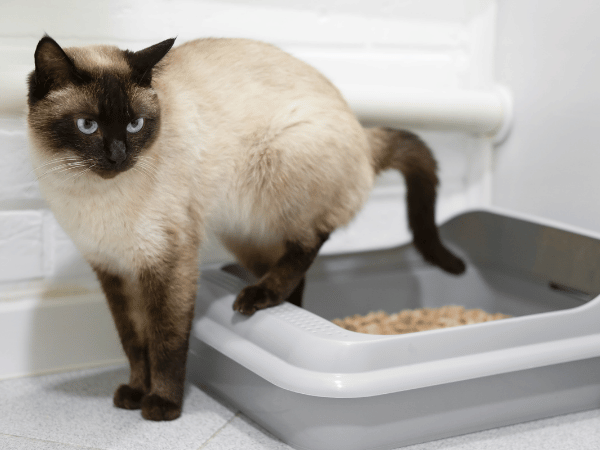
Frequent visits to the litter box without results can signal a problem. Your cat might also avoid the litter box altogether, associating it with discomfort. Keep an eye on any sudden changes in their litter box behavior.
Straining During Bowel Movements
Straining is a clear sign of constipation. Your cat may seem to struggle or spend a long time trying to defecate. This behavior often indicates difficulty passing stools.
Hard Or Dry Stools
Check the litter box for hard, dry stools. They resemble small, hard pebbles and suggest constipation. Such stools can cause discomfort and are a key symptom to watch.
Reduced Appetite And Lethargy
A constipated cat may eat less or show less interest in food. This reduced appetite often accompanies lethargy or a lack of energy. If your cat seems unusually tired, it could be related to constipation.
Signs Of Discomfort Or Pain
Your cat might exhibit signs of pain, such as meowing or hissing. They might also lick their abdomen excessively. These behaviors often indicate discomfort due to constipation.
Credit: www.splootvets.com
Causes Of Constipation In Cats
Constipation in cats happens for many reasons. Understanding these causes helps you spot problems early. Cats may suffer from constipation due to lifestyle, diet, or health issues. Knowing common triggers lets you take quick action to help your feline friend.
Dehydration And Diet
Water is key for smooth digestion. Cats that drink little water may become constipated. Dry cat food alone may not provide enough moisture. A diet low in fiber also slows bowel movements. Feeding wet food or adding water can prevent constipation. Proper hydration keeps the digestive system working well.
Lack Of Exercise
Active cats have better digestion and bowel health. When cats sit or sleep too much, their intestines move slowly. Lack of movement weakens muscles that push waste out. Encouraging play and exercise helps maintain regular bowel habits. Even indoor cats need daily activity to stay healthy.
Medical Conditions
Some illnesses cause constipation in cats. Kidney disease, diabetes, and arthritis can affect bowel function. Pain or discomfort may stop cats from using the litter box. Blockages or nerve damage may also cause issues. A vet checkup is important if constipation lasts more than two days.
Hairballs And Foreign Objects
Cats groom themselves a lot and swallow hair. Hairballs can build up and block the intestines. Sometimes cats eat things they shouldn’t like string or small toys. These objects can cause constipation or serious blockages. Regular grooming and monitoring can reduce hairball problems.
Risks Of Untreated Constipation
Untreated constipation in cats can lead to serious health problems. Ignoring this condition puts your pet at risk of painful complications. Early care helps avoid these dangers and keeps your cat comfortable and healthy.
Potential Complications
- Fecal impaction causing severe blockage
- Damage to the colon or rectum from straining
- Development of megacolon, a permanent colon enlargement
- Infections due to bacteria buildup in the intestines
- Loss of appetite and weight due to discomfort
Impact On Cat’s Health
Constipation disrupts normal digestion and waste removal. It causes pain and distress, affecting your cat’s mood and behavior.
Ongoing constipation can weaken the immune system. This makes your cat vulnerable to other illnesses. It may lead to dehydration and electrolyte imbalance.
Severe cases might require surgery or long-term medication. Early treatment prevents these risks and promotes faster recovery.
Credit: www.allivet.com
When To See A Veterinarian
Knowing when to take your cat to a veterinarian can make all the difference in managing constipation effectively. Sometimes, the signs are subtle, but other times they signal a serious problem that needs immediate attention. Understanding these moments helps you protect your cat’s health before complications arise.
Emergency Signs
Watch closely for sudden changes in your cat’s behavior. If your cat strains repeatedly without producing stool, or shows signs of distress like vomiting, lethargy, or a swollen abdomen, seek veterinary care immediately.
These symptoms could mean a blockage or severe constipation, which can be life-threatening if untreated. Don’t wait to see if it gets better on its own—quick action can save your cat’s life.
Regular Check-ups
Even if your cat seems fine, regular vet visits can catch early signs of constipation or underlying issues. Discuss your cat’s bathroom habits during these appointments to give your vet a full picture of their health.
Have you noticed your cat’s litter box habits changing? Sharing these details can help your vet recommend diet changes or treatments before constipation becomes a problem. Regular monitoring is the key to keeping your cat comfortable and healthy.
Home Care Tips For Constipated Cats
Taking care of a constipated cat at home can make a big difference in your furry friend’s comfort and health. You don’t always need a vet visit right away, but you do need to act thoughtfully. Small changes in diet, hydration, and activity can help ease your cat’s discomfort and promote regular bowel movements.
Dietary Adjustments
Adding fiber to your cat’s diet often helps with constipation. You can try mixing a small amount of canned pumpkin or a fiber-rich cat food into their meals. Avoid sudden changes in their diet; introduce new foods gradually to prevent stomach upset.
Have you noticed if your cat prefers wet or dry food? Wet food naturally contains more moisture, which can aid digestion. Switching to or adding wet food might be a simple, effective step.
Increasing Hydration
Hydration is crucial for preventing and relieving constipation. Make sure your cat always has access to fresh water, and consider placing multiple water bowls around your home. Some cats prefer running water, so a cat water fountain might encourage them to drink more.
You can also add water or low-sodium broth to your cat’s food to boost fluid intake. Have you tried different types of water bowls? Sometimes, the material or shape of the bowl affects how much your cat drinks.
Encouraging Exercise
Physical activity stimulates your cat’s digestive system. Play with your cat using toys like feather wands or laser pointers to get them moving. Even short bursts of exercise can improve their bowel movements.
Think about your cat’s daily routine. Are they getting enough playtime? Increasing activity not only helps with constipation but also improves their overall well-being.
Safe Use Of Laxatives
Over-the-counter laxatives are not always safe for cats and should be used cautiously. Never give human laxatives without veterinary advice. Some cat-specific products are available, but always check with your vet before use.
If your cat’s constipation persists, or if you see blood in their stool, contact your vet promptly. Self-medicating can sometimes do more harm than good, so professional guidance is essential.

Credit: www.reddit.com
Frequently Asked Questions
What Are Common Signs Of Cat Constipation?
Constipated cats often strain during bowel movements and produce small, hard stools. They may also show discomfort or lethargy and have a decreased appetite.
How Long Can A Cat Be Constipated?
A cat may be constipated for a few days, but if it lasts more than 48-72 hours, veterinary care is needed to prevent complications.
Can Diet Affect My Cat’s Constipation?
Yes, a low-fiber diet or dehydration can cause constipation. Increasing water intake and feeding fiber-rich food helps regulate bowel movements.
When Should I Take My Cat To The Vet For Constipation?
If your cat hasn’t pooped for over two days or shows pain, vomiting, or lethargy, consult a vet immediately for proper treatment.
Conclusion
Cats cannot tell us when they feel uncomfortable. Watch their behavior and litter box habits closely. Signs like straining or no poop for days may mean constipation. Acting quickly helps your cat stay healthy and happy. Offer plenty of water and proper food.
Visit the vet if problems continue. Small changes can make a big difference in your cat’s comfort. Stay patient and caring. Your attention keeps your cat safe and well.
