

Have you ever noticed your cat acting a little off or seen something strange in their litter box? These could be signs that your furry friend has worms.
It’s not always easy to spot, but knowing the clues can help you protect your cat’s health. You’ll learn how to recognize if your cat has worms and what steps to take next. Keep reading to make sure your cat stays happy and healthy.
Common Symptoms In Cats
Recognizing common symptoms of worms in your cat is crucial for early treatment. Cats can hide their discomfort well, but certain signs are clear indicators that something isn’t right. Paying attention to these symptoms can help you act quickly and keep your feline friend healthy.
Digestive Issues
One of the first signs of worms in cats is digestive trouble. You might notice your cat vomiting more often or having diarrhea. Sometimes, their stool looks unusual—loose, pale, or with mucus. These changes suggest your cat’s digestive system is struggling, possibly due to worms.
Have you seen your cat suddenly straining or showing discomfort after eating? This can be a sign too. It’s worth checking with your vet if these symptoms persist.
Changes In Appetite
Worm infestations can mess with your cat’s appetite. Some cats lose interest in food and eat less than usual. Others might seem hungrier all the time but still lose weight. This confusing combination happens because worms steal nutrients before your cat can use them.
If your cat’s eating habits change without any clear reason, consider worms as a possible cause. It’s an easy symptom to miss until the problem gets worse.
Visible Worms In Stool
Sometimes, the most obvious sign is right there in your cat’s litter box. Small, white, rice-like segments or even longer worms might appear in their stool. Seeing worms can be alarming, but it gives you a clear signal to visit the vet immediately.
Don’t ignore this sign, even if your cat seems fine otherwise. Worms can multiply quickly and cause serious health issues.

Credit: www.reddit.com
Physical Signs To Notice
Noticing physical signs in your cat can help identify worms. Cats show visible symptoms when infected. Identifying these signs early can ensure prompt treatment. Look for specific changes in your cat’s body.
Weight Loss
Weight loss is a common symptom of worms. Even with a normal appetite, your cat might lose weight. This is because worms consume nutrients meant for your cat. If your cat looks thinner, check for other signs.
Dull Coat And Skin Problems
A healthy cat usually has a shiny coat. A dull coat can indicate worms. Skin problems like itching or redness might also appear. Cats with worms often groom less, leading to unkempt fur. Observe any changes in their grooming habits.
Bloated Abdomen
A bloated abdomen is a noticeable sign of worms. Your cat’s belly might look swollen or round. This is more common in kittens. If your cat’s abdomen seems larger, consider a vet visit. Early detection can prevent further discomfort.
Behavioral Changes
Behavioral changes in your cat can be one of the earliest signs that something is wrong, including the presence of worms. Unlike physical symptoms, these changes might be subtle and easy to miss if you’re not paying close attention. Watching how your cat acts daily can help you catch problems early and get your pet the care it needs.
Lethargy And Weakness
If your cat suddenly seems tired or less playful, it might not just be a lazy day. Worms can drain your cat’s energy by stealing nutrients from their food. You might notice your cat sleeping more than usual or struggling to jump and climb like before.
Have you ever seen your cat pass on their favorite games or naps in strange places? These small signs can point to weakness caused by an internal parasite problem.
Excessive Scratching
Scratching more than usual can be a clear hint that worms are bothering your cat. Some types of worms cause irritation around the anus or skin, making your cat uncomfortable. You might find your cat biting or licking one spot repeatedly.
Does your cat seem restless with their grooming, focusing intensely on one area? This behavior could mean worms are causing itchiness or discomfort that needs veterinary attention.
Restlessness
Your cat might show signs of being unsettled or unable to relax if worms are present. Restlessness can appear as pacing, constant movement, or difficulty settling down. This behavior might come from pain, itching, or general discomfort inside their body.
Think about how your cat usually behaves at night. Are they suddenly active or agitated during times they usually rest? This shift might be your cat’s way of telling you something isn’t right internally.

Credit: www.goodrx.com
Types Of Worms Affecting Cats
Cats can get different types of worms that affect their health. These worms live inside the cat’s body and take nutrients from them. Knowing the type of worm helps in choosing the right treatment. Some worms are more common and cause clear signs, while others might be hidden.
Roundworms
Roundworms are the most common worms in cats. They look like spaghetti and live in the intestines. Cats get roundworms by eating infected rodents or from their mother’s milk. Kittens are often infected early. Signs include a pot-bellied look, vomiting, and diarrhea. Roundworms can also pass to humans, so prompt treatment is important.
Tapeworms
Tapeworms are flat and segmented. They attach to the cat’s intestines and absorb nutrients. Cats usually get tapeworms by swallowing fleas during grooming. You might see small white segments near your cat’s anus or in their stool. These segments look like grains of rice. Tapeworms cause itching and discomfort around the tail.
Hookworms
Hookworms are small but harmful worms. They attach to the intestinal wall and feed on blood. This can cause anemia in cats, especially in kittens. Cats get hookworms by swallowing larvae or through the skin. Symptoms include weakness, pale gums, and bloody diarrhea. Hookworms need quick treatment to prevent serious health problems.
How Cats Get Worms
Cats can get worms through various ways. Understanding how worms spread helps protect your cat’s health. Worms are parasites that live inside the cat’s body and feed off it. These parasites can cause many health problems if not treated early.
From Mother To Kitten
Kittens can get worms from their mother during pregnancy. Worm larvae pass through the mother’s bloodstream to the unborn kittens. After birth, larvae can also transfer through the mother’s milk. This early exposure makes young kittens very vulnerable.
Ingesting Infected Prey
Cats are natural hunters. Eating small animals like mice or birds can infect them. These prey often carry worm larvae or eggs inside their bodies. Once the cat eats the prey, worms enter the cat’s digestive system and grow.
Contact With Contaminated Environment
Worm eggs or larvae live in soil and dirty areas. Cats walking or playing outside can pick up worms this way. They may swallow eggs by licking their paws or fur. Areas with many animals increase the chance of contamination.
When To Visit The Vet
Knowing when to visit the vet is key to keeping your cat healthy. Worm infections can cause serious problems if untreated. Early detection helps protect your cat’s well-being and comfort. Watch for signs that need professional care. Regular vet visits support prevention and quick treatment.
Routine Checkups
Schedule regular vet visits for your cat. Vets check for worms during these exams. They can spot early signs before symptoms show. Routine checkups include stool tests to detect parasites. Preventive care keeps your cat safe and healthy.
Emergency Symptoms
Some signs need urgent vet attention. Look for:
- Severe vomiting or diarrhea
- Rapid weight loss
- Visible worms in stool or fur
- Swollen abdomen or pain
- Weakness or lethargy
- Difficulty breathing or coughing
These symptoms may mean a serious worm infection. Immediate vet care can prevent complications.
Diagnostic Tests
The vet uses tests to confirm worm infections. Common tests include:
- Fecal examination to find worm eggs or larvae
- Blood tests to check for parasites
- X-rays or ultrasound for organ damage
Accurate diagnosis helps the vet choose the best treatment. Always follow vet advice for testing and care.
Preventing Worm Infestations
Preventing worm infestations in cats is essential for their health and happiness. Worms can cause discomfort and serious illness. Taking simple steps helps keep your cat safe and worm-free. Prevention is easier than treatment and keeps your feline friend feeling great.
Regular Deworming
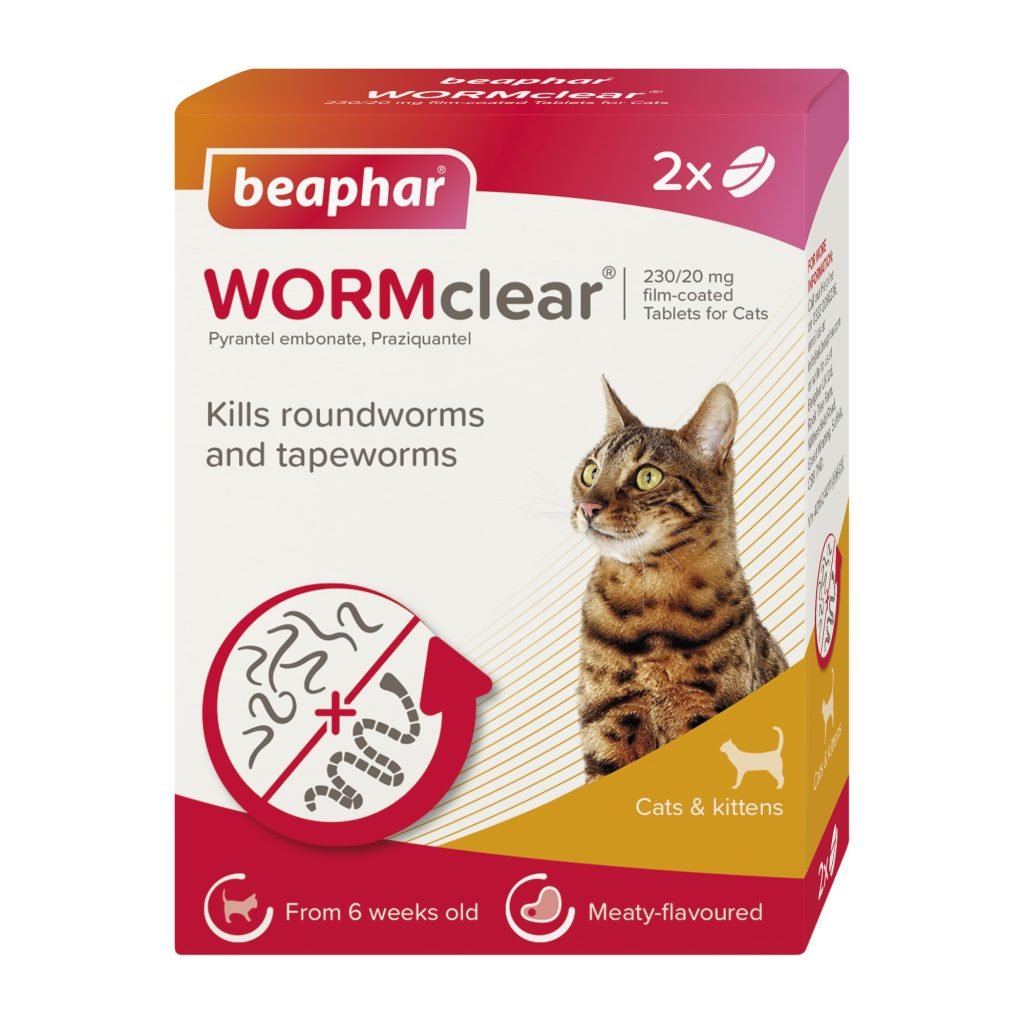
Deworming your cat regularly stops worms from growing inside. Vets recommend a schedule based on your cat’s age and lifestyle. Use safe, vet-approved deworming medicines. Keep a record of each treatment to stay on track. Regular deworming reduces the risk of worm infestations significantly.
Hygiene Practices
Clean your cat’s living area often. Remove litter and wash bedding to prevent worm eggs. Wash your hands after handling your cat or cleaning the litter box. Avoid your cat eating raw or undercooked meat. Good hygiene lowers the chance of worms spreading in your home.
Controlling Fleas And Parasites
Fleas can carry worm larvae that infect cats. Use flea control treatments recommended by your vet. Check your cat regularly for fleas and ticks. Keep your yard clean and free of parasites. Controlling fleas helps stop worm infestations before they start.

Credit: www.outdoorbengal.com
Frequently Asked Questions
What Are Common Symptoms Of Worms In Cats?
Common symptoms include vomiting, diarrhea, weight loss, and a bloated belly. You may also see worms in their stool or around the anus. Cats might scratch their rear excessively or have a dull coat.
How Can I Check If My Cat Has Worms?
Look for visible worms in your cat’s feces or around its anus. Observe symptoms like poor appetite, lethargy, or unusual behavior. A vet can run stool tests to confirm worm infections.
Can Worms In Cats Be Harmful To Humans?
Yes, some cat worms like roundworms can infect humans, especially children. Proper hygiene and regular deworming of cats reduce this risk. Always wash hands after handling cats or their litter.
How Often Should I Deworm My Cat?
Kittens need deworming every two weeks until 12 weeks old. Adult cats should be dewormed every 3 to 6 months. Your vet can recommend the best schedule based on your cat’s lifestyle.
Conclusion
Cats with worms may show signs like weight loss or itchy skin. Watch for changes in appetite and energy levels. Regular vet visits help catch worms early. Treating worms quickly keeps your cat healthy and happy. Clean your cat’s living area often to prevent infections.
Knowing the signs helps you act fast and protect your pet. Keep your cat safe by staying alert to these symptoms. Taking care of your cat means watching closely and acting soon.
