

If you’ve noticed your cat scratching its ears more than usual or shaking its head often, you might be wondering, “Does my cat have ear mites?” These tiny pests can cause a lot of discomfort and lead to serious ear problems if left untreated. But how can you be sure?
Knowing the signs early can save your furry friend from pain and keep their ears healthy. Keep reading to discover the clear symptoms of ear mites and what you should do if your cat is affected.
Recognizing Ear Mites In Cats
Recognizing ear mites in cats can save your furry friend from discomfort and potential infections. These tiny parasites are common, especially in kittens and outdoor cats, but their signs are often subtle at first. By spotting the symptoms early, you can act quickly to provide relief and prevent further complications.
Visible Signs In Your Cat’s Ears
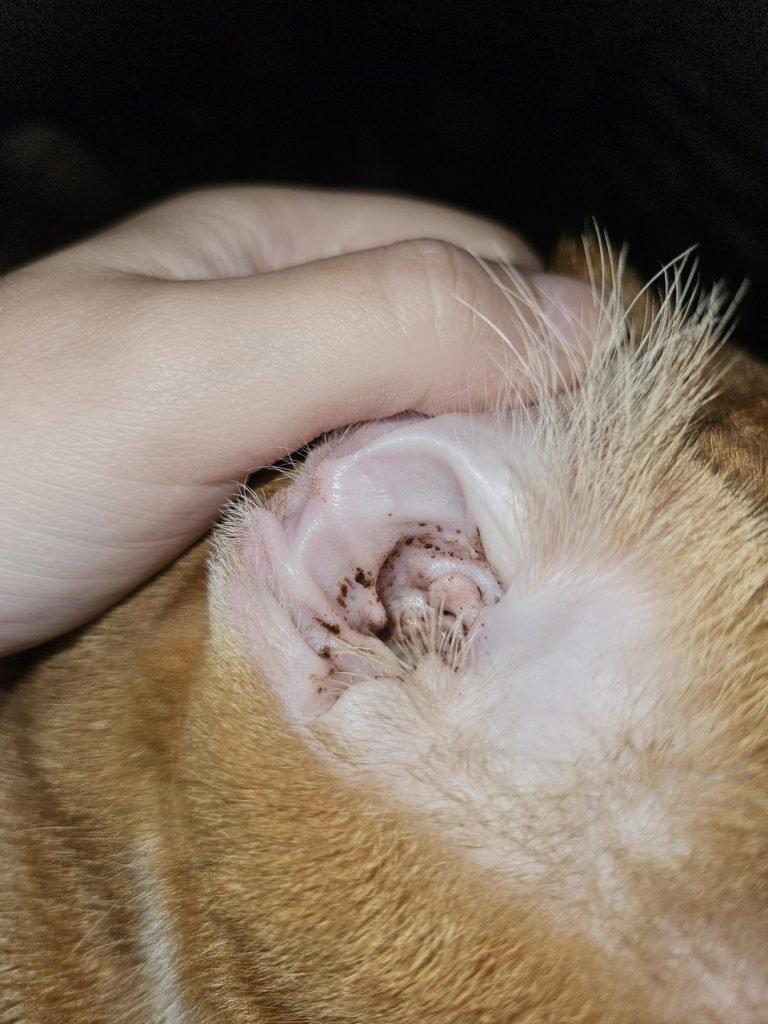
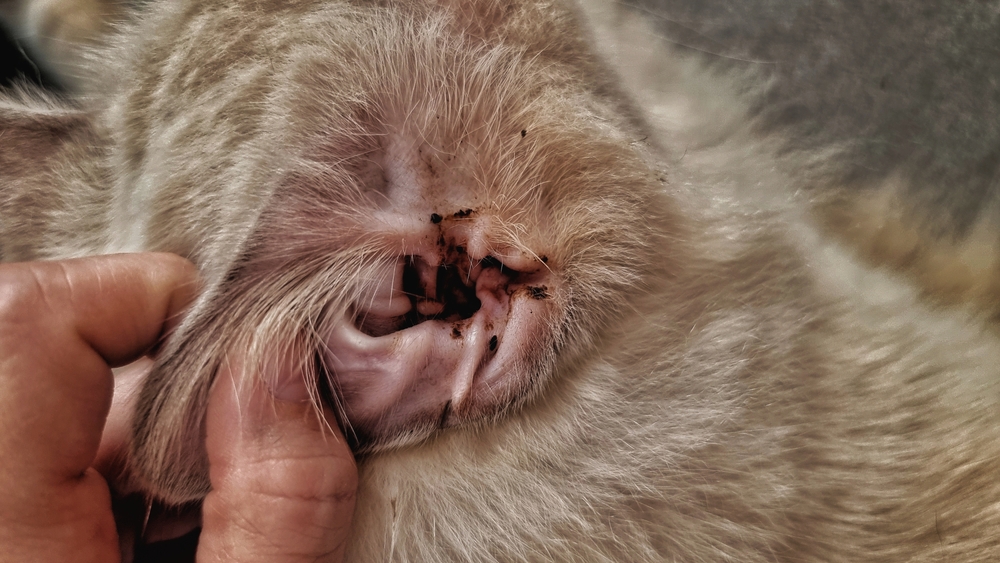
One of the most obvious signs is dark, crumbly debris resembling coffee grounds inside the ear canal. You might also notice redness or inflammation around the ear. If your cat lets you look inside, check for excessive wax buildup or unusual discharge.
Behavioral Changes To Watch For
Has your cat been scratching its ears more than usual or shaking its head? These behaviors often indicate irritation caused by ear mites. Cats might also rub their ears against furniture or the floor to ease the itch.
Sounds Your Cat Makes
Sometimes, ear mites cause discomfort that leads to unusual noises. You may hear your cat scratching vigorously or even crying out when touching the ears. This reaction shows how painful the infestation can be.
Physical Symptoms Beyond The Ears
Ear mites can cause your cat’s ears to become swollen or crusty on the outside. In severe cases, untreated mites may lead to hair loss around the ears or a bad odor. These signs suggest a more advanced infection that needs immediate attention.
When To See A Veterinarian
If you notice any combination of these signs, it’s wise to visit your vet promptly. They can confirm the presence of ear mites through an ear swab under a microscope. Early diagnosis helps you start treatment quickly and avoid further discomfort for your cat.
Credit: justcatsclinic.com
Common Symptoms
Recognizing the common symptoms of ear mites in your cat is essential to catch the problem early. These tiny parasites cause discomfort that your cat can’t easily express. Paying close attention to changes in your cat’s behavior and ear health can help you act quickly before the situation worsens.
Excessive Scratching
If your cat suddenly starts scratching its ears more than usual, this is a clear warning sign. Ear mites cause intense itching, which drives your cat to scratch relentlessly. You might even notice redness or small wounds around the ear due to the constant scratching.
Head Shaking
Have you observed your cat shaking its head frequently? This behavior often shows irritation deep inside the ear canal. The shaking is your cat’s way to try to dislodge the mites and relieve the itchiness.
Unusual Ear Odor
Healthy cat ears have little to no smell. A strong, unpleasant odor could indicate an infection caused by ear mites. Alongside the smell, you might see dark, crumbly debris resembling coffee grounds inside the ear.
Visual Indicators
Visual signs are the easiest way to spot ear mites in cats. These tiny parasites cause clear changes in the ear’s appearance. Observing your cat’s ears closely can reveal important clues. Early detection helps prevent discomfort and serious infections. Below are key visual indicators to watch for.
Discharge And Debris
Ear mites produce dark, crumbly debris that looks like coffee grounds. This discharge often collects inside the ear canal and around the ear flap. It may have a strong, unpleasant odor. The debris can be sticky or dry and flaky. Regularly checking your cat’s ears helps catch this sign early.
Redness And Swelling
Mite infestation irritates the sensitive skin inside the ear. This causes redness, making the ear look inflamed. Swelling may also occur, making the ear feel warm and tender. Your cat might shake its head or scratch the ear more often. These signs show the mites are causing discomfort.
Behavioral Changes
Behavioral changes in your cat can be a clear sign that something is wrong in their ears. Ear mites cause intense discomfort, and your furry friend may start acting differently to cope with the irritation. Observing these changes closely can help you catch the problem early and seek treatment before it worsens.
Increased Irritability
Have you noticed your cat becoming unusually grumpy or snapping when you try to pet them? Ear mites cause constant itching and pain, making your cat more sensitive and easily annoyed. This irritability often shows up as restless scratching, head shaking, or even avoidance of touch around the ears.
It’s important to ask yourself: has your cat’s mood shifted suddenly without any other obvious cause? If yes, the itchy discomfort from ear mites might be the culprit. Pay close attention to how your cat reacts when you approach their head or ears.
Loss Of Balance
Ear mites can affect your cat’s inner ear, which plays a key role in balance. If your cat starts stumbling, tilting their head, or walking unsteadily, it could mean the mites have caused an infection or inflammation. These signs are often subtle at first but become more obvious as the problem persists.
Think about whether your cat seems less coordinated than usual. Are they hesitant to jump or climb? These behaviors can signal that something is wrong with their ear health. If you observe these symptoms, it’s crucial to get your cat checked by a vet promptly.
Diagnosis Methods
Recognizing ear mites in your cat starts with effective diagnosis methods. Identifying the problem early can save your furry friend from discomfort and potential infections. Understanding how to spot signs and confirm them can help you act quickly and seek the right treatment.
Veterinary Examination
A professional vet visit is the most reliable way to diagnose ear mites. The vet will use an otoscope to look deep inside your cat’s ear canal. This tool helps them spot tiny mites or the debris they leave behind.
Sometimes, the vet may take a sample of the ear wax and examine it under a microscope. This step confirms the presence of mites or other infections. Have you noticed your cat scratching their ears or shaking their head a lot? These signs often prompt a vet to check for mites.
Home Inspection Tips
You can also start by inspecting your cat’s ears at home. Gently lift your cat’s ear flap and look inside with a good light. Healthy ears should be clean and pink, without any dark, crumbly debris.
Look for black or brown specks that resemble coffee grounds—these are often mite droppings. If your cat’s ears look red, inflamed, or have a strong odor, it’s a signal to see the vet soon. Do you feel confident enough to spot these signs early and protect your cat?

Credit: www.holistapet.com
Treatment Options
Effective treatment is key to clearing ear mites from your cat’s ears. Choosing the right option helps reduce discomfort and stops the mites quickly. Some treatments require a vet’s prescription, while others can be done at home. Always follow directions carefully to avoid harming your cat.
Medicated Drops
Medicated drops often contain ingredients that kill ear mites fast. These drops soothe inflammation and clean the ear canal. Most require daily application for about one to two weeks. Common ingredients include ivermectin and selamectin. Use a cotton ball to gently wipe debris before applying drops. Avoid touching the dropper tip to the ear to keep it clean.
Veterinarians usually recommend these drops for severe mite infestations. They can also treat any secondary infections caused by scratching. Always finish the full course even if symptoms improve quickly. Check with your vet if your cat shows signs of irritation or if symptoms continue.
Natural Remedies
Natural remedies can help support treatment and soothe your cat’s ears. Oils like coconut oil may suffocate mites and reduce itching. Tea tree oil should be avoided as it can be toxic to cats. Use olive oil carefully to loosen earwax and debris. Warm the oil slightly and apply a small amount with a cotton ball.
Natural remedies work best alongside vet-prescribed treatments. They help calm inflamed skin and keep ears clean. Avoid overusing oils, as too much moisture can worsen infections. Always observe your cat’s reaction and stop if irritation occurs.
Preventive Measures
Keeping your cat free from ear mites is easier when you focus on prevention. These tiny parasites can cause discomfort and infections, but you have control over how to stop them before they start. Simple habits and regular care can make a big difference in your cat’s ear health.
Regular Ear Cleaning
Cleaning your cat’s ears regularly helps spot early signs of ear mites and removes dirt where mites could thrive. Use a vet-approved ear cleaner and a soft cloth or cotton ball—never a cotton swab inside the ear canal. Gently wipe the outer ear and look for any unusual debris or odor.
I once noticed my cat scratching her ears more than usual. A quick cleaning revealed a bit of dark wax, which I treated immediately. Catching it early kept her from developing a full-blown ear mite infestation.
Could your cat’s ears benefit from a weekly wipe-down? Keeping them clean prevents mites from finding a cozy home.
Routine Vet Visits
Scheduling regular check-ups allows your vet to examine your cat’s ears thoroughly and catch issues you might miss. Even if your cat seems fine, professional ear exams can detect mites early or rule out other problems.
During my cat’s annual visit, the vet spotted tiny mites before symptoms appeared. Early treatment saved her discomfort and a costly infection. Don’t wait for signs—regular vet visits are your best defense.
How often do you take your cat to the vet? Making it routine can protect against ear mites and many other health risks.

Credit: www.reddit.com
Frequently Asked Questions
What Are Common Signs Of Ear Mites In Cats?
Ear mites cause intense itching, dark ear discharge, and head shaking. Cats may scratch ears frequently and show redness or inflammation. Early detection helps prevent infections and discomfort.
How Can I Check My Cat’s Ears For Mites?
Look inside your cat’s ears for dark debris or wax buildup. Use a flashlight to spot tiny moving mites. If unsure, consult a veterinarian for proper diagnosis.
Can Ear Mites Cause Hearing Loss In Cats?
Yes, untreated ear mites can lead to infections and damage. This may result in temporary or permanent hearing loss. Prompt treatment is essential to protect your cat’s hearing.
Are Ear Mites Contagious To Other Pets?
Ear mites spread easily between cats, dogs, and other animals. Close contact allows mites to transfer quickly. Treat all pets promptly to prevent reinfestation.
Conclusion
Cats with ear mites often show clear signs like scratching and head shaking. Checking your cat’s ears regularly helps catch problems early. Treating ear mites quickly prevents pain and infections. Visit your vet for proper diagnosis and care. Keep your cat comfortable and healthy by staying alert to these signs.
Small steps can make a big difference in your cat’s well-being. Don’t ignore unusual behavior or ear discomfort. Caring for your cat’s ears is part of good pet care.
