

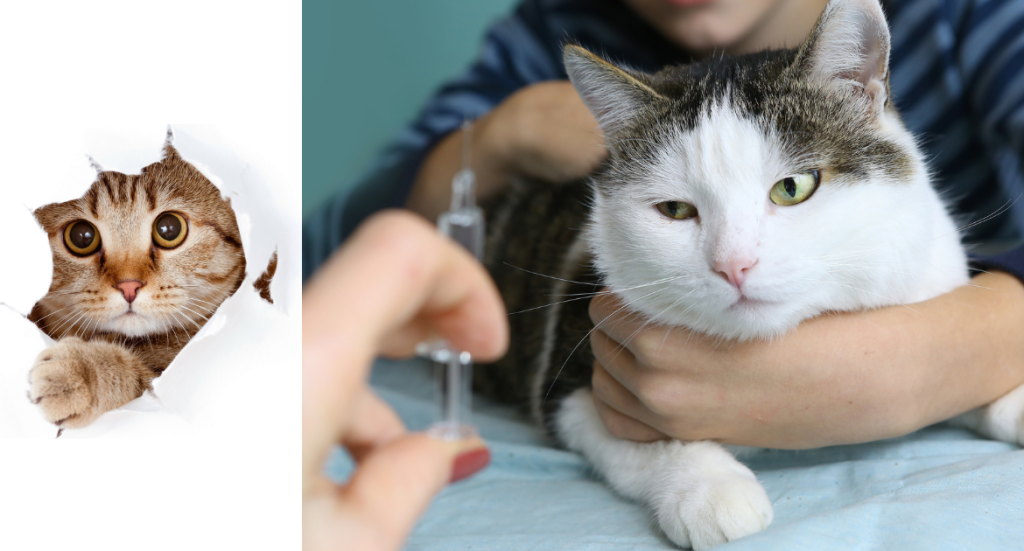
Have you ever wondered how to tell if your cat might have rabies? It’s a scary thought, but knowing the signs can protect both you and your furry friend.
Rabies is a serious disease that can be hard to spot at first. If you catch it early, you can act fast and keep everyone safe. You’ll learn clear, simple ways to recognize if your cat shows symptoms of rabies.
Keep reading—you might find information that could save a life.
What Is Rabies In Cats
Rabies in cats causes strange behavior like sudden aggression or weakness. Signs include drooling, difficulty swallowing, and unusual movements. Early detection is crucial to protect both pets and people.
What is Rabies in Cats Rabies is a viral disease that affects the central nervous system of mammals, including cats. It’s a frightening disease because once symptoms appear, it is nearly always fatal. Understanding rabies in cats is crucial for pet owners to ensure their furry friends stay healthy and safe.Understanding Rabies Virus
Rabies is caused by a virus that is typically transmitted through the bite of an infected animal. The virus travels through the nerves to the brain, leading to severe symptoms. This infection is prevalent in wild animals like bats, raccoons, and foxes, but domestic pets can also catch it if not vaccinated.Symptoms To Watch For
Cats infected with rabies may show a range of symptoms. Initially, they might exhibit subtle changes in behavior, such as increased aggression or unusual shyness. As the disease progresses, symptoms can include excessive drooling, difficulty swallowing, and paralysis.Transmission And Risks
The primary mode of transmission is through saliva, typically from a bite. However, scratches or open wounds exposed to the virus can also be risky. If your cat spends time outdoors, the risk of encountering a rabid animal increases significantly.Prevention Is Key
Vaccination is the most effective way to prevent rabies in cats. Ensure your cat’s vaccinations are up-to-date and consult with your veterinarian regularly. Keeping cats indoors can also reduce their risk of exposure to rabid animals.What To Do If You Suspect Rabies
If you suspect your cat may have rabies, contact your veterinarian immediately. It’s essential to avoid direct contact with the cat’s saliva and keep them isolated from other animals and people. Prompt action can help manage the situation effectively and prevent further spread. By being informed and vigilant, you can protect your beloved feline from the dangers of rabies. Are you prepared to take the necessary steps to keep your cat safe?
Credit: weareallaboutcats.com
Early Signs Of Rabies
Recognizing the early signs of rabies in cats can save lives. Rabies affects the nervous system and can change a cat’s behavior quickly. Early detection helps in seeking immediate veterinary care. Watch closely for subtle changes in your cat’s habits and health.
Behavioral Changes
A cat with rabies may act differently than usual. It might become unusually aggressive or fearful. Some cats hide more or avoid people and other animals. Sudden restlessness or irritability is common. These changes often happen fast and without clear cause.
Appetite Loss
A loss of appetite is a warning sign. Cats with rabies often stop eating or drinking. This can lead to weakness and dehydration. Notice if your cat refuses food for more than a day. Appetite loss combined with other signs needs urgent attention.
Fever Symptoms
Rabies can cause a mild fever in cats early on. The cat may feel warmer than usual. You might notice shivering or lethargy. A fever can make the cat tired and less active. Check your cat’s temperature if it acts sick.
Advanced Rabies Symptoms
Recognizing advanced rabies symptoms in cats is crucial for timely intervention. These signs often indicate the infection has progressed, affecting the cat’s nervous system severely. If you notice any of these symptoms, immediate veterinary care is essential.
Aggression And Irritability
One of the most noticeable changes in a cat with advanced rabies is sudden aggression. You might see a usually calm cat become hostile or easily irritated. This shift happens because the virus disrupts normal brain function, leading to unpredictable behavior.
Excessive Drooling
Excessive drooling is a common symptom caused by difficulty swallowing or throat spasms. If your cat is constantly drooling more than usual, it could indicate rabies affecting its ability to control mouth muscles. Pay attention if drooling comes with other signs like restlessness or agitation.
Difficulty Swallowing
Difficulty swallowing, also known as dysphagia, is a serious symptom you should never ignore. It can cause your cat to choke or gag frequently, and they may refuse to eat or drink. This symptom signals that the rabies virus is attacking the nerves controlling the throat and mouth.
Paralysis And Weakness
As rabies progresses, paralysis often sets in. You might notice your cat struggling to move or losing control of limbs. This weakness usually starts in the hind legs and spreads, making it hard for your cat to walk or stand.
Have you ever seen a cat suddenly change its behavior or struggle with basic movements? These could be warning signs pointing to rabies. Always observe your pet closely and seek help immediately if you suspect infection.

Credit: www.reddit.com
How Rabies Spreads To Cats
Understanding how rabies spreads to cats is crucial for keeping your furry friend safe. Rabies is a deadly virus that affects the nervous system and is almost always fatal once symptoms appear. Knowing the common ways cats can contract this virus helps you take the right precautions and act quickly if you suspect exposure.
Bites From Infected Animals
One of the primary ways rabies spreads to cats is through bites from infected animals. The virus is present in the saliva of a rabid animal and enters your cat’s body when bitten. Even a small bite can transmit the virus, so it’s important to check your cat for any wounds after outdoor adventures.
Have you ever noticed your cat returning with scratches or bite marks? Those could be more dangerous than you think. If the animal that bit your cat shows unusual behavior or is known to carry rabies, immediate veterinary attention is essential.
Exposure To Wildlife
Wild animals like raccoons, bats, skunks, and foxes are common carriers of rabies. Cats that roam outdoors or near wooded areas have a higher risk of coming into contact with these animals. Even if your cat is not bitten, close contact with saliva from a rabid animal, such as from a scratch or open wound, can also pose a threat.
Think about the last time your cat chased a bat or a raccoon near your property. That moment could be a critical risk point. Limiting your cat’s unsupervised outdoor time and keeping vaccinations up to date are practical steps you can take to prevent exposure.
When To Seek Veterinary Help
Recognizing when to seek veterinary help is crucial for your cat’s health. Rabies is a serious disease that progresses fast. Early detection can save your cat and protect your family.
Watch for sudden behavior changes or symptoms that seem unusual. Acting quickly ensures proper diagnosis and treatment. Never ignore signs that may suggest rabies or other illnesses.
Signs Of Aggressive Or Unusual Behavior
Rabies often causes sudden aggression or fearfulness. Your cat may snap, bite, or hiss without reason. It might also hide or seem confused.
Excessive Drooling Or Difficulty Swallowing
Rabid cats often drool more than usual. Difficulty swallowing or choking can also occur. These symptoms need immediate veterinary attention.
Paralysis Or Weakness
Weakness or paralysis in limbs is a serious warning. It may start in the hind legs and spread quickly. This requires urgent veterinary care.
Recent Contact With Wild Animals
Exposure to bats, raccoons, or other wild animals increases risk. If your cat had a fight or bite, seek help fast. A vet can assess and start treatment.
Unexplained Fever Or Lethargy
Fever and extreme tiredness might indicate infection. If your cat feels very weak or refuses food, get veterinary advice. These signs are cause for concern.
Preventing Rabies In Cats
Preventing rabies in cats protects their health and your family’s safety. Rabies is a deadly virus spread mainly through bites from infected animals. Taking simple steps can stop your cat from catching this disease. These actions keep your cat safe and help control rabies in your community.
Vaccination Importance
Vaccinating your cat against rabies is the best defense. Vaccines create strong protection to fight the virus. Most areas require rabies shots by law. Keep your cat’s vaccinations up to date. Regular booster shots ensure long-lasting safety. Ask your vet about the right vaccination schedule.
Avoiding Wildlife Encounters
Wild animals often carry rabies. Keep your cat indoors or supervised outside. Avoid letting your cat roam freely, especially at night. Secure trash cans and remove food sources to discourage wildlife near your home. Check your yard for holes or openings where wild animals can enter. Reducing contact lowers rabies risk greatly.

Credit: mccallumcentreanimalhospital.com
Frequently Asked Questions
What Are Common Signs A Cat Has Rabies?
Rabid cats often show sudden aggression, excessive drooling, and difficulty swallowing. They may also act unusually shy or lethargic. Changes in behavior, such as restlessness or paralysis, are common rabies indicators in cats. Immediate veterinary attention is crucial if these symptoms appear.
How Can Rabies Be Diagnosed In Cats?
Veterinarians diagnose rabies through clinical signs and laboratory tests. Post-mortem brain tissue analysis confirms rabies definitively. No reliable antemortem test exists for live cats, so observation and history are essential for suspicion.
Can A Vaccinated Cat Still Get Rabies?
Vaccination greatly reduces rabies risk but doesn’t guarantee full immunity. Breakthrough infections are extremely rare. Regular booster shots ensure protection. Always consult your vet about vaccination schedules for effective rabies prevention.
How Soon Do Rabies Symptoms Appear In Cats?
Rabies symptoms typically appear within 3 to 8 weeks after exposure. This incubation period varies with virus amount and bite location. Early signs are subtle, so monitor cats closely after potential exposure.
Conclusion
Recognizing rabies signs in cats helps protect you and your pets. Watch for unusual behavior like aggression, drooling, or paralysis. Early action can save lives and prevent disease spread. Always keep your cat’s vaccinations up to date. Contact a vet if you notice any warning signs.
Stay alert and keep your home safe for everyone. Simple steps make a big difference in preventing rabies. Stay informed and act quickly to protect your furry friends.
