


Has your cat been acting a little off lately? Maybe they’re less playful, hiding more, or just seem uncomfortable.
You might wonder, “Does my cat have a fever? ” Unlike humans, cats can’t tell you when they’re feeling hot or sick. But knowing the signs of a fever in your furry friend is crucial. It can help you act quickly and keep your cat healthy.
You’ll discover simple ways to tell if your cat has a fever—and what you should do next. Keep reading to protect your beloved pet and ease your worries.

Credit: styllacare.com
Normal Cat Temperature
Knowing your cat’s normal body temperature helps spot illness early. Cats usually have a temperature higher than humans. Their warmth shows how healthy they are inside. Understanding what is normal is key to noticing a fever.
Typical Temperature Range
A healthy cat’s temperature usually falls between 100.5°F and 102.5°F (38°C to 39.2°C). Slight changes happen during the day or with activity. Temperatures above 102.5°F often mean a fever. Below 100°F may signal hypothermia or other health issues.
How To Measure Temperature
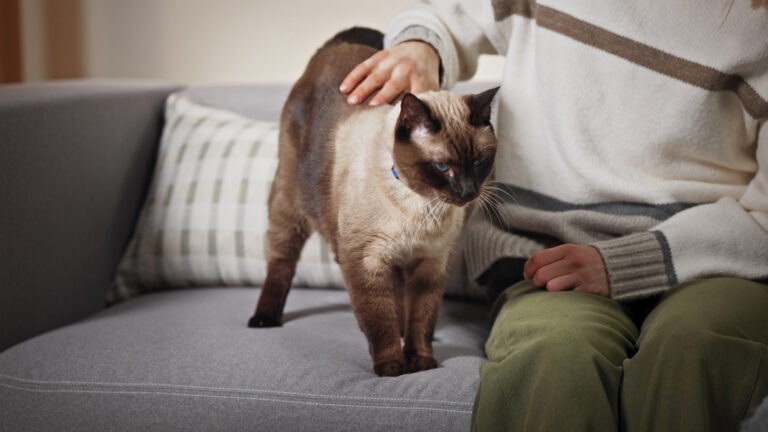
Use a digital rectal thermometer for the most accurate reading. Prepare your cat by calming it gently. Lubricate the thermometer with petroleum jelly. Insert it carefully about one inch into the rectum. Hold it steady until it beeps or signals done. Clean the thermometer after use with alcohol or warm soapy water.
Credit: www.chewy.com
Common Fever Causes
Cats can develop a fever for many reasons. Understanding common causes helps in spotting health problems early. Fever often signals the body fighting an issue. Knowing what triggers a fever supports timely care.
Infections And Illnesses
Infections are a top cause of fever in cats. Viruses, bacteria, and fungi can make a cat sick. Common illnesses include respiratory infections and urinary tract infections. Parasites like fleas and ticks also cause fever. These germs enter the body and trigger a fever as defense. Untreated infections may worsen and need a vet’s help.
Injury And Inflammation
Injuries can lead to fever in cats. Cuts, wounds, or bites may cause inflammation. The body responds by raising temperature to fight infection. Internal injuries, like a broken bone, also cause fever. Inflammation from arthritis or other conditions raises body heat. Fever signals the cat’s immune system is active.
Physical Signs Of Fever
Physical signs often reveal if a cat has a fever. Cats cannot tell us how they feel, so observing these signs helps. Watch your cat carefully for changes in their body temperature and behavior. These signs may indicate a fever and the need for veterinary care.
Warm Ears And Paws
Check your cat’s ears and paws by touch. They feel warmer than usual if a fever is present. Normal ears and paws are cool or slightly warm. A noticeable rise in temperature can suggest illness. This is an easy way to spot a fever early.
Flushed Gums
Lift your cat’s lip gently to see the gums. Healthy gums are pink and moist. Flushed gums look redder or darker than normal. This change in color can signal a fever or infection. Look for dryness or unusual textures as well.
Lethargy And Weakness
A cat with a fever often seems tired and weak. They may sleep more and move less than usual. Play and activity levels drop noticeably. This lack of energy shows the body is fighting something. Observe if your cat avoids interaction or eating too.
Behavioral Changes
Noticing behavioral changes in your cat is one of the clearest signs that something might be wrong, including a possible fever. Cats are masters at hiding pain or discomfort, so any shift in their usual habits should catch your attention. These changes can be subtle but meaningful, helping you decide when to check their temperature or call the vet.
Reduced Appetite
Your cat suddenly refusing food or eating much less than usual can signal a fever. Cats often lose interest in eating because their body is focused on fighting off infection. If your cat skips meals for more than a day or shows disinterest in favorite treats, it’s a warning sign not to ignore.
Have you ever noticed your cat turning away from their bowl after a meal or pushing food around without eating? This behavior often points to discomfort or illness, especially if paired with lethargy. Keeping track of their eating habits daily can help you spot these changes quickly.
Increased Hiding
When a cat has a fever, they may seek out quiet, dark places to rest and stay away from human interaction. Hiding more than usual is a way for them to conserve energy and feel safe while they recover. If your outgoing cat suddenly becomes a recluse, it’s time to check their health.
Think about your cat’s favorite hangout spots. Are they suddenly avoiding family rooms or their usual sunny window perch? This withdrawal is a strong clue your cat isn’t feeling well. Try gently coaxing them out and watch for signs of weakness or discomfort.
Unusual Vocalization
A cat with a fever might vocalize more or differently than usual. This could mean meowing loudly, crying, or even growling without clear reason. These sounds are often their way of expressing pain or distress.
Pay attention to the tone and frequency of your cat’s meows. Has your normally quiet cat started making noise at odd times? Sometimes, increased vocalization happens late at night when they feel most vulnerable. Responding to these sounds can help you identify their fever early.
When To Check Temperature
Knowing when to check a cat’s temperature is vital for their health. Cats often hide signs of sickness, making it hard to tell if they have a fever. Checking their temperature can confirm if they are unwell or need a vet visit. Watch for signs like lethargy, loss of appetite, shivering, or warm ears and paws.
Temperature checks should happen if your cat shows unusual behavior or feels hotter than normal. Early detection helps treat illness faster and prevents serious problems. Use the right tools and methods to get an accurate reading without stressing your cat.
Using A Digital Thermometer
Use a digital thermometer designed for pets or humans. These give quick and clear readings. Avoid glass thermometers; they can break and harm your cat. Clean the thermometer before and after use with rubbing alcohol. Apply a small amount of lubricant, like petroleum jelly, on the tip to ease insertion.
Proper Technique For Accuracy
- Hold your cat gently but firmly to keep them calm.
- Lift the tail carefully to expose the rectum.
- Insert the lubricated thermometer tip about one inch deep.
- Wait until the thermometer beeps or signals the reading.
- Remove the thermometer slowly and read the temperature.
Normal cat temperature ranges between 100.5°F and 102.5°F (38°C to 39.2°C). A reading above this shows a fever. Always handle your cat gently to avoid injury or stress during the check.
When To See A Vet
Knowing when to see a vet is crucial if you suspect your cat has a fever. Cats can hide their discomfort well, making it hard to tell if they’re seriously ill. Acting quickly can prevent minor issues from becoming emergencies.
Persistent High Temperature
If your cat’s temperature stays above 103°F (39.4°C) for more than 24 hours, it’s time to get professional help. A temporary spike might happen after activity or stress, but a lasting fever signals a deeper problem. Don’t wait for other symptoms; a prolonged fever alone is enough reason for a vet visit.
Additional Symptoms
Watch for signs like lethargy, loss of appetite, vomiting, or difficulty breathing alongside the fever. These symptoms often point to infections or other health issues needing immediate care. If your cat shows any of these, ask yourself: could this be more than just a simple fever?
Home Care Tips
Taking care of a cat with a fever at home requires attention and gentle care. You want to make sure your cat feels as comfortable as possible while their body fights off the illness. Small actions can make a big difference in helping your furry friend recover faster.
Keeping Your Cat Comfortable
Create a quiet, warm space where your cat can rest without disturbances. Avoid loud noises and bright lights, as they can stress your cat and raise their body temperature further.
Soft blankets or a favorite bed can provide extra comfort. Have you noticed how your cat chooses a specific spot when feeling unwell? Let them be there.
Check the room temperature frequently. If it feels chilly, add a light blanket, but don’t overheat the space. Your goal is gentle warmth, not a sauna.
Hydration And Rest
Fever can quickly lead to dehydration, so keep fresh water within easy reach. If your cat isn’t drinking, try offering water with a syringe or a pet-safe electrolyte solution recommended by your vet.
Encourage rest by limiting playtime and avoiding any stressful interactions. Cats heal best when they’re calm and relaxed, so give them time to sleep as much as they need.
Have you ever noticed your cat’s energy drop suddenly? That’s a sign to let them rest and avoid forcing activities.
Credit: www.petscare.com
Frequently Asked Questions
How Can I Tell If My Cat Has A Fever?
Check for lethargy, loss of appetite, and warm ears. Use a digital rectal thermometer to measure temperature. A cat’s normal temperature ranges between 100. 5°F and 102. 5°F. Above 103°F usually indicates a fever.
What Symptoms Indicate A Cat Might Have A Fever?
Common signs include shivering, panting, hiding, and dehydration. Cats may also have red gums and a dry nose. Behavioral changes like irritability or weakness can also signal fever.
When Should I Take My Cat To The Vet For Fever?
Visit the vet if your cat’s temperature is above 103°F. Also go if symptoms last more than 24 hours or worsen. Immediate care is needed if your cat shows difficulty breathing or seizures.
Can Stress Cause A Cat’s Temperature To Rise?
Yes, stress can mildly increase a cat’s temperature. However, this usually doesn’t exceed 102. 5°F. Persistent high fever is more likely due to illness, not stress.
Conclusion
Knowing if a cat has a fever helps protect its health. Watch for signs like warmth, lethargy, and loss of appetite. Use a thermometer for an accurate reading. Acting quickly can prevent serious illness. Always contact a vet if you suspect a fever.
Caring for your cat means staying alert and ready. Simple steps make a big difference in their well-being. Keep your furry friend happy and healthy every day.
