

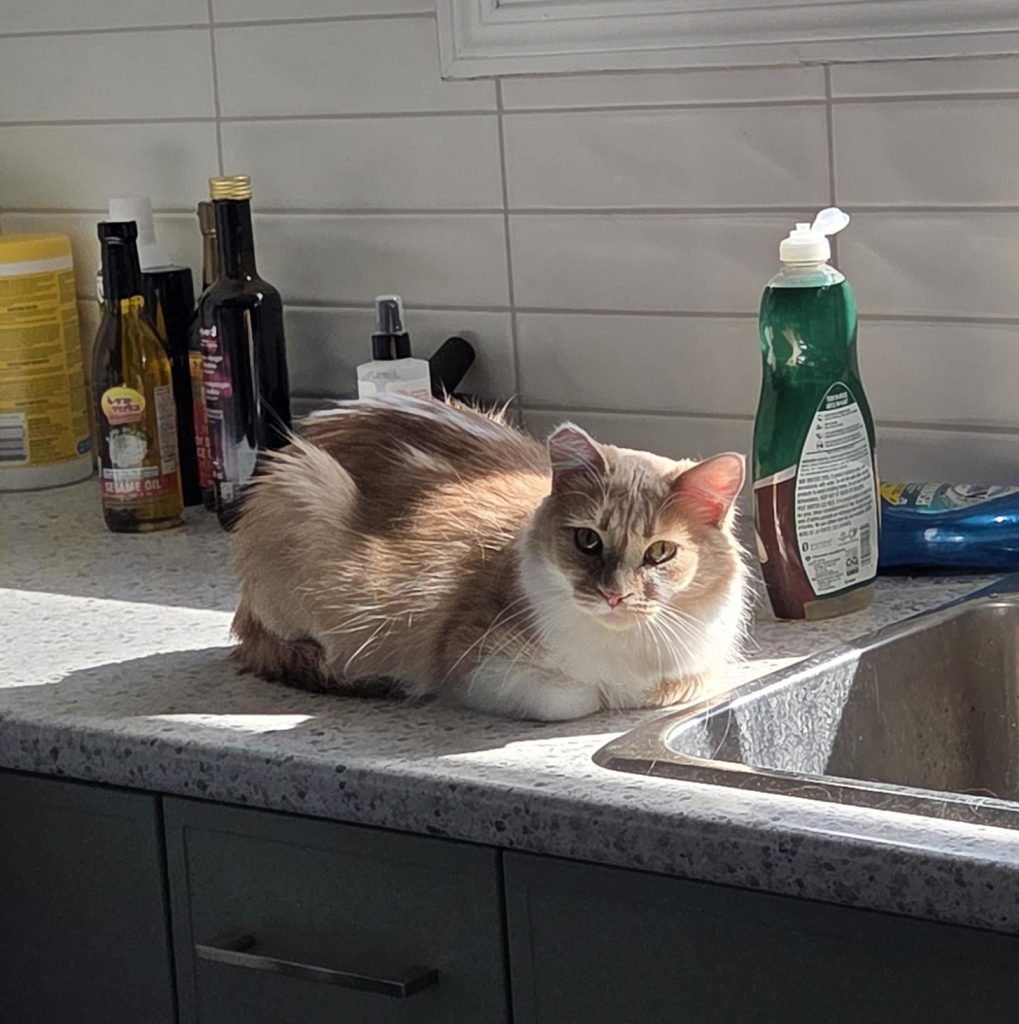
Are you tired of finding your cat lounging on your kitchen counters, leaving behind paw prints and potential messes? Keeping cats off counters can feel like a constant battle, but it doesn’t have to be this way.
Imagine a home where your counters stay clean, and your curious feline respects the boundaries you set. You’ll discover simple, effective ways to keep your cat off your counters without stress or frustration—for both you and your pet. Ready to reclaim your kitchen space?
Let’s dive in.
Credit: pethelpful.com
Reasons Cats Jump On Counters
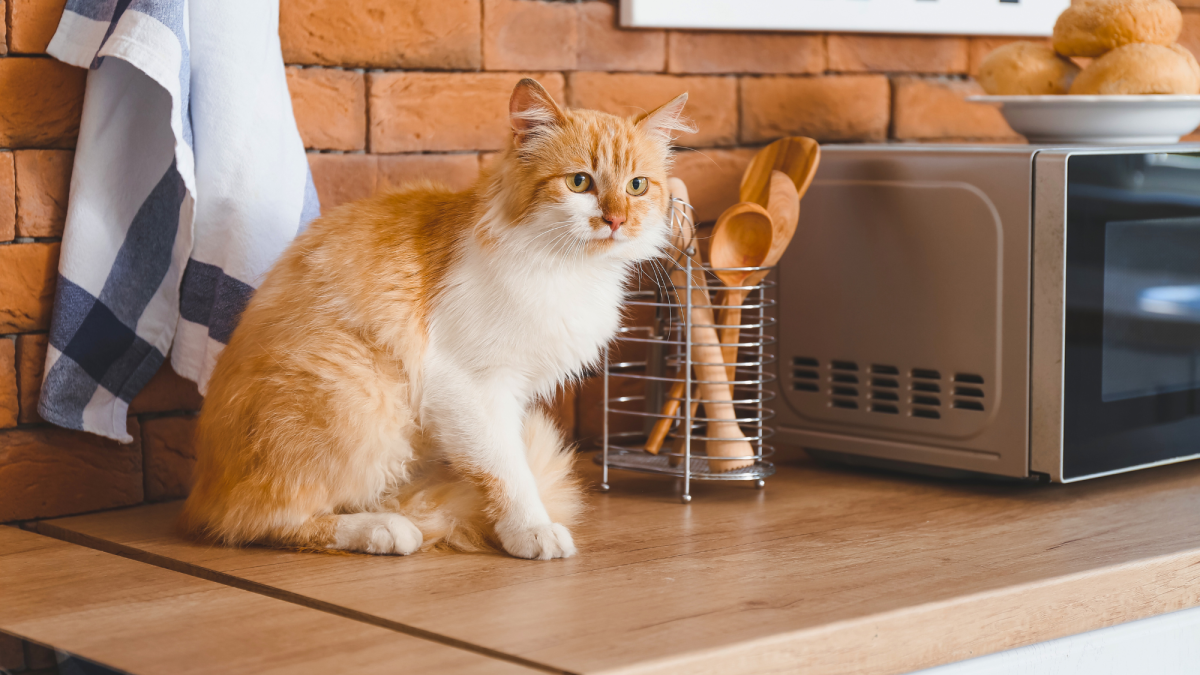
Cats jump on counters to explore, find food, or satisfy their curiosity. Blocking access and offering alternative spots helps keep them off counters. Consistent training and using safe deterrents also discourage this behavior effectively.
Cats are naturally curious creatures. They often find themselves on countertops, much to the dismay of their owners. Understanding why they do this can help in finding effective solutions. Let’s explore the main reasons cats are drawn to these elevated surfaces.Seeking Food And Attention
Cats often jump on counters in search of food. They have a keen sense of smell. A tasty aroma can be irresistible to them. Sometimes, they seek attention from their owners. Being on the counter makes them more visible. It’s a way to say, “Look at me!”Exploring Elevated Spaces
Cats love high places. It’s part of their nature. Elevated spaces give them a sense of safety. They can observe their surroundings better. This instinct makes countertops appealing to them.Boredom And Playfulness
Cats need mental stimulation. When bored, they seek entertainment. Jumping on counters can be a form of play. It offers new sights and smells. Keeping them engaged helps reduce this behavior.Safe Deterrents To Use
Keeping cats off counters can be tricky. Using safe deterrents protects your cat and your space. These methods do not harm your pet. They teach your cat to avoid counters naturally. Consistency is key for success.
Sticky Tape And Mats
Cats dislike sticky surfaces on their paws. Place double-sided tape or sticky mats on counters. This makes the area uncomfortable to walk on. Cats learn to avoid these spots quickly. Use tape or mats designed for pets to avoid damage.
Aluminum Foil Barriers
Aluminum foil feels strange under cats’ paws. Lay sheets of foil where cats jump on counters. The noise and texture discourage them from jumping again. Foil is cheap and easy to replace. Keep the foil flat to avoid injuries.
Scent Repellents Cats Dislike
Cats have a strong sense of smell. Use scents they dislike to keep them away. Citrus peels, lavender, or vinegar can work well. Spray diluted solutions on counter edges or place peels nearby. Avoid harsh chemicals that might harm your cat.
Training Techniques That Work
Training your cat to stay off counters takes patience and clear communication. Cats respond best to techniques that reward good behavior rather than punish bad habits. By focusing on positive actions and timing, you can reshape your cat’s habits effectively.
Positive Reinforcement
Reward your cat immediately when they choose to stay on the floor or a designated cat tree instead of the counter. Use treats, praise, or petting to show them you appreciate their choice.
Consistency is key here. Each time your cat avoids the counter, reward them to build a strong connection between good behavior and positive outcomes.
Have you noticed how your cat responds more eagerly to a favorite treat or a gentle voice? Use what motivates your cat best.
Using Clicker Training
Clicker training is a simple way to mark the exact moment your cat behaves correctly. The click sound becomes a signal that a reward is coming.
Start by clicking and then giving a treat when your cat is on the floor or in their play area. Over time, the cat learns to associate the click with good behavior.
This method works well because it’s clear and immediate, helping your cat understand what you expect.
Consistent Commands And Timing
Choose a simple command like “down” or “off” and use it every time you catch your cat on the counter. Say it calmly but firmly.
Timing matters — speak the command the moment your cat jumps up, not after they’ve already jumped down. This helps your cat connect the command with the action.
Are you using the same words and tone every time? Consistency helps your cat learn faster and reduces confusion.

Credit: www.reddit.com
Creating Cat-friendly Alternatives
Keeping cats off counters can feel like a losing battle if you only focus on what they shouldn’t do. Instead, offering your cat exciting and comfortable alternatives can redirect their energy in a positive way. Creating spaces that satisfy their natural climbing and exploring instincts often makes counters less appealing.
Providing Cat Trees And Shelves
Cat trees and shelves give your cat a dedicated place to climb and perch. These structures mimic the vertical spaces cats love in the wild, satisfying their need to observe their surroundings from a height.
Choose cat trees with multiple levels, scratching posts, and cozy hideouts. You can even install wall-mounted shelves at different heights to create a climbing path. Have you noticed how your cat’s interest skyrockets when they get new vertical territory?
Setting Up Window Perches
Window perches offer a sunny spot with a view, perfect for cats who love watching the outside world. Birds, people, and passing cars provide endless entertainment and mental stimulation.
Attach a sturdy perch directly to the window or use a cushioned sill bed. Your cat will spend hours there, reducing their urge to explore forbidden counters. How often do you catch your cat gazing outside, completely content?
Interactive Toys And Playtime
Interactive toys keep your cat’s mind and body active, which can curb counter-surfing out of boredom. Use wand toys, laser pointers, or puzzle feeders to engage their hunting instincts.
Set aside regular play sessions to build a bond and tire them out. A tired cat is less likely to jump on counters looking for excitement. What new toy or game has your cat loved the most lately?
Maintaining A Clean And Unattractive Counter
Keeping counters clean and unattractive helps stop cats from jumping up. Cats love counters with food or interesting items. Removing these temptations makes counters less inviting. A neat, crumb-free space feels boring to cats. This lowers their desire to explore or sit there.
Removing Food And Crumbs
Clear all food from counters immediately. Wipe away crumbs after cooking or eating. Store food in sealed containers or the fridge. Avoid leaving dishes with food scraps on counters. Cats are drawn to the smell and sight of food. Removing these cues reduces their interest.
Organizing Kitchen Items
Keep counters free of clutter and loose objects. Use shelves or cabinets to store utensils and appliances. Avoid leaving small or shiny items out. Cats may play with these and jump up to reach them. A tidy counter looks less like a playground.
Regular Cleaning Habits
Wipe counters daily with pet-safe cleaners. Clean spills and sticky spots right away. Regular cleaning removes scents that attract cats. It also discourages them from returning to the same spot. A fresh, clean counter feels uninviting to curious paws.
When To Seek Professional Help
Sometimes, keeping cats off counters can be tough. Cats may ignore all your efforts. This can mean deeper issues affecting their behavior. Knowing when to seek help saves time and stress. Professionals can offer guidance beyond simple tricks. They understand cat behavior and health better. This section explains when to ask for expert support.
Behavioral Issues Beyond Counters
Cats may jump on counters due to anxiety or stress. Boredom or lack of stimulation also causes this behavior. Some cats use counters to escape other pets or noise. If your cat shows signs like aggression or hiding, problems may be bigger. Scratching furniture or urinating outside the litter box can signal trouble. Such actions need more than just keeping cats off counters. They require a deeper look at your cat’s mental state.
Consulting Veterinarians Or Trainers
Veterinarians can check for medical reasons behind your cat’s actions. Pain or illness sometimes makes cats restless or irritable. A vet exam rules out health problems that affect behavior. Certified cat trainers use safe methods to change unwanted habits. They teach you how to redirect your cat’s attention. Trainers also create routines that reduce stress and boredom. Seeking professional help improves your cat’s well-being. It also makes your home more peaceful.

Credit: food52.com
Frequently Asked Questions
How Can I Train My Cat To Stay Off Counters?
Use positive reinforcement by rewarding your cat when they stay off counters. Provide alternative high spots like cat trees. Consistency and patience are key for successful training.
What Natural Deterrents Keep Cats Off Counters?
Cats dislike citrus scents, vinegar, and coffee grounds. Place these natural deterrents on counters to discourage jumping. Avoid harmful substances to keep your cat safe.
Are Motion-activated Devices Effective For Cats On Counters?
Yes, motion-activated sprays or alarms startle cats gently. They discourage counter jumping without causing harm. Use these devices as part of a broader training plan.
How Does Providing Alternative Spaces Reduce Counter Jumping?
Cats seek high places for safety and curiosity. Offering cat trees or shelves satisfies this need. This reduces their motivation to jump on counters.
Conclusion
Keeping cats off counters takes patience and consistency. Use safe deterrents like double-sided tape or aluminum foil. Provide your cat with fun toys and climbing spaces. Reward good behavior with treats and praise. Remember, sudden changes may confuse your cat.
Gentle guidance helps build better habits over time. Stay calm and keep your counters clean. Soon, your cat will learn to stay off the counters. Your efforts create a peaceful home for everyone.
