

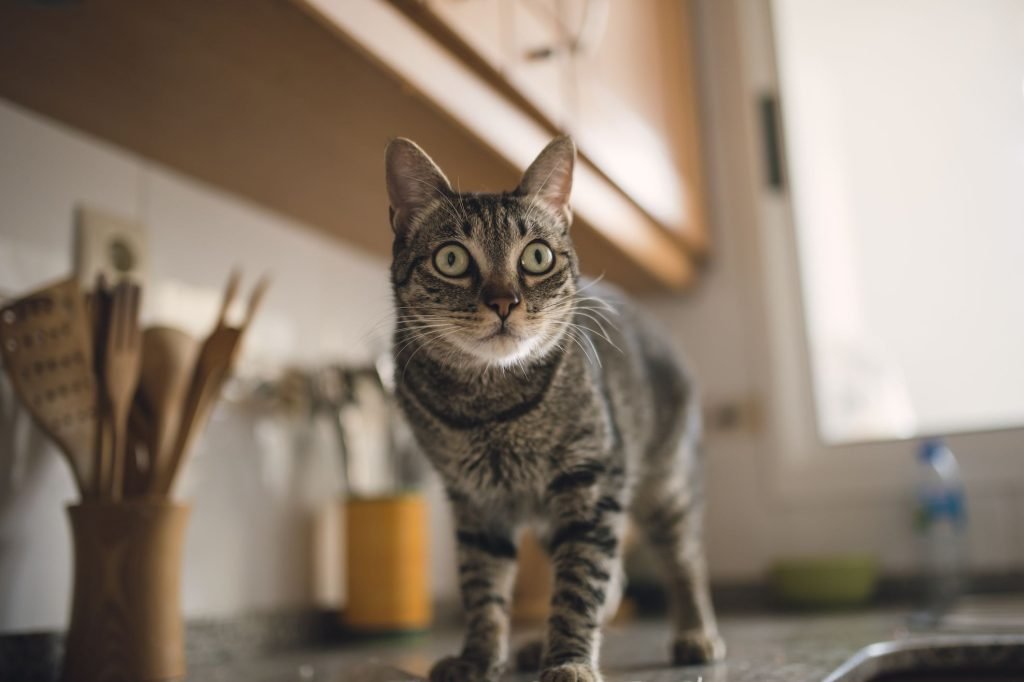
Are you tired of finding your cat perched on the kitchen counter, knocking over items or getting into things they shouldn’t? You’re not alone.
Cats love exploring high places, but keeping them off your counters can be a real challenge. What if you could enjoy a tidy kitchen without stressing over your furry friend’s next jump? You’ll discover simple, effective ways to keep your cat off the counter—methods that respect your pet while protecting your space.
Keep reading, and take the first step toward a cleaner, calmer home.
Reasons Cats Jump On Counters
Cats jump on counters out of curiosity or to find food and explore high places. To keep them off, use deterrents like double-sided tape or provide alternative climbing spots. Consistent training helps them learn which areas are off-limits.
Cats love to jump on counters, leaving many pet owners puzzled. Understanding why they do this can help manage their behavior. There are several reasons why cats might prefer your countertops over their designated areas. These reasons often relate to their natural instincts and needs.Curiosity And Exploration
Cats are naturally curious creatures. They love to explore new places and heights. A countertop provides them with a perfect vantage point. It allows them to survey their environment. This behavior stems from their wild ancestors who climbed trees for safety and observation. The elevation offers them a sense of security and control.Seeking Food And Attention
Cats often jump on counters searching for food. They have a keen sense of smell, and the aroma of food is irresistible. If food remnants are left out, cats will be drawn to investigate. In addition, jumping on the counter can be a plea for attention. Cats learn that this behavior often gets a reaction from their owners. Whether positive or negative, it satisfies their need for interaction.Comfort And Warmth
Counters can provide warmth, especially those near appliances. Cats adore warm spots. They might jump onto counters to enjoy the heat from appliances like stoves or microwaves. This warmth mimics the comfort they seek in sunny spots or cozy beds. The smooth surface of the counter might also feel comfortable under their paws.
Credit: www.reddit.com
Safe Deterrents To Use
Keeping a cat off the counter can be tricky. Cats love high places and exploring new surfaces. Using safe deterrents helps protect your countertops without hurting your pet. These methods create an unpleasant experience for cats without causing harm. They teach your cat to avoid the counter over time.
Double-sided Tape
Cats dislike sticky textures on their paws. Placing double-sided tape on countertops creates an uncomfortable feeling. The tape sticks to their feet and scares them away. It is a simple and safe way to discourage jumping. Change the tape often to keep the surface sticky.
Aluminum Foil
Aluminum foil has a crinkly texture that cats avoid. Lay sheets of foil on the counter to deter your cat. The noise and feel of foil make the area unwelcoming. This method is safe and inexpensive. Remove the foil when you want to use the countertop again.
Motion-activated Sprays
Motion-activated sprays use a harmless burst of air or water. They activate when a cat jumps on the counter. The sudden spray surprises the cat and discourages future visits. These devices are safe and cause no pain. Place the spray where your cat usually jumps up.
Training Techniques For Cats
Training cats to stay off counters takes patience and clear methods. Cats learn best through gentle, consistent guidance. Using the right training techniques helps change their habits. This section covers effective ways to teach cats to avoid countertops.
Positive Reinforcement
Reward good behavior with treats or praise. When a cat stays off the counter, give a small treat immediately. This helps them connect staying down with positive outcomes. Avoid punishing cats, as it may cause fear or confusion. Use rewards to encourage repeated good behavior.
Clicker Training
Clicker training uses a sound to mark correct actions. First, teach the cat that the click means a treat is coming. Click when the cat stays off the counter, then give a treat. Repeat this to build the habit. This method makes learning clear and fast for cats.
Consistent Boundaries
Set clear rules about where the cat can go. Keep counters clean and free of food or toys. Use physical barriers like double-sided tape or aluminum foil on counters. Always remove the cat gently if it jumps up. Consistency helps cats understand limits and respect boundaries.

Credit: www.reddit.com
Creating Alternative Spaces
Keeping your cat off the counter can be challenging, but offering appealing alternative spaces makes a big difference. Cats love to explore and perch in high places, so giving them dedicated spots can satisfy these natural urges. Instead of fighting their instincts, you can guide their attention to areas designed just for them.
Providing Cat Trees And Perches
Cat trees and perches create vertical territory where your cat can climb, scratch, and rest. Choose one with multiple levels and cozy hideouts to keep your cat entertained for hours. A sturdy cat tree near a window can become their favorite lookout spot, reducing the temptation to jump on counters.
Designated Play Areas
Set up a specific area filled with toys, scratching posts, and interactive games to keep your cat engaged. Rotate toys regularly to maintain their interest and prevent boredom. When your cat has a fun zone, they’re less likely to seek entertainment on kitchen counters.
Window Seats And Cozy Spots
Many cats love sunbathing and watching the outside world. Installing a window seat or a soft bed by the window gives them a perfect place to relax and observe. This simple addition offers both comfort and distraction, keeping your cat happy away from off-limit surfaces.
Have you noticed which alternative space your cat prefers most? Observing their choices helps you tailor their environment and improve your chances of keeping counters cat-free.
Maintaining A Clean Counter
Keeping your counters clean is a powerful way to discourage your cat from jumping up. Cats are naturally attracted to food smells and interesting objects, so a spotless surface removes those temptations. Plus, a clean counter makes your kitchen safer and more hygienic for everyone in your home.
Removing Food Traces
Even tiny crumbs or sticky spots can lure your cat to the counter. Wiping down surfaces immediately after cooking or eating cuts off this attraction. Using a mild, pet-safe cleaner ensures no harmful residues remain that could interest or harm your cat.
Think about the last time you left a bit of food unattended—did your cat sneak a taste? Addressing this habit by cleaning up right away prevents repeat visits and trains your cat to lose interest in the counter.
Clearing Clutter
Clutter creates a playground for your cat. Objects like utensils, papers, or decorative items invite exploration and may even hide tasty bits underneath. Removing unnecessary items from your counters reduces curiosity and makes the area less inviting.
Try to keep only essentials on your counters. This not only deters your cat but also gives you more space to work. Have you noticed how your cat reacts when the counter is empty versus filled with stuff?
Using Scents Cats Avoid
Cats have a strong sense of smell and dislike certain scents like citrus, lavender, and eucalyptus. Placing cotton balls soaked in these scents near the edges of your counters can discourage your cat from jumping up. Just be sure to use safe, natural oils in small amounts to avoid irritation.
You might be surprised how effective this simple trick can be. Have you tried any scents around your home that seemed to keep your cat away? Experimenting with smells could be a gentle way to protect your counters without causing stress.
When To Seek Professional Help
Knowing when to seek professional help can save your cat and your home from ongoing stress. Some cat behaviors need more than home fixes. Professionals offer tools and advice tailored to your cat’s needs.
Watch for signs that simple deterrents are not enough. Persistent counter jumping might signal deeper issues. Understanding these signs helps you act quickly.
Behavioral Issues
Some cats jump on counters due to behavior problems. They might be bored or seeking attention. These behaviors can become habits hard to break. A behaviorist can identify causes and suggest solutions.
Stress And Anxiety
Cats often show stress by changing their habits. Counter jumping can be a way to feel safe or escape stress. Stress sources include new pets, loud noises, or changes at home. A professional can help find and reduce stress triggers.
Veterinary Advice
Health problems can cause unusual behaviors like counter jumping. Pain or illness might make a cat restless. A vet check can rule out medical issues. Follow vet advice to ensure your cat’s well-being.

Credit: www.reddit.com
Frequently Asked Questions
How Can I Stop My Cat From Jumping On Counters?
Provide alternative climbing spots like cat trees. Use double-sided tape or aluminum foil on counters. Consistently discourage jumping with a firm “no” and reward good behavior.
What Are Safe Deterrents To Keep Cats Off Counters?
Use scent deterrents like citrus or vinegar sprays. Place motion-activated air sprays or mats that gently startle cats. Avoid harmful chemicals or loud noises that stress your pet.
Why Do Cats Love Sitting On Kitchen Counters?
Cats seek high places for safety and observation. Counters offer warmth, food smells, and curiosity opportunities. Understanding this helps you create better cat-friendly spaces.
Can Training Really Keep Cats Off Kitchen Counters?
Yes, consistent training with positive reinforcement works. Reward your cat for using designated areas. Patience and repetition help change their habits effectively.
Conclusion
Keeping a cat off the counter takes patience and consistency. Use gentle deterrents and offer fun alternatives. Cats need places to climb and play safely. Stay calm and avoid punishment, as it may confuse your cat. Over time, your cat will learn where to stay.
Remember, every cat is different and learns at its own pace. With care and effort, counters can stay cat-free and your pet happy. Small steps lead to big changes. Keep trying, and enjoy a cleaner kitchen space.
