

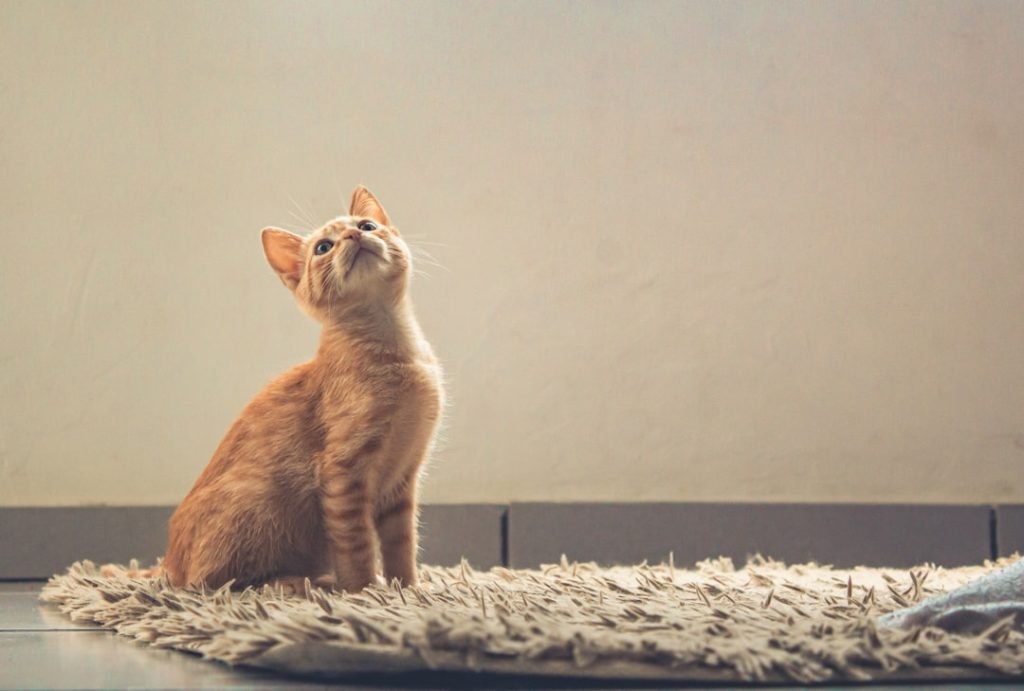
If you’ve ever wondered how to house train a cat, you’re not alone. You want your furry friend to use the litter box consistently and keep your home clean.
But sometimes, it feels like cats have their own rules. What if there was a simple way to guide your cat without stress or frustration? In this post, you’ll discover easy, practical steps that anyone can follow. By the end, you’ll feel confident that your cat will be well-trained and happy in your home.
Let’s dive in and make house training your cat a smooth, rewarding experience.

Credit: www.reddit.com
Choosing The Right Litter Box
Choosing the right litter box is a key part of house training your cat. The box you select can make a big difference in how quickly your cat adapts to using it. It’s not just about size or shape; comfort, cleanliness, and location also play important roles in encouraging your cat to use the litter box consistently.
Types Of Litter Boxes
There are several types of litter boxes available, each with unique features. Open litter boxes are simple and easy to clean but offer little privacy. Covered litter boxes provide more privacy and contain odors, but some cats may feel trapped or uncomfortable inside.
Self-cleaning litter boxes can save you time but may be noisy or intimidating for sensitive cats. If you have a kitten or an elderly cat, consider a box with low sides for easy access. Think about your cat’s personality and physical needs when choosing the type of litter box.
Ideal Location For Placement
Where you place the litter box matters just as much as the box itself. Cats prefer quiet, low-traffic areas where they feel safe and undisturbed. Avoid placing the box near loud appliances, food bowls, or in cramped spaces.
Try to keep the litter box in a consistent spot. Moving it around can confuse your cat and cause accidents. Have you noticed your cat avoiding certain areas? That might be a sign to relocate the box.
Litter Material Options
The type of litter you use can influence your cat’s willingness to use the box. Clumping litter is popular because it makes cleaning easier and controls odors better. However, some cats prefer non-clumping or natural litters made from materials like corn, wheat, or recycled paper.
Pay attention to your cat’s preferences and any allergies. If your cat suddenly stops using the box, consider if a change in litter material might be the cause. Offering a few options might help you find the perfect match for your furry friend.
Introducing Your Cat To The Litter Box
Introducing your cat to the litter box is a crucial step in house training. Cats are naturally clean animals, but they still need a little direction to understand where to do their business. Setting the right environment and approach can make all the difference in how quickly your cat adapts.
Initial Placement And Guidance
Place the litter box in a quiet, easily accessible spot where your cat spends a lot of time. Avoid busy or noisy areas like near the washing machine or in high-traffic hallways. Cats prefer privacy, so a calm corner or a bathroom often works well.
Show your cat the litter box as soon as you bring them home. Gently place them inside and let them sniff around. If they seem unsure, you can lightly scratch the litter with your fingers to mimic digging and attract their attention.
Encouraging Exploration
Encourage your cat to explore the litter box by rewarding curiosity with gentle praise or a small treat. Spend a few minutes each day sitting nearby while they investigate to build a positive association. Remember, patience is key; some cats take longer to feel comfortable.
Try to recognize signs that your cat needs to go, like sniffing or scratching around, and gently guide them to the box. This helps them connect the behavior with the location. Have you noticed your cat’s unique signals?
Handling Accidents Calmly
Accidents are normal during training, so stay calm and avoid scolding your cat. Clean the area thoroughly with an enzyme cleaner to remove odors and prevent repeat accidents. Your reaction can influence your cat’s learning, so patience encourages success.
If accidents persist, consider whether the litter box location, type of litter, or cleanliness needs adjustment. Sometimes, small changes make a big difference in your cat’s comfort and willingness to use the box.
Maintaining Cleanliness
Maintaining cleanliness is key to successful house training your cat. A clean litter area encourages your cat to use it consistently and prevents unwanted accidents around the house. It also helps keep your home smelling fresh and your feline friend happy.
Daily Cleaning Routine
Make it a habit to scoop out clumps and solid waste from the litter box every day. This simple action keeps the box inviting and reduces the chance of your cat avoiding it due to messiness.
Rinse the scooper regularly to prevent odor buildup. Keeping a small trash bin nearby for discarded litter makes cleanup quick and easy.
Odor Control Tips
Use unscented clumping litter to avoid overwhelming your cat’s sensitive nose. You can sprinkle a thin layer of baking soda under the litter to absorb odors without irritating your pet.
Place the litter box in a well-ventilated, low-traffic area. This helps control smells and gives your cat a quiet, comfortable spot to do their business.
When To Replace Litter
Even with daily scooping, completely change the litter at least once a week. This prevents bacteria buildup and keeps the box fresh.
Wash the litter box with mild soap and warm water during each complete litter change. Avoid harsh chemicals that could deter your cat from using the box again.
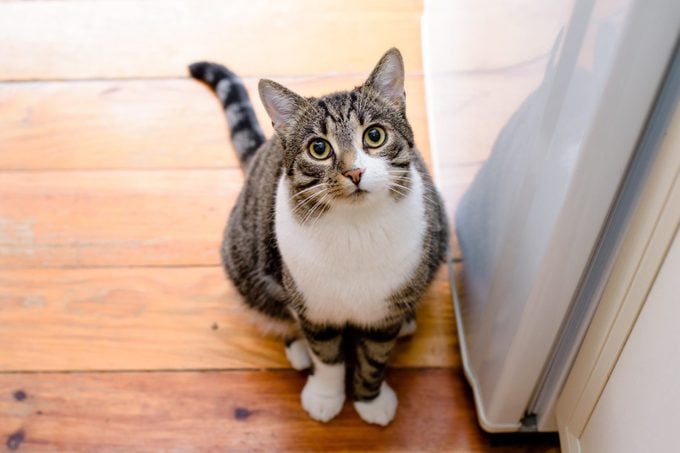
Credit: www.rd.com
Addressing Common Challenges
House training a cat can bring some challenges. Many cats do not use the litter box right away. Some avoid it completely. Other times, having more than one cat causes trouble. Health problems can also stop training progress. Understanding these common issues helps you find the right solution. Below are tips to handle these challenges and keep training on track.
Dealing With Avoidance Behavior
Some cats avoid the litter box due to fear or bad experiences. The box might be dirty or in a noisy spot. Cats prefer quiet, clean places. Try these ideas to help:
- Clean the box daily to remove smells
- Move the box to a calm, private area
- Use a litter type your cat likes
- Give gentle encouragement and praise
Watch your cat’s reactions. Patience is key to change this behavior.
Managing Multiple Cats
With more cats, litter box issues can increase. Cats may compete or block each other. Each cat needs enough space and resources. Follow these tips for harmony:
- Provide one litter box per cat, plus one extra
- Place boxes in different rooms or corners
- Keep boxes clean to avoid fights
- Observe for bullying or stress signs
Separate cats during feeding and litter time if needed.
Health Issues Affecting Training
Health problems often cause litter box avoidance. Urinary tract infections and digestion issues are common. Pain may make cats avoid the box. Look for these signs:
- Frequent attempts to urinate or defecate
- Straining or crying during bathroom use
- Sudden accidents outside the box
Visit a vet to check your cat’s health. Treating illness improves training success and comfort.
Reinforcing Good Habits
Reinforcing good habits is key to successful cat house training. Cats learn best through clear signals and consistent feedback. Positive experiences help them understand what behaviors you want. Consistency makes habits stronger and reduces confusion. Tracking their progress lets you adjust training as needed. This section explores ways to encourage good litter box habits effectively.
Positive Reinforcement Techniques
Reward your cat immediately after it uses the litter box correctly. Use treats, gentle petting, or soft praise sounds. This helps your cat link the behavior with a positive outcome. Avoid punishment, which can cause fear and confusion. Instead, focus on encouraging good actions with rewards. Keep rewards small and frequent during training.
Establishing Consistent Routines
Keep your cat’s feeding and litter box times regular. Cats feel secure with a predictable schedule. Place the litter box in the same quiet, accessible spot always. Clean the box daily to encourage use. Consistent routines reduce stress and help your cat build good habits faster.
Monitoring Progress
Watch your cat’s litter box use closely each day. Note any accidents or avoidance behaviors. Adjust the litter type or box location if problems persist. Celebrate small successes to stay motivated. Patience is important; some cats take longer to learn than others. Keep a journal to track improvements and setbacks.
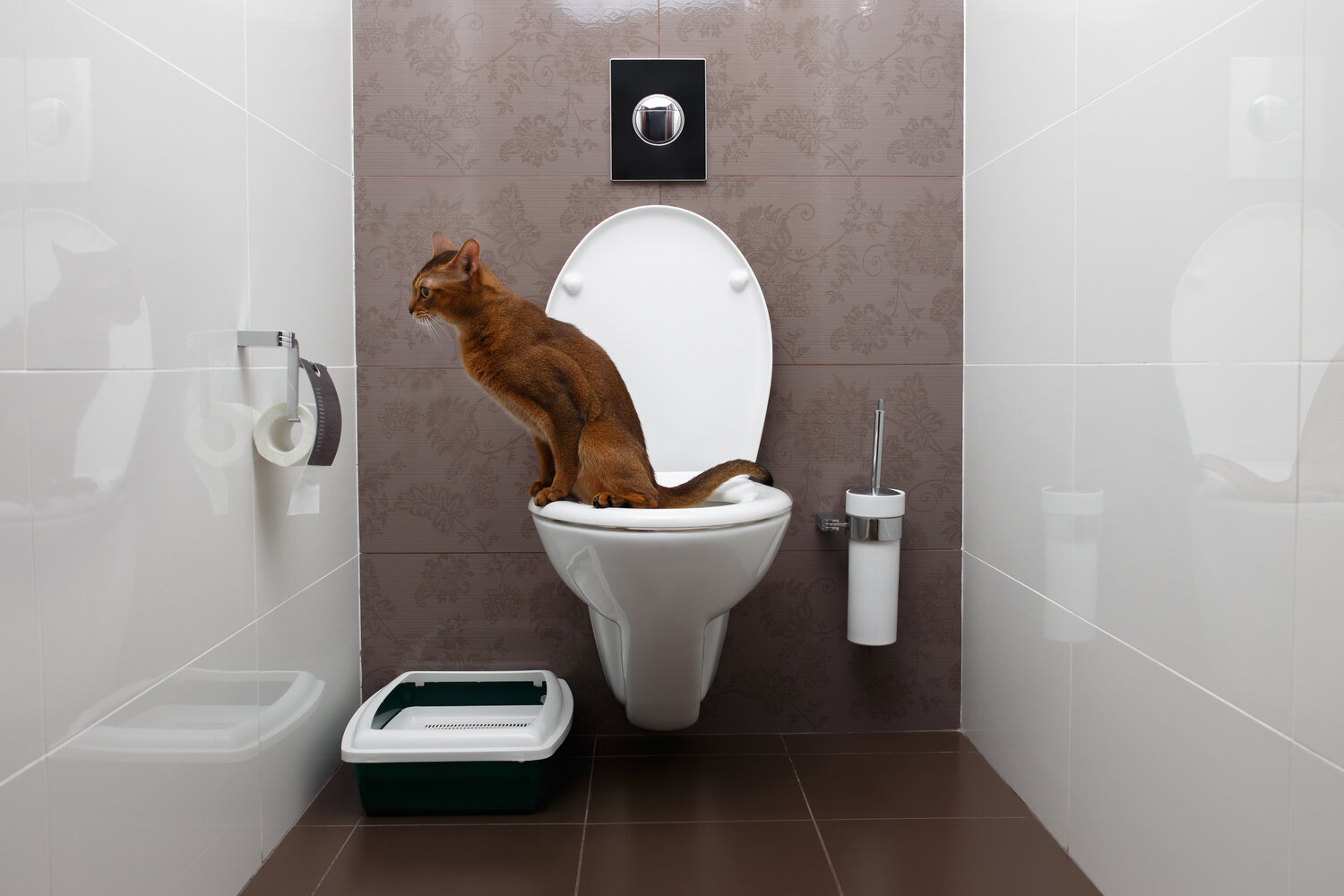
Credit: visapoint.travel
Frequently Asked Questions
How To Start House Training A Cat?
Begin by setting up a litter box in a quiet, accessible area. Show your cat the box and encourage use by placing them inside after meals or naps. Keep the box clean to promote regular use.
How Long Does It Take To House Train A Cat?
House training a cat can take a few weeks. Consistency and patience are key. Some cats learn faster than others. Regularly clean the litter box and maintain a routine for best results.
What If My Cat Refuses The Litter Box?
If your cat refuses the litter box, check for cleanliness or stress factors. Ensure the box is in a quiet location. Try different litter types and consult a vet if refusal persists.
Can Kittens Be House Trained Easily?
Kittens are usually easier to house train than adult cats. They adapt quickly to routines. Start training early with positive reinforcement and patience. Ensure the litter box is kitten-accessible and regularly cleaned.
Conclusion
Training a cat takes patience and gentle care. Start with a clean litter box in a quiet spot. Praise your cat when it uses the box correctly. Watch for signs if your cat needs help. Stay calm and consistent every day.
Small steps lead to big progress. Soon, your cat will learn good habits. Enjoy a happy home with a well-trained pet.
