

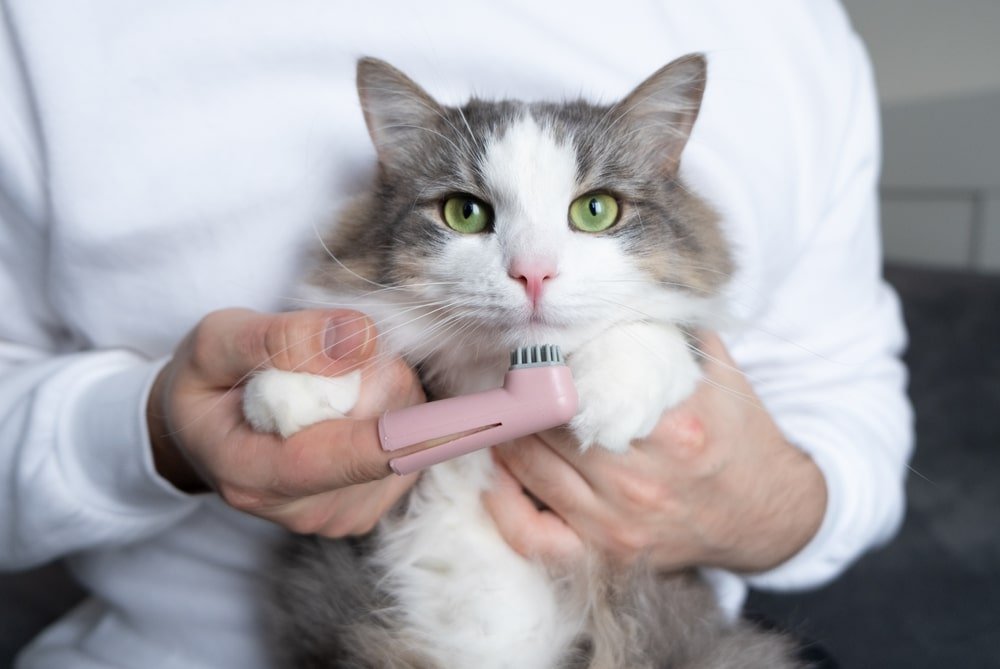
Grooming your cat is more than just keeping them clean—it’s a way to strengthen your bond and keep them healthy and happy. But how do you groom your cat without stress or fuss?
Whether your feline friend loves the brush or hides under the bed, this guide will show you simple, effective steps that make grooming easy for both of you. Ready to discover tips that will transform grooming time into a calm and enjoyable experience?
Keep reading, and you’ll learn exactly how to care for your cat’s coat like a pro.
Credit: petdirect.co.nz
Choosing The Right Tools
Choosing the right tools is key to effective cat grooming. The right tools make grooming easier and more comfortable for your cat. Every cat has different needs based on their coat type and skin sensitivity. Using proper tools keeps your cat’s fur healthy and reduces shedding. It also helps prevent matting and skin problems. Investing in quality grooming supplies saves time and stress for both of you.
Brush Types For Different Coats
Different coats require specific brushes to keep fur smooth and clean.
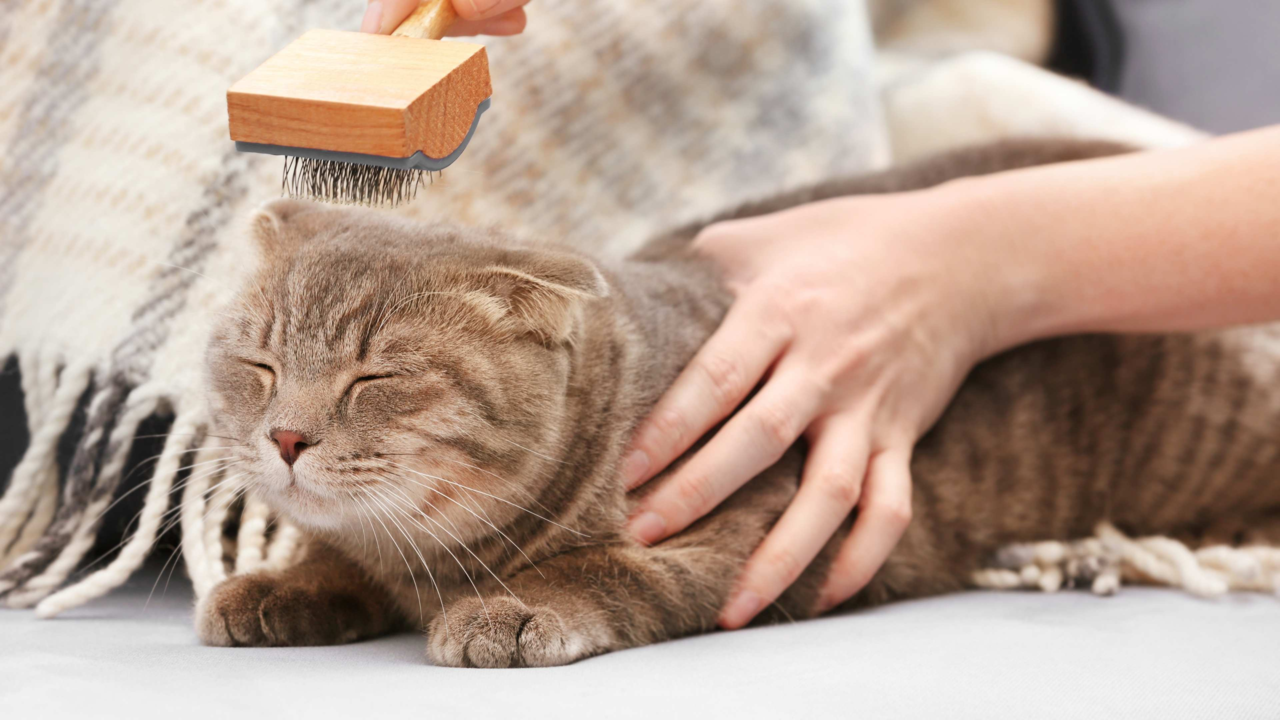
- Slicker Brushes:Best for long-haired cats. They remove tangles and loose fur.
- Bristle Brushes:Suitable for short-haired cats. They spread natural oils and shine.
- Pin Brushes:Good for medium to long coats. They untangle without hurting the skin.
- Rubber Brushes:Ideal for cats with sensitive skin. They gently remove loose hair.
- Undercoat Rakes:Used for thick or double coats. They remove dead undercoat fur.
Essential Grooming Supplies
Besides brushes, some tools make grooming safer and easier.
- Comb:Helps remove small tangles and check for fleas.
- Nail Clippers:Keep claws trimmed to avoid scratches.
- Grooming Scissors:Trim mats and fur around sensitive areas.
- Grooming Gloves:Useful for gentle grooming and massaging.
- Towels:Needed for cleaning and drying your cat.
Safe Grooming Products
Use only products made for cats to protect their skin and health.
- Cat Shampoos:Formulated to be gentle and non-toxic.
- Conditioners:Help keep fur soft and reduce tangles.
- Detangling Sprays:Make brushing easier without hurting the cat.
- Ear Cleaners:Safe solutions for ear hygiene.
- Flea Treatments:Use vet-approved products to avoid harm.
Preparing Your Cat
Preparing your cat for grooming is a crucial step that sets the tone for a positive experience. Cats are sensitive creatures, and rushing into grooming without proper preparation can lead to stress or resistance. Taking time to prepare your cat helps build trust and makes grooming easier for both of you.
Creating A Calm Environment
Start by choosing a quiet, comfortable space where your cat feels safe. Avoid loud noises, strong smells, or busy areas that might make your cat anxious.
Soft lighting and gentle background sounds, like calm music or the hum of a fan, can help keep your cat relaxed. You might notice your cat settles more quickly in a familiar spot with their favorite blanket or bed nearby.
Getting Your Cat Comfortable
Before grooming, spend a few minutes petting your cat gently to build comfort. Focus on areas they enjoy being touched, like behind the ears or under the chin.
If your cat is new to grooming, introduce the tools slowly. Let your cat sniff the brush or comb and reward them with a treat afterward. This simple routine can change your cat’s attitude toward grooming tools.
Timing Your Grooming Sessions
Pick a time when your cat is naturally calm, like after a meal or a nap. Trying to groom a hyper or hungry cat often leads to frustration for both of you.
Keep sessions short at first—just a few minutes—and gradually increase as your cat gets used to the process. Have you noticed how your cat’s mood changes during different times of the day? Use that to your advantage.
Brushing Techniques
Brushing your cat regularly helps keep their coat healthy and shiny. It removes loose fur and dirt. Brushing also reduces hairballs and prevents skin problems. Using the right brushing techniques suits your cat’s coat type and comfort. This section explains how to brush different kinds of cat fur effectively.
Brushing Short-haired Cats
Short-haired cats need gentle brushing to remove loose fur and dirt. Use a soft-bristle brush or rubber grooming mitt. Brush in the direction of hair growth. Focus on areas like the neck, back, and tail base. Brush for 5 to 10 minutes, a few times a week. Short sessions keep your cat relaxed and happy.
Handling Long-haired Cats
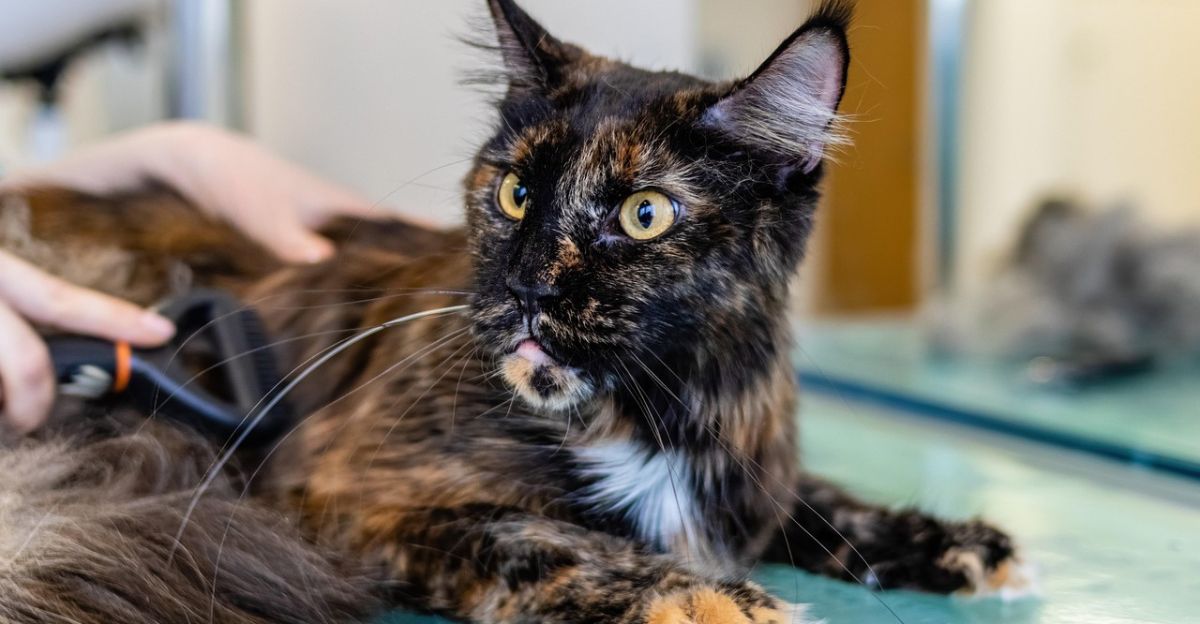
Long-haired cats need more frequent brushing to prevent tangles. Use a wide-toothed comb or slicker brush. Start brushing at the head and work down to the tail. Be gentle around sensitive spots like the belly and legs. Brush daily to stop mats from forming. Regular brushing keeps their coat soft and smooth.
Dealing With Mats And Tangles
Mats and tangles can hurt your cat’s skin. Use a detangling spray made for pets to soften knots. Gently work through mats with your fingers first. Use a wide-toothed comb to loosen stubborn tangles. Cut out only very tight mats with scissors, carefully. Regular brushing prevents mats from growing large and painful.

Credit: www.purina.com
Bathing Your Cat
Bathing your cat might sound daunting, but it’s sometimes necessary to keep them clean and healthy. Cats are usually great at grooming themselves, but certain situations call for a bath. Knowing when and how to bathe your cat can make the experience smoother for both of you.
When To Bathe Your Cat
Not all cats need regular baths. Bathing is best reserved for when your cat gets into something sticky, dirty, or smelly that they can’t clean off themselves.
If your cat has a skin condition, your vet might recommend bathing with a special shampoo. Older or overweight cats might also benefit from baths if they struggle to groom hard-to-reach spots.
Ask yourself, is your cat visibly dirty or has an odor? If yes, it’s time to consider a bath.
Step-by-step Bathing Process
- Gather all supplies first: cat shampoo, a cup for rinsing, a towel, and a non-slip mat for the sink or tub.
- Brush your cat gently before the bath to remove loose fur and tangles. This helps prevent mats from getting worse when wet.
- Use lukewarm water and wet your cat slowly, avoiding the head and ears to keep them comfortable.
- Apply a small amount of cat-specific shampoo, lather gently, and be sure to clean legs, belly, and tail.
- Rinse thoroughly with clean, lukewarm water to remove all shampoo. Leftover soap can irritate their skin.
Drying Tips
After the bath, wrap your cat in a large, soft towel and gently pat them dry. Avoid rubbing vigorously to prevent tangling their fur.
If your cat tolerates it, use a hairdryer on the lowest heat and speed settings, keeping it several inches away. Otherwise, let them air dry in a warm, draft-free room.
Make drying a calm and positive experience. Have treats ready to reward your cat for their patience.
Nail Care Tips
Nail care is a crucial part of keeping your cat comfortable and healthy. Overgrown nails can cause discomfort, snag on fabrics, or even lead to injury. Paying attention to your cat’s nails not only protects your furniture but also prevents painful nail breakage or infections.
Trimming Nails Safely
Choose a quiet moment when your cat is calm or sleepy. Gently hold their paw and press to extend the nails. Cut only the sharp tip, avoiding the pink area called the quick, which contains nerves and blood vessels.
If you’re nervous, trim a little at a time. Use a steady hand and speak softly to soothe your cat. If your cat resists, pause and try again later—forcing it can create negative associations.
Tools For Nail Care
- Cat nail clippers:These come in scissor or guillotine styles, designed specifically for small, delicate nails.
- Styptic powder or pencil:Useful to stop bleeding if you accidentally cut the quick.
- Nail files or grinders:These smooth rough edges and can be less stressful for some cats.
Having the right tools makes the process quicker and safer. What tools do you find easiest to use with your cat?
Signs Your Cat Needs Nail Attention
Check your cat’s paws regularly for signs of nail issues. If you notice your cat scratching furniture more than usual, it might be time for a trim. Also, look for nails curling into the paw pads, which can cause pain or infections.
Does your cat seem uncomfortable walking or hiding their paws? These could be signs their nails are too long or damaged. Regularly inspecting nails helps catch problems early before they become serious.
Ear And Eye Care
Taking care of your cat’s ears and eyes is crucial for their overall health and comfort. These areas are sensitive and prone to infections or irritation if not cleaned properly. Regular attention helps you spot issues early and keeps your feline friend happy and healthy.
Cleaning Ears Gently
Cat ears can collect dirt, wax, and debris that may cause discomfort or infection. Use a damp cotton ball or a soft cloth to wipe the visible part of the ear gently. Avoid using cotton swabs inside the ear canal, as they can cause damage or push debris deeper.
Choose a vet-recommended ear cleaner if necessary, and apply it sparingly. Watch your cat’s reaction—if they show signs of pain or irritation, stop and consult your vet. Cleaning ears once every few weeks is usually enough unless your cat has specific issues.
Handling Eye Discharge
It’s normal for cats to have some eye discharge, especially after waking up. Use a soft, damp cloth or a clean cotton pad to wipe away crust or tears from the corners of the eyes. Always wipe from the inside corner outward to avoid spreading bacteria.
If you notice excessive tearing, redness, or thick discharge, keep a close eye on your cat. These can be signs of allergies, infections, or other eye conditions. Keeping your cat’s face clean helps prevent irritation and makes them more comfortable.
When To See A Vet
Knowing when to seek professional help can save your cat from serious health problems. If your cat’s ears smell bad, are red, swollen, or your cat scratches them constantly, it’s time for a vet visit. Similarly, persistent eye redness, swelling, or discharge that doesn’t improve after cleaning requires veterinary attention.
Don’t wait if your cat shows signs of pain or changes in behavior related to their ears or eyes. Early treatment can prevent complications. Have you ever noticed subtle signs your cat was uncomfortable before it became obvious? Paying attention to these details can make a big difference.
Dealing With Grooming Challenges
Grooming your cat can sometimes be a test of patience and creativity. Not every feline welcomes brushing or nail trimming with open paws. Understanding how to navigate these grooming challenges can make the experience better for both you and your cat.
Handling A Nervous Cat
Many cats feel anxious during grooming because it’s unfamiliar or uncomfortable. To ease their nerves, try to create a calm environment by choosing a quiet room and speaking in soft tones.
Start with very short grooming sessions—just a few minutes—and slowly increase the time as your cat gets used to it. Using treats or gentle petting before and after grooming can help build positive associations.
Have you noticed what triggers your cat’s anxiety? Is it the sound of the brush or the sensation of being held? Identifying these can help you adjust your approach and make grooming less stressful.
Avoiding Common Grooming Mistakes
- Rushing the process:Hurrying can scare your cat and lead to scratches or bites. Take your time and be patient.
- Using the wrong tools:Brushes and combs designed for your cat’s fur type prevent discomfort and tangles.
- Neglecting regular grooming:Skipping sessions can cause mats and skin problems that are harder to fix later.
Have you ever tried grooming without the right brush? It often makes the fur worse, not better. Adjusting your tools can make a surprising difference.
When To Seek Professional Help
Sometimes, grooming challenges go beyond what you can handle at home. If your cat has severe mats, skin infections, or behaves aggressively during grooming, a professional groomer or vet can step in.
Professionals have the skills and equipment to safely manage difficult grooming tasks. Don’t hesitate to ask for advice or assistance—your cat’s comfort and health come first.
Have you ever felt stuck trying to groom your cat? Knowing when to get help can save stress and keep your cat happy and healthy.
Benefits Of Regular Grooming
Regular grooming is more than just a routine for your cat; it has several positive effects that improve their overall well-being. By setting aside time to groom your cat, you help maintain their health and happiness in ways that might surprise you. Let’s look at some key benefits that show why grooming is essential for every cat owner.
Improved Coat Health
Grooming removes dirt, loose hair, and debris from your cat’s coat, preventing matting and tangles. This keeps their fur soft, shiny, and more comfortable to touch. Have you noticed how your cat’s coat looks after a good brushing? It often shines brighter and feels smoother because grooming stimulates natural oils in the skin that protect and moisturize the fur.
Early Detection Of Health Issues
While grooming, you get a close look at your cat’s skin, ears, teeth, and nails. This regular check helps spot problems like lumps, bumps, cuts, or parasites early on. Catching these issues before they worsen can save your cat from pain and expensive vet visits. Have you ever discovered something unusual on your cat during grooming? It’s a real chance to act quickly and keep your pet healthy.
Strengthening Your Bond
Grooming sessions create quiet, focused time with your cat that builds trust and affection. Your cat learns to enjoy being handled, making vet visits and other care routines easier. Plus, the gentle strokes during brushing can be relaxing for both you and your pet. Have you noticed how your cat purrs or leans into your touch during grooming? That’s your connection growing stronger, one brush stroke at a time.
Credit: tryfurgo.com
Frequently Asked Questions
How Often Should You Groom Your Cat?
Cats with short hair need grooming once a week. Long-haired cats require daily brushing to prevent mats. Regular grooming reduces hairballs and keeps fur healthy. Adjust frequency based on your cat’s coat and needs.
What Tools Are Best For Cat Grooming?
Use a soft-bristle brush for short hair and a wide-toothed comb for long hair. Slicker brushes remove loose fur effectively. Nail clippers designed for pets help trim claws safely. Choose tools based on your cat’s coat type.
How Can Grooming Improve A Cat’s Health?
Grooming removes dirt, loose fur, and prevents mats. It helps detect skin issues or parasites early. Regular grooming improves blood circulation and reduces shedding. It also strengthens the bond between you and your cat.
When Should You Avoid Grooming Your Cat?
Avoid grooming if your cat is sick, stressed, or injured. If your cat shows signs of pain or discomfort, consult a vet first. Grooming should be gentle and stress-free to ensure a positive experience.
Conclusion
Grooming your cat keeps them healthy and happy. Regular brushing helps reduce shedding and hairballs. It also strengthens the bond between you and your pet. Use gentle tools and be patient during grooming sessions. Watch for any skin changes or signs of discomfort.
Clean their ears and trim nails carefully to avoid problems. Make grooming a calm and positive time. Your cat will thank you with purrs and affection. Small daily efforts bring great benefits to your furry friend’s well-being.
