

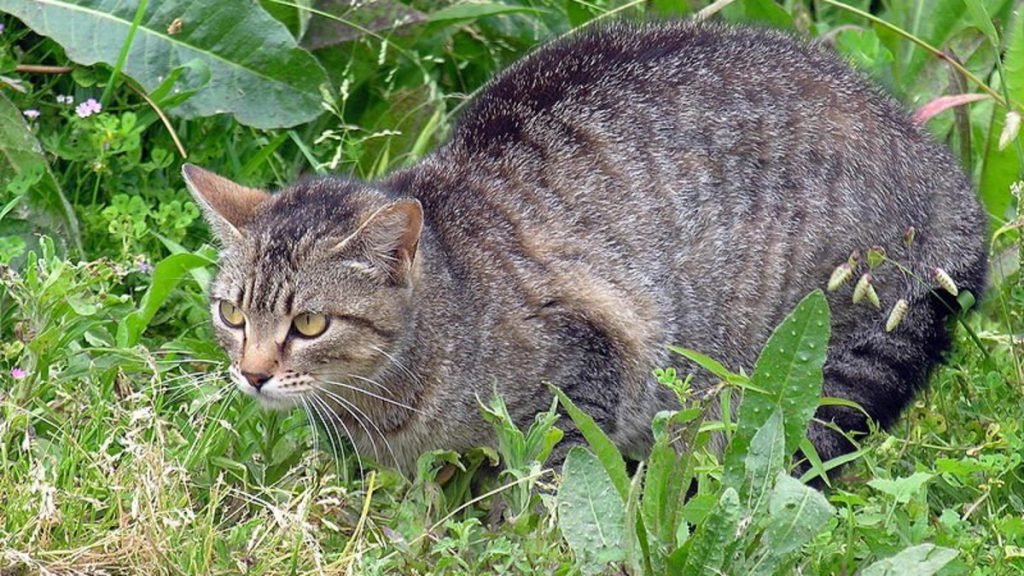
Are you tired of cats invading your backyard and causing chaos? Whether they’re digging up your garden, leaving unwanted messes, or simply making you feel uncomfortable, dealing with these furry visitors can be frustrating.
But don’t worry—you’re not alone, and there are effective ways to gently and safely encourage cats to stay away. You’ll discover simple, practical tips that work without harming the animals or damaging your outdoor space. Keep reading to find out how you can reclaim your backyard and enjoy it the way you want.
Identify Reasons Cats Visit
Understanding why cats are visiting your backyard is the first step to managing their presence effectively. Cats don’t just appear randomly; they are drawn by specific needs or attractions. Identifying these reasons helps you take targeted actions that can make your yard less appealing to them.
Attractive Food Sources
Food is a major reason cats come around. If you feed birds or leave pet food outside, cats see an easy meal. Even uncovered trash cans or compost piles can attract them.
Think about your yard: Are there any scraps or leftovers within their reach? Removing or securing these food sources can quickly reduce their visits.
Shelter And Hiding Spots
Cats look for safe, quiet places to rest and hide. Dense bushes, woodpiles, and sheds provide perfect cover. I once had a neighbor’s cat hiding under my garden bench because it felt safe there.
Look for any cozy corners or dark spaces in your yard. Clearing these areas or blocking access can discourage cats from settling in.
Breeding And Territory
Cats are territorial animals. If there’s a female in heat nearby, males will be drawn to your yard. Also, unneutered males mark territory with strong scents that invite other cats.
Ask yourself if you’ve seen multiple cats or signs of spraying. Spaying or neutering local pets and removing scent markers can help break the cycle of visits.

Credit: www.amazon.co.uk
Use Natural Deterrents
Using natural deterrents is a safe and effective way to keep cats out of your backyard without causing them harm. These options rely on smells and textures that cats dislike, making your space less inviting. Plus, they are easy to apply and often use ingredients you might already have at home.
Citrus Peels And Coffee Grounds
Cats strongly dislike the smell of citrus. Placing orange, lemon, or lime peels around your garden can help keep them away. The peels dry out quickly, so refresh them every few days for the best effect.
Coffee grounds also work well as a natural cat repellent. Sprinkle used grounds around flower beds or near entry points. The strong scent deters cats and adds nutrients to your soil at the same time.
Vinegar And Essential Oils
Vinegar’s sharp smell is unpleasant to cats. Mix equal parts of water and vinegar in a spray bottle and lightly mist areas where cats frequent. Be careful not to spray directly on plants as vinegar can harm them.
Essential oils like lavender, eucalyptus, or citronella can be mixed with water to create a cat-repelling spray. Test a small area first to avoid any damage to plants. Remember, strong scents can be overwhelming, so use sparingly.
Commercial Repellents
If natural ingredients aren’t enough, commercial cat repellents offer another layer of protection. These products often combine natural scents with other deterrents and come in spray, granule, or ultrasonic forms.
Look for repellents labeled safe for pets and plants. Apply according to instructions, and observe if cats avoid the treated areas. Have you noticed certain repellents work better in different weather? Experiment to find what suits your backyard best.
Modify Your Backyard
Modifying your backyard is a practical way to discourage cats from hanging around. Cats are attracted to easy food, water, and cozy shelters. Changing these factors can make your yard less appealing to them and help keep your outdoor space cat-free.
Remove Food And Water
Cats often visit backyards because they find food or water sources. Make sure you don’t leave pet food outside overnight. Also, clean up any fallen fruit or birdseed that might attract them.
Check for open water sources like pet bowls, birdbaths, or leaking hoses. Drying these up can reduce the cats’ interest. Have you noticed where cats usually hang out? Removing food and water from those spots can be especially effective.
Secure Trash And Compost
Trash cans and compost piles are treasure troves for cats looking for scraps. Use bins with tight-fitting lids to keep them shut. If possible, place trash cans inside a shed or garage to limit access.
Compost should be covered with a secure lid or stored in a closed container. This prevents cats from digging or sniffing around. Think about how easy it is for cats to get into your waste — making it harder will encourage them to look elsewhere.
Eliminate Shelter Options
Cats like hiding in quiet, sheltered places like under decks, sheds, or dense shrubs. Inspect your yard for these spots and block access where you can. Use wire mesh or boards to close off areas beneath structures.
Trim back thick bushes and remove piles of wood or leaves that might serve as hiding places. Less shelter means fewer reasons for cats to stay. Could your backyard be more open and less inviting for these sneaky visitors?
Install Physical Barriers
Installing physical barriers is one of the most effective ways to keep cats out of your backyard. These barriers create a clear boundary that cats find hard to cross, reducing their access to your garden or outdoor space. You don’t have to spend a fortune or make your yard look unwelcoming—simple tools can make a big difference.
Fencing And Netting
Adding fencing or netting around your garden is a straightforward way to block cats. Choose materials like chicken wire or garden netting that are easy to install and durable. Make sure the fence is tall enough—cats can jump quite high, so at least 6 feet is ideal.
Consider angling the top of the fence outward to make climbing harder. You might also bury some netting a few inches underground to stop cats from digging underneath. Have you noticed cats slipping through small gaps? Sealing those holes can be more effective than you think.
Motion-activated Sprinklers
Motion-activated sprinklers surprise cats with a quick burst of water when they enter your yard. Most cats dislike sudden sprays and will avoid the area after a few encounters. These sprinklers cover a wide area and can be adjusted to detect small movements like those of cats.
Setting one up near common entry points can quickly deter unwanted visitors. Plus, your plants benefit from the extra watering. What if you could deter cats without harming them or using chemicals? This method does exactly that.
Ultrasonic Devices
Ultrasonic devices emit high-frequency sounds that only animals like cats can hear. These sounds are unpleasant to cats but go unnoticed by humans. Place these devices strategically around your backyard to create an invisible sound barrier.
They work best in quiet areas, as loud background noise can reduce their effectiveness. Some models are portable, letting you adjust their positions based on cat activity. Have you tried this tech-savvy solution to keep your yard cat-free?
Employ Humane Trapping
Employing humane trapping is a responsible way to address cats in your backyard without causing harm. It allows you to catch the animals safely and decide on the best course of action. This method respects the well-being of the cats and helps maintain a peaceful environment for you and your neighbors.
Choosing The Right Trap
Not all traps are created equal. Look for live traps designed specifically for cats, which provide enough space for the animal to move comfortably. Avoid traps that cause injury or stress, such as snap traps or glue boards.
Consider traps with a sensitive trigger mechanism to ensure the cat is caught quickly and safely. You can find humane traps at local pet stores or online retailers. Setting the trap in a quiet, shaded spot increases your chances of success.
Safe Handling Practices
After catching a cat, approach the trap calmly to avoid frightening the animal. Wear thick gloves to protect yourself from scratches or bites. Never try to handle the cat directly without proper protection.
Keep the trap covered with a towel or blanket to reduce the cat’s stress. Make sure to check the trap frequently so the cat isn’t left inside for too long. Handling cats with care prevents injury and keeps the process humane.
Relocation Considerations
Before moving a trapped cat, research local laws about relocating animals. Some areas prohibit releasing cats far from where they were caught. Check if there are nearby shelters or rescue groups that can help.
Think about the cat’s survival chances in a new location. Avoid areas with heavy traffic, predators, or scarce food and water. Your goal is to find a safe spot that won’t cause the cat further harm or create problems for others.

Credit: www.youtube.com
Collaborate With Neighbors
Dealing with unwanted cats in your backyard can feel like a solo battle, but teaming up with your neighbors can change everything. When everyone in the community works together, solutions become more effective and long-lasting. This collective effort not only addresses the immediate issue but also promotes a safer environment for both people and animals.
Community Awareness
Start by talking to your neighbors about the cat situation. You might find others are experiencing the same problem but haven’t spoken up yet. Sharing observations can reveal patterns, such as where the cats gather or when they’re most active.
Creating a community group or social media page helps spread information quickly. You can share tips on discouraging cats from certain areas or alert each other about new strays. Have you ever noticed how a few voices together get more attention than one?
Shared Solutions
Working together means you can try solutions that require more than one person. For example, installing motion-activated sprinklers or ultrasonic repellents on multiple properties can keep cats from entering the neighborhood altogether. These tools work best when used consistently by several households.
You can also coordinate feeding policies. Agreeing not to feed strays or setting up a single feeding spot away from yards reduces the chance of cats wandering into unwanted areas. Have you thought about how consistent rules might change animal behavior?
Managing Stray Populations
Stray cats often multiply quickly, making the problem worse. Neighbors can work together to support local trap-neuter-return (TNR) programs. This humane approach helps control the population without harm.
Pooling resources to cover veterinary costs or volunteering for trapping efforts makes a big difference. When everyone pitches in, stray cat numbers drop, and your backyard becomes a less attractive spot for them. How could your neighborhood take a stand to protect both the cats and your outdoor spaces?
Credit: dengarden.com
Frequently Asked Questions
How Can I Keep Cats Away From My Backyard?
Use natural repellents like citrus peels or coffee grounds. Motion-activated sprinklers and ultrasonic devices also deter cats effectively. Keep your yard clean and remove food sources to avoid attracting them.
What Plants Repel Cats Naturally?
Plants like lavender, rosemary, and rue repel cats. Their strong scents are unpleasant to cats and help keep them away. Plant these around your backyard for a natural barrier.
Are Humane Traps Effective For Removing Cats?
Yes, humane traps capture cats safely without harm. Once trapped, you can relocate them to a safer area. Always check local laws before trapping and relocating cats.
Can Fencing Prevent Cats From Entering My Yard?
Yes, installing cat-proof fencing can block cats. Use fencing with small mesh or add an angled top to prevent climbing. This physical barrier limits cat access effectively.
Conclusion
Cats can be a challenge in your backyard. Try safe and gentle ways to keep them away. Use smells and barriers that cats dislike. Keep your yard clean and remove food sources. Patience is key; results may take time. Respect animals while protecting your space.
Small changes can make a big difference. You control your yard’s comfort and safety. Stay calm and consistent with your efforts. Your peaceful backyard is possible with simple steps.
