

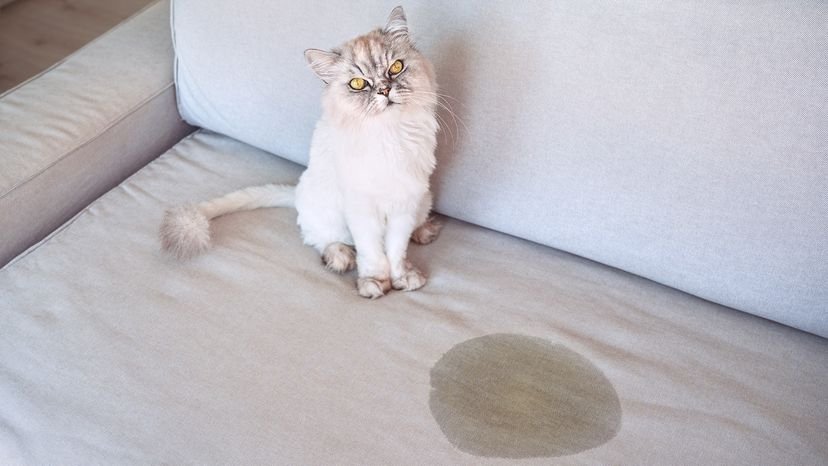
You love your cat, but when that sharp, unpleasant pee smell lingers on your couch, it can feel impossible to ignore. You want your home to smell fresh and clean, not like a litter box.
The good news? You don’t have to replace your couch or cover up the smell with air fresheners that only mask the problem. You’ll discover simple, effective steps to completely remove that stubborn cat pee odor from your couch. Keep reading, because your comfort and a fresh-smelling home are closer than you think.
Identify The Source
Before you can tackle the stubborn cat pee smell in your couch, you need to find exactly where it’s coming from. Identifying the source is crucial because cleaning the wrong spot won’t solve the problem—and the smell will linger. Sometimes, the smell is stronger in one area, but the actual stain might be hidden or spread beneath the cushions.
Think about your cat’s behavior. Have you noticed a particular spot they seem to favor? Cats often return to the same place, so pinpointing this area can save you time and effort. Don’t just rely on your nose—use some simple tricks to find the exact source.
Look For Visible Stains And Discoloration
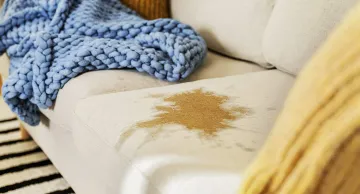
Start by carefully examining your couch cushions, seams, and crevices for any signs of discoloration or damp spots. Cat urine often leaves a yellowish mark or a slightly darker patch on fabric. Even if it’s dried, these spots can be visible under bright light or sunlight.
Check under the cushions and along the edges where urine might have seeped through. Sometimes, the stain is hidden but the smell is strong, so don’t overlook these areas.
Use A Blacklight To Detect Hidden Urine
A blacklight can be a game changer for finding hidden cat pee spots. When you shine it over the couch in a dark room, dried urine stains will glow a bright yellow-green color. This makes it easier to see spots you wouldn’t notice otherwise.
Make sure to turn off all other lights and slowly scan every inch of your couch. This method often reveals multiple spots you didn’t know existed, giving you a clear target for cleaning.
Smell Test To Pinpoint Strong Odor Areas
Sometimes, your nose is the best tool. Get close to different parts of the couch and sniff carefully. Focus on the areas that smell the strongest—that’s usually where the urine is most concentrated.
Try smelling both the surface and beneath the cushions. If the odor is faint, dampen a cloth slightly and press it against the fabric, then smell the cloth. This can help you detect hidden smells.
Consider Your Cat’s Recent Behavior And Spots
Think about where your cat has been sitting or lounging recently. If you noticed any behavior changes—like your cat avoiding the litter box or marking territory—it could hint at specific spots. Cats sometimes pee on couches when they feel stressed or unwell.
Knowing your cat’s habits will help you focus your search on likely areas, making your cleaning more effective. Have you noticed a pattern in their behavior that could guide you?
Immediate Actions
Dealing with cat pee on your couch requires quick action to prevent the smell from settling in. The longer the urine stays, the harder it becomes to remove the odor completely. Immediate steps can make a huge difference in keeping your couch fresh and stain-free.
Blot The Stain
Start by blotting the wet area with paper towels or a clean cloth. Press gently to absorb as much urine as possible without spreading it further.
Think about the last time you tried wiping a spill by dragging a cloth across it—did it help or make things worse? Blotting helps avoid pushing the liquid deeper into the fabric or cushions.
Keep blotting until no more moisture transfers to the cloth. This step significantly reduces the odor and damage right away.
Avoid Rubbing
Resist the urge to rub the stain vigorously. Rubbing can push the urine deeper into the couch fibers and padding, making cleanup tougher.
Instead, use a gentle dabbing motion if you need to lift the stain. Imagine trying to clean a delicate painting; harsh movements only cause harm.
By avoiding rubbing, you protect your couch’s material and improve the chances of removing the smell completely later on.
Natural Cleaning Solutions
Natural cleaning solutions offer a safe and effective way to remove cat pee smell from your couch without harsh chemicals. These remedies are easy to prepare with ingredients you likely have at home. Plus, they minimize the risk of damaging your furniture or irritating your skin.
Vinegar And Water
Mix equal parts of white vinegar and water in a spray bottle. Vinegar neutralizes the ammonia smell in cat urine, breaking down the odor molecules.
Spray the solution generously on the affected area and let it sit for 10 to 15 minutes. Blot the spot with a clean cloth to absorb the liquid, then allow it to air dry.
If the smell persists, repeat the process. You’ll be surprised how this simple solution can refresh your couch without leaving a strong vinegar scent behind.
Baking Soda Magic
After the vinegar solution dries, sprinkle a good layer of baking soda over the spot. Baking soda absorbs moisture and odors, making it perfect for stubborn smells.
Leave the baking soda on the couch for several hours or overnight if possible. Then vacuum it up thoroughly.
This combination of vinegar and baking soda creates a powerful duo that tackles the smell naturally. Have you tried this approach yet? You might find it easier and safer than chemical cleaners.

Credit: www.bissell.com
Commercial Cleaners
Commercial cleaners offer a powerful option to tackle the stubborn cat pee smell in your couch. These products are designed specifically to break down urine compounds and eliminate odors effectively. Choosing the right cleaner can save you time and reduce frustration.
Enzyme-based Products
Enzyme-based cleaners work by targeting the proteins in cat urine. They break down the urine molecules, which stops the smell at its source instead of just masking it.
Many pet owners swear by enzyme cleaners because they actually remove the odor. I once tried a popular enzyme cleaner after multiple attempts with regular soap and water, and the smell disappeared within hours.
When using these products, make sure to saturate the affected area thoroughly. Let the cleaner sit for at least 10-15 minutes to allow enzymes to work fully before blotting or rinsing.
Odor Neutralizers
Odor neutralizers don’t just cover up smells—they chemically alter the odor molecules to stop them from smelling bad. This can be especially helpful if your couch has lingering urine smells after cleaning.
Look for neutralizers containing activated charcoal or baking soda, as they absorb odors effectively. Some sprays also add a fresh scent, making your couch smell clean and inviting again.
Try combining an enzyme cleaner with an odor neutralizer for a double-action effect. Have you noticed how some sprays make a room smell better instantly? That’s the power of odor neutralizers working on tough pet odors.
Deep Cleaning Techniques
Deep cleaning is essential to remove cat pee smell from your couch effectively. Surface cleaning only hides the odor temporarily. Deep cleaning reaches the fibers and removes the smell at its source. This process often requires special tools and products designed for upholstery.
Using heat or strong cleaning agents helps break down urine compounds. It also kills bacteria that cause bad odors. Below are two powerful deep cleaning techniques to restore freshness to your couch.
Steam Cleaning
Steam cleaning uses hot vapor to clean deep inside couch fabric. The heat loosens dirt and urine residues trapped in fibers. It also sanitizes the area, killing odor-causing bacteria.
Here is how steam cleaning helps:
- Penetrates fabric layers to remove trapped urine.
- Eliminates bacteria and germs.
- Dries quickly compared to water-based cleaning.
Rent a steam cleaner or hire a professional. Make sure to use upholstery-safe settings to avoid damage. Steam cleaning offers a thorough clean without harsh chemicals.
Upholstery Shampoo
Upholstery shampoo is made to clean and deodorize fabric furniture. It breaks down stains and neutralizes odors at the same time. This method is especially useful for stubborn cat pee smells.
Follow these tips for best results:
- Test the shampoo on a small hidden spot first.
- Apply evenly and scrub gently with a soft brush.
- Use warm water to rinse and extract dirt.
- Allow the couch to dry completely in a well-ventilated area.
Shampooing removes dirt, urine, and odor-causing bacteria effectively. It refreshes the couch and helps prevent future smells.

Credit: www.youtube.com
Preventive Measures
Preventing cat pee smell on your couch saves time and effort. Taking steps before accidents happen protects your furniture. Simple habits and tools help keep your couch fresh and clean. Here are key ways to avoid unwanted odors and stains.
Training Your Cat
Teach your cat to use the litter box consistently. Place the box in a quiet, easy-to-reach spot. Keep it clean by scooping daily and changing litter often. Praise your cat when it uses the box correctly. Watch for signs of stress or illness that cause accidents. Use gentle correction if your cat pees outside the box. Consistent training reduces the chance of couch accidents.
Protective Covers
Use washable covers on your couch to block odors and stains. Choose waterproof materials like vinyl or nylon. These covers are easy to remove and clean regularly. Covers protect fabric from damage and absorb less smell. Consider placing a throw blanket over the cover for extra comfort. This simple step keeps your couch fresh and odor-free.
When To Seek Professional Help
Sometimes, cat pee smell on your couch is too tough to handle alone. Professional help can make a big difference. Experts use special tools and cleaners that remove deep odors. Knowing when to call them saves time and effort.
Strong or old urine stains often need expert treatment. If the smell stays after home cleaning, professionals can find the source and clean it fully.
Signs The Smell Needs Expert Attention
- Persistent odor despite multiple cleanings
- Large or deeply soaked stains
- Visible damage or discoloration on fabric
- Frequent cat accidents in the same spot
- Allergic reactions or respiratory issues in the home
What Professionals Can Do
- Use industrial-grade enzymatic cleaners
- Deep clean upholstery and cushions
- Apply odor neutralizers that last longer
- Repair or replace badly damaged fabric
- Advise on preventing future accidents
Cost And Time Considerations
Professional cleaning costs more than DIY methods. It may take a few hours to a day. The result is often a fresh, odor-free couch. This saves money on replacing furniture later.
Credit: www.bissell.com
Maintaining A Fresh Couch
Keeping your couch smelling fresh after dealing with cat pee can feel like a tough battle. However, maintaining a clean and fresh-smelling couch is all about consistent care and smart habits. Small daily actions can prevent odors from settling in and keep your living space inviting.
Regular Cleaning Routine
Set a schedule for cleaning your couch to stop smells before they start. Vacuuming removes dirt, pet hair, and dander that can trap odors. Wipe down hard surfaces and spot-clean any stains immediately with a pet-safe cleaner.
If your couch has removable covers, wash them regularly according to the label instructions. Steam cleaning can also refresh the fabric deeply without harsh chemicals. Have you noticed how quickly odors return when cleaning is skipped? That’s your cue to stick to a routine.
Air Fresheners
Air fresheners can help mask lingering smells, but choosing the right type is key. Natural options like baking soda or activated charcoal absorb odors without adding strong scents. Place a small bowl of baking soda under the couch or sprinkle it lightly on fabric before vacuuming.
Essential oil diffusers offer a gentle way to add fresh scents without overwhelming your space. Scents like lavender or eucalyptus can create a calming atmosphere while neutralizing pet odors. What scent makes your home feel most comfortable and fresh?
Frequently Asked Questions
How To Remove Cat Pee Smell From Fabric Couch?
Blot the stain immediately with paper towels. Use an enzymatic cleaner to break down urine proteins. Avoid harsh chemicals that can worsen odor. Air dry the area thoroughly for best results.
What Household Items Help Eliminate Cat Urine Smell?
White vinegar and baking soda are effective natural deodorizers. Vinegar neutralizes ammonia, while baking soda absorbs odors. Apply vinegar, let it sit, then sprinkle baking soda and vacuum.
Can Professional Cleaning Remove Cat Pee Odor Completely?
Yes, professional cleaners use specialized enzymes and steam methods. They target deep urine residues that home treatments might miss. This ensures thorough odor removal and couch restoration.
How Long Does Cat Pee Odor Last On Couches?
Without treatment, odor can last weeks or months. Urine soaks deep into cushions and fabric fibers. Prompt cleaning greatly reduces lasting smells and potential staining.
Conclusion
Removing cat pee smell from your couch is possible with patience. Act quickly to clean the spot before the odor sets. Use gentle cleaners that break down urine without harming fabric. Keep your couch dry and well-ventilated to stop smells.
Repeat cleaning if the smell lingers; persistence helps. Your efforts will bring freshness back to your couch. A clean couch means a happier home for you and your cat. Simple steps can make a big difference in odor control.
