


If you have a cat, you want to make sure it stays healthy and happy. One important way to do this is by deworming your cat.
Worms can cause discomfort and serious health problems for your furry friend. But how do you know when to deworm your cat, and what’s the best way to do it? You’ll discover simple, effective steps to keep your cat worm-free.
By the end, you’ll feel confident about protecting your pet from these hidden threats. Keep reading to learn exactly what you need to do!
Common Cat Worms
Cats can get worms easily. These parasites live inside their bodies and cause health problems. Knowing about common cat worms helps keep pets safe. Early detection stops serious issues. Treating worms quickly improves your cat’s comfort and health.
Types Of Worms In Cats
- Roundworms:Long, spaghetti-like worms in the intestines.
- Tapeworms:Flat, segmented worms often seen near the cat’s rear.
- Hookworms:Small worms that attach to the intestines and suck blood.
- Whipworms:Thin worms living in the large intestine.
- Heartworms:Dangerous worms affecting the heart and lungs.
Symptoms To Watch For
- Weight loss despite a good appetite
- Vomiting or diarrhea
- Visible worms or segments in feces or around the anus
- Swollen or bloated belly
- Excessive scratching of the rear
- Lethargy and weakness
- Coughing, in cases of heartworm

Credit: www.youtube.com
Choosing The Right Dewormer
Choosing the right dewormer for your cat is important for effective treatment. Different worms require different medicines. Using the wrong one may not clear the infection. Safety is also a key factor to consider. Some medications suit kittens, while others are for adult cats only. Understanding the options helps you pick the best treatment for your pet’s health.
Types Of Deworming Medications
Dewormers come in many forms. Each targets specific parasites. Common types include:
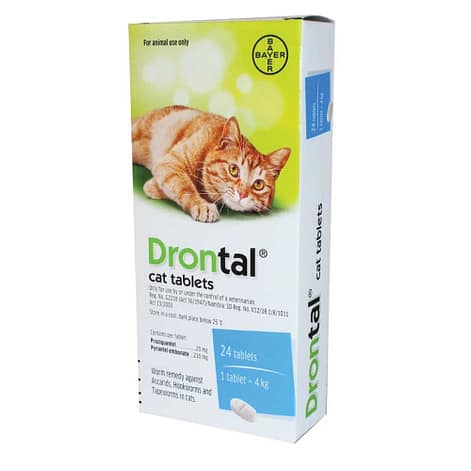
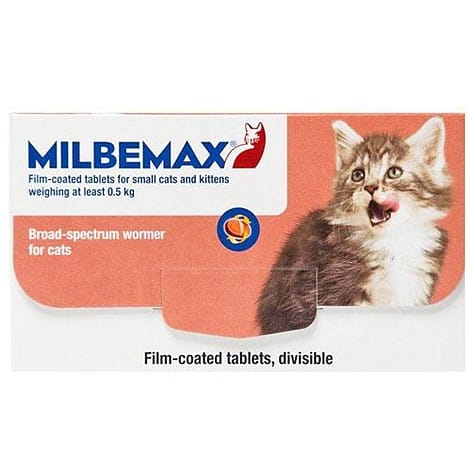
- Tablets and pills:Easy to dose and give orally.
- Liquid suspensions:Useful for cats that resist pills.
- Topical treatments:Applied on the skin, absorbed through it.
- Injectable medications:Administered by a vet for quick action.
Some medicines target roundworms, others kill tapeworms or hookworms. Always check the label for the type of worms it treats.
Consulting Your Veterinarian
Your vet can identify the worm type through tests. They recommend the correct dewormer and dosage. Self-diagnosis can lead to wrong treatment. Your vet also checks for any health issues that affect medicine choice. Follow their advice for safe and effective deworming. Regular vet visits help keep your cat parasite-free.
Administering Deworming Medicine
Administering deworming medicine to a cat requires care and patience. The goal is to ensure the medicine is given correctly and safely. Different types of medicines need different methods. Understanding these methods helps keep your cat healthy and worm-free.
Oral Medication Techniques
Oral medicines come in pills, liquids, or powders. Giving pills can be tricky but doable. Hold your cat gently but firmly. Tilt the head back slightly. Place the pill at the back of the tongue. Close the mouth and stroke the throat to encourage swallowing.
Liquid medicine can be given with a dropper or syringe. Aim for the side of the mouth, not the throat. Go slowly to avoid choking. Some cats accept medicine better if mixed with a small amount of food. Check with your vet before mixing.
Using Topical Treatments
Topical treatments are applied on the skin, usually between the shoulder blades. Part the fur to expose the skin. Squeeze the medicine directly onto the skin. Avoid rubbing it in. The medicine absorbs naturally through the skin. Keep the cat from licking the area until dry.
Handling Difficult Cats
Some cats resist medicine strongly. Use a towel to wrap the cat gently but firmly. This prevents scratching and escaping. Speak softly to calm the cat. Take breaks if needed. Enlist help from another person to hold the cat. Reward your cat with treats after giving medicine.
Credit: pethero.co.za
Preventing Worm Infestations
Preventing worm infestations in your cat is essential for their health and comfort. Worms can cause serious issues, from digestive troubles to more severe complications. Taking practical steps to keep these parasites at bay helps your cat stay happy and energetic.
Hygiene And Environment
Keeping your cat’s environment clean is a top priority. Regularly clean their litter box and wash bedding to remove any worm eggs or larvae. Outdoor cats are more exposed to parasites, so try limiting their hunting or roaming time to reduce risks.
Have you noticed your cat grooming excessively? That could be a sign of irritation caused by worms. Simple hygiene practices can prevent this discomfort and stop reinfestation.
Regular Vet Checkups
Routine visits to the vet play a crucial role in worm prevention. Your vet can recommend the right deworming schedule based on your cat’s age, lifestyle, and risk level. Early detection through fecal exams helps catch infestations before they become serious.
Don’t wait for symptoms like weight loss or vomiting to appear. Regular checkups ensure your cat stays protected and any issues are addressed promptly.
Diet And Lifestyle Tips
A healthy diet supports your cat’s immune system against parasites. Feeding high-quality, balanced food reduces vulnerability to worms. Avoid raw or undercooked meat, which can carry worm larvae.
Keeping your cat active and stress-free also helps. Stress weakens defenses and can make infections worse. Have you tried interactive play to keep your cat engaged and healthy?
When To Seek Veterinary Help
Knowing when to seek veterinary help during your cat’s deworming process can be crucial. Not every case requires a vet visit, but some signs indicate that professional care is necessary to protect your cat’s health. Recognizing these signs early can save your pet from serious complications and give you peace of mind.
Signs Of Severe Infection
If your cat shows any of the following symptoms, it’s time to contact your vet immediately:
- Persistent vomiting or diarrhea:This can lead to dehydration and might signal a heavy worm infestation.
- Weight loss despite a good appetite:Worms can steal nutrients, causing noticeable weight drop.
- Bloody stools or visible worms:These are clear signs of severe infection requiring medical treatment.
- Difficulty breathing or coughing:Some worms affect the lungs, which can be dangerous.
- Extreme lethargy or weakness:If your cat is unusually tired or unresponsive, don’t wait to get help.
I once ignored mild diarrhea in my cat, thinking it would pass, but it worsened quickly. A vet visit revealed a heavy worm load that needed stronger medication. That experience taught me how important it is to act fast.
Follow-up Care
After the initial treatment, your cat still needs monitoring and sometimes additional care.
- Keep an eye on your cat’s behavior and stool consistency.
- Follow your vet’s instructions on repeat doses; missing these can allow worms to come back.
- Schedule follow-up visits to ensure the worms are fully cleared.
- Ask your vet about preventive measures like regular deworming schedules and flea control.
Sometimes, the first round of medication doesn’t clear all worms. Your vet might recommend a second dose or different treatment based on your cat’s response.
Would you be ready to recognize when your cat needs more than just at-home care? Being alert can make all the difference in keeping your furry friend healthy.
Credit: pethero.co.za
Frequently Asked Questions
How Often Should I Deworm My Cat?
Cats should be dewormed every 3 to 6 months. Kittens need more frequent treatments. Consult your vet for a schedule. Regular deworming prevents parasite buildup and health issues.
What Are Common Cat Deworming Medications?
Common medications include pyrantel pamoate, fenbendazole, and praziquantel. These target different parasites like roundworms and tapeworms. Always use vet-recommended products for safety and effectiveness.
Can I Deworm My Cat At Home Safely?
Yes, you can deworm at home with vet-prescribed meds. Follow dosage instructions carefully. Monitor your cat for side effects. Contact your vet if symptoms worsen or persist.
How Do I Know If My Cat Needs Deworming?
Signs include vomiting, diarrhea, weight loss, and a dull coat. Sometimes cats show no symptoms but still have worms. Regular vet check-ups help detect parasites early.
Conclusion
Deworming your cat keeps them healthy and happy. Regular treatment stops worms from causing harm. Always follow your vet’s advice for the best results. Clean your cat’s living area to prevent reinfection. Watch for signs of worms like weight loss or itching.
Treating early helps avoid serious health problems. Keep your cat safe with simple, regular care. A healthy cat means a joyful home for everyone.
