


Adopting a cat is an exciting decision that can bring joy and companionship into your life. But how do you go about it?
If you’ve ever wondered about the steps involved in adopting a furry friend, you’re in the right place. Imagine coming home to the gentle purrs and playful antics of a cat that truly complements your lifestyle. This guide will walk you through the adoption process, ensuring you make informed choices and find the perfect feline companion.
Whether you’re a first-time cat parent or looking to expand your furry family, understanding what to expect can make the journey smoother and more rewarding. Ready to learn how to welcome a cat into your home and heart? Let’s dive in.
Why Adopt A Cat
Choosing to adopt a cat is a kind and rewarding decision. Many cats need loving homes. Adoption gives them a second chance at a happy life. It also brings joy and companionship to your home. Understanding why adoption matters helps make the choice clearer.
Benefits Of Adoption
Adopting a cat saves money compared to buying from breeders. Most shelters provide vaccinations and spaying or neutering. Cats from shelters are usually healthy and checked by vets. Adoption helps reduce the number of homeless animals. It also promotes responsible pet ownership.
Saving A Life
Shelters often have many cats waiting for homes. Some face euthanasia if no one adopts them. Giving a cat a home means saving it from harm. Each adoption creates space for another cat in need. You become a hero to a pet that needs love.
Supporting Shelters
Adoption fees help shelters care for other animals. They fund food, medical care, and shelter maintenance. Supporting shelters keeps them running for future animals. Your choice to adopt helps build stronger animal communities. It shows kindness and respect for all pets.
Choosing The Right Cat
Choosing the right cat is an important step in adopting a pet. The right match makes life happier for both you and your new friend. Consider different factors to find a cat that fits your home and habits. This will help create a strong bond from the start.
Assessing Your Lifestyle
Your daily routine affects the type of cat that suits you. Some cats need lots of attention and playtime. Others prefer quiet and alone time. Think about how much time you spend at home. Also, consider if you have children or other pets. This helps decide which cat will feel comfortable and safe.
Age And Personality
Kittens are playful and need training and patience. Adult cats are calmer and usually already trained. Senior cats often need gentle care and quiet spaces. Watch how a cat behaves before adopting. Some cats are shy, while others are friendly and outgoing. Pick one whose personality matches your own style.
Breed Considerations
Different breeds have unique traits and care needs. Some breeds shed a lot, while others do not. Some cats are very active, others more relaxed. Research breed traits to see what fits your home. Remember, many mixed-breed cats also make great pets. Visit shelters to meet cats and learn about their needs.
Where To Find Cats For Adoption
Finding the right place to adopt a cat is an important first step. Cats need loving homes and there are many places where you can meet them. Each option offers different benefits and types of cats. Knowing where to look helps you find a cat that fits your lifestyle and needs.
Animal Shelters
Animal shelters house many cats waiting for homes. These shelters care for lost, stray, and abandoned cats. Staff at shelters can help match you with a cat based on your preferences. Visiting a shelter allows you to meet several cats face-to-face. Adopting from shelters helps reduce the number of homeless animals.
Rescue Groups
Rescue groups focus on saving cats from harm or neglect. They often work with specific breeds or special needs cats. These groups foster cats in private homes until they find permanent families. Rescue volunteers provide detailed information about each cat’s personality. Choosing a cat from a rescue group supports their mission and saves lives.
Online Platforms
Online platforms list cats available for adoption in various locations. These websites show photos, ages, and descriptions of cats needing homes. You can search by breed, age, or size on many sites. Some platforms connect you directly to shelters or rescue groups. Online tools make it easy to explore many cats before visiting in person.
Preparing Your Home
Preparing your home is key before bringing a new cat inside. Cats need a calm and safe place to settle in. Setting up their space helps reduce stress and makes them feel welcome.
Clear a quiet area for your cat to explore at first. This spot should have easy access to food, water, and the litter box. Creating a cozy environment helps your cat adjust quickly.
Essential Supplies
- Food and water bowls
- Quality cat food
- Litter box with litter
- Scratching post or pad
- Comfortable bed or blanket
- Toys for play and stimulation
- Carrier for safe transport
Safe Spaces
Cats need quiet spaces to feel secure. Choose a small room or corner for their first days.
Place their bed, litter box, and food nearby. This helps them feel safe and lowers anxiety.
Let the cat explore at their own pace. Avoid loud noises and sudden movements in this area.
Cat-proofing Tips
- Hide electrical cords to prevent chewing
- Remove toxic plants and harmful chemicals
- Secure windows and balconies
- Keep small objects out of reach
- Close cabinets with dangerous items
- Check for places where cats can get stuck
Adoption Process Steps
The adoption process for a cat involves clear steps to ensure a good match. Each step helps both the adopter and the shelter find the best outcome. Understanding these steps makes adoption smoother and more rewarding.
Application And Screening
Start by filling out an adoption application. This form asks about your home, lifestyle, and pet experience. Shelters use this information to find the right cat for you. They may also ask for references or a home visit. This step helps keep cats safe and happy in new homes.
Meeting The Cat
Next, visit the shelter or foster home to meet the cat. Spend time observing the cat’s behavior and personality. Some cats may be shy or playful. This meeting helps you see if the cat fits your lifestyle. Ask shelter staff questions about the cat’s habits and health.
Finalizing Adoption
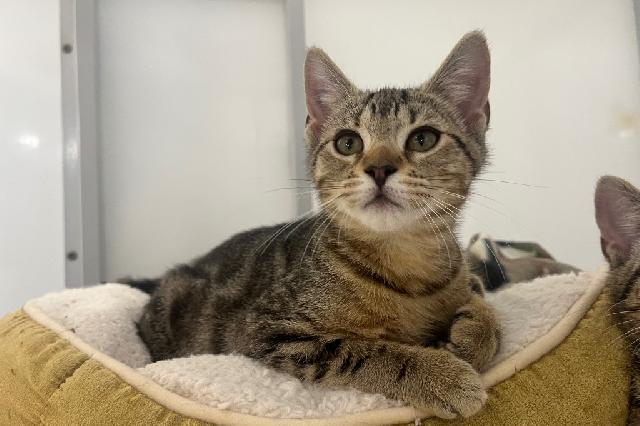
Once you choose a cat, the shelter completes paperwork. You may need to pay an adoption fee. This fee usually covers vaccinations and spaying or neutering. The shelter will give you care instructions and important records. Then, you take your new cat home to start your life together.
Credit: www.safehavenforcats.org
Bringing Your Cat Home
Bringing your new cat home is an exciting moment filled with anticipation. How you handle this transition can shape your cat’s comfort and confidence in their new environment. Thoughtful preparation and patience will help your cat adjust smoothly and start building trust with you right away.
First Day Tips
Prepare a quiet, safe room just for your cat on the first day. This space should have their litter box, food, water, and a cozy bed. Keeping the environment calm reduces stress and gives your cat a chance to explore at their own pace.
Limit loud noises and avoid overwhelming your cat with too many people or activities. You might notice them hiding or staying still—that’s normal. Give them time to come out when they feel ready.
Introducing To Family And Pets
Introduce family members slowly, one at a time, and encourage everyone to speak softly and move gently. Ask children to sit quietly and let the cat approach them first. This helps the cat feel in control and less threatened.
If you have other pets, keep initial meetings brief and supervised. Use a baby gate or keep the cat in a carrier during first encounters to prevent sudden confrontations. Watch body language carefully—signs of stress or aggression mean you need to slow down.
Settling In
Consistency is key to helping your cat settle. Stick to regular feeding times and keep their space tidy and familiar. You might find your cat revisiting the same spots repeatedly—this is their way of marking safe territory.
Spend quiet time nearby without forcing interaction. Reading aloud or simply sitting in the room can help your cat associate your presence with calm and safety. Ask yourself: what small change can I make today to make my cat feel more at home?
Caring For Your New Cat
Caring for your new cat is a joyful and important responsibility. It ensures your cat stays happy and healthy in its new home. Understanding basic needs helps build a strong bond between you and your pet.
Providing proper care creates a safe and loving environment. Cats thrive with regular attention to their health, nutrition, and grooming.
Nutrition And Feeding
Feed your cat high-quality food made for its age and health. Kittens need more calories and protein than adult cats. Fresh water must always be available. Avoid giving your cat human food, which can be harmful. Regular feeding times help your cat feel secure and comfortable.
Health And Vet Visits
Schedule a vet visit soon after adoption. The vet will check for parasites, vaccinations, and overall health. Keep a record of all vet visits and vaccinations. Watch for signs of illness like lethargy, loss of appetite, or changes in behavior. Regular check-ups catch problems early and keep your cat healthy.
Grooming Basics
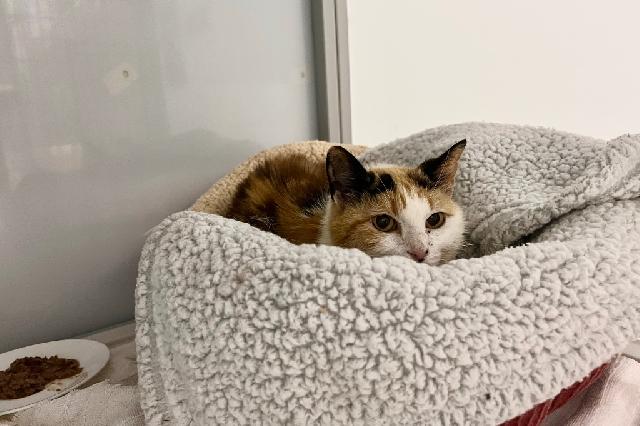
Brush your cat regularly to reduce shedding and hairballs. Long-haired cats need more frequent grooming than short-haired cats. Trim nails carefully to prevent scratches and damage. Clean ears and teeth regularly to avoid infections. Grooming is also a great way to bond with your cat.
Credit: www.safehavenforcats.org
Building A Bond
Building a strong bond with your new cat takes time and patience. Cats need to feel safe and loved in their new home. This connection grows through daily care, attention, and understanding. Simple actions create trust and comfort. The following sections guide you on how to build this important bond.
Play And Interaction
Play is a great way to connect with your cat. Use toys like feather wands or balls to catch their interest. Short play sessions help your cat feel happy and active. Let your cat lead the play to show respect for their mood. Avoid using your hands as toys to prevent scratches. Play helps reduce stress and builds a positive relationship.
Training And Behavior
Training your cat helps them understand house rules. Use gentle commands and rewards like treats or praise. Teach simple behaviors such as using the litter box or scratching post. Be consistent with rules to avoid confusion. Training sessions should be short and fun. Positive reinforcement encourages good behavior and deepens trust.
Recognizing Cat Communication
Cats communicate with body language and sounds. Learn to read their signals to respond well. A slow blink means your cat feels safe and relaxed. Tail movements show their mood—up means happy, flicking means annoyed. Listen to purrs, meows, and hisses to know their feelings. Understanding these signs improves your bond and avoids stress.
Common Challenges
Adopting a cat brings joy and companionship, but it also comes with challenges. New cats need time to settle and adjust. Some behaviors may surprise new owners. Recognizing these challenges helps build a strong bond.
Adjusting To New Environment
Cats need time to feel safe in a new home. They may hide or stay quiet at first. New smells, sounds, and sights can cause stress. Giving them a quiet space helps them relax. Patience is key during this phase. Gradual introduction to other pets prevents fear or fights.
Behavioral Issues
Some cats may show fear or aggression. Scratching furniture or avoiding litter boxes can happen. Changes in appetite or sleeping patterns are common. Understanding why these behaviors occur helps solve problems. Consistent routines and gentle handling improve behavior.
When To Seek Help
Some problems need expert advice. If your cat shows constant aggression or fear, ask a vet. Persistent litter box issues or health changes require attention. Animal behaviorists can offer useful guidance. Early help prevents bigger problems later on.

Credit: www.tippaws.com
Frequently Asked Questions
What Documents Are Needed To Adopt A Cat?
You typically need a valid ID, proof of residence, and sometimes references. Adoption centers may require an application form. Some shelters also ask for a home visit or interview to ensure a safe environment for the cat.
How Much Does It Cost To Adopt A Cat?
Adoption fees usually range from $50 to $150. This fee often covers vaccinations, spaying/neutering, and microchipping. Additional costs may include supplies and vet visits after adoption.
How To Prepare Your Home Before Adopting A Cat?
Create a safe space with food, water, and a litter box. Remove hazards like toxic plants and loose wires. Prepare toys and a comfortable bed to help your cat adjust smoothly.
What Questions Should I Ask When Adopting A Cat?
Ask about the cat’s health, behavior, and vaccination history. Inquire about their temperament and compatibility with children or other pets. This helps ensure a good match for your family.
Conclusion
Adopting a cat brings joy and new friendship. Each cat needs love, care, and patience. Visit shelters to meet cats waiting for homes. Prepare your home with food, toys, and a cozy bed. Remember, adopting is a big step but very rewarding.
Give your new cat time to adjust and feel safe. Enjoy the moments of bonding and trust you build. A cat’s love is a special gift to cherish. Start your adoption journey with kindness and hope today.
