


Have you ever wondered how stray cats manage to survive the freezing cold winter nights? While you’re bundled up inside with a warm drink, these resilient animals face harsh weather with no shelter or comfort.
Understanding their survival tactics not only sparks your curiosity but also helps you recognize the challenges they endure. Keep reading to discover the clever ways stray cats stay alive when winter turns unforgiving—and learn how you can make a difference in their harshest season.
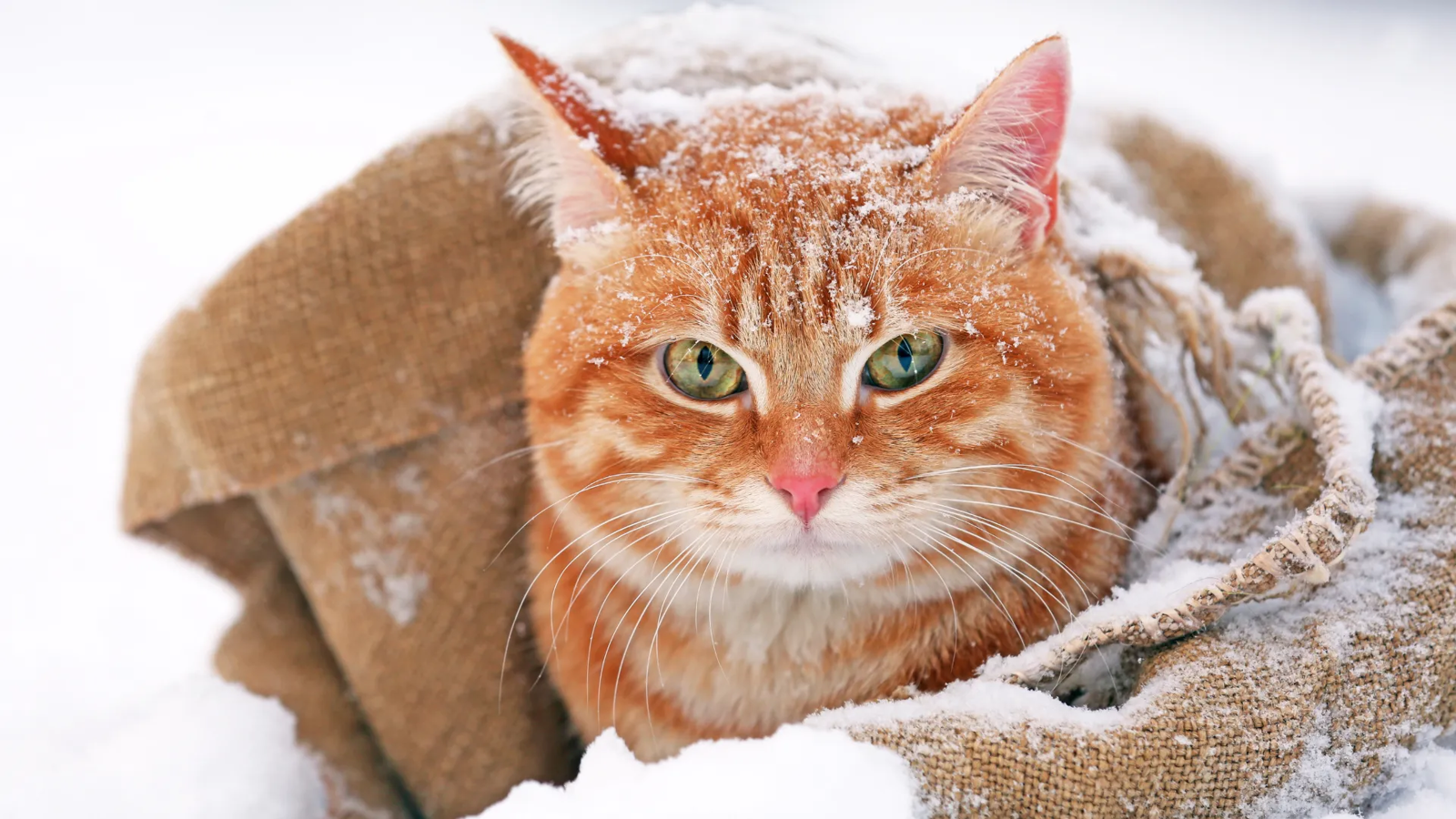
Credit: animalhotels.com
Winter Challenges For Stray Cats
Winter presents a daunting array of challenges for stray cats. As temperatures drop, these resilient creatures face obstacles that test their survival skills to the limit. From battling harsh weather to seeking scarce resources, each day becomes a fight to stay alive.
Harsh Weather Conditions
The biting cold can be relentless for stray cats, especially during icy nights. Without the warmth of a home, they rely on their fur and body heat to stay warm. Snow and freezing rain can soak their coats, making them more vulnerable to the chill. A cat’s small size makes it particularly susceptible to hypothermia and frostbite. Have you ever wondered how these cats manage to stay warm against such odds?
Limited Food Sources
Finding food becomes a desperate mission in winter. Many of the usual food sources, like rodents, are less active in the cold. Garbage bins might be covered in snow, making them inaccessible. Stray cats often need to travel further and expend more energy to find even the smallest scraps. Have you noticed how much harder it is to find food in your own neighborhood during winter?
Finding Safe Shelter
Safe shelter can mean the difference between life and death for a stray cat in winter. They often seek out abandoned buildings, garages, or even crawl under cars for warmth. However, these shelters are not always safe or reliable. A car engine that offers warmth could start at any moment, or a building might be sealed off. Think about what you would do if you had to find shelter in such unpredictable conditions.
By understanding these challenges, you can help make a difference. Consider what steps you can take to support stray cats in your community during the harsh winter months. Small actions can have a significant impact on their survival.
Adaptations To Cold Temperatures
Stray cats face harsh winter conditions that challenge their survival. To endure freezing temperatures, they rely on several physical and behavioral adaptations. These changes help them stay warm and conserve energy during the cold months.
Thicker Fur Coats
Stray cats grow thicker fur as the temperature drops. This extra layer traps heat close to their bodies, acting like natural insulation. You might notice their fur looking fluffier and denser in winter compared to warmer seasons.
Thicker fur also repels moisture, which is crucial when they face snow or rain. This adaptation reduces heat loss and keeps their skin dry. Have you ever seen a stray cat in the snow? Their fur often looks puffed up, a sign they are actively protecting themselves from the cold.
Body Heat Conservation
Stray cats minimize heat loss by curling up tightly when they rest. This position reduces the surface area exposed to cold air. They often tuck their paws and tail close to their bodies to preserve warmth.
Another way they conserve heat is through shivering. Although it uses energy, shivering generates warmth by muscle activity. You might wonder how much energy this costs—stray cats balance this by finding shelter and food to fuel their bodies.
Behavioral Changes
To survive winter, stray cats change their daily routines. They become more active during the warmer parts of the day, seeking sunlight and avoiding the coldest hours. At night, they find sheltered spots like abandoned buildings, garages, or thick bushes.
They also tend to seek out human activity areas where warmth and food sources are more available. Have you noticed stray cats lingering near doorways or heating vents? This behavior shows their cleverness in using the environment to survive.
Food Hunting Strategies
Stray cats face tough challenges finding food during cold months. They use smart food hunting strategies to survive. These cats adapt their methods to the harsh winter conditions. Their survival depends on their ability to find enough food to keep warm.
Scavenging Techniques
Stray cats often search for leftovers in trash bins and dumpsters. They quietly explore areas where people discard food. Cats use their sharp senses to detect edible scraps. This method is less energy-consuming than hunting live prey.
They know which places are best for finding discarded food. Early morning or late at night are common scavenging times. Staying hidden helps them avoid danger while searching.
Dependence On Human Waste
Human waste provides a steady food source for many stray cats. Food scraps from restaurants and markets attract cats. Some people also leave food outside for strays. This helps cats survive when natural prey is scarce.
Cats learn to trust certain places where they find food regularly. They remember spots with easy access to human waste. This dependence helps them save energy and stay nourished.
Hunting Small Prey
Stray cats hunt mice, birds, and insects to catch fresh food. They use stealth and quick movements to catch prey. Hunting requires more effort but provides high nutrition.
Cold weather makes some prey less active, so cats must be patient. They watch and wait for the right moment to strike. This skill helps them survive when other food is limited.

Credit: khpet.com
Shelter Selection And Use
Stray cats face harsh winter conditions, and shelter becomes their lifeline. The right shelter offers protection from cold winds, wet snow, and predators. Understanding how they choose and use shelter can help you support their survival better.
Choosing Hidden Spots
Stray cats look for places where they can stay out of sight. They prefer quiet, tucked-away corners like thick bushes, abandoned buildings, or under decks. These spots not only hide them from predators but also block chilly winds.
Have you noticed a cat disappearing behind a pile of leaves or into a narrow alley? That’s no accident—these hidden spots feel safer and warmer. You can help by keeping these areas clean and undisturbed.
Utilizing Urban Structures
City environments offer many unexpected shelters. Cats often use spaces like vents, stairwells, or even behind dumpsters as temporary refuge. These structures provide some warmth and shield them from snow or rain.
One winter, I saw a group of stray cats huddling near an old bus stop shelter. It was simple but effective—they stayed dry and out of the wind. How could you make such urban spots more inviting for stray cats?
Building Makeshift Nests
When natural or urban shelters aren’t enough, stray cats build their own nests. They gather leaves, grass, and discarded fabrics to create insulating beds. These nests trap body heat and offer a cozy spot to rest.
You might spot these nests in quiet corners or under cars. Providing materials like straw or old blankets can make a big difference. What small changes could you make in your neighborhood to help stray cats build better nests?
Interactions With Humans
Stray cats often face the harshest conditions during winter, and their interactions with humans can play a crucial role in their survival. These encounters vary widely, from receiving occasional help to facing challenges in trust. Understanding these dynamics can help you make a difference if you come across a stray cat in need.
Receiving Food And Care
Many stray cats rely on the kindness of people who leave out food or provide shelter during cold months. Simple acts like placing a bowl of water and dry food outside can significantly boost a cat’s chances of staying healthy.
Some cat lovers even build insulated shelters or use old boxes with blankets to keep strays warm. Have you ever thought about how a small gesture like this could save a life?
Challenges Of Trust
Stray cats often hesitate to approach humans due to past negative experiences or fear. Gaining their trust requires patience, consistency, and respect for their boundaries.
For example, one person I know put out food daily but never tried to touch the cat. Over weeks, the cat began to eat closer and eventually allowed gentle petting. This shows how building trust takes time but can lead to rewarding connections.
Community Support Efforts
Communities sometimes organize feeding stations, trap-neuter-return (TNR) programs, and awareness campaigns to help stray cats survive winter. These collective efforts reduce the number of strays and improve their quality of life.
Joining or supporting local groups can amplify your impact. Are there any nearby organizations you could connect with to help stray cats in your area?

Credit: globalnews.ca
Health Risks During Winter
Stray cats face many health risks during winter. Cold weather makes survival much harder. Their bodies struggle to stay warm. Food and shelter become scarce. These challenges increase the chance of illness and injury. Understanding these dangers helps us see how tough life is for stray cats in winter.
Frostbite And Hypothermia
Frostbite happens when the cat’s skin freezes. Ears, paws, and tail tips are most at risk. The skin can turn pale or blue. Frostbite causes pain and tissue damage. Hypothermia occurs when body temperature drops too low. It leads to weakness, slow breathing, and confusion. Without warmth, both frostbite and hypothermia can be deadly.
Disease Exposure
Winter weakens stray cats’ immune systems. This makes them vulnerable to many diseases. Respiratory infections spread quickly in cold, damp places. Parasites like fleas and ticks hide in fur and shelters. Poor nutrition lowers their defense against illness. Sick cats have less energy to find food and shelter.
Injury And Recovery
Ice and snow increase the risk of falls and injuries. Cats may hurt their legs or paws on sharp ice. Finding safe places to rest and heal is difficult. Wounds can get infected without proper care. Stray cats have no access to medical help. Injuries often become life-threatening during harsh winter months.
Survival Success Stories
Stray cats face tough challenges during winter. Many struggle to find warmth, food, and shelter. Despite these hardships, many cats survive and even thrive. Their stories show resilience and hope. They teach us about survival in harsh conditions.
Rescue And Rehabilitation
Many stray cats find help from animal rescue groups. Volunteers provide warm shelters and food. Injured or sick cats get medical care. Rehabilitation helps cats regain strength. After recovery, some cats find loving homes. Others return to safe outdoor spaces with support. These efforts save many lives every winter.
Adaptation In Urban Areas
Stray cats use city features to stay safe and warm. They hide in building corners, under cars, or in alleyways. Warm vents and heating ducts provide heat. Trash bins offer food scraps. Streetlights and traffic give some protection at night. Cats learn to avoid dangers like traffic and predators. Their quick thinking helps them survive cold months.
Stray Cat Colonies Thriving
Groups of stray cats often form colonies. They share warmth by huddling together. Colonies find better food sources and shelter spots. Cats watch out for each other. Some colonies get help from local people. Food and shelter provided by humans improve survival rates. These colonies show how teamwork aids survival in winter.
Frequently Asked Questions
How Do Stray Cats Find Shelter In Winter?
Stray cats seek warm, hidden spots like garages, sheds, or thick bushes. They use insulation like leaves or blankets to stay warm. Finding shelter protects them from wind, rain, and snow, helping them survive harsh winter conditions.
What Do Stray Cats Eat During Winter Months?
Stray cats hunt small animals like mice and birds for food. They may also scavenge human trash or rely on kind people feeding them. Adequate nutrition is crucial to maintain their energy and body heat in cold weather.
How Do Stray Cats Stay Warm In Freezing Temperatures?
Stray cats curl up tightly to conserve body heat. Their fur thickens in winter, providing natural insulation. They also use body heat from nearby cats by huddling together for warmth during extreme cold.
Can Humans Help Stray Cats Survive Winter?
Yes, humans can provide food, water, and warm shelters. Leaving out blankets or insulated boxes helps protect cats from cold. Feeding stray cats regularly supports their health and increases their chances of surviving winter.
Conclusion
Stray cats face many challenges during cold months. They find shelter in hidden places to stay warm. Their thick fur helps protect against frostbite and cold winds. These cats eat more to keep their energy high. They often stay close to human areas for food and safety.
Survival depends on their instincts and adaptability. Caring for stray cats can make a big difference. Small acts help these animals live through harsh winters. Their strength and resilience inspire us all.
