

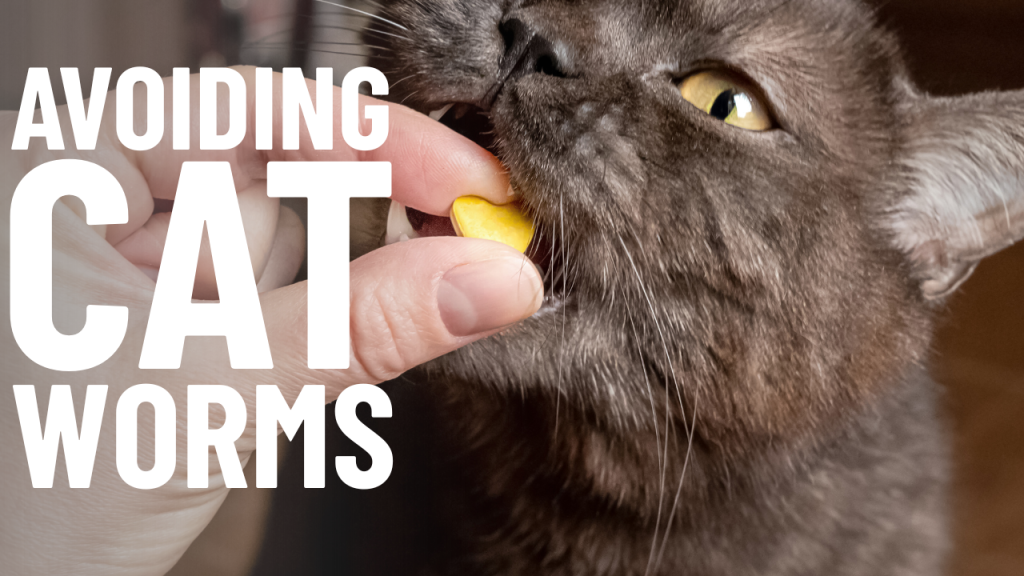
You might think your indoor cat is safe from worms, but that’s not always true. Worms can sneak into your home and affect your furry friend without you even realizing it.
If you’ve ever wondered how indoor cats get worms, this article will clear up the mystery. Understanding the hidden ways these parasites can reach your cat helps you protect your pet better. Keep reading to discover what you need to watch out for and how to keep your cat healthy and worm-free.
Credit: nexgardforpets.com
Common Worm Types In Cats
Indoor cats can still get worms, even without outdoor access. Worms find ways to enter their bodies through various means. Understanding the common worm types helps pet owners protect their cats better.
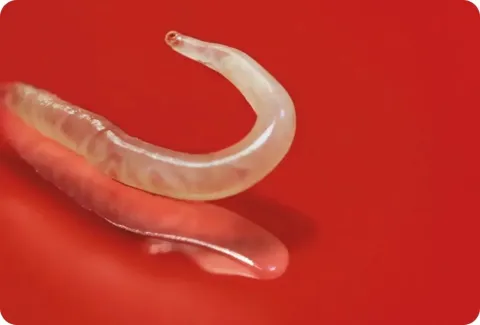
Roundworms
Roundworms are the most common worms in cats. These worms look like spaghetti and live in the intestines. Cats can get roundworms by swallowing infected eggs from the environment. Kittens often get them from their mother’s milk. Roundworms can cause weight loss, vomiting, and a pot-bellied appearance.
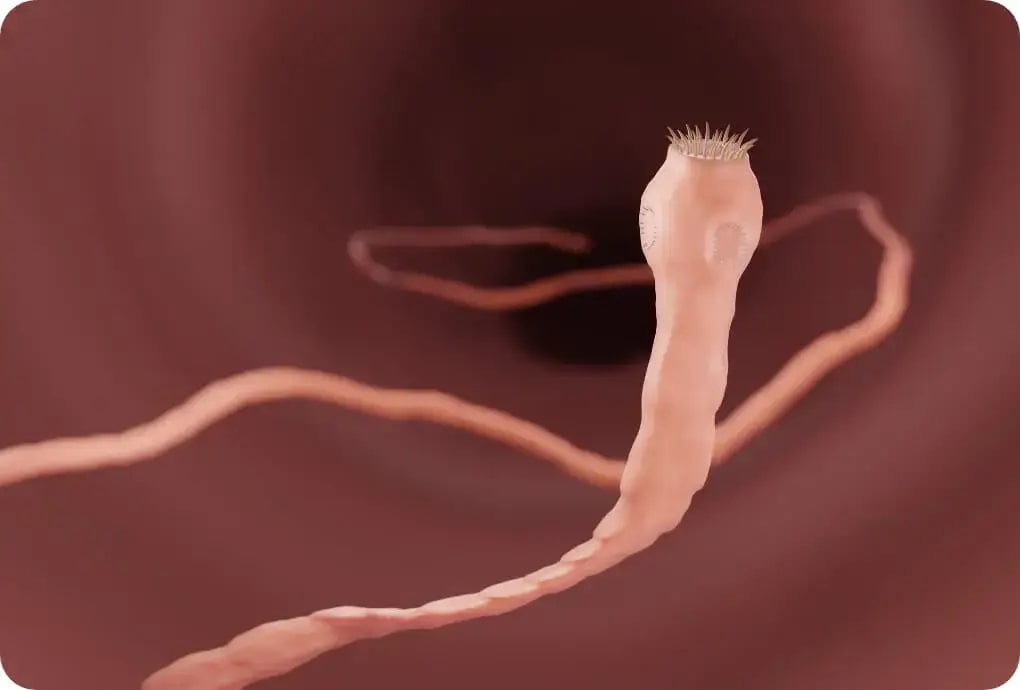
Tapeworms
Tapeworms are flat and segmented. Cats usually get them by swallowing fleas carrying tapeworm larvae. These worms attach to the cat’s intestines and grow over time. You might see small white segments near the cat’s rear. Tapeworms cause itching and irritation around the tail area.
Hookworms
Hookworms are small but dangerous. They latch onto the intestinal lining and suck blood. Cats can get hookworms by ingesting larvae or through the skin. Hookworms cause anemia, weakness, and diarrhea. Young cats are especially at risk from hookworm infections.
Transmission From Mother To Kitten
Understanding how indoor cats get worms often starts with their earliest days of life. One key route is through transmission from the mother cat to her kittens. This can happen even before the kittens explore the outside world, making it a hidden risk that many cat owners overlook.
How Worms Pass During Pregnancy
Worms can cross from the mother to her kittens while they are still in the womb. Certain types of parasites, like roundworms, have larvae that travel through the mother’s bloodstream to infect the developing kittens. This means your kitten could be born already carrying worms without any outside exposure.
Transmission Through Nursing
After birth, the mother cat can pass worms to her kittens through her milk. Larvae can migrate into the mammary glands, infecting the kittens during feeding. This is why even indoor kittens need worm prevention early on, as nursing is a natural but risky time for parasite transfer.
Signs Your Kitten Might Have Worms
- Visible worms or segments in their stool
- Swollen belly or poor growth
- Frequent vomiting or diarrhea
- Lethargy or dull coat
Have you noticed any of these signs in your kitten? Early detection is key to preventing long-term health problems.
What You Can Do To Protect Your Kitten
- Ensure the mother cat receives proper deworming before pregnancy.
- Start your kitten on a vet-recommended deworming schedule as early as two weeks old.
- Maintain good hygiene in their environment to reduce reinfection.
Protecting your kitten from worms starts with the mother’s health and continues with your care. Have you checked your cat’s deworming history lately?
Contaminated Food And Water
Indoor cats can still get worms through contaminated food and water, a risk often overlooked by pet owners. Even if your cat never steps outside, the meals and water you provide can introduce harmful parasites. Understanding how this happens helps you protect your feline friend more effectively.
How Food Becomes A Source Of Worms
Raw or undercooked meat is a common culprit. Parasite eggs or larvae can hide in poorly handled or stored food. Even commercial cat food isn’t completely safe if contaminated during processing or packaging.
Have you checked the source of your cat’s food recently? Sometimes, a change in brand or batch can introduce new risks. Always inspect packaging for damage or unusual smells before feeding your cat.
Water Contamination Risks For Indoor Cats
Water bowls can become breeding grounds for parasites if not cleaned regularly. Parasite eggs can survive in stagnant water, waiting to infect your cat. Even tap water may carry risks if your plumbing isn’t well maintained.
Think about how often you clean your cat’s water dish. Daily rinsing with hot water can reduce contamination significantly. Also, consider using filtered water to lower the chances of parasites reaching your pet.
Preventing Contamination At Home
- Store cat food in airtight containers away from pests.
- Cook homemade meals thoroughly before serving.
- Clean food and water bowls daily with hot, soapy water.
- Replace water frequently to avoid stagnation.
- Regularly inspect food packaging for signs of damage or spoilage.
Have you ever thought about your cat’s food and water hygiene as a frontline defense against worms? Small habits can make a big difference in keeping your indoor cat healthy and worm-free.
Ingestion Of Fleas
Indoor cats might seem safe from many parasites, but worms can still find their way in. One surprising way this happens is through the ingestion of fleas. Fleas are more than just a nuisance—they can carry worm larvae that infect your cat.
How Fleas Carry Worms
Fleas act as hosts for tapeworm larvae, especially Dipylidium caninum. When a cat grooms itself and swallows an infected flea, the larvae are released inside its digestive system.
This process happens silently, often without you noticing the flea problem first. Have you checked your cat for fleas lately, even if it never goes outside?
Why Indoor Cats Still Get Fleas
Fleas can hitch a ride indoors on your clothes, shoes, or even other pets. These tiny invaders multiply quickly once inside your home.
Even a single flea can lead to a worm infection in your cat if it gets swallowed during grooming. Do you regularly inspect your home and your cat for these hidden pests?
Preventing Worms Through Flea Control
Keep fleas away by using vet-recommended flea treatments regularly. Clean your home thoroughly, focusing on carpets, bedding, and furniture where fleas hide.
- Vacuum often and dispose of the vacuum bag immediately.
- Wash your cat’s bedding in hot water weekly.
- Consider flea control for all pets in the house.
By controlling fleas, you reduce the risk of your cat swallowing infected ones and getting worms. What flea prevention steps are you currently using to protect your indoor cat?
Exposure To Infected Animals
Indoor cats may seem safe from worms, but exposure to infected animals is a real risk. Worms can spread through contact with other pets or wildlife carrying parasites. Understanding how this happens helps protect your cat.
Contact With Outdoor Pets
Pets that go outside can pick up worms from soil or other animals. They may bring parasites inside on their fur or paws. Even brief contact between your indoor cat and an infected pet can spread worms.
Visiting Other Homes
Indoor cats visiting homes with infected animals may catch worms. Parasite eggs or larvae can transfer through shared bedding or toys. This indirect contact exposes your cat to worms without outdoor exposure.
Wildlife Intrusion
Small wild animals like rodents or birds can carry worms. They sometimes enter homes or yards. Your indoor cat may encounter these animals or their droppings, increasing worm risk.
Shared Food And Water Bowls
Using communal bowls with infected animals spreads parasites quickly. Worm eggs can survive on surfaces, contaminating food and water. Keep your cat’s bowls clean and separate from others.
Household Pests As Carriers
Even if your cat never steps outside, household pests can still introduce worms into your home. These tiny invaders often hitch rides on insects and rodents that find their way indoors. Understanding how these pests act as carriers can help you protect your furry friend from unwanted parasites.
How Cockroaches Carry Parasites
Cockroaches are more than just a nuisance; they can carry worm eggs on their bodies. These pests crawl through sewage and waste, picking up parasite eggs along the way.
If your cat catches or licks a cockroach, it can ingest these eggs unknowingly. This is a common way indoor cats become infected despite limited outdoor exposure.
The Role Of Fleas In Worm Transmission
Fleas are notorious carriers of tapeworm larvae. When your cat grooms itself, it might swallow infected fleas.
Even if you don’t see fleas, a few can hide in carpets or furniture, posing a hidden risk. Regular flea control is essential to break this chain of infection.
Rodents As Silent Carriers
Mice and rats often sneak into homes and carry parasites in their fur or feces. Your cat’s natural hunting instincts might lead to contact with these rodents.
Eating or playing with rodents can easily transfer worm eggs to your cat, even indoors. Keeping your home rodent-free reduces this risk significantly.
Preventing Pest-related Worm Infections
- Seal cracks and openings to block pest entry.
- Keep food sealed and clean to avoid attracting pests.
- Use vet-approved flea control products regularly.
- Maintain a clean environment to deter rodents and insects.
Have you checked your home for hidden pests lately? Taking simple steps can protect your cat from worms without restricting their indoor freedom.
Symptoms Of Worm Infestation
Worm infestation in indoor cats can be hard to spot at first. Cats may show signs that hint at a problem inside their body. Knowing these symptoms helps catch worms early. Prompt care can keep cats healthy and comfortable.
Digestive Issues
Cats with worms often have upset stomachs. They may vomit or have diarrhea. Sometimes, they strain to poop or have a swollen belly. These signs mean something is wrong inside their gut. Watch for changes in eating and bathroom habits.
Weight Loss
Worms steal nutrients from the cat’s food. This can cause sudden weight loss even if the cat eats well. A skinny cat with a good appetite might have worms. Check the cat’s body condition regularly for any drop in weight.
Visible Worms In Feces
Worms or worm segments sometimes appear in cat poop. They look like small white grains or pieces of rice. Spotting these is a clear sign of infestation. Always inspect your cat’s litter box for unusual signs.

Credit: nexgardforpets.com
Prevention And Treatment
Preventing and treating worms in indoor cats is essential for their health. Worm infections can cause discomfort and serious illness. Taking the right steps helps keep your cat safe and happy.
Regular Vet Check-ups
Routine vet visits help detect worms early. Vets check for signs of worms through stool tests. Early detection allows for quick treatment. Keep a schedule for regular vet appointments. This keeps your cat’s health monitored and protected.
Deworming Medications
Deworming medicine removes worms safely and effectively. Vets recommend specific treatments based on the type of worm. Follow the vet’s instructions carefully. Some medicines require repeated doses. Proper treatment stops worms from spreading or returning.
Maintaining Clean Living Spaces
Clean environments reduce the risk of worm infections. Wash your cat’s bedding and toys often. Clean litter boxes daily to remove waste. Vacuum floors and furniture regularly to remove eggs. Avoid letting your cat eat raw or contaminated food. Clean spaces support your cat’s overall health and comfort.
Myths About Indoor Cats And Worms
Many cat owners believe that indoor cats are completely safe from worms. This idea is common but not always true. Understanding the myths about indoor cats and worms helps you protect your furry friend better.
Indoor Cats Don’t Need Deworming
You might think that since your cat never goes outside, it won’t get worms. However, worms can enter your home in unexpected ways. For example, if you bring in contaminated soil on your shoes or your cat eats an infected insect that sneaks inside, worms can infect your indoor cat.
Skipping regular deworming because your cat is indoors can leave them vulnerable. Have you checked your cat’s stool or behavior for signs of worms lately?
Worms Are Only Transmitted Through Hunting
Many believe worms come only from eating prey like rodents or birds. While hunting is a common cause, it’s not the only way worms spread.
Indoor cats can get worms from:
- Fleas that carry tapeworm larvae
- Contaminated litter boxes
- Contact with other pets or humans carrying worm eggs
Are you aware of all the ways parasites might reach your home?
Worms Show Clear Symptoms Right Away
Some think worms cause obvious signs, but many cats show subtle or no symptoms for a long time. Your cat might just lose weight, have a dull coat, or occasionally vomit without you realizing worms are the cause.
Regular vet checkups and stool tests are essential, even if your cat seems healthy. How often do you have your vet check for parasites?
Credit: nexgardforpets.com
Frequently Asked Questions
How Do Indoor Cats Get Worms Without Outdoor Access?
Indoor cats can get worms through contaminated food, fleas, or contact with infected humans. Worm eggs or larvae might enter the home environment. Sometimes, indoor cats catch worms from other pets or objects brought inside.
Can Fleas Cause Worms In Indoor Cats?
Yes, fleas can transmit tapeworms to indoor cats. If a cat ingests an infected flea while grooming, it can develop worms. Controlling fleas is essential to prevent worm infestations in indoor cats.
Are Indoor Cats At Risk Of Worm Infections?
Indoor cats have a lower risk but are still vulnerable to worms. Worms can enter through contaminated food, infected pets, or flea bites. Regular veterinary check-ups and preventive treatments help keep indoor cats worm-free.
How To Prevent Worms In Indoor Cats?
Prevent worms by keeping your cat’s environment clean and flea-free. Feed high-quality, parasite-free food and schedule regular vet deworming. Avoid contact with stray animals and wash your hands after handling pets.
Conclusion
Indoor cats can still catch worms from many sources. Fleas, contaminated food, or even your shoes can carry worm eggs. Regular vet check-ups help keep your cat safe and healthy. Clean your home and wash your hands often to reduce risks.
Treating your cat quickly stops worms from spreading. Keeping your cat worm-free means a happier, healthier pet. Simple care and attention make a big difference. Stay alert and protect your indoor cat every day.
