

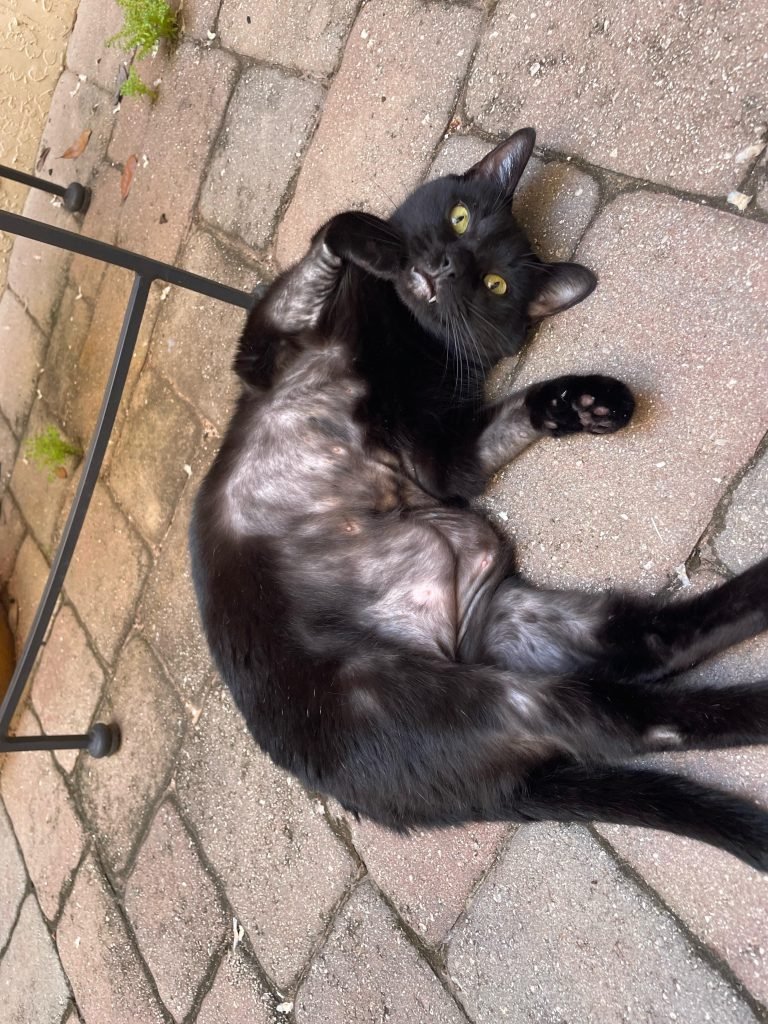
Is your cat spending too much time licking or biting their fur? Over grooming can lead to bald spots, irritated skin, and even infections.
If you’ve noticed your furry friend constantly obsessing over their coat, you’re not alone—and you probably want to find a way to help them feel better. Understanding why your cat overgrooms and how to stop it can protect their health and keep them happy.
Keep reading to discover simple, effective steps you can take right now to calm your cat’s grooming habits for good.
:strip_icc()/spruce-pets-cat-bathroom-7b6ae6d8f3d940b9a82141be03734144.png)
Credit: www.thesprucepets.com
Causes Of Cat Over Grooming
Cat over grooming happens for many reasons. Understanding these causes helps in managing the problem. Over grooming means a cat licks or chews itself too much. This can lead to bald spots, sores, and skin damage. Several factors can trigger this behavior, from health issues to emotional stress.
Stress And Anxiety Triggers
Stress is a common cause of over grooming in cats. Changes in the environment, loud noises, or new pets can upset a cat. Anxiety may cause them to lick or bite their fur nonstop. This behavior serves as a way to self-soothe and calm down. Cats with separation anxiety often over groom when left alone. Identifying stressors can reduce this behavior.
Allergies And Skin Conditions
Allergies often cause itching and discomfort. Cats may over groom to relieve the itch. Common allergens include food ingredients, dust, and pollen. Skin infections and dermatitis also make cats lick their skin. These conditions cause redness, irritation, and hair loss. Treating the allergy or skin issue stops the over grooming.
Parasite Infestations
Fleas, mites, and ticks cause intense itching. Cats try to remove these parasites by licking or biting. Even a few fleas can cause a lot of discomfort. Parasite infestations lead to sores and hair loss. Regular parasite control helps prevent over grooming caused by bugs.
Behavioral Issues
Some cats develop habits of over grooming without clear health reasons. These compulsive behaviors often stem from boredom or lack of stimulation. Cats stuck indoors with little playtime may groom too much. Over grooming becomes a repetitive behavior to fill time. Increasing exercise and mental engagement can reduce this habit.
:strip_icc()/the-kitty-1011094438-5c3d1af5c9e77c00015e66a6.jpg)
Credit: www.thesprucepets.com
Signs Your Cat Is Over Grooming
Over grooming in cats can signal discomfort or stress. Early signs help catch problems fast. Watch your cat closely. Notice changes in fur and behavior. These clues show if grooming is too much.
Bald Patches And Redness
Look for areas with missing fur. Bald patches often appear on the belly, legs, or sides. Skin may look red or irritated. These spots can be painful or itchy. Check for scabs or sores too. These signs mean your cat grooms too hard.
Excessive Licking Patterns
Notice if your cat licks one spot often. Grooming is normal, but too much is not. Excessive licking can cause hair loss and skin damage. Cats may lick during stress or boredom. Pay attention to how long and often it happens.
Changes In Behavior
Your cat’s mood may shift with over grooming. They might hide more or seem anxious. Sometimes, cats become restless or irritable. Loss of interest in play or food can occur. These behavior changes often link to grooming problems.
Home Remedies To Reduce Grooming
When your cat starts over grooming, it’s a sign they might be stressed or uncomfortable. Tackling this issue at home with simple remedies can make a big difference. These approaches help calm your cat, reduce anxiety, and make grooming a healthy habit again.
Provide Environmental Enrichment
Have you noticed your cat staring out the window or pacing around? Boredom and lack of stimulation can cause over grooming. Adding toys, scratching posts, and interactive playtime can keep your cat’s mind busy and reduce stress.
Try rotating toys to keep things fresh and surprising. Even setting up a bird feeder outside a window can entertain your cat for hours. How often do you change your cat’s environment to keep it exciting?
Use Soothing Products
Calming sprays and diffusers with pheromones can create a peaceful atmosphere for your cat. These products mimic natural calming signals and can reduce anxiety-driven grooming. You might find your cat more relaxed after just a few days of use.
Natural remedies like chamomile or lavender-scented bedding can also help. Just make sure any product you use is safe and non-toxic for pets. Have you checked if your cat responds well to these gentle scents?
Regular Grooming Sessions
Instead of letting your cat overdo it, take control with regular brushing. This not only removes loose fur but also comforts your cat through touch. Many cats enjoy the attention and it can replace the urge to over groom.
Set a daily or every-other-day routine that fits your schedule. Use a soft brush and keep sessions short at first to build positive associations. Could this simple bonding time be the key to stopping over grooming?
When To Visit The Veterinarian
Knowing when to take your cat to the veterinarian for over grooming is crucial. Sometimes, what seems like simple grooming can signal deeper health problems. Acting early can save your cat from discomfort and prevent the behavior from worsening.
Identifying Medical Causes
Over grooming often stems from underlying medical issues like allergies, parasites, or skin infections. If your cat is licking or biting certain areas raw, it might be a sign of pain or irritation. Watch for symptoms like redness, swelling, hair loss, or open sores.
If you notice these signs, don’t wait. Your vet can perform tests to identify causes such as fleas, mites, or allergic reactions. Untreated medical problems can make your cat’s condition worse and harder to manage.
Professional Treatments
Veterinarians offer treatments you can’t provide at home. They might recommend medicated shampoos, special diets, or allergy shots tailored to your cat’s needs. These treatments help soothe irritated skin and reduce the urge to over groom.
Sometimes, your vet will suggest environmental changes or behavior modification plans. They may also check for stress factors that contribute to over grooming. Professional advice is key to creating an effective recovery plan.
Medications And Therapy Options
In many cases, medication plays a vital role in stopping over grooming. Your vet might prescribe anti-inflammatory drugs, antibiotics, or antihistamines depending on the diagnosis. These medicines reduce inflammation and control infections or allergies.
Therapy can include calming techniques or supplements that reduce anxiety. Ask your vet about pheromone diffusers or natural remedies that can support your cat’s mental health. Managing stress is just as important as treating physical symptoms.
Preventing Over Grooming Long-term
Stopping your cat from over grooming requires more than quick fixes. Long-term prevention focuses on creating a balanced environment where your cat feels secure, healthy, and cared for. This means looking beyond the behavior itself and addressing the root causes with consistent care and attention.
Stress Management Techniques
Stress often triggers over grooming in cats. You can reduce stress by providing hiding spots and quiet areas where your cat can retreat. Playtime is essential too—engage your cat with toys that mimic hunting to keep their mind active and distracted.
Have you noticed if your cat overgrooms after loud noises or changes in the household? Identifying these stress triggers helps you create a calmer space. Using pheromone diffusers can also ease anxiety, but remember, patience is key when managing stress.
Diet And Nutrition Tips
Your cat’s diet plays a big role in skin and coat health. Feeding high-quality food rich in omega-3 and omega-6 fatty acids can soothe dry skin and reduce itching, which often causes over grooming. Talk to your vet about supplements that support skin health.
Sometimes, food allergies cause your cat to lick excessively. Watch for reactions after meals, like redness or bumps, and consider an elimination diet to spot problem ingredients. A well-balanced diet doesn’t just nourish your cat, it helps prevent grooming issues before they start.
Consistent Routine And Attention
Cats thrive on routine. Feeding, playtime, and grooming should happen at the same times every day. This predictability helps your cat feel secure and less likely to over groom out of anxiety or boredom.
Spend quality time with your cat daily to build trust and reduce restlessness. Sometimes, over grooming is your cat’s way of seeking attention. Could you add five extra minutes of gentle petting or interactive play to your day?
:strip_icc()/Aggressive-cats-GettyImages-590775665-58a0e3913df78c47580c7aa0.jpg)
Credit: www.thesprucepets.com
Frequently Asked Questions
Why Is My Cat Over Grooming Itself?
Cats over groom due to stress, allergies, or skin irritation. Identifying the cause helps in providing proper treatment. Consulting a vet is essential to rule out medical issues and recommend solutions.
How Can I Reduce My Cat’s Grooming Stress?
Create a calm environment and provide toys to reduce anxiety. Regular playtime and attention can distract your cat from over grooming. Using pheromone diffusers may also help ease stress.
What Are Common Medical Causes Of Over Grooming?
Allergies, parasites, infections, and pain often cause excessive grooming. A vet can diagnose these conditions through exams and tests. Treating the underlying issue usually stops the over grooming behavior.
Can Diet Changes Help With Cat Over Grooming?
Yes, food allergies can trigger over grooming. Switching to hypoallergenic or limited-ingredient diets may reduce symptoms. Always consult your vet before changing your cat’s diet to ensure nutritional balance.
Conclusion
Stopping your cat from over grooming takes patience and care. Watch your cat’s behavior closely. Provide a calm and safe space. Offer toys and playtime to reduce stress. Check with a vet to rule out health issues. Use gentle grooming to help your cat feel relaxed.
Remember, small changes can make a big difference. Your cat will thank you with happier, healthier fur. Keep trying different ways until you find what works best. Caring for your cat’s needs is key to stopping over grooming.
