

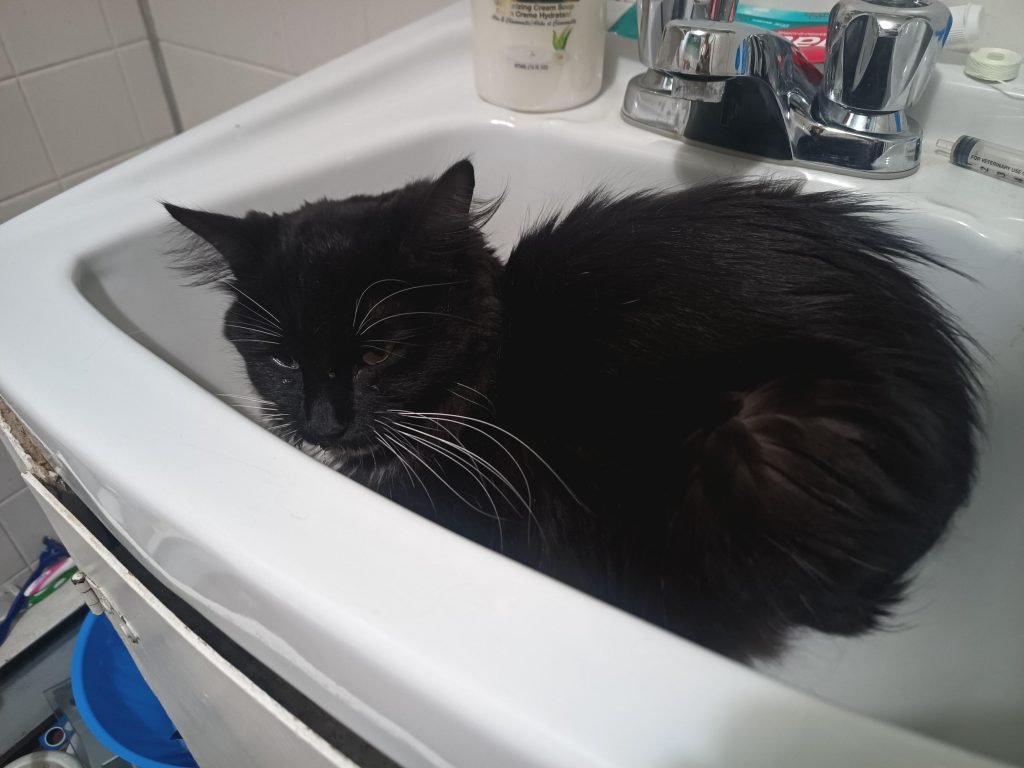
If you’ve ever wondered, “How do I know if my cat’s dying?” you’re not alone. Facing the possibility that your beloved pet may be nearing the end is one of the hardest moments for any cat owner.
You want to be sure you’re doing everything right, and that you understand the signs your cat might be showing. You’ll discover clear, simple ways to recognize the changes in your cat’s behavior and health. Knowing what to look for can help you provide comfort and make the best decisions for your furry friend’s final days.
Keep reading—you owe it to your cat to be prepared and informed.
Behavioral Changes
Behavioral changes can be some of the clearest signs that your cat may be nearing the end of its life. Cats are creatures of habit, so any sudden or sustained shifts in how they act should catch your attention. Watching closely for these changes helps you understand their needs and provide comfort when it matters most.
Withdrawal From Social Interaction
You might notice your cat avoiding you or other pets more than usual. A cat that once sought your lap or followed you around might suddenly hide in quiet corners. This withdrawal often signals discomfort, pain, or confusion.
My own cat, Luna, stopped greeting me at the door and spent hours under the bed during her last days. That shift was heartbreaking but also a clear sign she needed space and gentle care. Have you seen your cat retreat where they once were social?
Decreased Activity Levels
Another key behavioral change is a drop in energy and movement. Your cat may stop playing, exploring, or even moving around the house. This decline usually reflects physical weakness or fatigue.
Watch for longer naps, reluctance to jump, or slow responses to stimuli. When my cat refused to chase her favorite toy, I knew something was seriously wrong. Are you noticing your cat’s usual spark fading away?
Appetite And Thirst Variations
Changes in your cat’s appetite and thirst can be some of the most noticeable signs that something is wrong. Cats are creatures of habit, so when they suddenly stop eating or drinking normally, it’s a red flag. Paying close attention to these variations can help you act quickly and provide comfort to your furry friend.
Loss Of Appetite
A sudden loss of appetite is often one of the first signs that a cat is seriously unwell. You might notice your cat pushing food away or only nibbling a little instead of their usual eagerness. This change can indicate pain, nausea, or organ issues that need immediate attention.
Think about how your cat normally behaves at mealtime. Have they stopped coming to their bowl or left food untouched for more than a day? Even a single missed meal can be concerning for cats, especially if they are older or have health problems.
In my experience, when my cat stopped eating for two days straight, it was a clear sign something was very wrong. It led me to seek veterinary help quickly, which ultimately made a difference.
Increased Or Decreased Thirst
Changes in how much your cat drinks water can also signal health issues. Drinking more than usual might mean your cat is trying to fight dehydration or has a condition like kidney disease or diabetes. On the other hand, decreased thirst can indicate severe illness or organ failure.
Observe the water bowl carefully. Is your cat spending more time drinking or avoiding water completely? Both extremes are unusual and deserve attention.
Ask yourself: Have you noticed your cat drinking from unusual places, like the sink or toilet? This behavior often shows up when thirst is out of the ordinary and should prompt you to check with a vet.
Changes In Physical Appearance
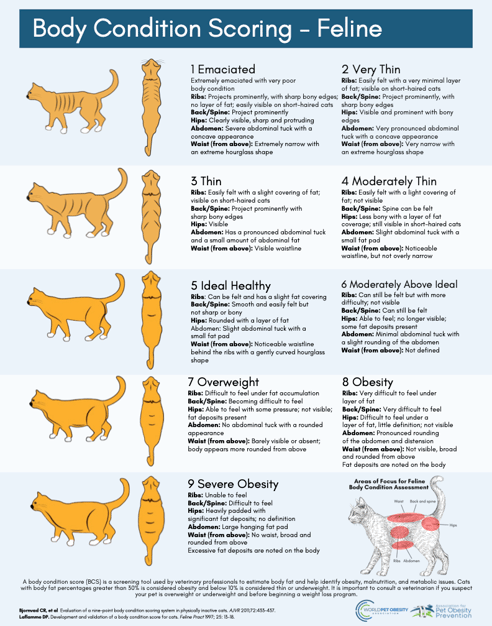
Changes in a cat’s physical appearance can signal serious health issues. These changes often happen slowly but become clear over time. Observing your cat’s body closely helps you notice signs of decline early. Two important signs are weight loss and an unkempt coat.
Weight Loss
Sudden or steady weight loss is a strong warning sign. Cats losing weight may have less muscle and look thinner. This can happen even if they eat normally. Illnesses, organ failure, or pain often cause weight loss. Regularly weighing your cat helps track this change. Small drops over weeks can mean trouble.
Unkempt Coat
A healthy cat usually grooms itself well. A dull, messy, or matted coat shows your cat might be unwell. Lack of grooming can mean weakness or discomfort. Skin problems or infections also cause fur to look bad. Watch for patches of missing fur or unusual odors. These signs suggest your cat needs veterinary care.
Breathing Difficulties
Noticing changes in your cat’s breathing can be one of the most alarming signs that their health is deteriorating. Breathing difficulties often indicate serious issues that require your immediate attention. Understanding the subtle differences in your cat’s breathing can help you decide when to seek veterinary care urgently.
Labored Breathing
Labored breathing means your cat is working harder than usual to breathe. You might see their ribs moving noticeably with each breath or hear wheezing sounds. If your cat is gasping or struggling to get enough air, it’s a clear sign something is wrong.
One time, my cat suddenly started breathing with her mouth open and appeared very restless. It turned out she had fluid in her lungs, which needed emergency treatment. Have you noticed your cat’s breathing becoming more effortful or noisy? Don’t wait to get help.
Irregular Breathing Patterns
Irregular breathing means the rhythm of your cat’s breaths changes unexpectedly. They might breathe very fast, then slow down, or have pauses between breaths. This can be a sign of heart problems, pain, or severe stress.
Pay close attention if your cat’s breathing seems uneven or if they suddenly stop breathing for a moment before starting again. These irregular patterns are not normal and should prompt a vet visit. What changes in your cat’s breathing stand out as unusual to you?
Altered Sleep Patterns
Changes in your cat’s sleep habits can signal serious health issues. Altered sleep patterns often indicate discomfort or illness. Pay close attention to how much your cat sleeps and their activity at night.
Excessive Sleeping
Cats naturally sleep a lot, but too much sleep might mean something is wrong. A cat that suddenly sleeps more than usual may feel weak or sick. Watch for long hours of inactivity during the day. This change can be a sign of pain or declining health.
Restlessness At Night
Restless behavior during the night can show distress or discomfort. If your cat moves frequently, cries, or seems unable to settle, it might be a warning sign. Nighttime restlessness often means your cat is in pain or anxious. This behavior can be a sign that your cat is nearing the end of life.

Credit: www.reddit.com
Litter Box Habits
Changes in your cat’s litter box habits can signal serious health issues. Cats usually have consistent bathroom routines. Any sudden shifts might mean your cat feels unwell or is nearing the end of life. Observing these habits closely helps in understanding their condition better.
Changes In Urination
Notice if your cat urinates more or less than usual. Straining to urinate or frequent trips to the box may show discomfort. Sometimes, urine appears darker or has a strong smell. Urinating outside the box can also be a warning sign. These changes suggest pain or illness affecting your cat’s kidneys or bladder.
Diarrhea Or Constipation
Watch for loose stools or difficulty passing stool. Diarrhea can cause dehydration and weakness quickly. Constipation makes your cat uncomfortable and restless. Both conditions may indicate serious internal problems. Consistent diarrhea or constipation needs immediate veterinary attention. Keep track of the frequency and appearance of your cat’s stool.
Vocalization Changes
Changes in your cat’s vocal sounds can signal serious health issues. Cats use meows and other sounds to communicate their feelings and needs. Noticeable shifts in these sounds may indicate discomfort, pain, or distress. Pay close attention to how your cat’s vocal behavior changes over time.
Increased Meowing
A sudden rise in meowing may be a sign of distress. Your cat might meow more often or louder than usual. This change can show confusion, fear, or pain. Some cats become more vocal as they feel weaker or more anxious. Keep track of when and how often your cat meows.
Unusual Sounds
Listen for sounds your cat does not usually make. Strange noises like growling, hissing, or yowling can mean discomfort. These sounds might indicate serious illness or injury. Sometimes, cats make weak or breathy sounds if they are in pain. Note any new sounds and how often they happen.
Credit: www.preventivevet.com
Seeking Comfort
When a cat is nearing the end of its life, its behavior often shifts as it seeks comfort. Understanding these changes can help you provide the support your cat needs during this difficult time. Paying close attention to how your cat interacts with you and its environment reveals important clues about its state of mind and physical condition.
Clinginess
Your cat might suddenly become more clingy, following you around or demanding more attention than usual. This behavior can be a sign that they are feeling vulnerable or scared. Have you noticed your cat sitting on your lap for longer periods or nudging your hand more frequently? These moments are their way of seeking reassurance and safety.
Try to create calm, quiet spaces where your cat can stay close to you without feeling overwhelmed. Soft petting or gentle talking can also offer comfort. Remember, your presence can be a powerful source of peace for them.
Hiding Or Isolation
On the other hand, some cats withdraw when they are unwell or dying. They might hide in dark corners, under furniture, or in places they rarely visited before. This isolation is often their way of coping with discomfort or pain.
Does your cat avoid you or choose to stay alone more than usual? While it’s natural to want to bring them out, respect their need for solitude. Check on them regularly, but let them rest where they feel safest. Providing soft bedding nearby and keeping the environment quiet can help.
Veterinary Consultation
Recognizing when your cat is nearing the end of life is heart-wrenching and confusing. Veterinary consultation is essential during this time. A professional can provide clarity, guidance, and the best care options for your beloved pet.
When To Seek Help
Don’t wait for severe symptoms before contacting your vet. If you notice drastic changes in behavior, appetite, or mobility, it’s time to act. Cats often hide pain well, so even subtle signs like increased hiding or refusal to eat can signal serious issues.
Have you seen your cat struggling to breathe or showing signs of extreme lethargy? These are urgent red flags. Early veterinary advice can help manage discomfort and improve quality of life, even if a cure isn’t possible.
Preparing For The Visit
Before heading to the vet, jot down your cat’s symptoms and any changes in habits. This helps your vet understand the full picture quickly. Don’t forget to note how long these signs have been happening and any treatments you’ve tried at home.
Bring along your cat’s medical records if you have them. It’s also helpful to prepare a list of questions or concerns you want to discuss. This visit isn’t just about diagnosis—it’s about planning compassionate care and knowing what to expect next.

Credit: www.reddit.com
Frequently Asked Questions
How Can I Tell If My Cat Is Nearing Death?
Look for signs like loss of appetite, extreme lethargy, difficulty breathing, and unresponsiveness. Changes in behavior and physical condition often indicate declining health.
What Are Common Physical Signs Of A Dying Cat?
Common signs include labored breathing, cold extremities, lack of movement, and weak pulse. Noticeable weight loss and poor grooming are also red flags.
How Does A Dying Cat Behave Emotionally?
Dying cats often withdraw, hide, or seek constant comfort. They may seem confused, restless, or unusually quiet as death approaches.
Should I Take My Cat To The Vet If I Suspect Dying?
Yes, a vet can confirm your cat’s condition and offer palliative care or guidance for end-of-life decisions.
Conclusion
Knowing if your cat is dying helps you provide comfort and care. Watch for changes in behavior, eating, and movement closely. Trust your feelings and seek a vet’s advice quickly. Small signs matter and can guide your next steps. Your cat needs love and gentle support during this time.
Stay calm and patient, offering peace and kindness. Every moment counts when your pet faces the end.
