

You love your cat and want to keep them healthy and happy. But how can you tell if your furry friend is dehydrated?
It’s not always easy to spot, yet dehydration can quickly become serious if left untreated. If you’ve noticed changes in your cat’s behavior or are worried about their water intake, this guide is for you. Keep reading to learn the simple signs to watch for and what you can do to help your cat stay properly hydrated.
Your cat’s well-being depends on it.
Signs Of Dehydration In Cats
Recognizing the signs of dehydration in your cat is crucial for their health and well-being. Cats can hide their discomfort well, so subtle clues often reveal their condition. Paying close attention to these signs helps you act quickly and prevent serious complications.
Dry Gums And Mouth
Check your cat’s gums regularly—they should be moist and smooth. If you notice dryness or stickiness, it’s a warning sign of dehydration. You can gently lift their lip to inspect the gums; if they appear pale or tacky, your cat may need more fluids immediately.
Lethargy And Weakness
Have you seen your cat sleeping more than usual or moving sluggishly? Dehydration often causes a lack of energy and weakness. If your pet seems unusually tired or reluctant to play, it’s time to consider their hydration status and encourage water intake.
Loss Of Appetite
A sudden drop in appetite can indicate your cat is not feeling well, possibly due to dehydration. Cats who don’t drink enough water may also avoid food, leading to a dangerous cycle. Watch for reduced interest in meals, and try offering wet food to increase their fluid intake.

Credit: yumove.co.uk
Behavioral Changes To Watch
Behavioral changes often signal dehydration in cats before physical symptoms become obvious. Watching your cat’s habits can help you catch dehydration early and seek timely care. Pay attention to shifts in how much they drink, how often they use the litter box, and where they choose to spend their time.
Increased Thirst
If your cat suddenly drinks more water than usual, it’s a clear sign they might be dehydrated. Cats normally drink very little, so a spike in water intake stands out. Have you noticed your cat lingering around the water bowl or tipping it over more often? This change is your first alert to a potential problem.
Frequent Urination
Along with drinking more, your cat may visit the litter box more frequently. Dehydration can cause the kidneys to work harder, leading to increased urination. If you find the litter box wetter than normal or your cat scratching more often, take note. This can indicate your cat is trying to flush out toxins because they’re not getting enough fluids.
Unusual Hiding
Cats often hide when they don’t feel well, and dehydration can make them seek quiet, out-of-the-way spots. If your cat retreats to strange places or stays hidden longer than usual, it’s worth investigating. Ask yourself: has your cat’s usual playful or affectionate behavior changed? This withdrawal is a red flag that your pet needs help.
Physical Indicators
Noticing physical signs is one of the quickest ways to tell if your cat is dehydrated. These signs often show up before more serious symptoms develop. Paying close attention to your cat’s body can help you act fast and keep them safe.
Sunken Eyes
Sunken eyes are a clear red flag. If your cat’s eyes look dull or seem to be sinking into their sockets, it’s a sign they might be low on fluids. You might not always catch this right away, but comparing their current look to photos of your cat when they’re healthy can help you spot the difference.
Skin Elasticity Test
You can check your cat’s hydration by gently pinching the skin at the back of their neck. Normally, the skin should snap back quickly. If it stays up like a tent or moves back slowly, your cat could be dehydrated.
I once noticed my cat’s skin stayed up longer than usual, which led me to give her extra water and a vet visit. It’s a simple test that anyone can do at home, and it really works.
Panting And Rapid Breathing
Unlike dogs, cats rarely pant. If your cat is panting or breathing fast, it can be a sign of dehydration or overheating. Watch for other signs like lethargy or weakness alongside this, and don’t wait to get them checked out.
Have you ever seen your cat pant? It’s an unusual behavior that often means something is wrong. Catching this early can make all the difference.
Credit: mendocinoanimalhospital.net
Causes Of Dehydration
Dehydration in cats can happen for several reasons. Knowing what causes dehydration helps you protect your cat’s health. Some causes are common and easy to prevent. Others need quick attention from a vet.
Hot Weather Exposure
High temperatures make cats lose water fast. Cats pant and sweat less than humans. They rely on water to cool down. Heat can cause rapid water loss through breathing and skin. Long time in the sun or warm places raises dehydration risk.
Illness Or Infection
Many illnesses cause dehydration. Vomiting and diarrhea drain water quickly. Fever increases water needs. Infections make cats drink less and lose fluids. Kidney problems also reduce water balance. Watch for signs like weakness or dry gums.
Poor Water Intake
Some cats do not drink enough water. Dry food alone may not provide enough moisture. Stress or changes in environment reduce drinking. Old or sick cats may lose thirst drive. Always offer fresh water in clean bowls to encourage drinking.
Preventive Measures
Preventing dehydration in cats is easier than treating it. Taking simple steps can keep your pet healthy and hydrated. These measures help maintain proper fluid balance and avoid health risks.
Providing Fresh Water
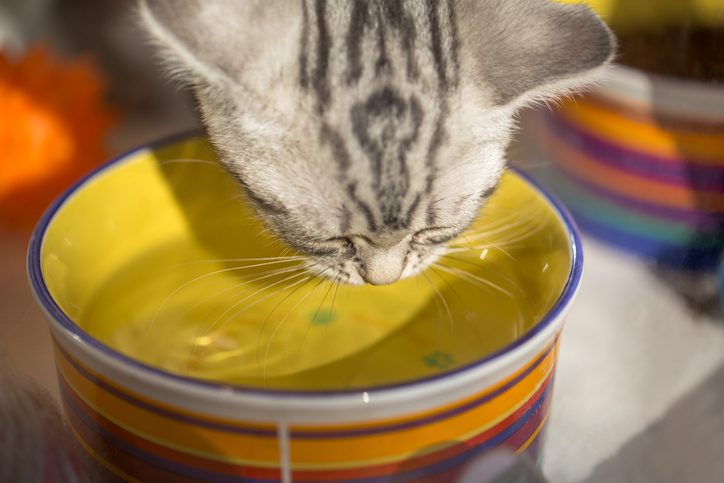
Always offer clean, fresh water daily. Change the water at least once a day. Use shallow bowls that are easy for cats to reach. Some cats prefer running water, so a cat water fountain can encourage drinking. Place water bowls in quiet, accessible spots around the house.
Wet Food Diet
Feed your cat wet food regularly. Wet food contains high moisture content, which helps increase fluid intake. It also supports kidney health and digestion. Mixing wet and dry food can balance hydration and nutrition. Observe your cat’s preference and adjust the diet accordingly.
Monitoring Health Conditions
Keep track of your cat’s health regularly. Watch for signs like dry gums, lethargy, or reduced appetite. Schedule routine vet visits to detect early health issues. Certain illnesses increase dehydration risk. Prompt treatment helps maintain hydration and overall wellbeing.

Credit: www.youtube.com
When To Seek Veterinary Help
Knowing when to seek veterinary help for a dehydrated cat is crucial. Dehydration can worsen quickly and lead to serious health issues. Early action can save your cat’s life. Watch closely for signs that need professional care.
Persistent Symptoms
Symptoms like lethargy, dry gums, or sunken eyes lasting more than 24 hours need attention. If your cat keeps refusing water or food, do not wait. Persistent signs often mean dehydration is not improving on its own.
Severe Dehydration
Severe dehydration requires immediate veterinary care. Signs include rapid breathing, weak pulse, and collapse. Your cat may have very sticky gums or skin that stays tented when pinched. These symptoms show urgent medical help is necessary.
Underlying Health Issues
Dehydration can result from other illnesses. Conditions like kidney disease, diabetes, or infections often cause fluid loss. A vet can diagnose and treat these problems properly. Don’t ignore dehydration if your cat has a known health issue.
Frequently Asked Questions
How Can I Tell If My Cat Is Dehydrated?
Look for signs like dry gums, lethargy, sunken eyes, and loss of skin elasticity. Cats may also drink less water or urinate less frequently when dehydrated.
What Are Common Symptoms Of Cat Dehydration?
Common symptoms include dry mouth, panting, weak pulse, and decreased appetite. Behavioral changes such as irritability or restlessness may also indicate dehydration.
Why Is My Cat Drinking Less Water Suddenly?
Reduced water intake can result from illness, stress, or dehydration itself. It’s essential to monitor your cat and consult a vet if low drinking persists.
How Do I Check My Cat’s Hydration At Home?
Gently pinch the skin at the back of the neck. If it doesn’t quickly return to normal, your cat may be dehydrated.
Conclusion
Cats need water to stay healthy and active. Signs of dehydration are easy to spot once you know what to watch for. Checking your cat’s gums, skin, and behavior helps find problems early. Acting fast can prevent serious health issues.
Keep fresh water available and encourage your cat to drink. Regular vet visits also catch dehydration before it worsens. Remember, small steps protect your cat’s well-being every day. Stay alert, care kindly, and your cat will thank you with happy purrs.
