

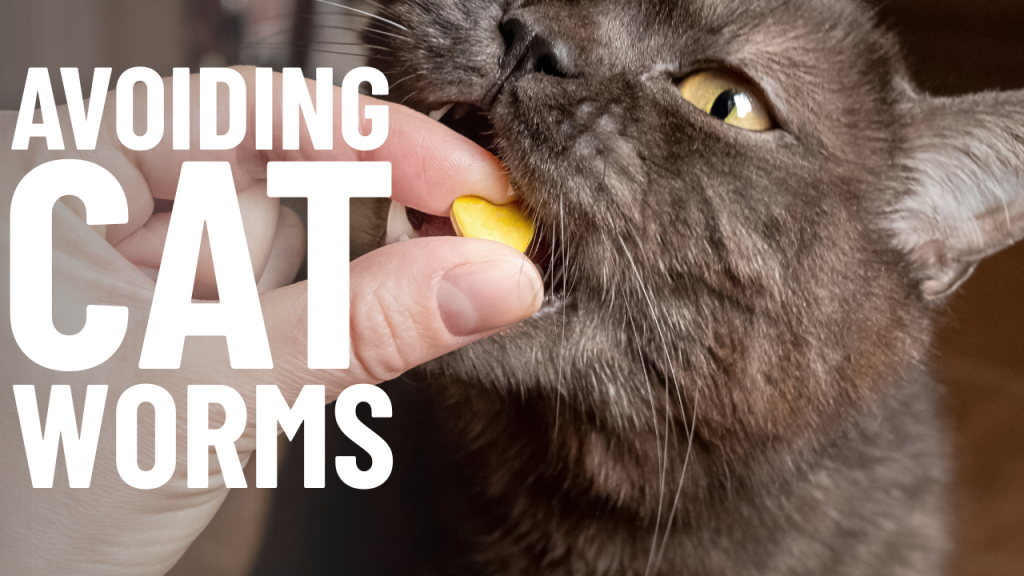
Are you worried that your cat might have worms but aren’t sure what signs to look for? It can be hard to tell if your furry friend is struggling with this common problem.
Knowing the right symptoms and what to watch for can help you act fast and keep your cat healthy. You’ll discover clear, easy ways to spot if your cat has worms and what steps you should take next. Keep reading to protect your pet and give yourself peace of mind.
Common Symptoms Of Worms In Cats
Noticing the common symptoms of worms in your cat can save you a lot of trouble and help your furry friend get the right treatment quickly. Worms often hide behind subtle signs that many cat owners overlook. Knowing what to look for helps you take action before the problem worsens.
Weight Loss Despite Normal Eating
If your cat is eating just like before but still losing weight, it’s a red flag. Worms consume nutrients inside your cat’s intestines, leaving less for your pet’s body. You might see your cat looking thinner, even if its appetite hasn’t changed.
Have you ever wondered why your cat seems hungry all the time but still looks skinny? This symptom often indicates that worms are stealing the nutrition your cat needs to stay healthy.
Bloated Or Swollen Stomach
A swollen belly in cats, especially young ones, can mean worms are inside. This bloating happens because worms irritate the intestines and cause inflammation. Sometimes, the stomach looks round and tight, which might make you think your cat has overeaten or is pregnant.
Check if your cat’s belly feels firm or if it’s tender when touched. A bloated stomach combined with other symptoms should prompt a visit to the vet.
Dull Coat And Hair Loss
Have you noticed your cat’s fur losing its shine or clumps of hair falling out? Worm infections can cause poor nutrient absorption, which affects the skin and coat health. A once glossy coat may become rough, dull, or patchy without any changes in grooming habits.
Watch for scratching or biting at the skin, which can also signal discomfort caused by worms. Healthy fur reflects a healthy cat, so a dull coat is a sign you shouldn’t ignore.
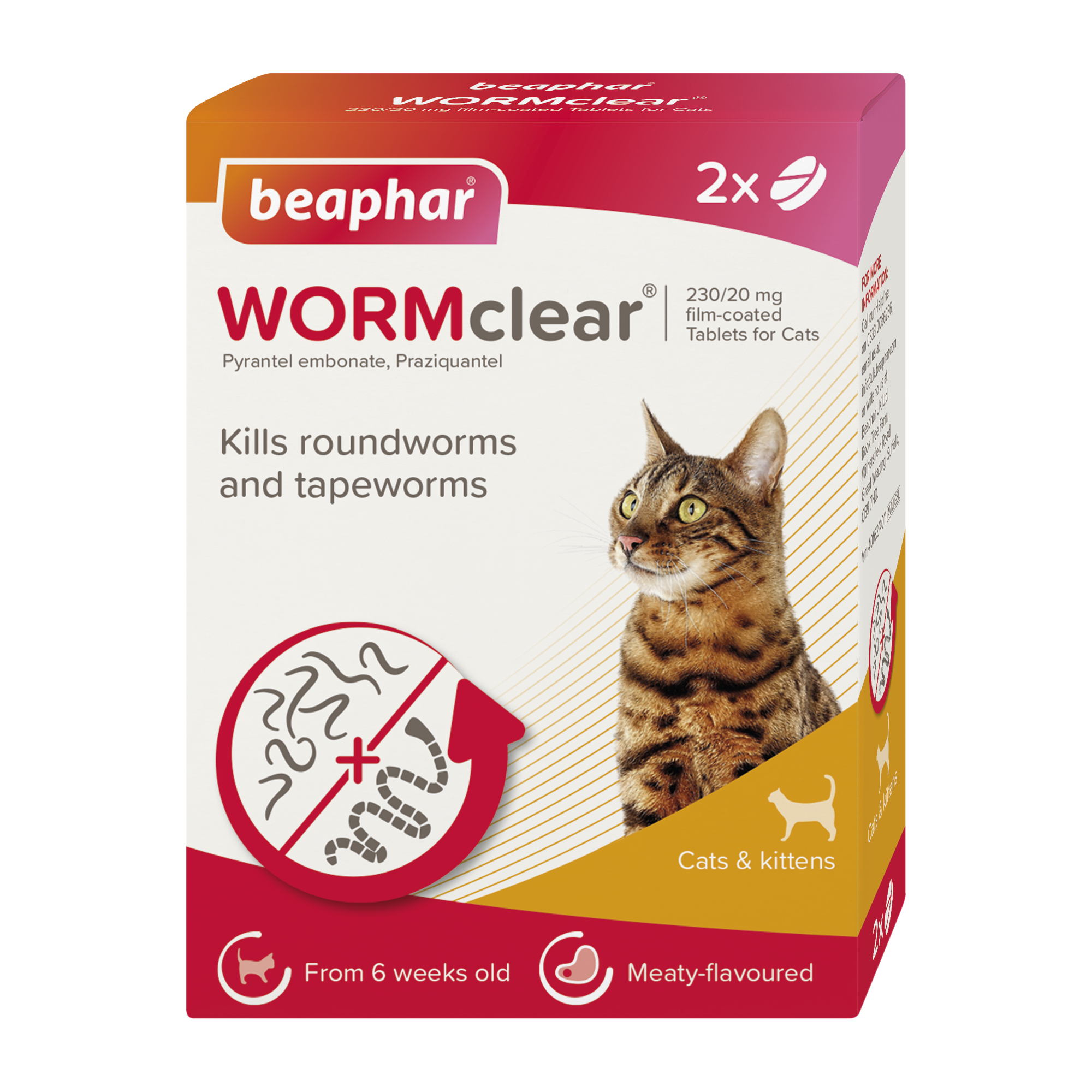
Credit: www.beaphar.co.uk
Behavioral Changes
Behavioral changes in your cat can be one of the first signs that something isn’t right, including a possible worm infection. Unlike physical symptoms, these changes might be subtle and easy to miss if you’re not paying close attention. Observing your cat’s day-to-day habits closely can provide valuable clues about their health.
Increased Scratching Or Biting
If your cat suddenly starts scratching or biting themselves more than usual, it could mean irritation caused by worms. Worms can lead to itchy skin or discomfort around the anus, making your cat restless. Have you noticed your cat obsessively licking or biting certain spots? This behavior is a red flag that deserves a vet’s attention.
Lethargy And Decreased Activity
Worms can sap your cat’s energy, leaving them unusually tired or less playful. If your lively cat is suddenly spending most of the day sleeping or hiding, it’s a warning sign. Pay attention to how often your cat moves around or interacts with you. Changes here might indicate an internal problem like a worm infestation.
Unusual Eating Habits
Worms can affect your cat’s appetite in different ways. Some cats might eat more to compensate for the nutrients the worms steal, while others might lose interest in food altogether. Have you seen your cat begging for food more often or turning away from their meals? Both behaviors can signal discomfort caused by worms.
Digestive Signs
Digestive signs are often the first clues that your cat might have worms. These signs can vary in severity but usually affect your cat’s normal eating and bathroom habits. Paying close attention to changes in digestion can help you catch a worm problem early before it worsens.
Frequent Vomiting
If your cat is throwing up more often than usual, it could be a sign of worms irritating their stomach or intestines. Occasional vomiting happens to all cats, but frequent episodes should raise concern. Notice if the vomit contains anything unusual, like small white segments—these could be worm pieces.
Diarrhea Or Loose Stools
Worms often cause your cat’s bowel movements to become loose or watery. Diarrhea may come and go, or it could be persistent, which can lead to dehydration if untreated. If you see mucus or blood in the stool, it’s a clear red flag to check for parasites immediately.
Presence Of Worms In Feces
Spotting worms in your cat’s feces is a direct sign of infestation. These can look like small rice grains or spaghetti strands. Even if you don’t see the worms yourself, unusual shapes or textures in the stool warrant a vet visit and stool test to confirm.
Respiratory Indicators
Respiratory signs often reveal worm infections in cats early. Parasites can irritate the lungs and airways. This irritation leads to visible breathing problems. Watching your cat’s breathing closely helps spot issues fast. Respiratory symptoms need quick attention to avoid serious health risks.
Coughing And Wheezing
Coughing is a common sign of worms in the lungs. Cats may cough often or have a harsh, dry cough. Wheezing sounds come from blocked airways. These sounds occur when your cat breathes in or out. Notice if coughing or wheezing happens after play or rest. Persistent coughing or wheezing means a vet visit is needed.
Difficulty Breathing
Worms can cause trouble breathing in cats. You might see fast or shallow breaths. Your cat may breathe with its mouth open. Breathing may look labored or strained. This problem worsens as worms multiply and block airways. Sudden breathing difficulty is an emergency. Seek veterinary help immediately to protect your cat’s health.
Physical Examination Clues
Physical examination clues can offer early signs that your cat might have worms. You don’t need special tools—just a careful look and a gentle touch to spot warning signals. Observing your cat’s body closely helps catch issues before they become serious.
Checking Gums And Eyes
Look at your cat’s gums and eyes for unusual changes. Healthy gums should be pink and moist, not pale or yellowish. Pale gums can signal anemia, which some types of worms cause by stealing your cat’s nutrients.
Check the eyes for any cloudiness or redness. Worm infections sometimes cause eye problems or inflammation. Have you noticed your cat squinting or rubbing its eyes more often than usual?
Inspecting Under The Tail
Carefully lift your cat’s tail to check the area underneath. Worms often leave behind small white segments that look like grains of rice. These segments might move, and you could find them on your cat’s fur or bedding.
Also, look for redness, swelling, or irritation around the anus. Worms can cause itching, making your cat scratch or lick the area excessively. If your cat seems uncomfortable or restless, this spot deserves a closer look.
Types Of Worms In Cats
Cats can get different types of worms. Each type affects their health in unique ways. Knowing the common worms helps you spot signs early. Treating worms quickly keeps your cat happy and healthy.
Roundworms
Roundworms are long and white. They look like spaghetti in your cat’s stool. Kittens get roundworms easily from their mother. These worms live in the intestines and steal nutrients. Your cat may vomit or have a bloated belly.
Tapeworms
Tapeworms appear as small, flat segments. These segments may look like grains of rice near your cat’s anus. Fleas often carry tapeworm eggs. Cats get infected by swallowing fleas during grooming. Tapeworms cause weight loss and irritation around the tail.
Hookworms
Hookworms are tiny but dangerous. They use hooks to attach inside the intestines. These worms suck blood, causing anemia. Symptoms include pale gums, weakness, and diarrhea. Kittens are at high risk for hookworm infections.
Risk Factors For Worm Infestation
Understanding the risk factors for worm infestation in cats helps you protect your furry friend before problems start. Worms can be sneaky, and certain habits or environments increase your cat’s chances of getting infected. By knowing these risk factors, you can spot potential dangers early and take action.
Outdoor Cats Vs. Indoor Cats
Outdoor cats face a higher risk of worm infestation than indoor cats. They roam freely and often hunt small animals like rodents or birds, which can carry worm larvae. Additionally, outdoor cats may come into contact with contaminated soil or feces, increasing their exposure.
Indoor cats are generally safer but not completely risk-free. If your indoor cat sneaks outside occasionally or you bring in soil or plants from outside, worms can still find their way in. Consider how often your cat goes outdoors and what kind of environment surrounds your home.
Exposure To Infected Animals
Contact with other animals is a major risk factor. Cats that share space with infected animals or visit places like shelters and boarding facilities have a higher chance of picking up worms. Even interactions with stray cats or wildlife can be risky.
Think about your cat’s social habits. Does your cat play with neighborhood cats or visit places where other animals gather? If yes, regular deworming and vet check-ups become even more important to catch any issues early.

Credit: harmonypetclinic.com
When To Consult A Veterinarian
Knowing when to consult a veterinarian is crucial if your cat shows signs of worms. Early professional help can prevent serious health issues. Some symptoms may seem mild but need expert care.
Watch your cat closely. Persistent signs can indicate a worm infection. Timely vet visits ensure proper diagnosis and treatment.
Persistent Symptoms
Seek veterinary advice if your cat has ongoing symptoms like:
- Diarrhea lasting more than two days
- Frequent vomiting
- Visible worms in stool or around the anus
- Weight loss despite eating well
- Excessive scratching or hair loss
- Bloated or swollen abdomen
These signs can mean worms or other illnesses. A vet can run tests to find the cause.
Preventive Measures
Regular vet check-ups help prevent worm infestations. Discuss deworming schedules with your veterinarian. Keep your cat’s environment clean and free from fleas. Avoid letting your cat hunt rodents or birds, which can carry worms.
Proper hygiene and timely treatments keep your cat healthy and worm-free.
Preventive Care And Treatment Options
Taking care of your cat’s health means staying ahead of common issues like worms. Preventive care and timely treatment can save your furry friend from discomfort and serious health problems. Let’s look at practical ways you can protect your cat from worms and know the best treatment options available.
Regular Deworming Schedule
Keeping a consistent deworming routine is key to preventing worm infestations. Your vet can recommend how often your cat needs deworming based on age, lifestyle, and risk factors. Some cats require treatment every few months, while others might need it less frequently.
Remember, skipping doses or delaying treatment can allow worms to multiply. You might not see symptoms right away, but the worms can still harm your cat internally. Ask your vet about the safest and most effective deworming products for your cat’s specific needs.
Maintaining A Clean Environment
Worm eggs and larvae often hide in your cat’s surroundings. Regularly cleaning litter boxes, bedding, and play areas reduces the risk of reinfection. Dispose of feces promptly and wash your hands after handling litter to protect both your cat and yourself.
Outdoor cats face extra risks from soil and other animals. If your cat roams outside, check their resting spots for dirt or debris that might carry worms. Keeping your home and yard tidy creates a safer space for your pet.
Dietary Considerations
What your cat eats can influence their vulnerability to worms. Avoid feeding raw meat or fish, as these can harbor parasite larvae. Instead, offer high-quality commercial cat food or properly cooked homemade meals.
Adding a small amount of pumpkin or certain herbs to your cat’s diet may help support digestive health. Have you noticed changes in your cat’s appetite or digestion? These could signal a worm problem that diet alone can’t fix, so consult your vet promptly.

Credit: justcatsclinic.com
Frequently Asked Questions
How Can I Tell If My Cat Has Worms?
Look for symptoms like weight loss, vomiting, diarrhea, and a bloated belly. Worms can cause visible segments in feces or around the anus. Regular vet check-ups and fecal tests help confirm worm infections in cats.
What Are Common Signs Of Worms In Cats?
Common signs include itching around the rear, scooting, poor coat condition, and lethargy. Worms often cause digestive upset and visible worms in vomit or stool. Early detection is key to effective treatment.
Can Worms Make My Cat Lose Weight Suddenly?
Yes, worms absorb nutrients and cause malnutrition, leading to sudden weight loss. Even a healthy-looking cat can have worms causing internal damage. Prompt deworming medication prescribed by a vet is essential.
Is It Necessary To Visit A Vet For Worm Diagnosis?
Yes, only a vet can accurately diagnose worms through fecal exams and physical checks. Self-diagnosis is unreliable and risks incorrect treatment. Regular vet visits ensure timely detection and safe treatment.
Conclusion
Cats with worms often show clear signs. Watch for changes in appetite or behavior. Check your cat’s stool for unusual things. Regular vet visits help catch worms early. Treating worms quickly keeps your cat healthy. Clean your cat’s living area often.
Stay alert to avoid serious health problems. Protect your furry friend with care and attention. Worms can be managed with simple steps. Your cat’s well-being depends on your actions.
