


Is your cat scratching more than usual or showing strange bald patches? You might be wondering, “How do I know if my cat has ringworm?” It’s a common skin infection that can spread quickly if left untreated.
Knowing the signs early can save your furry friend from discomfort and protect your whole family. You’ll discover the simple ways to spot ringworm, what to watch for, and how to keep your cat healthy. Keep reading—you’ll want to know this before it’s too late.
What Is Ringworm In Cats
Ringworm is a common skin infection in cats. Despite its name, ringworm is not a worm. It’s a fungal infection affecting the skin, hair, and nails. Cats can easily catch and spread it. Recognizing ringworm in your cat is important for treatment.
What Causes Ringworm In Cats?
Ringworm is caused by fungi called dermatophytes. These fungi live in soil and on the skin of infected animals. Cats contract the fungus through direct contact with infected animals or contaminated objects. It’s highly contagious and can spread quickly among pets.
Signs And Symptoms Of Ringworm In Cats
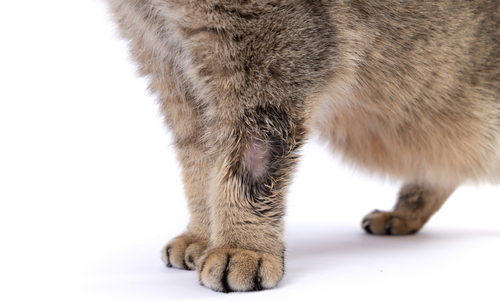
Watch for hair loss in circular patches. These patches are often red and scaly. Your cat might scratch these areas frequently. Broken or brittle nails can also indicate ringworm. Some cats might show no symptoms but still carry the fungus.
Why Is Ringworm A Concern?
Ringworm can spread to humans and other pets. It can cause skin irritation and discomfort. Early detection and treatment can prevent spreading. Proper hygiene and cleanliness reduce the risk of spreading.
Common Symptoms To Notice
Ringworm in cats shows clear signs on their skin and fur. Spotting these signs early helps protect your cat and others. Watch closely for changes in your cat’s coat and skin texture.
Hair Loss Patterns
Hair loss is often the first sign of ringworm. It appears as round, bald patches. These patches may grow larger over time. The fur around these areas can look thin or broken. Check your cat’s head, ears, and legs carefully.
Redness And Inflammation
The affected skin may look red and swollen. It can feel warm to the touch. This happens because the infection causes irritation. The redness often surrounds the bald patches. Inflammation may cause your cat discomfort.
Scaly Or Crusty Patches
Look for dry, scaly skin on the affected areas. The skin may also form crusts or flakes. These patches can be rough and raised. The scales can be white, gray, or yellowish. This texture change is a common sign of ringworm.
Itching And Discomfort
Your cat may scratch or lick the infected spots often. This shows the skin feels itchy or sore. Excessive grooming can worsen the condition. Watch for restless behavior and signs of pain. Itching is a key symptom to note.
Behavioral Changes To Observe
Behavioral changes in your cat can hint at ringworm infection. Cats often show signs through actions before visible skin issues appear. Observing these shifts helps catch the problem early. Watch for unusual habits or moods that differ from normal.
Increased Scratching
Scratching more than usual signals skin irritation. Your cat may paw at certain spots repeatedly. This behavior suggests discomfort or itchiness caused by ringworm. Look for frequent scratching around the ears, face, or paws.
Excessive scratching can lead to skin wounds or hair loss. Monitor if your cat’s scratching worsens or spreads to new areas. Such behavior often demands a vet’s attention soon.
Lethargy Or Irritability
Ringworm may make your cat feel tired or weak. A usually playful cat might become quiet or inactive. This drop in energy can indicate illness.
Irritability is another sign to watch. Your cat might grow snappy or avoid being touched. These mood changes could reflect discomfort from skin infection. Note any shifts in how your cat interacts with people or other pets.

Credit: www.mountpleasant.com.sg
Risk Factors And Causes
Understanding the risk factors and causes of ringworm in cats helps you protect your furry friend effectively. Ringworm is a fungal infection that thrives under certain conditions, making some cats more vulnerable than others. Recognizing these risks early can save you from stressful vet visits and help maintain your cat’s health.
Age And Immune System
Young kittens and older cats are more likely to get ringworm because their immune systems are weaker. If your cat is very young or elderly, it might not fight off infections as well as a healthy adult cat. Have you noticed your kitten scratching more than usual or developing flaky skin? These signs could mean their body is struggling to keep the fungus away.
Contact With Infected Animals
Ringworm spreads easily through direct contact with infected animals or their belongings. If your cat spends time with other pets, especially those with known skin issues, the risk goes up. Think about your cat’s social circle—is it exposed to outdoor strays or new animals at a shelter? Even a casual sniff or touch can pass the fungus along.
Environment And Hygiene
The places your cat lives and plays can influence the chance of catching ringworm. Dirty bedding, crowded shelters, or damp areas encourage fungal growth. Do you clean your cat’s environment regularly? Simple habits like washing blankets and vacuuming can reduce the risk significantly.
How Vets Diagnose Ringworm
Identifying ringworm in your cat can be tricky, especially since its symptoms sometimes mimic other skin issues. That’s why vets use specific diagnostic tools to confirm the presence of this fungal infection. Understanding these tests can help you feel more confident when your vet examines your furry friend.
Wood’s Lamp Examination
This is a quick, non-invasive test that vets often use first. The vet shines a special ultraviolet light called a Wood’s lamp on your cat’s fur. Certain types of ringworm fungi will glow a bright green under this light, making the infection easier to spot.
However, not all ringworm fungi fluoresce. So, a negative result doesn’t always mean your cat is free from ringworm. This test is a helpful initial check but usually isn’t the only one used.
Fungal Culture Tests
Fungal cultures are considered the gold standard for diagnosing ringworm. The vet takes a sample of your cat’s hair or skin flakes and places it in a special growth medium. Over several days, if ringworm fungi are present, they will grow and become visible.
This test takes longer but provides a clear answer. It also helps identify the exact species of fungus, which can influence treatment choices. Patience is key here, as waiting for culture results can be tough when you want to help your cat immediately.
Microscopic Analysis
In this test, the vet examines hair and skin samples under a microscope. They look for fungal spores or hyphae, which are signs of ringworm infection. It’s a quicker method than cultures and can often give results during the same visit.
Yet, spotting these microscopic signs requires skill and a good sample. Sometimes, false negatives happen if the sample isn’t taken from the right spot. That’s why vets often combine this with other tests for a more accurate diagnosis.

Credit: www.aol.com
Preventing Ringworm In Cats
Preventing ringworm in cats is essential to keep your furry friend healthy and your home safe. Ringworm is contagious and can spread quickly, so taking proactive steps helps reduce the risk significantly. Let’s explore practical ways you can protect your cat from this uncomfortable skin infection.
Regular Grooming
Grooming your cat regularly helps you spot any skin changes early. While brushing, check for bald spots, scaly areas, or redness—these can be early signs of ringworm. Keeping your cat’s coat clean also removes dirt and loose fur that fungi might cling to.
Have you noticed how some cats groom themselves less when stressed or sick? That’s why your hands-on grooming routine becomes even more important—it’s your chance to notice anything unusual before it gets worse.
Clean Living Spaces
Ringworm spores can survive in your cat’s environment for months. Regularly cleaning bedding, toys, and litter boxes reduces the chance of reinfection. Use a pet-safe disinfectant and wash fabrics in hot water to kill any lingering spores.
Think about how often you clean your cat’s favorite spots. Could increasing cleaning frequency make a difference? Even vacuuming floors and furniture often helps remove spores from the environment.
Isolating Infected Pets
If you suspect your cat has ringworm, isolate them from other pets immediately. This limits the spread of the infection and gives you better control over treatment. Create a comfortable, quiet space where your infected cat can rest without coming into contact with others.
Isolation might feel tough, but it’s crucial. Have you prepared a separate area in advance just in case? Doing this early can save you stress and protect your other pets from catching ringworm.
Credit: kingstownecatclinic.com
Frequently Asked Questions
What Are The Common Signs Of Ringworm In Cats?
Ringworm in cats often shows as circular, hairless patches. The skin may appear red or scaly. Cats might scratch or groom these areas excessively. These symptoms signal a fungal infection requiring veterinary diagnosis.
How Can I Tell If My Cat’s Skin Is Infected?
Look for redness, flaking, or crusty spots on your cat’s skin. Hair loss in round patches is common. If your cat frequently scratches or licks a spot, infection is likely. Prompt vet care is essential for confirmation.
Can Ringworm Cause Hair Loss In Cats?
Yes, ringworm causes circular patches of hair loss. These bald spots often have scaly or red skin underneath. Hair loss combined with itching strongly indicates a fungal infection. Early detection helps prevent spread and speeds recovery.
Is Ringworm Contagious To Humans From Cats?
Yes, ringworm is contagious and can spread from cats to humans. Direct contact with infected areas causes transmission. Wash hands thoroughly after handling your cat. Consult a doctor if you notice similar skin symptoms.
Conclusion
Cats with ringworm often show clear signs like hair loss and red patches. Early detection helps your cat heal faster and prevents spread. Watch your cat’s skin and behavior closely every day. Visit a vet for proper diagnosis and treatment advice.
Treating ringworm quickly keeps your cat comfortable and healthy. Keep your home clean to stop the fungus from spreading. Taking these steps protects both your pet and family. Stay alert, act fast, and help your cat feel better soon.
