

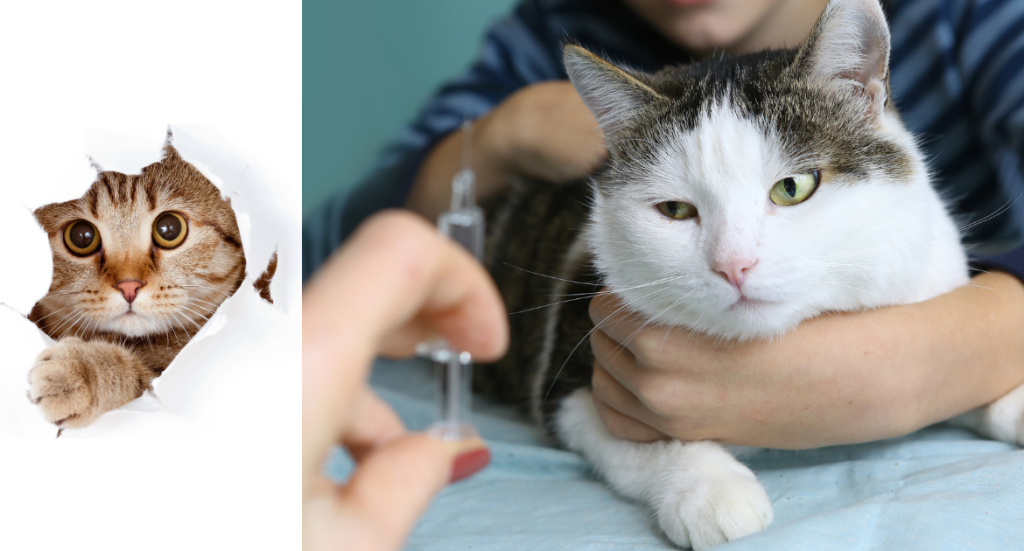
You love your cat and want to keep them safe. But what if your furry friend shows strange behavior?
How do you know if your cat has rabies? This question can be scary, but knowing the signs can protect both you and your pet. You’ll learn clear and simple ways to spot the warning signals of rabies in cats.
By understanding what to watch for, you can act quickly and keep everyone safe. Keep reading to find out exactly what you need to know.

Credit: mccallumcentreanimalhospital.com
Rabies Basics
Understanding the basics of rabies is crucial if you suspect your cat might be at risk. Rabies is a viral disease that can affect all mammals, including humans. It is important to recognize the signs early to protect both your cat and yourself.
What Is Rabies?
Rabies is a deadly virus that attacks the central nervous system. It is transmitted through the saliva of an infected animal, usually through a bite. Once symptoms appear, the disease is almost always fatal.
Symptoms in animals can include aggression, excessive drooling, difficulty swallowing, and staggering. If you notice any of these signs, it’s vital to seek veterinary help immediately.
How Cats Contract Rabies
Cats can contract rabies through interactions with infected wildlife, like raccoons, bats, or foxes. Even a seemingly minor bite can be enough for transmission. If your cat spends time outdoors, the risk increases significantly.
Vaccination is the best protection against rabies. Keep your cat’s vaccinations up to date and monitor any outdoor activities. Have you checked your cat’s vaccination records recently?
Think about the environments your cat frequents. Are there wildlife or stray animals nearby? These factors play a crucial role in assessing the risk.

Credit: mccallumcentreanimalhospital.com
Early Signs In Cats
Recognizing the early signs of rabies in cats is crucial for their safety and yours. Rabies affects the brain and behavior, causing noticeable changes. These changes often appear before severe symptoms develop. Knowing what to watch for can help you act quickly.
Behavioral Changes
- Sudden aggression or unusual irritability
- Excessive hiding or withdrawal from people
- Restlessness or pacing without reason
- Unexplained fearfulness or anxiety
- Loss of appetite or refusal to eat
- Increased vocalization, such as yowling or growling
Physical Symptoms
- Weakness or difficulty walking
- Drooling or foaming at the mouth
- Seizures or trembling
- Paralysis in the face or limbs
- Swelling around the bite or scratch area
- Fever or changes in body temperature
Advanced Symptoms
Recognizing advanced symptoms of rabies in your cat is crucial because these signs indicate the disease has progressed and requires immediate veterinary attention. At this stage, the symptoms become more severe and harder to ignore. Knowing what to look for can make a difference in your cat’s health and safety.
Aggression And Restlessness
A cat with rabies may suddenly become aggressive, even if it is usually calm and friendly. You might notice your cat growling, biting, or scratching without clear reason. Restlessness is common too; your cat could pace constantly or seem unable to settle down.
Have you seen your cat act out of character lately? This sudden change in behavior could be a red flag that something serious is wrong.
Paralysis And Weakness
As rabies advances, your cat may struggle to move properly. Weakness often starts in the hind legs and can spread quickly. Paralysis can set in, making it difficult or impossible for your cat to walk or even hold its head up.
If you notice your cat stumbling or dragging its paws, don’t ignore these signs. It’s a critical moment to seek help immediately.
Excessive Salivation
One of the more obvious symptoms is excessive drooling or foaming at the mouth. Rabies affects the nerves controlling swallowing, causing saliva to build up. You might see your cat licking its lips frequently or having difficulty swallowing food and water.
Does your cat’s mouth seem wetter than usual, or is there unexplained drool on their fur? This symptom is a strong indicator that rabies could be present.
Differentiating Rabies From Other Illnesses
Spotting the signs of rabies in your cat can be tricky because many symptoms overlap with other common illnesses. Differentiating rabies from other health issues is crucial to ensure your pet receives the right treatment and to protect your household. Understanding what sets rabies apart helps you act quickly and confidently.
Common Misdiagnoses
Rabies symptoms often mimic other diseases like feline distemper, toxoplasmosis, or even neurological disorders such as epilepsy. For example, aggression or confusion in your cat might be mistaken for a behavioral issue or stress rather than a viral infection.
Symptoms like excessive drooling, difficulty swallowing, and paralysis could easily be linked to poisoning or trauma instead of rabies. Have you noticed your cat suddenly avoiding water or showing unusual fearfulness? These subtle clues can signal rabies but are often overlooked.
Because rabies progresses rapidly, delays in correct diagnosis can be fatal. If your veterinarian suspects rabies, they will consider your cat’s history, exposure risks, and conduct specific tests to rule out other illnesses.
When To Seek Veterinary Help
Any sudden change in your cat’s behavior or physical condition should prompt an immediate visit to the vet. Don’t wait for symptoms to worsen—early evaluation can save your cat’s life and keep your family safe.
Watch for signs like aggression, excessive salivation, difficulty walking, or seizures. These are red flags that require urgent professional attention.
If your cat has been exposed to wild animals or unvaccinated pets, inform your vet right away. This information helps them assess the risk of rabies and decide the best course of action.
Preventing Rabies In Cats
Preventing rabies in cats is crucial to keep your furry friend safe and healthy. Rabies is a deadly virus that affects the nervous system and can be transmitted to humans as well. Taking proactive steps to prevent exposure and ensuring your cat is vaccinated are your best defenses against this dangerous disease.
Vaccination Importance
Vaccinating your cat against rabies is not just a recommendation—it’s often a legal requirement. This vaccine is highly effective and provides immunity that protects your cat from the virus.
Think about the last time you visited the vet. Did you confirm that your cat’s rabies vaccine was up to date? If not, schedule an appointment immediately. Regular boosters are necessary because immunity can fade over time.
Vaccination also helps protect your family and community by reducing the risk of rabies transmission. Would you want your cat to be a potential source of danger?
Avoiding Exposure
Preventing your cat from coming into contact with wild animals is key. Rabies spreads mostly through bites from infected animals like bats, raccoons, and foxes.
Keep your cat indoors, especially at night when wildlife is more active. If your cat goes outside, supervise their time outdoors or create a secure outdoor enclosure to limit encounters.
Check your yard for openings where wild animals could enter and keep pet food indoors to avoid attracting them. What steps can you take today to make your home a safer space for your cat?
What To Do If You Suspect Rabies
Suspecting rabies in your cat requires quick action. Rabies is a deadly disease that spreads to humans and animals. Protect your family and community by following the right steps.
Quarantine Measures
Keep your cat away from people and other animals immediately. Use a separate room or enclosed space for isolation. Avoid direct contact with your cat’s saliva or scratches. Monitor your cat’s behavior closely for any changes. Do not let your cat roam outside until a vet confirms it is safe.
Contacting Animal Control
Call your local animal control or public health department right away. They have the tools and knowledge to handle suspected rabies cases. Provide details about your cat’s symptoms and recent behavior. Follow their instructions carefully for testing and safe handling. Early reporting helps prevent the spread of rabies in your community.

Credit: www.reddit.com
Frequently Asked Questions
What Are Common Signs Of Rabies In Cats?
Common signs include sudden aggression, excessive drooling, paralysis, difficulty swallowing, and unusual vocalizations. Behavioral changes often appear rapidly.
How Quickly Do Rabies Symptoms Show In Cats?
Symptoms usually appear within 2 to 12 weeks after exposure. The incubation period depends on the bite location and virus amount.
Can A Vaccinated Cat Still Get Rabies?
Vaccinated cats have strong protection, but no vaccine is 100% effective. Booster shots are essential to maintain immunity.
What Should I Do If I Suspect My Cat Has Rabies?
Isolate your cat immediately and contact your veterinarian. Avoid direct contact to prevent exposure and follow professional advice.
Conclusion
Watching your cat’s behavior closely helps spot signs of rabies early. Sudden aggression, excessive drooling, or strange movements need quick attention. Rabies is very serious and can spread to humans. Always keep your cat’s vaccinations up to date. Contact a vet immediately if you notice unusual symptoms.
Early action can protect both your pet and family. Stay calm and act fast. Your cat’s health depends on your care.
