

Are you worried that your cat might be scratching its ears more than usual? Ear mites are a common problem that can cause your furry friend a lot of discomfort.
But how do you know if your cat has ear mites or just a simple ear irritation? If you’ve noticed your cat shaking its head or rubbing its ears against furniture, it’s important to find out what’s really going on.
You’ll learn the clear signs to watch for and what you can do to help your cat feel better fast. Keep reading to protect your cat’s health and comfort before the problem gets worse.
Credit: justcatsclinic.com
Common Signs Of Ear Mites
Ear mites can be a common issue for cats. Recognizing the signs early helps in managing them effectively. Here are some common signs that your cat might have ear mites:
Excessive Scratching
Cats with ear mites often scratch their ears a lot. Itching is persistent and seems to bother them continuously. Watch for frequent pawing at their ears.
Ear Discharge And Odor
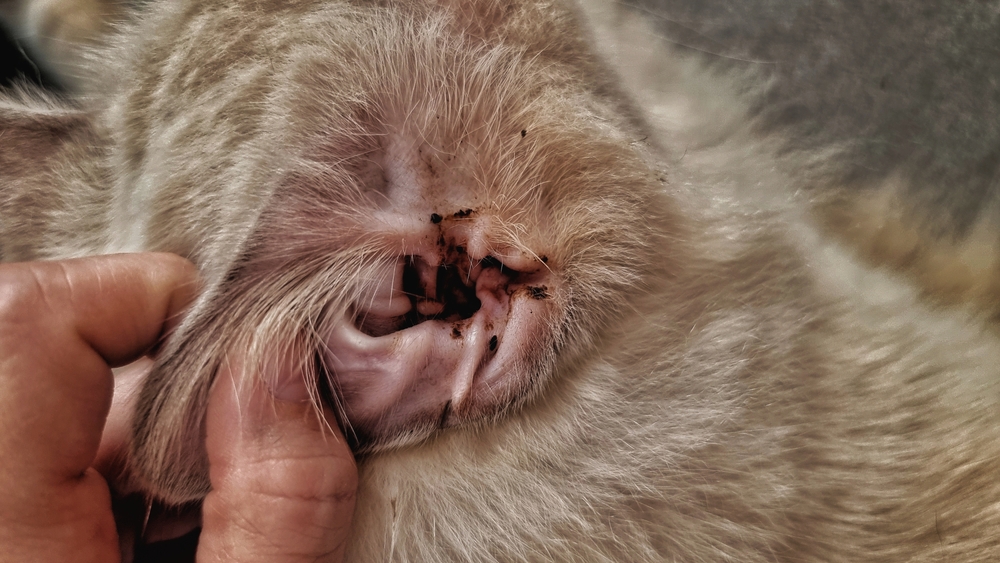
Ear mites often cause a noticeable discharge. The discharge can be dark and waxy. A strong, unpleasant odor might also accompany it.
Head Shaking
Cats may shake their heads often to relieve discomfort. This shaking is a common sign and can indicate irritation. Keep an eye out for constant or violent head movements.
Inflamed Or Red Ears
Ear mites can cause redness and inflammation. The ears might appear swollen or tender. This inflammation is usually visible and noticeable.
Dark Debris In The Ear
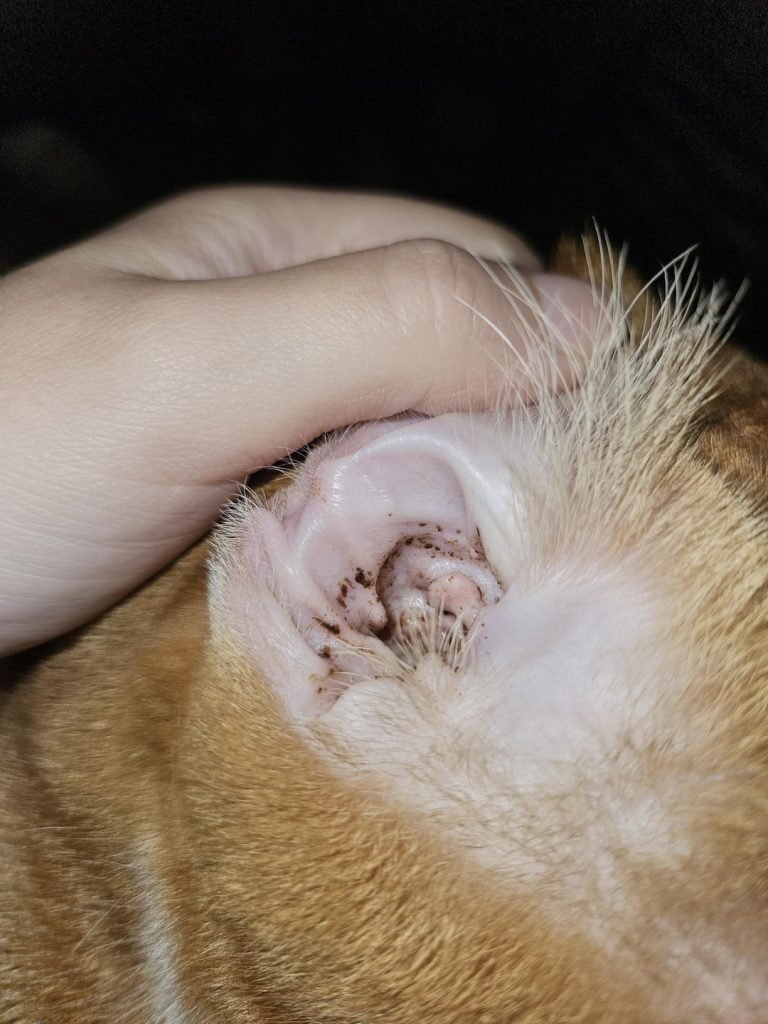
Look for dark debris or crusts inside the ear. This debris resembles coffee grounds. It’s a clear indication of ear mites.

Credit: www.holistapet.com
How Ear Mites Affect Cats
Ear mites can cause serious problems for cats. These tiny parasites live inside the ear canal. Their presence leads to discomfort and health issues. Understanding how ear mites affect cats helps in spotting signs early. It also highlights the need for quick treatment.
Irritation And Discomfort
Ear mites cause intense itching inside the ear. Cats scratch their ears often, trying to relieve the itch. This scratching can damage the skin. It may cause redness and swelling. Sometimes, cats shake their heads to try and remove the mites.
Secondary Infections
Scratching and irritation can break the skin barrier. This allows bacteria or yeast to enter. These germs cause infections inside the ear. Infected ears may produce a dark, smelly discharge. Infections can make the problem worse and harder to treat.
Impact On Hearing
Ear mites and infections can block the ear canal. This blockage affects a cat’s hearing ability. Cats may seem less responsive to sounds. Long-term damage can occur if mites stay untreated. Protecting your cat’s ears is crucial for healthy hearing.
Diagnosing Ear Mites
Diagnosing ear mites in cats is essential for quick relief and proper treatment. These tiny parasites cause itching and discomfort. Early diagnosis helps prevent infections and other ear problems. Knowing how professionals identify ear mites aids pet owners in seeking the right care.
Veterinary Examination
A vet starts by checking the cat’s ears carefully. They look for signs like redness, swelling, or dark debris. These signs often indicate mites or other ear issues. The vet also asks about the cat’s behavior, such as scratching or shaking the head. This step helps rule out other causes of ear irritation.
Microscopic Ear Swab Test
The vet collects a small sample from inside the ear using a cotton swab. This sample contains debris, wax, and possibly mites. The sample is examined under a microscope. Ear mites are visible as tiny, moving creatures. This test confirms the presence of mites quickly and accurately. It guides the vet in choosing the right treatment for the cat.

Credit: www.reddit.com
Treatment Options
Dealing with ear mites in your cat can feel overwhelming, but knowing the right treatment options can make a huge difference. Effective treatment not only clears the mites but also helps your cat feel comfortable again quickly. Let’s look at some practical ways to tackle this pesky problem.
Topical Medications
Topical treatments are often the first choice for treating ear mites. These medications are applied directly into your cat’s ear and work by killing the mites on contact.
You might find products containing ingredients like selamectin or moxidectin at your vet’s office. These are easy to use and usually require just one or two applications spaced days apart.
Have you noticed your cat scratching less after just a few treatments? That’s a good sign the topical medication is working.
Oral Medications
Sometimes, vets prescribe oral medications to fight ear mites, especially if the infestation is severe or resistant to topical solutions.
These pills or liquids target mites systemically, meaning they work from inside your cat’s body. This approach can be helpful if your cat has other skin issues or infections alongside ear mites.
Always follow your vet’s dosage instructions carefully to avoid side effects. It’s worth asking if oral meds might be a better fit for your cat’s specific situation.
Cleaning The Ears Safely
Cleaning your cat’s ears is an important step before and during treatment. Removing debris and wax helps medications reach the mites more effectively.
Use a vet-approved ear cleaner and cotton balls—never cotton swabs, as they can damage the ear canal. Gently wipe out the ear while your cat is calm.
Have you tried cleaning your cat’s ears before? If it’s been stressful, try giving treats or soothing petting to make it a positive experience. This small effort can speed up recovery and prevent future infestations.
Preventing Ear Mite Infestations
Preventing ear mite infestations is key to keeping your cat healthy and happy. Ear mites cause itching, discomfort, and infections. Taking simple steps can protect your cat from these pests. Regular care and attention reduce the chances of an infestation.
Regular Ear Checks
Check your cat’s ears often. Look for redness, black debris, or excessive scratching. Early signs help you act quickly. Use a soft cloth or cotton ball to gently clean the outer ear. Avoid deep cleaning to prevent injury. Regular checks catch problems before they worsen.
Maintaining Clean Living Spaces
Keep your cat’s area clean. Wash bedding and toys regularly. Vacuum floors and furniture to remove dust and mites. Clean feeding areas daily. A clean environment lowers the risk of mites spreading. This helps all pets stay safe and healthy.
Limiting Contact With Infected Animals
Keep your cat away from animals with ear mites. Avoid shared bedding or close play with infected pets. Mites spread easily through direct contact. Quarantine new pets until you confirm they are mite-free. Protect your cat by controlling who they meet.
When To See A Vet
Knowing when to see a vet is crucial for your cat’s health. Ear mites can cause discomfort and lead to serious issues. Early vet visits help catch problems before they worsen. Some signs show that home care is not enough.
Persistent Symptoms
If your cat keeps scratching its ears or shaking its head for more than a week, see a vet. Constant ear discharge or odor is a red flag. Persistent redness or swelling also needs professional care. These signs suggest the ear mites are still active or causing damage.
Signs Of Secondary Infection
Look for crusts, scabs, or oozing in the ear canal. Foul smell or intense redness means infection. Your cat might show pain when you touch its ears. Secondary infections need antibiotics or special treatments. A vet can examine and prescribe the right medicine.
Unresponsive To Treatment
If your cat’s symptoms don’t improve after using ear mite medicine, visit the vet. Sometimes mites resist over-the-counter treatments. Incorrect use of medication may also cause failure. The vet can provide stronger or alternative treatments. Follow-up care ensures full recovery and comfort.
Frequently Asked Questions
What Are Common Signs Of Ear Mites In Cats?
Cats with ear mites often scratch their ears frequently. You may notice dark, crumbly debris resembling coffee grounds. Head shaking and redness inside the ears are typical signs. These symptoms indicate a possible ear mite infestation needing prompt attention.
How Can I Check My Cat’s Ears For Mites?
Gently lift your cat’s ear flap and look inside. Check for dark debris or inflammation. Use a flashlight for better visibility. If you see black or brown specks that move, your cat likely has ear mites.
Can Ear Mites Cause Other Health Issues In Cats?
Yes, untreated ear mites can lead to infections. Persistent scratching may cause sores or wounds. These wounds can become infected, causing pain and discomfort. Early treatment prevents complications and promotes healing.
How Quickly Do Ear Mites Affect A Cat’s Ears?
Ear mites can cause noticeable symptoms within days. They reproduce rapidly, worsening irritation and debris buildup. Early detection and treatment are crucial to prevent severe ear damage.
Conclusion
Ear mites cause discomfort and itching in cats. Watch for frequent scratching or head shaking. Dark debris in the ear is a common sign. Early detection helps prevent infections and pain. Consult a vet for proper diagnosis and treatment. Regular ear checks keep your cat healthy.
Caring for your cat’s ears shows love and attention. Stay alert to symptoms and act quickly. Your cat will thank you with a happy, itch-free life.
