

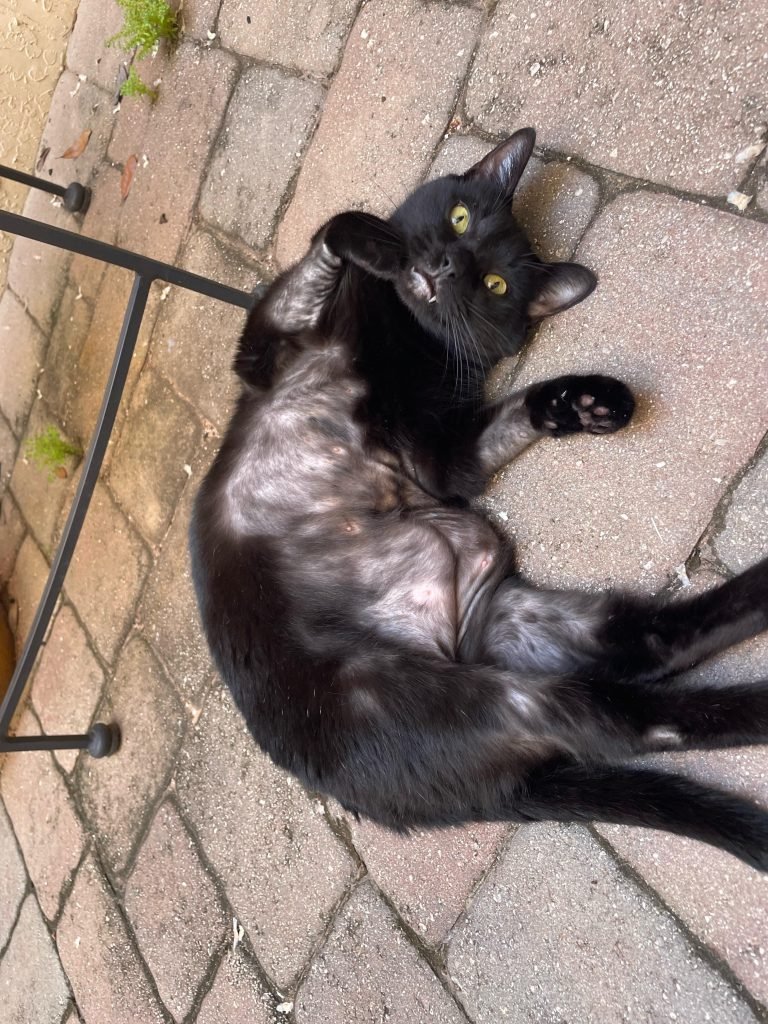
Is your cat constantly licking or biting its fur until it looks raw or patchy? Over grooming is more than just a quirky habit—it can signal stress, allergies, or other health issues.
If you’re worried about your furry friend’s endless grooming sessions, you’re not alone. You want to help your cat feel comfortable and happy again. You’ll discover simple, effective ways to stop your cat from over grooming and bring back their healthy, shiny coat.
Keep reading—your cat’s well-being depends on it.
Causes Of Over Grooming
Over grooming in cats can be a sign of several underlying problems. Understanding these causes helps in finding the right solution. Cats groom to clean themselves, but too much grooming can cause hair loss and skin damage.
Stress And Anxiety
Cats often over groom because of stress or anxiety. Changes in their environment, loud noises, or new pets can upset them. Grooming becomes a way to comfort themselves. This behavior can turn into a habit that is hard to stop.
Allergies And Skin Issues
Allergies cause itching and discomfort, leading cats to groom excessively. Food allergies, pollen, or dust mites are common triggers. Skin problems like dermatitis or dry skin also cause over grooming. The cat tries to relieve the itch by licking and biting the skin.
Parasites And Infections
Parasites such as fleas or mites irritate the skin. Cats may groom a lot to remove these pests. Bacterial or fungal infections can also cause itching. These infections make the skin sore, increasing grooming behavior.
Boredom And Lack Of Stimulation
Cats need mental and physical activity to stay healthy. Lack of toys, playtime, or attention can lead to boredom. Bored cats may groom themselves too much as a way to pass time. Providing stimulation helps reduce this behavior.

Credit: pennypaws.com
Spotting Over Grooming Signs
Noticing that your cat is over grooming can be tricky if you don’t know what signs to look for. Cats are naturally clean animals, so some grooming is normal. However, when it becomes excessive, it signals that something might be wrong physically or emotionally.
Bald Patches And Redness
Look closely at your cat’s fur for any bald spots. These can appear suddenly or gradually and often result from constant licking or biting.
Red, irritated skin under the fur is a clear warning sign. It shows your cat’s skin is inflamed or damaged, which shouldn’t be ignored. Have you checked your cat’s coat lately in good light?
Excessive Licking And Chewing
Watch your cat’s grooming habits during quiet moments. If you notice your cat licking or chewing the same spot repeatedly, that’s a red flag.
It’s normal for cats to groom, but when they focus too much on one area, it’s a sign of discomfort. You might catch your cat chewing on paws or tail more than usual—this needs attention.
Behavioral Changes
Over grooming often comes with changes in your cat’s mood or behavior. Your once playful cat may become withdrawn or restless.
Notice if your cat hides more or seems anxious. Are they more vocal or irritable? These shifts can hint that over grooming is linked to stress or pain.
Veterinary Checkups
Regular veterinary checkups are essential when your cat is over grooming. These visits help identify any underlying health issues that might be causing your cat to lick or chew excessively. Ignoring this behavior can lead to skin damage or infections, so catching problems early makes a big difference.
Skin Tests And Diagnosis
Your vet will carefully examine your cat’s skin for redness, sores, or hair loss. They may perform skin tests to check for allergies, parasites like fleas, or infections. Sometimes, a small skin sample might be taken for lab analysis to pinpoint the exact cause.
Have you noticed if your cat’s grooming spikes after certain activities or in specific places? Sharing these details with your vet can help narrow down environmental triggers or stress factors.
Treatment Options
Once the cause is identified, your vet will suggest treatment tailored to your cat’s needs. This might include flea control products, special shampoos, or antibiotics for infections. If allergies are involved, they may recommend dietary changes or medication to reduce itching.
In some cases, calming supplements or behavior therapy might be needed if stress is the main trigger. Your vet can guide you on how to create a more comfortable environment for your cat to discourage over grooming.
Remember, early veterinary intervention not only relieves your cat’s discomfort but also prevents long-term skin problems. How soon can you schedule a checkup to get your cat the relief it needs?
Reducing Stress For Your Cat
Over grooming in cats often signals stress or anxiety. Reducing this stress can help your cat feel more comfortable and less inclined to lick or chew excessively. Understanding ways to create a peaceful space for your feline friend is key to calming their nerves and improving their behavior.
Creating A Calm Environment
Start by giving your cat a quiet, safe spot where they can retreat. This could be a cozy bed tucked away in a low-traffic area of your home. Avoid loud noises and sudden movements around their space.
Consider using soft lighting and gentle background sounds like classical music or nature noises. These can help lower your cat’s stress levels. Have you noticed how your cat reacts to household chaos? Minimizing that chaos makes a big difference.
Using Calming Products
Calming products like pheromone diffusers or sprays mimic natural scents that soothe cats. These products can be placed in areas your cat frequents to reduce anxiety. You might also try calming collars that release these scents gradually.
Herbal supplements and treats containing ingredients like chamomile or valerian root may help as well. Always check with your vet before introducing new products. Have you tried any calming aids that seemed to work for your cat?
Routine And Playtime
Cats thrive on routine because it gives them a sense of control and predictability. Feeding, play, and rest times should happen at roughly the same times every day. This consistency lowers stress and reduces the urge to over groom.
Interactive play with toys like feather wands or laser pointers helps your cat release energy and focus on positive activities. You might find that your cat’s over grooming decreases when they get enough mental and physical stimulation. What games does your cat enjoy most?
Managing Allergies And Irritations
Over grooming in cats often signals underlying allergies or skin irritations. Managing these issues can significantly reduce your cat’s urge to lick or scratch excessively. Understanding and addressing the root causes can help your furry friend feel more comfortable and stop the cycle of over grooming.
Diet Adjustments
Food allergies or sensitivities are common triggers for skin irritation in cats. Try switching to a hypoallergenic diet or one with limited ingredients to see if your cat’s symptoms improve.
Adding omega-3 fatty acids can soothe inflamed skin and promote a healthy coat. Have you noticed any link between your cat’s diet and flare-ups? Keep a food diary to track any changes.
Flea Control
Even a single flea bite can cause intense itching and lead to over grooming. Regular flea prevention is essential, especially if your cat spends time outdoors.
Use vet-approved flea treatments consistently and clean your home environment thoroughly. Could hidden fleas be the cause of your cat’s discomfort?
Medications And Topical Treatments
Your vet may recommend antihistamines or corticosteroids to reduce allergic reactions and inflammation. These medications can provide quick relief and help break the over grooming habit.
Topical treatments like medicated shampoos or sprays can also calm irritated skin. Always follow your vet’s instructions carefully to avoid side effects.
Behavioral Solutions
Behavioral solutions can play a major role in helping your cat stop over grooming. Understanding why your cat engages in this behavior is key. Over grooming is often a sign of boredom, stress, or anxiety. Addressing these underlying issues can make a big difference.
Providing Enrichment
Adding more stimulation to your cat’s environment helps reduce over grooming. Offer a variety of toys that encourage hunting and playing. Puzzle feeders and interactive toys keep their mind busy and reduce stress.
Try rotating toys regularly to keep your cat interested. You might be surprised how much a simple cardboard box or paper bag can entertain them. Enrichment isn’t just about toys—consider creating safe spots by windows where your cat can watch birds or squirrels.
Redirecting Grooming Habits
If your cat starts over grooming, gently redirect their attention. Use toys or treats to interrupt the behavior and guide them towards something more positive. This helps your cat learn new ways to cope with stress or boredom.
Keep a close eye on when your cat tends to over groom. Is it when you’re not home? Or after a loud noise? Knowing triggers allows you to step in early and offer distraction. Over time, your cat may develop healthier habits.
Training Techniques
Training your cat to respond to commands can reduce over grooming. Teaching simple cues like “come” or “stay” builds communication and trust. Reward your cat with treats or affection when they respond correctly.
Try clicker training to shape desired behaviors. It’s a gentle way to guide your cat’s actions without stress. Training sessions should be short and positive to keep your cat engaged.
Have you noticed how your cat reacts when you introduce a new toy or training? Use these moments to encourage better habits and reduce over grooming naturally.
When To Seek Professional Help
Knowing when to seek professional help is key to stopping your cat’s over grooming. Over grooming can signal deeper issues like stress, allergies, or medical problems. If home remedies and changes don’t improve your cat’s behavior, it is time to get expert advice.
Watch for signs such as wounds, hair loss, or constant licking that worsen. Sudden changes in behavior or mood also suggest a need for professional support. Early intervention can prevent more serious health and emotional problems for your cat.
Behaviorists And Trainers
Behaviorists specialize in animal behavior and can identify causes of over grooming. They assess your cat’s environment, habits, and stress triggers. Trainers help by teaching you techniques to calm your cat and reduce anxiety. They offer personalized plans to change harmful behaviors safely and effectively.
Working with a behaviorist or trainer can improve your cat’s quality of life. They provide tools to manage stress and create a more comfortable home. This professional support often leads to lasting behavior change.
Specialist Referrals
Veterinarians may refer you to specialists for specific issues causing over grooming. Dermatologists check for skin allergies or infections. Internal medicine experts explore underlying health problems. Sometimes, a neurologist or psychiatrist is needed for complex cases.
Specialists use tests and treatments beyond basic care. Their expertise helps find and treat root causes quickly. Following their advice ensures your cat gets proper care for recovery.
:strip_icc()/the-kitty-1011094438-5c3d1af5c9e77c00015e66a6.jpg)
Credit: www.thesprucepets.com

Credit: brooklynpetspa.com
Frequently Asked Questions
What Causes Cats To Over Groom Themselves?
Cats over groom due to stress, allergies, pain, or skin infections. Identifying the cause helps in proper treatment. Behavioral or medical issues may trigger excessive licking or hair loss.
How Can I Reduce My Cat’s Stress Levels?
Provide a calm environment, regular playtime, and safe hiding spots. Use pheromone diffusers or calming sprays to ease anxiety. Consistent routines also help minimize stress-induced grooming.
When Should I See A Vet For Over Grooming?
Consult a vet if grooming causes bald spots, sores, or bleeding. Persistent over grooming may indicate allergies, parasites, or underlying health problems needing diagnosis and treatment.
Can Diet Affect My Cat’s Grooming Habits?
Yes, nutritional deficiencies or food allergies can cause skin irritation. A balanced diet with omega-3 fatty acids improves skin health and reduces itching that triggers over grooming.
Conclusion
Stopping your cat’s over grooming takes patience and care. Watch your cat closely for stress or health issues. Provide a calm space and regular playtime. Use gentle grooming tools to help your cat feel relaxed. Visit a vet if the problem continues or worsens.
Small steps can bring big changes for your cat’s well-being. Keep your cat happy and healthy with your attention. Over grooming can improve with time and love.
