

Is your cat carrying a little extra weight? You’re not alone, and the good news is that helping your furry friend shed those pounds is easier than you might think.
Overweight cats can face serious health problems, but with the right steps, you can guide your pet back to a healthier, happier life. You’ll discover simple, effective ways to get your cat moving and eating right—without stress or guesswork. Keep reading to learn how you can make a real difference in your cat’s health starting today.
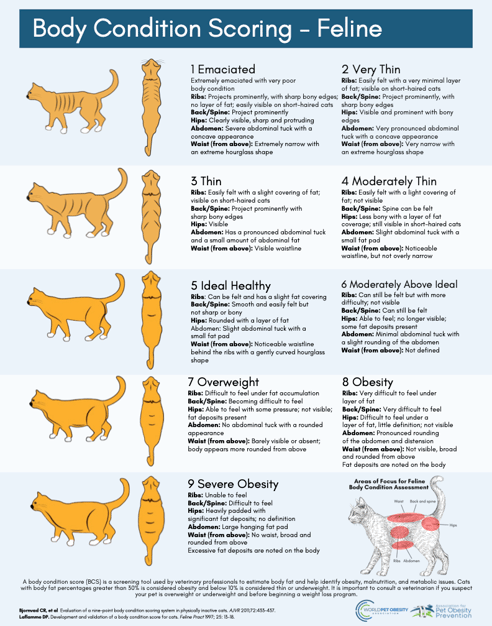
Credit: www.preventivevet.com
Signs Your Cat Needs To Lose Weight
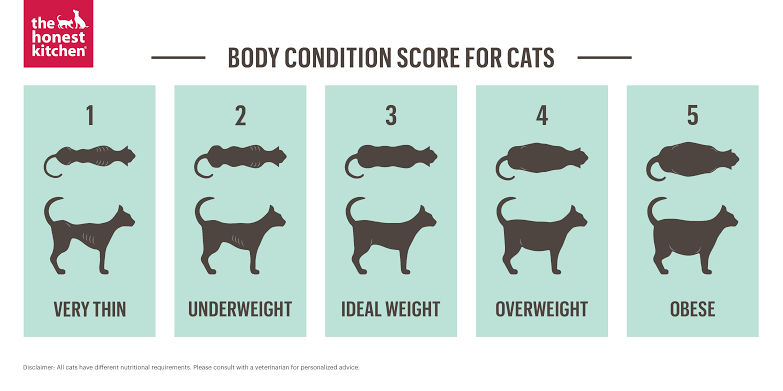
A cat that struggles to jump or has a round belly may need to lose weight. Notice if their ribs are hard to feel or they tire quickly during play. These signs show it’s time to help your cat slim down for better health.
Recognizing when your feline friend needs to shed some pounds can be crucial for their long-term health and happiness. Cats, much like humans, are prone to gaining weight, especially if their activity levels drop or if they indulge in too many treats. If you’ve noticed your cat looking a little rounder than usual, it might be time to assess their weight. But how can you tell if your cat is just a little fluffy or if there’s a real weight issue at hand?Identifying Obesity In Cats
Assessing your cat’s weight can begin with a simple feel-test. Gently run your hands along your cat’s sides. You should be able to feel their ribs with a slight layer of fat. If you can’t, your cat might be overweight. Visual indicators are also helpful. Look at your cat from above. A healthy cat should have a slight waistline. If your cat’s body shape resembles more of an oval, it may be time to consider a weight loss plan.Health Risks Of Overweight Cats
Excess weight in cats can lead to a myriad of health issues. Diabetes is one of the most common diseases that can arise from feline obesity. It often requires lifelong treatment and can significantly impact your cat’s quality of life. Overweight cats are also more prone to arthritis. Extra weight puts added stress on their joints, leading to pain and mobility issues. Ask yourself, is your cat moving less or struggling with jumps they used to easily make? Additionally, overweight cats can face respiratory problems, as extra fat can restrict their breathing. If you’ve noticed your cat panting more frequently, it could be a sign that their weight is impacting their health. By recognizing these signs early, you can take proactive steps to help your cat achieve a healthier weight, ensuring they live a longer, happier life.Healthy Diet Changes
Changing your cat’s diet is key to weight loss. A healthy diet gives your cat the right nutrients. It also helps avoid extra calories that cause weight gain.
Small changes in food type and amount make a big difference. Feeding the right food and controlling portions supports your cat’s health. It keeps your cat active and happy.
Choosing The Right Cat Food
Pick cat food made for weight control or indoor cats. These foods have fewer calories but high protein. Protein helps your cat feel full and keeps muscles strong.
Check the label for ingredients. Look for real meat as the first ingredient. Avoid foods with too many fillers like corn or wheat. Wet food can be better for weight loss because it has fewer calories and more water.
Portion Control Tips
Measure your cat’s food with a cup or scale. Feeding exact portions stops overfeeding. Follow the feeding guide on the cat food package but adjust if needed.
- Divide daily food into two or three small meals.
- Feed meals at the same time every day.
- Remove any uneaten food after 20 minutes.
Use puzzle feeders to slow down eating. This keeps your cat busy and helps burn calories.
Avoiding Human Food And Treats
Human food often has too many calories and bad ingredients. Avoid feeding your cat table scraps or leftovers. These can cause weight gain and upset stomachs.
Limit treats to no more than 10% of daily calories. Choose low-calorie, healthy cat treats. Use treats only for training or special rewards.
Replace treats with playtime or cuddles to show love. This helps your cat lose weight without feeling left out.
Exercise And Activity
Exercise and activity play a key role in helping your cat lose weight. Regular movement burns calories and builds muscle. Cats are naturally playful and curious, which you can use to keep them active. Engaging your cat in fun activities improves their health and mood.
Fun Ways To Encourage Movement
Encourage your cat to move with simple and enjoyable activities. Use laser pointers to prompt short sprints and quick turns. Toss soft balls or crumpled paper for your cat to chase. Hide treats in small places to inspire exploration and gentle exercise. Short, frequent play sessions fit best into a cat’s energy levels.
Interactive Toys And Playtime
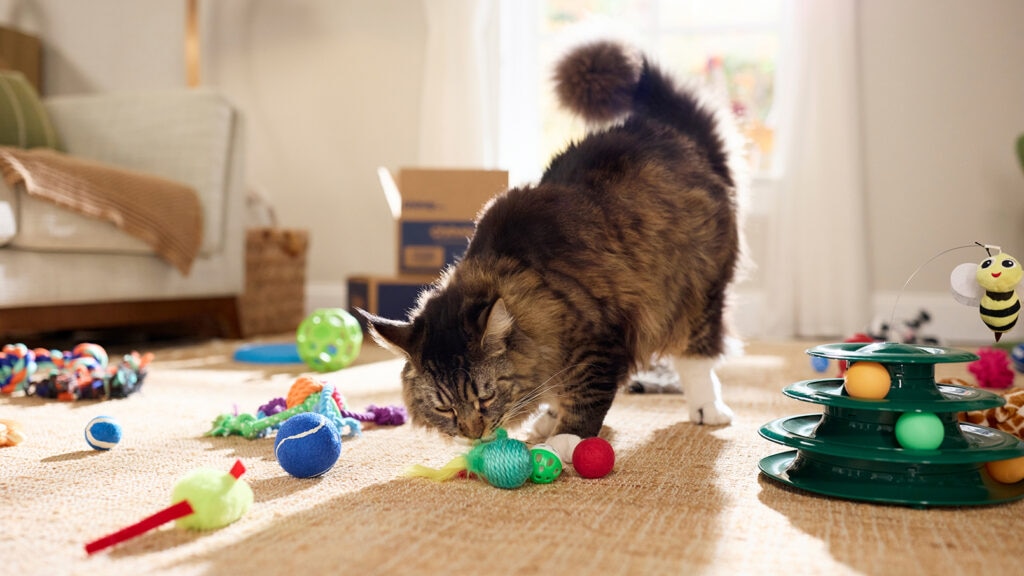
Interactive toys keep your cat mentally and physically engaged. Toys that move or make noise mimic prey and spark hunting instincts. Feather wands and string toys invite your cat to jump and pounce. Rotate toys to keep your cat interested and excited. Try playtime twice a day for about 10 minutes each session.
Creating An Active Environment
Design your home to encourage natural activity. Place cat trees and shelves at different heights for climbing. Set up scratching posts near favorite resting spots. Use puzzle feeders to combine mealtime with exercise. Keep spaces safe and free of hazards. An active environment helps your cat stay fit and entertained all day.

Credit: justcatsclinic.com
Monitoring Progress
Keeping a close eye on your cat’s weight loss journey is essential. Monitoring progress helps you understand what’s working and what needs change. It also keeps you motivated and ensures your furry friend stays healthy throughout the process.
Tracking Weight Loss
Weigh your cat regularly, ideally once a week, using the same scale each time. Record the numbers in a notebook or app to see clear trends over time. Small weekly changes are normal, but steady progress is what matters most.
Consider setting a target weight with your vet. This gives you a clear goal to aim for and helps you know when your cat has reached a healthy size. Have you noticed how small adjustments in diet or activity can reflect quickly on the scale?
Adjusting The Plan As Needed
If weight loss stalls or your cat seems unhappy, it’s time to tweak the plan. Maybe the food portions need reducing, or playtime should be increased. Flexibility is key to finding what suits your cat best.
Keep in touch with your vet during this phase to ensure you’re not compromising your cat’s health. Sometimes, adding new activities or switching to a different diet can make all the difference. How often do you revisit and rethink your approach based on your cat’s reactions?
When To Consult A Vet
Noticing your cat gaining weight can be worrying, but knowing when to seek professional help is crucial. Some weight issues stem from underlying health problems, while others need structured intervention. Deciding to consult a vet can make a big difference in your cat’s health journey.
Medical Causes Of Weight Gain
Excess weight in cats isn’t always about overeating or lack of exercise. Certain medical conditions can cause your cat to gain weight unexpectedly.
- Hypothyroidism:This condition slows down metabolism, leading to weight gain even if your cat eats normally.
- Cushing’s Disease:It causes hormone imbalances that increase fat storage.
- Diabetes:Sometimes, diabetes can cause both weight gain and loss, depending on the stage and treatment.
If your cat’s weight gain seems sudden or unusual, or if they show other signs like lethargy or changes in appetite, a vet visit is essential. Ignoring these symptoms might delay treatment and worsen their condition.
Professional Weight Loss Programs
Some cats need more than just diet changes at home. Vets can offer customized weight loss plans tailored to your cat’s specific needs.
- These programs often include specialized diets with controlled calories and balanced nutrients.
- Regular weigh-ins and health checks monitor progress and adjust plans as needed.
- Exercise routines designed for your cat’s age and condition can be recommended.
I once helped a friend whose cat struggled with obesity despite home efforts. The vet’s structured program, combined with gradual lifestyle changes, made all the difference. Could your cat benefit from that kind of expert support?
Credit: www.chewy.com
Frequently Asked Questions
How Can I Safely Reduce My Cat’s Weight?
Start by consulting your vet for a healthy weight plan. Adjust your cat’s diet to low-calorie, high-protein food. Increase daily exercise with playtime and toys. Monitor progress and avoid sudden diet changes to ensure safety.
What Foods Help Cats Lose Weight Effectively?
Choose specially formulated weight management cat food. These foods are low in calories but high in nutrients. Avoid high-carb and fatty treats. Feed measured portions to control calorie intake and promote steady weight loss.
How Much Exercise Does My Overweight Cat Need?
Cats need at least 20 to 30 minutes of daily exercise. Use toys like laser pointers or feather wands. Encourage active play to boost metabolism. Regular exercise helps burn calories and improves overall health.
Can Feeding Schedule Impact My Cat’s Weight Loss?
Yes, feeding smaller, frequent meals helps control hunger and metabolism. Avoid free-feeding to prevent overeating. Establish consistent meal times to regulate calorie intake and promote weight loss effectively.
Conclusion
Helping your cat lose weight takes time and patience. Feed smaller portions and choose healthy food. Encourage play and exercise every day. Visit the vet regularly to track progress. Watch your cat’s behavior and adjust as needed. Small changes make a big difference over time.
Your cat will feel happier and healthier soon. Keep caring with love and attention always. Weight loss helps your cat live a better life. Stay consistent and enjoy the journey together.
