

Have you ever wondered how house cats mate? If you’ve seen cats around your neighborhood or even in your home, you might be curious about what happens when they come together to reproduce.
Understanding this process can help you care better for your pets and make informed decisions about their health. You’ll discover the fascinating ways cats find each other, what happens during mating, and why it’s important to know these details. Keep reading to uncover the secrets behind your cat’s natural behavior.

Credit: www.youtube.com
Cat Mating Season
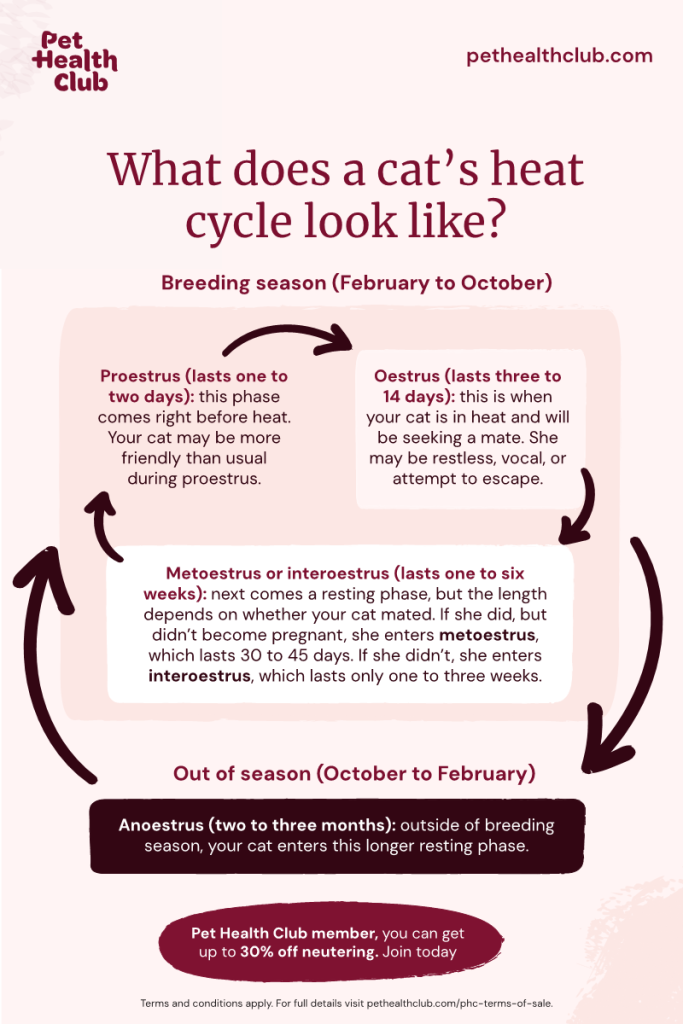
The cat mating season is a special time when cats become ready to reproduce. Female cats, called queens, experience heat cycles that trigger mating behaviors. Male cats, known as toms, respond to these signals to find a mate. Understanding the timing and behavior during this season helps in knowing how cats mate.
Timing And Frequency
Cat mating season usually starts in early spring and lasts until fall. Queens can go into heat multiple times during this period. Each heat cycle lasts about a week but can vary. If a queen does not mate, she may return to heat every two to three weeks. This cycle continues until she becomes pregnant or the season ends.
Behavioral Changes
During mating season, queens show clear signs of being in heat. They may become more vocal and restless. Some cats rub against objects or people more often. Toms become more active and may roam farther to find females. Both genders may mark territory with strong scents to attract mates.

Credit: cats.fandom.com
Courtship Rituals
Courtship rituals in house cats are surprisingly intricate and reveal much about their communication and behavior. These rituals set the stage for mating by helping cats recognize each other’s readiness and intentions. Understanding these behaviors can give you a clearer picture of what your cat might be experiencing during this phase.
Vocalizations And Signals
House cats use a variety of sounds to express their interest and availability. You might hear loud yowling or persistent meowing from a female cat in heat, signaling she’s ready to mate. Males respond with their own calls, sometimes loud and urgent, trying to catch her attention.
Besides sounds, cats use scent marking to communicate. Females release pheromones through urine to let males know they’re receptive. This chemical messaging is a subtle but powerful signal that you probably won’t notice unless you’re very observant.
Physical Displays
Body language plays a huge role in cat courtship. A female may adopt a specific posture, called lordosis, where she lowers her front body and raises her rear, inviting the male to approach. This clear signal helps avoid misunderstandings between the cats.
Males often respond with behaviors like rubbing their heads or bodies against the female, which both transfers scent and demonstrates affection. You might also see playful chasing or gentle pawing, which builds comfort before mating.
The Mating Process
The mating process of house cats is a fascinating and sometimes surprising aspect of feline behavior. Understanding how cats mate can help you better manage their breeding and care. The process involves specific behaviors and timing that are quite different from many other animals.
Mounting And Copulation
When a female cat, called a queen, is in heat, she signals her readiness to mate through vocalizations and body language. The male cat, or tom, responds by approaching cautiously and often vocalizing back. Once the male is accepted, he mounts the female from behind, gripping her neck gently with his teeth to hold her steady.
During copulation, the male cat’s barbed penis stimulates ovulation in the female, which is necessary for fertilization. This unique anatomical feature means that cats are induced ovulators. The female may react loudly and quickly move away after mating, which is a natural response to the discomfort caused by the barbs.
Duration And Frequency
The actual mating act is very brief, usually lasting just a few seconds. However, cats often repeat this process multiple times over a short period, sometimes every 15 to 30 minutes. This frequent mating increases the chances of successful fertilization.
If you observe cats mating, you might notice the female’s sudden agitation after each copulation. This behavior is normal and part of the process. Have you ever wondered why cats seem so vocal and restless during this time? It’s all connected to their reproductive cycle and natural instincts.
Credit: www.kinship.com
Post-mating Behavior
After mating, house cats exhibit distinct behaviors that help them transition from the intense moment of copulation back to their usual routines. Understanding these post-mating actions can give you insight into your cat’s behavior and wellbeing during this sensitive time.
Separation And Grooming
Immediately after mating, male and female cats often separate quickly. This abrupt parting is natural and helps reduce stress or aggression that might occur if they stayed close for too long.
Both cats usually engage in grooming themselves right away. This self-cleaning helps remove any lingering scents or fluids. You might notice your cat licking its fur more than usual, which is perfectly normal and part of their instinct to stay clean and comfortable.
Return To Normalcy
Once the initial separation and grooming are done, cats tend to return to their regular behavior. The female might rest or seek a quiet spot, especially if she’s pregnant or experiencing hormonal changes.
The male cat often moves on, looking for other opportunities to mate or returning to his territory. This brief interaction is essential for their reproductive cycle, but it doesn’t usually disrupt their daily life.
Have you noticed how your cat’s mood changes after interacting with other cats? Paying attention to these subtle shifts can help you better care for your feline friend during their mating season.
Feline Reproductive Anatomy
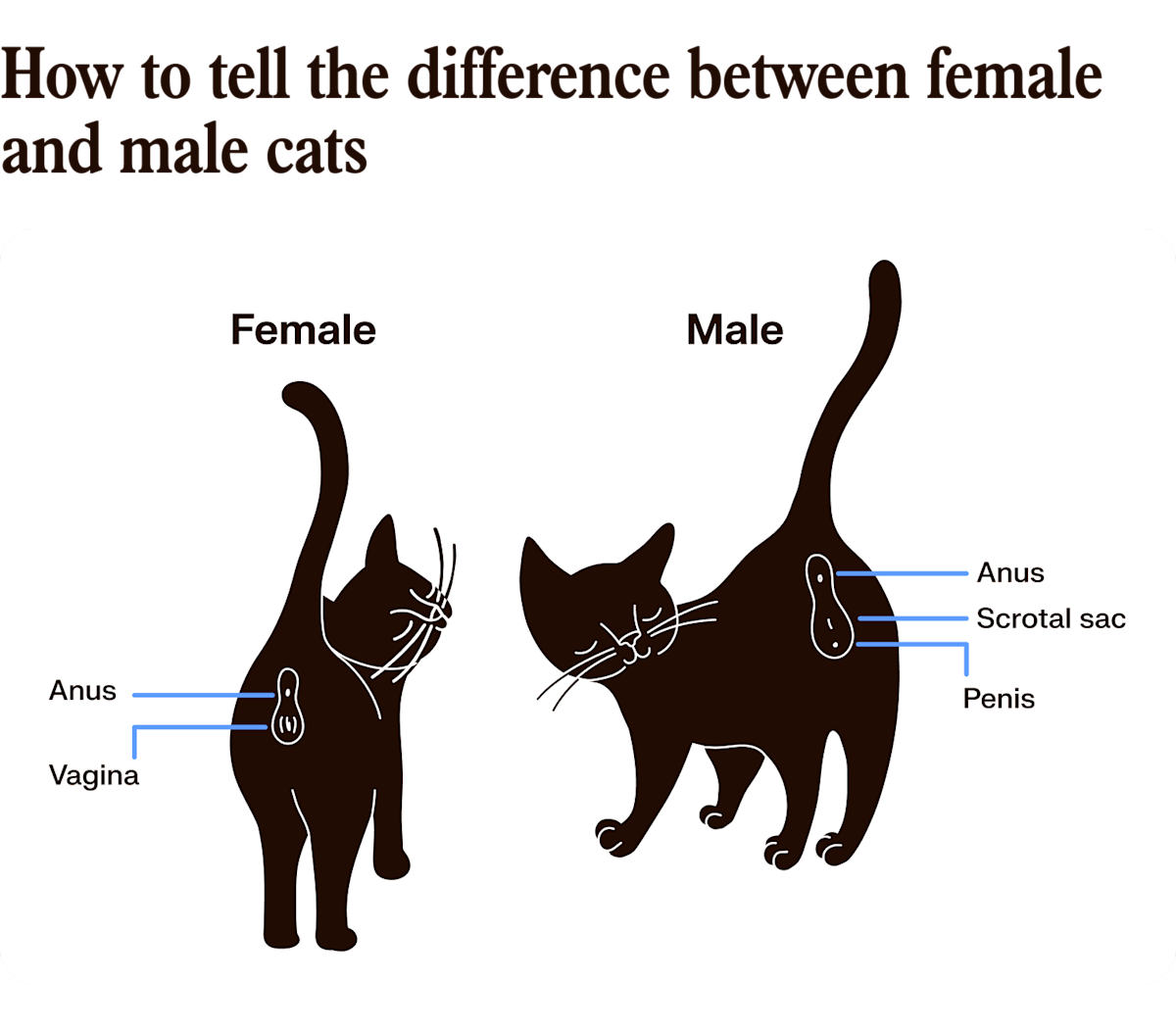
Understanding the feline reproductive anatomy helps you grasp how house cats mate naturally. Both male and female cats have unique features that play crucial roles in the mating process. Knowing these details can improve your care for cats during breeding or help you understand their behavior better.
Male Anatomy
The male cat’s reproductive system includes the testes, epididymis, vas deferens, and penis. The testes produce sperm and are located outside the body in the scrotum, which keeps them cool for optimal sperm production.
One interesting feature is the penis, which has tiny backward-facing barbs. These barbs stimulate the female during mating and trigger ovulation. This means the female releases eggs only after mating, a unique trait among cats.
If you’ve ever watched a male cat’s behavior around a female in heat, you might notice his restlessness and vocalizing. This is driven by his reproductive anatomy responding to hormonal changes.
Female Anatomy
The female cat’s reproductive organs include the ovaries, oviducts, uterus, and vagina. The ovaries release eggs during the heat cycle, which is called estrus.
The uterus has two long horns where fertilized eggs implant and develop. During mating, the female’s anatomy is designed to respond to the male’s barbed penis, which causes ovulation.
Have you noticed how female cats in heat behave differently? Their anatomy and hormones work together to signal readiness to mate. This natural cycle controls when and how mating happens, ensuring the best chance for successful reproduction.
Signs Of Successful Mating
Recognizing the signs of successful mating in house cats helps owners understand the process better. These signs show that the mating has likely resulted in fertilization. Both behavior and physical changes provide clues to confirm mating success.
Behavioral Indicators
- The female cat may become more affectionate or restless after mating.
- Some females show increased grooming or seek more attention from their owner.
- The male cat often loses interest after the mating session.
- Female cats might hide or find quiet places to rest.
- Occasional vocalizations or meowing from the female can also occur.
Physical Changes
- The female’s vulva may appear swollen or slightly red after mating.
- Some cats show mild spotting or discharge following the act.
- Weight gain often starts a few weeks later if pregnancy occurs.
- The nipples of the female may become pinker and more pronounced.
- Changes in appetite and energy levels can also be observed.
Common Mating Myths
Many myths surround how house cats mate. These myths often cause confusion about feline behavior and reproduction. Clearing up these misunderstandings helps cat owners care better for their pets. It also prevents the spread of false information.
Misconceptions About Fertility
Some believe female cats can only get pregnant once a year. Actually, cats are seasonal breeders and can have several heat cycles. Each cycle lasts about a week, and pregnancy can happen during any of them.
Another myth says cats must mate many times to get pregnant. In truth, one successful mating can fertilize all eggs. The queen’s body stores sperm to fertilize multiple eggs at once.
People often think cats mate only in spring or summer. While these seasons increase activity, cats can mate anytime if conditions are right. Indoor cats especially may cycle year-round due to artificial lighting.
Behavioral Myths
Many assume male cats fight fiercely for females every time. Though fights happen, males often avoid serious injury. Most conflicts are short and involve posturing rather than harm.
Some say female cats are passive during mating. Actually, queens actively signal readiness and may even initiate encounters. They show clear behaviors like vocalizing and rubbing to attract males.
People also think cats mate quietly. In fact, cat mating is noisy and can sound intense. Females may scream loudly during mating due to pain from the male’s barbed penis.
Impact Of Spaying And Neutering
Spaying and neutering have a strong impact on house cats’ health and behavior. These procedures prevent cats from reproducing. They also reduce many health risks and unwanted habits. Understanding this impact helps cat owners make wise choices for their pets.
Benefits For Cats
Spaying and neutering improve cats’ lives in many ways. They lower the chance of certain cancers and infections. Cats become calmer and less aggressive. These surgeries reduce the urge to roam and fight with other cats. Overall, cats tend to live longer and healthier lives.
Population Control
Controlling the cat population is key to reducing stray animals. Many cats end up homeless without control measures. Spaying and neutering help lower the number of unwanted kittens. This reduces the burden on shelters and communities. Fewer stray cats mean fewer health and safety problems for everyone.
Frequently Asked Questions
How Do House Cats Signal Readiness To Mate?
Female cats in heat display vocalization, restlessness, and rubbing against objects. They also raise their hindquarters to signal males.
What Behaviors Do Male Cats Show During Mating?
Male cats become more territorial, vocal, and may roam to find females. They also exhibit mounting and biting behaviors.
How Long Does The Mating Process Last In Cats?
Mating typically lasts a few seconds to a minute. It may repeat several times over a few days.
Can House Cats Mate Year-round Or Seasonally?
Cats usually mate seasonally, mostly in spring and summer. Indoor cats may cycle year-round due to artificial lighting.
Conclusion
House cats mate through specific behaviors and signals. The female shows when she is ready to mate. The male responds with a unique mating ritual. This process helps cats reproduce naturally and safely. Understanding these steps can help you care for your pets better.
It also explains why cats act differently during mating season. Knowing this helps you keep your cat calm and healthy. Cats rely on instincts to continue their species. Observing their behavior teaches us about their nature. Caring for cats means respecting their natural cycles.
