

Have you ever wondered how cats mate and what happens during this fascinating process? Understanding your cat’s behavior during mating can help you care for them better and recognize important signs.
Whether you’re a cat owner curious about their pet’s natural instincts or someone interested in feline biology, this guide will clear up all your questions. By the end, you’ll see cats’ mating habits in a whole new light and know exactly what to expect.
Keep reading to uncover the surprising details behind how cats come together to create new life.
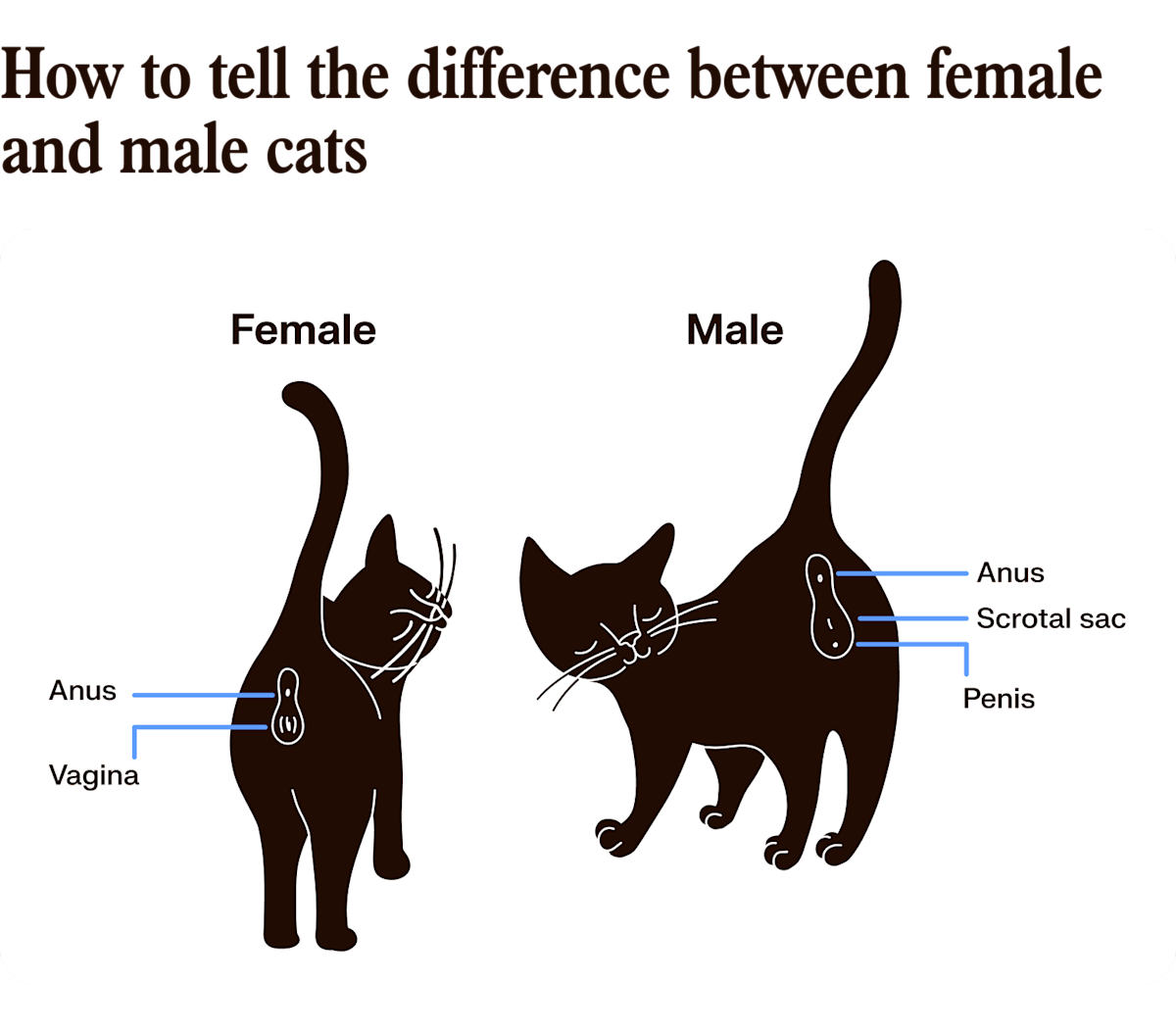
Credit: www.kinship.com
Cat Mating Basics
Understanding the basics of cat mating can be both fascinating and essential for any cat owner. Whether you’re planning to breed your cats or simply want to know more about their natural behaviors, grasping these foundational concepts is crucial. Let’s break down the key elements of cat mating, ensuring you’re well-informed and prepared.
Mating Age And Readiness
Most cats reach sexual maturity between 5 to 12 months of age. However, it varies with breed and individual growth. A male cat may show readiness by marking territory, while females become more vocal and affectionate.
It’s vital to ensure your cats are healthy and mature enough before considering mating. A vet check-up can help confirm their readiness and overall health.
Heat Cycles Explained
Female cats, or queens, experience heat cycles, known as estrus, typically starting at around six months of age. These cycles can occur every two to three weeks, especially during warmer months. This cycle is when they are most receptive to mating.
Understanding these cycles can help you manage their behavior and decide the right time for breeding. Keeping track of your cat’s heat cycles in a calendar can be a practical approach.
Signs A Female Cat Is In Heat
When a female cat is in heat, you’ll notice several behavioral changes. She may become excessively affectionate, rubbing against furniture or you more than usual. A clear sign is the loud and persistent vocalizations or yowling, which can be quite dramatic.
Other signs include restlessness, increased grooming, and assuming a mating position with the hindquarters raised. Recognizing these signs can help you plan for mating or take precautions if you’re not planning for kittens.
Have you ever noticed these behaviors in your cat and wondered what they meant? Being aware of these signs allows you to better understand and care for your feline friend during her heat cycle.
Courtship Behavior
Courtship behavior in cats is a fascinating and complex part of their mating process. It involves a series of actions and signals that help male and female cats communicate their readiness to mate. This behavior ensures that both cats are in sync before the actual mating begins.
Understanding courtship helps us see how cats express interest and attraction. It also reveals how they use sounds and body language to convey messages.
How Male Cats Attract Females
Male cats often start by marking their territory with strong scents. This lets females know a male is nearby and ready to mate. They may also roam more actively, searching for receptive females.
Once a female is spotted, males approach slowly. They try to appear calm and confident. Gentle touching and rubbing against the female is common. This helps build trust and shows the male’s interest.
Female Responses To Males
Female cats show they are ready by adopting specific postures. They may lower their front body while raising the back. This posture signals openness to mating.
Sometimes, females walk away or hiss to reject a male. This behavior protects them from unwanted advances. When interested, females allow the male to stay close and may nuzzle him gently.
Vocalizations And Body Language
Cats use various sounds during courtship. Males often purr or meow softly to get attention. Females may make loud yowls to signal readiness.
Body language plays a key role too. Tail position, ear movement, and eye contact all send messages. A raised tail usually means friendliness. Flattened ears can mean fear or aggression.
The Mating Process
The mating process in cats is a fascinating natural behavior. It involves specific actions and signals between the male and female. Understanding this process reveals how cats reproduce and continue their species. The mating ritual is brief but intense, with clear roles for both cats.
Typical Mating Sequence
The mating starts with the male noticing the female in heat. He approaches cautiously and sniffs her to check her readiness. The female may respond by vocalizing or moving her tail to the side. This signals she is willing to mate.
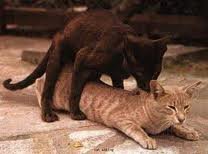
The male then mounts the female from behind. He holds her firmly by the neck with his teeth. The actual mating act lasts only a few seconds. Afterward, the female often reacts by moving away quickly. This behavior is normal and part of the sequence.
Role Of The Male And Female
The male’s role is to find a receptive female and perform the mating act. His behavior includes chasing, sniffing, and mounting. The male’s teeth grip the female’s neck to keep her steady during mating.
The female’s role is to signal her readiness through body language. She may vocalize loudly and show a raised hindquarters posture. After mating, the female often becomes aggressive or restless. This helps prevent immediate repeated mating.
Duration And Frequency
Mating itself is very quick, lasting only 10 to 20 seconds. However, cats may mate several times over a few days. The female goes through cycles of heat every few weeks during mating season. Males may mate with multiple females during this time.
Repeated mating increases chances of pregnancy. It also helps trigger ovulation in the female. This cycle continues until the female becomes pregnant or her heat ends.
Post-mating Behavior
After cats mate, their behavior changes in specific ways. These actions help ensure successful reproduction and care for the female during this time. Understanding post-mating behavior gives insight into a cat’s natural instincts and needs.
Female’s Reaction After Mating
Right after mating, the female cat often reacts loudly. She may hiss, growl, or swat at the male. This reaction is due to the male’s barbed penis, which causes discomfort. The female might quickly leave or clean herself.
This behavior helps the female avoid immediate remating. It allows her body time to adjust and prepare for potential pregnancy.
Male Cat’s Next Steps
After mating, the male cat usually moves away from the female. He might groom himself or find another female to mate with. Male cats do not stay to care for the female or kittens.
Their role ends after mating. The male’s focus shifts to finding other mates during the breeding season.
Signs Of Pregnancy
If mating is successful, the female cat shows signs of pregnancy within weeks. Her nipples become pink and swollen. She may eat more and rest more often.
Other signs include:
- Weight gain around the abdomen
- Increased affection towards humans
- Less activity and more sleep
Recognizing these signs early helps provide proper care for the pregnant cat.
Breeding And Genetics
Breeding and genetics play a crucial role in how cats mate and pass on traits to their offspring. Understanding these factors helps you appreciate the variety and uniqueness of cats, as well as the responsibilities involved in breeding. Let’s dive deeper into how genetic factors influence mating, the practice of selective breeding, and the impact these have on cat health.
Genetic Factors In Mating
Genes determine many of a cat’s physical and behavioral traits. When cats mate, their offspring inherit a mix of genes from both parents, which can affect coat color, eye shape, and even personality.
Have you ever wondered why some cats have blue eyes while others don’t? That difference comes down to specific genes passed down through generations. Understanding these genetic influences helps breeders predict what traits kittens might have.
Selective Breeding Practices
Selective breeding involves choosing cats with desired traits to mate, aiming to enhance or maintain certain features. Breeders often select cats based on appearance, behavior, or health characteristics.
This practice can create beautiful and unique cat breeds, but it requires careful planning. For example, a breeder might pair two cats with calm temperaments to produce kittens that are also gentle and sociable.
Impacts On Cat Health
Selective breeding can sometimes lead to health problems if not managed well. Breeding closely related cats may increase the risk of genetic disorders like heart disease or respiratory issues.
As a cat owner or breeder, consider this: are you prioritizing health over appearance? Responsible breeding involves screening for genetic diseases and avoiding pairing cats with harmful traits.

Credit: www.mediastorehouse.com.au
Common Mating Challenges
Cats face several challenges during mating. These challenges can affect their ability to breed successfully. Understanding these issues helps in managing and supporting cats better.
Aggression And Territorial Issues
Cats are naturally territorial animals. Mating can trigger aggressive behavior, especially among males. Fighting over mates or territory is common. This aggression can lead to injuries and stress. Female cats may also become defensive and avoid males. Careful introduction and supervision reduce conflicts during mating.
Health Problems Affecting Mating
Health problems can block or delay mating. Illnesses like infections or parasites reduce fertility. Older cats may experience decreased mating interest. Poor nutrition weakens reproductive systems. Regular health checks keep cats in good mating condition. Treating infections and maintaining a healthy diet improves chances of successful mating.
When To Seek Veterinary Help
Veterinary help is necessary if cats show unusual behavior or physical problems. Signs include persistent aggression, refusal to mate, or visible injuries. Difficulty in mating or repeated failure also needs professional advice. Vets can diagnose health issues and provide treatment. Early intervention helps cats mate safely and effectively.
Spaying And Neutering Effects
Spaying and neutering are common surgeries for cats. These procedures stop cats from reproducing. They also change many behaviors linked to mating. Understanding the effects helps owners care for their pets better.
How Surgery Affects Mating Behavior
Spaying removes a female cat’s ovaries and uterus. Neutering removes a male cat’s testicles. These surgeries stop hormone production. Without hormones, cats lose interest in mating.
Female cats no longer go into heat. Male cats stop roaming to find mates. Aggressive and territorial behaviors often decrease. Cats become calmer and less likely to spray urine.
Benefits Beyond Reproduction
Spaying and neutering help prevent many health issues. They reduce the risk of certain cancers. Female cats avoid infections like pyometra. Males are less likely to develop testicular cancer.
The surgeries also help control the stray cat population. Fewer unwanted kittens are born. This lowers the number of homeless cats. It benefits communities and animal shelters.
Timing For The Procedures
Most vets recommend spaying or neutering at 5 to 6 months old. This age is before cats become sexually mature. Early surgery can prevent unwanted behaviors from starting.
Some shelters perform the surgery even younger. Kittens as young as 8 weeks can be safely spayed or neutered. Talk to a vet about the best time for your cat.

Credit: www.youtube.com
Frequently Asked Questions
How Do Cats Find Mates?
Cats use scent marking and vocalizations to attract mates. Females in heat release pheromones to signal readiness. Males detect these scents and respond by seeking out receptive females for mating.
What Behaviors Do Cats Show During Mating?
Male cats often bite the female’s neck to hold her during mating. Females may vocalize loudly and show restlessness. Both cats engage in brief, repeated copulation sessions as part of the process.
How Long Does Cat Mating Last?
Cat mating typically lasts only a few seconds but may repeat multiple times. The entire mating process can take several minutes with breaks. This brief yet intense interaction is normal for feline reproduction.
When Do Cats Usually Mate?
Cats usually mate during the female’s estrus cycle, occurring every few weeks in spring and summer. Females signal readiness with specific behaviors and pheromones. Mating outside this time is uncommon and less likely to result in pregnancy.
Conclusion
Cats have a unique way of mating that helps them reproduce successfully. Male cats often compete for the female’s attention. The female shows when she is ready by making certain sounds and movements. This process can seem strange but is natural for cats.
Understanding how cats mate helps us care for them better. It also explains some behaviors we see in pets. Every step has a purpose in the cat’s life cycle. Watching these behaviors can be quite interesting and informative.
