

Have you ever wondered how your cat seems to just know where to do their business? It’s almost like they have a built-in guide to the litter box.
You might think it’s magic, but there’s actually a mix of natural instincts and smart learning behind it. Understanding how your cat learns to use the litter box can help you make the process easier and less frustrating for both of you.
Keep reading, and you’ll discover the secrets behind your cat’s litter box habits—and how you can support them every step of the way.
Cat Instincts And Bathroom Habits
Have you ever wondered how your feline friend seems to instinctively know how to use a litter box? Cats have an array of fascinating instincts and bathroom habits that guide them. Understanding these can help you appreciate your pet’s natural behaviors and ensure a harmonious living environment.
Natural Digging Behavior
Cats are born with a natural inclination to dig. In the wild, they would dig to bury their waste, hiding their scent from predators. This instinct translates perfectly to a litter box, where the texture mimics natural soil, encouraging them to dig and cover up after themselves.
Have you noticed your cat spending a few moments scratching around the litter before settling in? This behavior is driven by their innate desire to find the right spot and ensure their waste is properly concealed. Providing a litter box with enough room and the right type of litter can make this process more comfortable for your cat.
Scent Marking And Territory
Cats are territorial creatures. Using a litter box is not just about hygiene for them; it’s also about marking their territory. The act of urinating or defecating in a designated spot helps them feel secure and establishes their space within your home.
Have you ever noticed your cat sniffing around the litter box after using it? This isn’t just curiosity; it’s a way to ensure their scent is still present. Regular cleaning of the litter box is essential, but leaving a trace of their scent can make them feel more at ease.
Cleanliness And Hygiene Drives
Cats are famously clean animals. Their grooming habits are meticulous, and this extends to their bathroom routines. A clean litter box is crucial to them, and they may refuse to use it if it’s not up to their standards.
Have you ever had your cat avoid the litter box after it’s been neglected for a few days? This is a clear sign that maintaining cleanliness is key. Regular scooping and litter changes not only keep your home odor-free but also ensure your cat feels comfortable using their designated bathroom area.

Credit: www.youtube.com
Role Of Mother Cats In Training
Mother cats play a key role in teaching their kittens how to use a litter box. From birth, kittens watch and learn from their mothers. This early training shapes their behavior and helps them develop good habits. The mother cat’s actions and guidance make a big difference in how quickly kittens learn.
Teaching By Example
Kittens learn a lot by copying their mother’s behavior. When a mother cat uses a specific spot to go to the bathroom, kittens notice and follow. This simple example shows them where to do their business. They see the mother cat digging and covering, which teaches them the right way to use the litter.
Encouragement And Guidance
Mother cats gently encourage their kittens to use the right place. They often nudge or lick kittens to lead them to the litter area. This gentle guidance helps kittens understand what to do. It also builds confidence and reduces fear of the new environment.
Timing Of Learning
Kittens start learning about litter use at about three weeks old. This is when they begin exploring outside the nest. The mother’s influence is strongest during this time. Early training helps kittens develop habits that last a lifetime. Quick learning prevents accidents and makes litter training easier for owners.
How Cats Choose Their Spot
Cats are very careful when they pick a place to do their business. Their choice depends on comfort, safety, and privacy. Understanding these preferences helps pet owners provide the best spot for their cats. Cats naturally look for places that feel secure and pleasant to them. This instinct guides them to choose the right litter box location.
Preference For Quiet And Privacy
Cats want a quiet place away from noise and activity. Loud sounds or heavy foot traffic can scare them. A private spot makes cats feel safe and relaxed. They prefer areas where they won’t be disturbed during bathroom time. This need for privacy is why many cats like corners or secluded rooms.
Texture And Substrate Choices
Cats pay attention to the feel of the surface under their paws. They like soft, sandy, or grainy textures that mimic natural soil. Hard or slippery surfaces may discourage them from using a spot. Cats also prefer clean and fresh substrates. A suitable texture helps cats feel comfortable and encourages them to use the litter box.
Avoiding Predators And Threats
Cats choose places where they feel safe from threats. Open areas or places near food bowls may seem risky to them. They avoid spots where other pets or people can easily approach. This behavior is a survival instinct. Picking a safe place reduces stress and helps cats use the litter box confidently.

Credit: cats-magazine.com
Influence Of Environment And Owners
The environment you create and how you interact with your cat play a huge role in teaching them to use the litter box. Cats are sensitive to their surroundings, and small changes can either encourage or discourage their litter box habits. Your awareness of their preferences and patience in training can make a noticeable difference in their behavior.
Litter Box Placement Tips
Where you put the litter box matters more than you might think. Cats prefer quiet, low-traffic areas where they feel safe. Avoid placing the box near loud appliances or in busy hallways.
Try to keep the litter box away from their food and water dishes. Cats naturally avoid eliminating close to where they eat. A bathroom or a corner in a spare room often works well.
Have you noticed your cat avoiding the box? Experiment with different spots until you find one they like. Sometimes, just moving the box a few feet can solve the problem.
Types Of Litter And Their Impact
The type of litter you use can influence your cat’s willingness to use the box. Some cats prefer fine-grained, clumping litter because it feels softer on their paws. Others may avoid scented litters, which can be overwhelming.
Try offering a few options if you’re unsure what your cat likes. Observe which litter they dig in more or spend time sniffing. Switching to a natural, unscented litter helped my cat, who was avoiding the box for months.
Remember that keeping the litter clean is just as important as the type. Cats hate dirty boxes, so scoop daily and change the litter regularly to keep them coming back.
Positive Reinforcement Techniques
Encouraging your cat with rewards can speed up litter box training. Praise your cat softly when they use the box and offer treats right after. This creates a positive connection with the behavior.
If accidents happen, avoid punishment. Instead, gently place your cat in the box after they eliminate elsewhere. This helps them understand where they should go without fear.
Have you tried using clicker training? It can work well for cats. The key is consistency and patience—your calm support will help your cat build good habits faster.
Common Litter Box Issues And Fixes
Even the most well-trained cats can face litter box challenges. Understanding common issues helps you fix problems quickly and keep your home clean. Let’s look at what might cause your cat to avoid the litter box and how to encourage better habits.
Avoidance And Accidents
Sometimes, cats avoid their litter box because of cleanliness or location. A dirty box or one placed near loud appliances can make your cat uncomfortable. Accidents outside the box often happen when your cat feels stressed or the box isn’t easily accessible.
Have you noticed your cat going elsewhere after a busy day? Try moving the box to a quieter area and scoop it daily. Adding an extra box in multiple spots can also reduce accidents, especially in multi-cat homes.
Medical And Behavioral Causes
Health problems like urinary tract infections or arthritis can make using the litter box painful. Behavioral issues, such as anxiety or changes in the household, may also lead to avoidance. Identifying these causes is key to finding the right solution.
If your cat suddenly stops using the box, a vet visit is essential. They can rule out medical issues and help you understand any stress your cat might be experiencing. Sometimes, a small change in routine or environment can ease your cat’s worries.
Solutions For Reluctant Cats
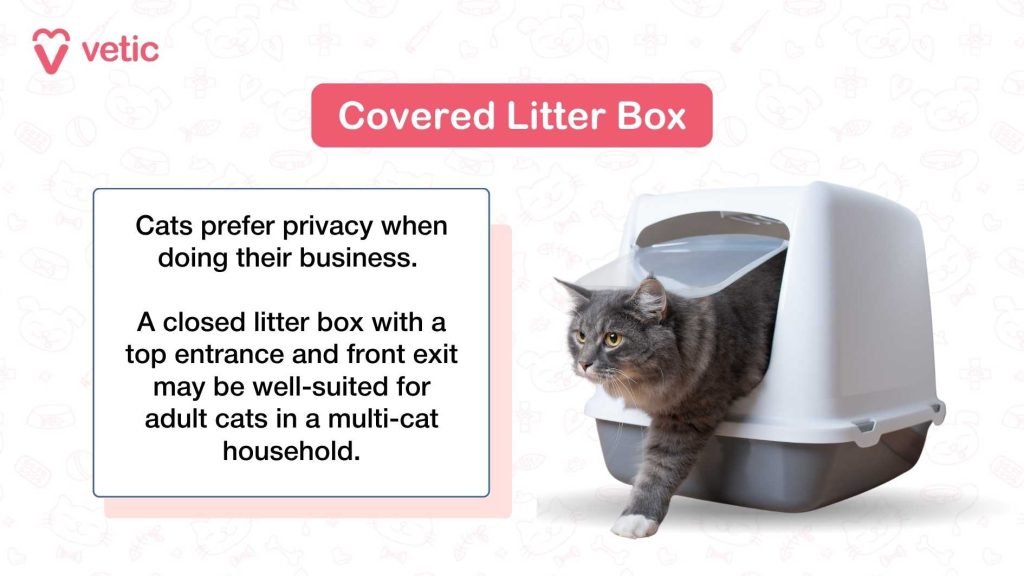
Encouraging a hesitant cat requires patience and trial. Experiment with different types of litter—some cats prefer fine, unscented clumping litter over others. You can also try a covered versus uncovered box to see what your cat likes better.
Positive reinforcement works wonders. Praise your cat or offer treats when they use the box correctly. If your cat is nervous, using pheromone sprays near the litter box can create a calming atmosphere and encourage use.
Evolutionary Perspective On Litter Use
Cats naturally bury their waste to hide their scent from predators. This instinct helps them learn to use a litter box without much training. Their behavior stems from ancient survival habits passed down through generations.
Wild Ancestors’ Habits
Cats’ wild ancestors lived in nature, where they avoided soiling their resting areas. They dug small holes to bury their waste. This behavior helped keep their dens clean and free from smells. It also reduced the chance of predators finding them by scent. Such habits are deeply rooted in their DNA.Survival And Cleanliness
Cleanliness helped wild cats survive. Burying waste kept their homes safe from pests and parasites. It also made their scent less noticeable to enemies. This simple habit increased their chances of living longer and having kittens. The instinct to cover waste remains strong in domestic cats.Adaptation To Domestic Life
Domestic cats still follow their ancestors’ instincts. They use litter boxes as natural substitutes for digging holes. The litter mimics soil or sand, encouraging cats to bury their waste. This makes it easier for cats to adapt to indoor living. Owners benefit from cleaner homes and less odor.
Credit: www.purina.com
Frequently Asked Questions
How Do Cats Naturally Learn To Use A Litter Box?
Cats instinctively bury their waste to hide scent from predators. This natural behavior helps them learn to use a litter box quickly. Providing a clean, accessible box encourages this instinct and reinforces proper bathroom habits in cats.
Why Do Cats Prefer Certain Litter Types?
Cats prefer fine, unscented clumping litter because it feels soft and natural. Harsh or strongly scented litters can deter use. Choosing the right litter type helps cats feel comfortable and encourages consistent litter box use.
How Long Does It Take For Cats To Learn Litter Training?
Most cats learn litter box use within a few days to a week. Kittens may need more time and gentle guidance. Patience and consistency are key to successful litter training for cats of all ages.
Can A Dirty Litter Box Cause Cats To Avoid It?
Yes, cats dislike dirty litter boxes and may avoid using them. Regular cleaning keeps the box inviting and reduces odor. Maintaining cleanliness is essential for consistent litter box use and cat comfort.
Conclusion
Cats learn to use a litter box through instinct and training. They naturally bury their waste to stay clean. Owners help by placing cats in the box often. A quiet, clean box makes cats feel safe. Consistency is key to building good habits.
Watching your cat closely helps spot problems early. Teaching cats to use a litter box takes patience and care. It creates a happy home for both pets and owners. Simple steps lead to success in litter box training.
