

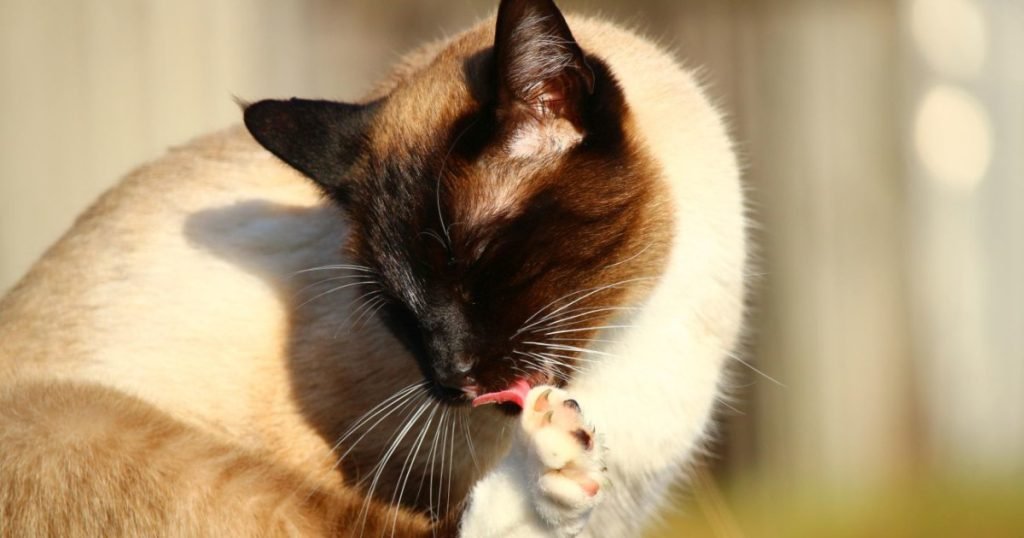
Have you ever watched a cat carefully licking its fur and wondered how they keep themselves so clean? Cats have a special way of grooming that’s more than just about looking good.
It’s a natural skill that helps them stay healthy and comfortable every day. If you want to understand what makes your cat’s grooming routine so unique and why it matters to their well-being, keep reading. By the end, you’ll see your furry friend in a whole new light—and maybe even learn a few grooming tips you can try at home.

Credit: nationalcatgroomers.com
Cat Grooming Basics
Understanding the basics of cat grooming helps you appreciate how your feline friend keeps itself clean and healthy. Cats have unique grooming habits that are both instinctual and necessary for their well-being. Observing these habits can also give you clues about your cat’s health and comfort.
Why Cats Groom
Cats groom to remove dirt, loose fur, and parasites from their coats. This behavior also helps regulate their body temperature and keeps their skin healthy. Grooming is a way for cats to relax and reduce stress, which you might notice when your cat licks itself after a busy play session.
Have you ever seen your cat grooming a specific spot repeatedly? That could be a sign of irritation or discomfort, so paying attention to these habits can help you catch issues early.
Frequency Of Grooming Sessions
Most cats spend about 30-50% of their waking hours grooming themselves. This means several short sessions throughout the day rather than one long session. Younger cats and those with dense fur tend to groom more frequently to keep their coats in top shape.
If your cat suddenly grooms less or more than usual, it might indicate stress, illness, or skin problems. Keeping an eye on these changes allows you to intervene early and keep your cat comfortable and healthy.
Tools Cats Use
Cats have special tools that help them stay clean and healthy. These tools work together to remove dirt and loose fur. They also help cats control their body temperature. Understanding these tools shows how cats groom themselves so well.
Role Of The Tongue
The cat’s tongue is rough and covered with tiny, hook-like structures. These hooks help pull dirt and loose hair from the fur. The tongue also spreads natural oils over the coat. This keeps the fur shiny and waterproof. Cats use their tongue to reach all parts of their body. It acts like a soft brush and cleaning tool in one.
Importance Of Teeth And Claws
Cats use their teeth to bite and remove tough dirt or mats in their fur. Their sharp teeth can break up knots and tangles. Claws help cats scratch hard-to-reach places. Scratching removes dead skin and helps clean the fur. Claws also provide balance while grooming. Together, teeth and claws help keep a cat’s coat neat and healthy.
Grooming Techniques
Cats have an impressive toolkit of grooming techniques that keep their fur clean, healthy, and shiny. Their grooming routine is not just about looking good—it helps regulate body temperature, remove parasites, and reduce stress. Understanding these techniques can help you appreciate how self-sufficient your feline friend truly is.
Licking Patterns
Cats use their rough tongues to lick their fur in specific patterns. They often start with long strokes down their back and sides, spreading natural oils that keep their coat waterproof and soft.
Have you noticed how your cat sometimes licks a spot repeatedly? This focused licking removes dirt and loose hair effectively. It’s like a built-in cleaning system that targets problem areas.
Biting And Scratching
Biting and scratching are essential parts of grooming, especially for removing tangles and debris. Cats gently nibble on knots in their fur to break them apart without hurting themselves.
Scratching with their claws helps remove dead skin and stimulates blood flow. If you watch closely, you’ll see your cat carefully biting and scratching in a way that protects their skin while maintaining their coat.
Cleaning Hard-to-reach Areas
Areas like behind the ears, under the chin, and around the tail can be tricky for cats to clean. They use flexible neck movements and twisting motions to reach these spots.
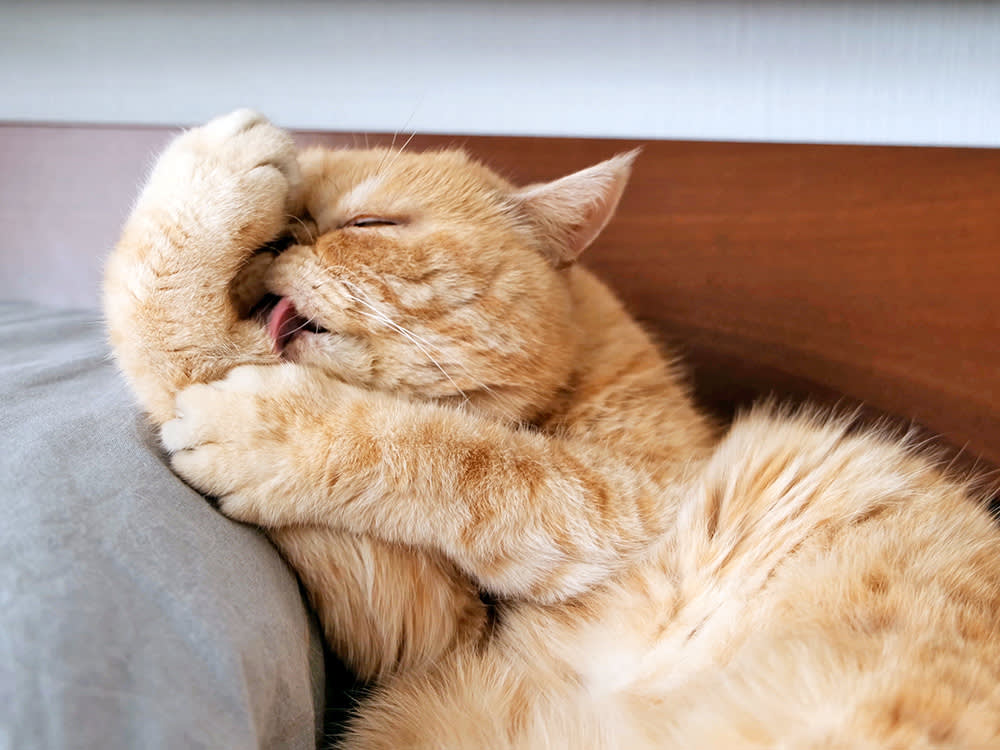
Sometimes, cats even rely on their paws, licking them first and then rubbing the paws on their faces to clean hard-to-reach places. Have you ever seen your cat pause mid-groom to give their paw a good lick? That’s part of their smart cleaning strategy.
Benefits Of Grooming
Cats spend a significant part of their day grooming themselves, but have you ever wondered why this behavior is so important? Grooming is not just about keeping clean; it plays a crucial role in their overall well-being. Understanding the benefits can help you appreciate your feline friend’s daily ritual even more.
Maintaining Coat Health
Grooming helps cats remove dirt, loose fur, and parasites from their coat. This keeps their fur smooth and shiny, preventing mats and tangles that can cause discomfort. If you notice your cat’s fur looking dull or patchy, it might be a sign that they need a bit of extra grooming help from you.
Temperature Regulation
Your cat’s tongue acts like a natural cooling system during grooming. The saliva they spread helps cool them down as it evaporates from their fur. This is especially important on hot days or after vigorous play, helping cats maintain a comfortable body temperature without using energy.
Stress Relief And Comfort
Grooming is a calming activity for cats. It releases endorphins, which help reduce stress and provide a sense of comfort. If you ever see your cat licking themselves after a loud noise or a visit to the vet, it’s their way of coping with anxiety and regaining calmness.
Social Grooming Habits
Cats are not just solo groomers. They also groom each other to build social bonds. Social grooming helps cats feel safe and connected in their groups. It is a sign of trust and friendship. This behavior is common among cats living together, like siblings or companions.
Grooming Between Cats
Cats lick each other’s fur to clean hard-to-reach spots. They use their tongues to remove dirt and loose hair. This activity often happens around the head and neck areas. Cats take turns grooming each other. It strengthens their relationships and reduces tension.
Bonding And Communication
Social grooming is more than just cleaning. It helps cats communicate feelings of care and affection. Grooming releases calming chemicals in their brains. It lowers stress and creates a sense of security. Through grooming, cats show they trust and accept each other.

Credit: justcatsclinic.com
Grooming Challenges
Cats spend a lot of time grooming to stay clean and healthy. This behavior is natural but can sometimes lead to problems. Grooming challenges affect a cat’s well-being and comfort. Understanding these challenges helps owners provide better care.
Overgrooming Issues
Overgrooming happens when cats lick or bite their fur too much. It can cause bald spots, skin wounds, and irritation. Stress, allergies, or parasites often trigger this behavior. Overgrooming is a sign that something is wrong.
Watch for these signs:
- Hair loss in patches
- Red or inflamed skin
- Frequent licking or biting
Addressing the root cause is important. A vet can help find allergies or skin problems. Reducing stress and providing a calm environment also helps.
Grooming In Sick Or Elderly Cats
Sick or older cats may struggle to groom themselves properly. Pain, weakness, or illness can reduce their grooming time. Their fur may become dirty, matted, or oily without care.
Signs of grooming difficulty include:
- Clumps of fur or mats
- Unpleasant odor from the coat
- Visible dirt or debris in fur
Owners should assist by gently brushing and cleaning. Regular vet check-ups can identify health problems early. Helping these cats maintain hygiene improves their comfort and health.
Supporting Your Cat’s Grooming
Supporting your cat’s grooming is an important part of keeping them healthy and happy. While cats are excellent at cleaning themselves, there are times when they need a little extra help. Understanding when and how to assist your cat can prevent skin problems and keep their coat shiny and comfortable.
When To Brush Your Cat
Brushing your cat regularly helps remove loose fur and prevents hairballs. Long-haired cats need brushing daily, while short-haired cats usually do well with a couple of times a week. Pay attention to your cat’s mood during brushing; if they seem stressed, try shorter sessions or a gentler brush.
Brushing also stimulates blood flow and distributes natural oils in your cat’s fur. This keeps their coat healthy and reduces shedding around your home. Have you noticed your cat grooming less during shedding season? That’s a perfect time to increase brushing frequency.
Signs Your Cat Needs Help Grooming
Not all cats can groom themselves effectively, especially older or overweight cats. If you see matted fur, dandruff, or bald patches, it’s a sign your cat might need grooming help. Also, watch for bad odors or excessive scratching, which can indicate skin issues.
Sometimes, cats stop grooming due to pain or illness. If your cat suddenly neglects grooming, a vet visit is important. You can assist by gently brushing problem areas or trimming matted fur. How often do you check your cat for these signs?
Credit: www.kinship.com
Frequently Asked Questions
How Often Do Cats Groom Themselves Daily?
Cats typically groom themselves several times a day. This behavior helps keep their fur clean and reduces odors. Grooming also regulates body temperature and promotes relaxation. Regular self-cleaning is essential for a cat’s health and comfort.
Why Do Cats Use Their Tongues To Groom?
Cats use their rough tongues to remove dirt and loose hair. The tongue’s tiny, hook-like structures act like a comb. This helps untangle fur and stimulates skin oils. Tongue grooming ensures a clean, shiny coat and prevents matting.
Can Grooming Help Cats Reduce Stress?
Yes, grooming is a natural stress reliever for cats. It releases endorphins that calm them down. Grooming also provides a sense of security and comfort. Cats may groom more when they feel anxious or unsettled.
Do Cats Groom To Communicate With Other Cats?
Cats use grooming to bond and communicate with others. Social grooming, or allogrooming, strengthens relationships between cats. It helps build trust and reduces tension in groups. Grooming is a key part of feline social behavior.
Conclusion
Cats groom themselves to stay clean and healthy. Their tongue acts like a brush, removing dirt and loose fur. Grooming also helps cats cool down and feel calm. It shows they care about their body and comfort. Watching a cat clean itself reveals how natural and important this habit is.
Understanding this behavior helps you better care for your feline friend. Keep their fur smooth and skin healthy by supporting their grooming routine. Simple, but vital.
