

Have you ever wondered how your cat could suddenly get worms? It’s a common problem that many cat owners face, and understanding how cats get worms can help you protect your furry friend.
Worms can cause discomfort and serious health issues if left untreated. You’ll discover the most common ways cats pick up these unwanted guests, how to spot the signs early, and what you can do to keep your cat safe and healthy.
Keep reading—your cat’s well-being depends on it.
Common Worm Types In Cats
Cats can often fall victim to various types of worms. These parasites can cause health issues, ranging from mild discomfort to serious problems. Understanding the common types of worms that affect cats is crucial for every cat owner.
Roundworms
Roundworms are the most common type of worm in cats. They resemble spaghetti and can grow several inches long. Cats usually get them by ingesting infected rodents. Kittens can get them from their mother’s milk.
Tapeworms
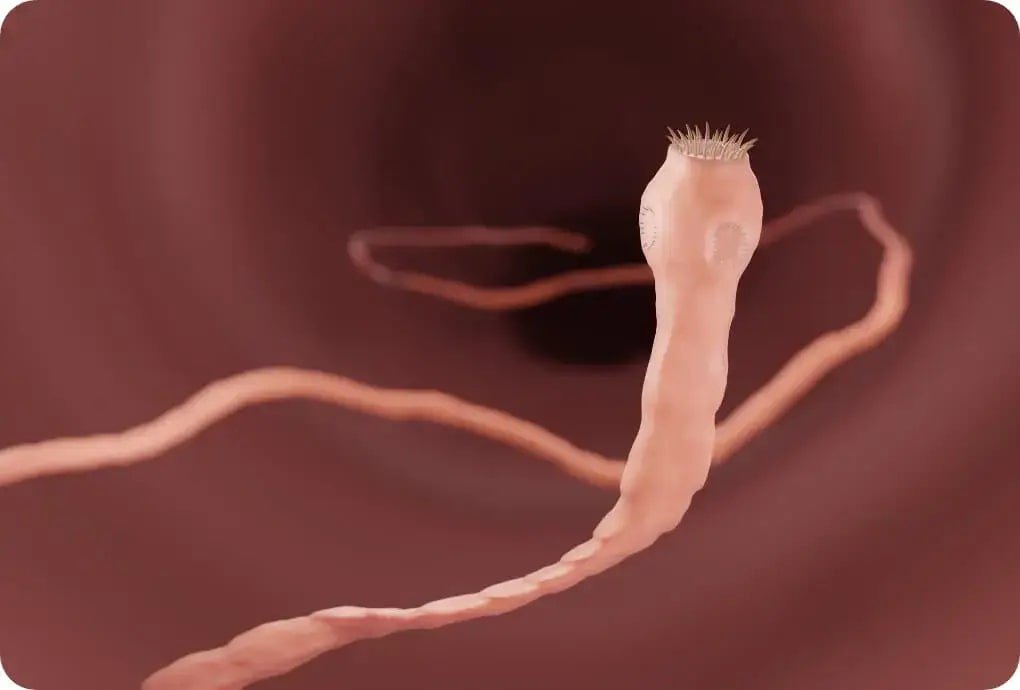
Tapeworms are long, flat, and segmented. Cats often get them by eating infected fleas. Each segment of the tapeworm can break off and is sometimes visible around the cat’s tail.
Hookworms
Hookworms are smaller than roundworms. They attach to the cat’s intestinal wall. Cats can get them through skin contact with contaminated soil. Hookworms can cause anemia due to blood loss.
Whipworms
Whipworms are less common in cats. They live in the large intestine. Their presence can cause weight loss and diarrhea. Cats can ingest whipworm eggs from contaminated environments.

Credit: www.outdoorbengal.com
How Cats Catch Worms
Understanding how cats catch worms is key to keeping your feline friend healthy. Worms can sneak into your cat’s system in several surprising ways. Knowing these pathways helps you prevent infections before they start.
Ingesting Contaminated Food Or Water
Cats often get worms by eating food or drinking water that carries parasite eggs or larvae. This can happen if their bowl isn’t cleaned regularly or if they drink from puddles outside. Have you checked your cat’s water source lately?
Even indoor cats aren’t completely safe. Sometimes, dry or raw food can be contaminated during processing or storage. Keeping your cat’s eating area clean and providing fresh water can reduce the risk significantly.
Fleas As Worm Carriers
Fleas don’t just cause itching; they can carry tapeworm larvae too. When your cat grooms itself and swallows infected fleas, the larvae enter their digestive system and grow into worms. Have you noticed your cat scratching more than usual?
Using flea prevention treatments regularly is essential. It’s not only about comfort but also about stopping worms before they start. Flea control can save your cat from a hidden health threat.
Hunting Infected Prey
If your cat enjoys outdoor adventures, hunting is a natural risk factor. Rodents, birds, and insects can carry worm larvae that infect cats when eaten. Even if your cat seems healthy, these little hunters can bring home unwanted parasites.
Consider how often your cat roams outside and interacts with wildlife. Limiting hunting opportunities or checking your cat regularly for signs of worms can make a big difference. Have you ever caught your cat with a “gift” from the yard?
Mother-to-kitten Transmission
Worms can pass from a mother cat to her kittens during pregnancy or through nursing. This early exposure means kittens can have worms before they even leave their mother. It’s a critical reason to ensure pregnant cats get checked and treated.
Regular vet visits for expectant and nursing cats protect the entire litter. Early treatment helps kittens grow strong and worm-free. Are you prepared to monitor your cat’s health through each stage of life?
Risk Factors For Worm Infestation
Cats can get worms through several common risk factors. Understanding these helps protect your feline friend. Worm infestations can affect their health and comfort. Identifying risks early keeps cats safer and healthier.
Outdoor Access
Cats that roam outside face higher worm risks. They can encounter infected soil, rodents, or other animals. Hunting small animals often exposes cats to worm larvae or eggs. Outdoor cats also come into contact with contaminated water sources. This makes outdoor access a key risk factor.
Poor Hygiene
Poor hygiene around cats increases worm chances. Dirty litter boxes can harbor worm eggs. Lack of regular cleaning spreads parasites easily. Cats may ingest eggs when grooming themselves. Maintaining clean living spaces lowers worm infestation risks.
Lack Of Regular Deworming
Skipping deworming treatments lets worms grow unchecked. Worms reproduce quickly inside the cat’s intestines. Without regular medication, infestations become severe. Deworming kills existing worms and prevents new ones. Regular treatment is vital for worm control.
Contact With Other Infected Animals
Cats in contact with infected animals risk catching worms. Parasites spread through shared spaces and grooming. Shelters, multi-cat homes, and outdoor encounters increase exposure. Worm eggs and larvae transfer easily between animals. Limiting contact reduces worm transmission chances.
Signs Your Cat Might Have Worms
Worms in cats can cause many health problems. Detecting worms early helps keep your cat healthy and happy. Cats rarely show clear signs at first. Watch closely for subtle changes in health and behavior. Recognizing these signs can prompt timely treatment.
Digestive Issues
Worms often upset your cat’s stomach. Vomiting and diarrhea are common signs. You might notice bloating or gas. Sometimes, cats strain to poop or have soft stools. These problems may come and go.
Weight Loss And Poor Coat
Worms steal nutrients from your cat’s body. This can cause sudden weight loss. Even if your cat eats well, weight may drop. Their fur may look dull or rough. A thin or patchy coat often signals a health issue.
Visible Worms In Stool
Sometimes, you can see worms or worm segments. They may look like tiny white grains or small rice pieces. Spotting worms in your cat’s stool is a clear warning. Check the litter box regularly for unusual signs.
Changes In Appetite And Behavior
Worms can make your cat lose interest in food. Appetite may drop or become erratic. Your cat might seem tired or less playful. They may hide more or act restless. These changes often show an underlying problem.
Preventing Worm Infestations
Preventing worm infestations in cats is crucial for their health and happiness. Worms can cause discomfort and serious health problems if left untreated. You can take simple but effective steps to keep your feline friend worm-free and thriving.
Regular Deworming Schedules
Keeping a regular deworming schedule is one of the most effective ways to protect your cat. Most vets recommend deworming every three months, but this can vary based on your cat’s lifestyle and risk factors.
Ask your vet what works best for your cat’s age and environment. Staying consistent with these treatments stops worms before they become a problem.
Flea Control Measures
Fleas are not just annoying; they can carry tapeworm larvae that infect your cat. Controlling fleas reduces the risk of worm infestations significantly.
Use vet-approved flea treatments and regularly check your cat’s fur. Think about your home and yard too—cleaning and treating these areas helps break the flea life cycle.
Safe Feeding Practices
Feeding your cat safely can prevent worms from entering their system. Avoid giving raw or undercooked meat, which can harbor parasites.
Choose high-quality commercial cat food or thoroughly cooked meals. Also, stop your cat from hunting rodents or birds, common sources of worms.
Routine Vet Check-ups
Regular vet visits are essential for catching worm infections early. Vets can perform stool tests that detect worms before symptoms appear.
These check-ups also help you stay updated on vaccinations and other preventive care. Would you skip a vet visit if it meant keeping your cat healthier and happier?

Credit: harmonypetclinic.com

Credit: justcatsclinic.com
Frequently Asked Questions
How Do Cats Commonly Get Worms?
Cats often get worms by eating infected prey like rodents or birds. They can also catch worms through fleas or contaminated soil.
Can Indoor Cats Get Worms Too?
Yes, indoor cats can get worms. They may ingest eggs from contaminated litter or carry fleas that transmit worms.
What Are The Signs Of Worm Infection In Cats?
Signs include weight loss, vomiting, diarrhea, and a bloated belly. Sometimes, worms are visible in the cat’s stool or fur.
How Can Worm Infections Be Prevented In Cats?
Regular deworming treatments, flea control, and keeping cats indoors help prevent worm infections. Clean litter boxes frequently and avoid raw prey.
Conclusion
Cats can get worms from many places like fleas, dirt, or other animals. Worms can make cats sick and weak. Watching your cat’s health closely helps catch problems early. Regular vet visits and proper care keep worms away. Clean living spaces reduce the chance of infection.
Feeding good food and stopping fleas also protect cats. Taking these steps helps your cat stay healthy and happy. Simple actions make a big difference in preventing worms. Keep your cat safe with good habits every day.
