

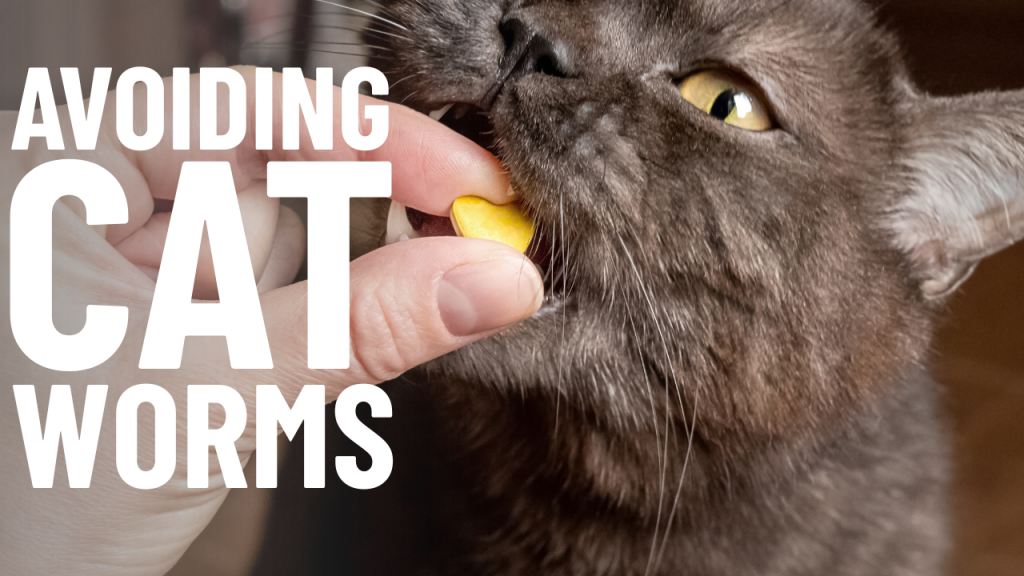
Have you ever wondered how your cat might get roundworms? These tiny parasites can cause big problems for your furry friend, and knowing how they spread is the first step to keeping your cat safe.
Understanding the common ways roundworms infect cats helps you protect your pet and keep your home clean. You’ll learn exactly how roundworms find their way into your cat’s body—and what you can do to stop them. Keep reading to make sure your cat stays happy and healthy.
Credit: nexgardforpets.com
Cat Roundworm Basics
Cats are curious creatures, often getting into situations that can lead to health concerns. One such issue is roundworms, a common parasite that can affect your feline friend. Understanding the basics of cat roundworms can help you keep your pet healthy and happy.
What Are Roundworms?
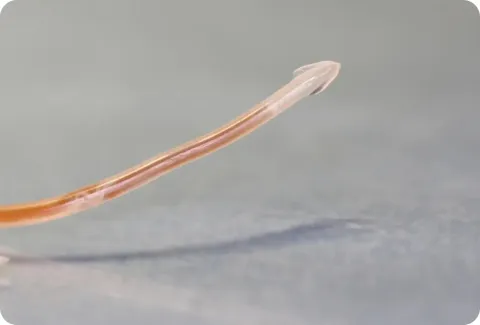
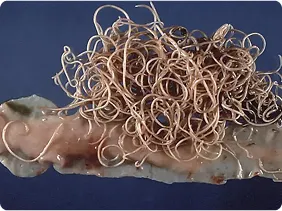
Roundworms are parasitic worms that inhabit the intestines of cats. They are typically long, white, and resemble spaghetti. Cats can become infected through various means, such as ingesting infected prey, exposure to contaminated soil, or from their mother’s milk.
Roundworms are highly prevalent among kittens, as they can easily be passed from mother to offspring. Adult cats can also be affected, especially if they spend time outdoors.
Common Symptoms In Cats
Recognizing the signs of a roundworm infection is crucial for early intervention. Some cats may not show any symptoms, while others might exhibit noticeable changes in behavior or health.
- Weight Loss:Despite having a good appetite, infected cats might lose weight as the worms absorb nutrients meant for the cat.
- Vomiting and Diarrhea:These are common symptoms, and you might even notice worms in the vomit or feces.
- Dull Coat:A lackluster coat can be an indicator of poor nutrient absorption due to roundworms.
- Potbelly Appearance:Especially in kittens, a swollen belly can be a telltale sign of a heavy worm load.
Have you noticed any of these symptoms in your cat? Monitoring your pet’s health and seeking veterinary advice can prevent potential complications.
Keeping your cat’s environment clean and regular vet visits can significantly reduce the risk of roundworm infection. With knowledge and vigilance, you can protect your furry companion from these pesky parasites.
Credit: nexgardforpets.com
Sources Of Roundworm Infection
Understanding where roundworm infections come from is key to protecting your cat. These parasites don’t just appear out of nowhere. They have specific ways of getting into your pet’s system, often through everyday activities and environments.
Contaminated Soil And Environment
Roundworm eggs can live in soil for years, waiting to be picked up by a curious cat. Outdoor cats are especially at risk since they explore gardens, parks, and yards where infected animals have been. Even indoor cats can be exposed if soil or dirt is brought inside on shoes or paws.
Have you noticed your cat digging in the garden? That simple behavior can expose them to harmful eggs lurking beneath the surface.
Ingesting Infected Prey
Your cat’s hunting instincts might be more dangerous than you think. Small animals like rodents and birds often carry roundworm larvae. When your cat catches and eats these prey, the parasites transfer directly into their system.
This means a well-fed cat can still be at risk if they catch a mouse or bird outside. Do you watch your cat’s hunting habits closely?
Mother-to-kitten Transmission
Roundworms can pass from a mother cat to her kittens before birth or through her milk. This early infection means kittens can start life with roundworms, even if they’ve never been outside. It’s one reason why vets recommend early deworming for young cats.
If you’ve cared for kittens, you might have seen how easily these parasites spread within a litter.
Contact With Feces
Roundworm eggs are shed in the feces of infected cats and other animals. Your cat can pick up these eggs by walking or playing in contaminated litter boxes, sandboxes, or outdoor areas. This is why keeping litter boxes clean and disposing of waste properly is so important.
Think about where your cat spends most of its time – are those areas cleaned regularly to reduce this risk?
Risk Factors For Cats
Understanding the risk factors for roundworms in cats helps you protect your furry friend more effectively. Certain habits and conditions increase the chances of infection. By recognizing these factors, you can take specific steps to reduce your cat’s exposure and keep them healthier.
Outdoor Vs. Indoor Cats
Outdoor cats face a higher risk of roundworm infection compared to indoor cats. They encounter contaminated soil, feces, and other animals more often, which are common sources of roundworm eggs. But even indoor cats aren’t completely safe—if you bring in dirt on your shoes or your cat has occasional supervised outdoor time, exposure can still happen.
Think about how often your cat ventures outside or interacts with other animals. Could limiting outdoor time or creating a clean outdoor space reduce their risk?
Age And Immune System Impact
Kittens are particularly vulnerable to roundworms because their immune systems are still developing. They can also get infected from their mother during nursing. Older cats with weakened immune systems, due to illness or stress, also have a harder time fighting off these parasites.
Keeping your kitten’s environment clean and scheduling regular vet visits can help catch infections early. For older cats, maintaining overall health supports their immune defense against parasites.
Hunting Behavior
Cats that hunt small rodents or birds are at greater risk of picking up roundworms. These prey animals often carry roundworm larvae, which can infect your cat when eaten. Even if your cat doesn’t bring the catch home, this behavior exposes them directly to parasites.
Have you noticed your cat stalking or catching wildlife? Providing stimulating toys and playtime can help reduce hunting urges, lowering the risk of infection.
Diagnosing Roundworms
Diagnosing roundworms in cats involves careful observation and specific tests. Early detection helps prevent health problems and stops the spread of infection. Veterinarians use several ways to confirm if a cat has roundworms.
Fecal Examination
Fecal examination is the most common test for roundworms. The vet collects a small stool sample from the cat. This sample is checked under a microscope for roundworm eggs. The test is quick and usually accurate. Sometimes, multiple samples may be needed for a clear result.
This method helps identify the presence of adult roundworms or their eggs. It also rules out other parasites that cause similar symptoms. Regular fecal checks are important for cats that go outdoors or live with other pets.
Signs Veterinarians Look For
Veterinarians watch for specific signs that suggest roundworms. These include:
- Visible worms in the cat’s feces or vomit
- Weight loss despite good appetite
- Diarrhea or abnormal stools
- Dull coat and poor growth in kittens
- Pot-bellied appearance in young cats
- Coughing or breathing difficulties
Such signs guide vets to perform further tests. Some cats may not show clear symptoms but still carry roundworms. Early vet visits help catch infections before they worsen.
Treatment Options
Treating roundworms in cats is important to keep them healthy and happy. Roundworms can cause discomfort and other health issues. Fortunately, several treatment options help remove these parasites quickly and safely. Understanding these treatments helps pet owners provide the best care for their cats.
Deworming Medications
Deworming medications are the main way to treat roundworms. These medicines kill the worms inside the cat’s body. Vets often prescribe pills, liquids, or injections. Some common ingredients include pyrantel pamoate, fenbendazole, and milbemycin oxime.
Administer the medication exactly as the vet directs. It usually takes a few days for the medicine to work fully. Some cats may need repeated doses to clear all worms. Always keep the medication out of reach of children and other pets.
Follow-up Care
Follow-up care is essential after treatment. It confirms the worms are gone and the cat is healthy. Your vet may ask for stool samples to check for eggs. Sometimes, a second round of medication is needed to finish the job.
Keep your cat’s environment clean to prevent reinfection. Wash bedding, toys, and litter boxes regularly. Practice good hygiene by washing hands after handling cats or their waste. These steps reduce the chance of roundworms returning.
Preventing Roundworm Infections
Preventing roundworm infections in cats requires a combination of good habits and proactive care. You can protect your furry friend by focusing on their health routine, the cleanliness of their environment, and their daily activities. Small changes in these areas make a big difference in keeping roundworms away.
Regular Deworming Schedules
Keeping your cat on a regular deworming schedule is one of the most effective ways to prevent roundworms. Most vets recommend starting deworming treatments as early as two weeks of age and continuing every few months. Have you marked your calendar for your cat’s next treatment?
Discuss with your vet about the best deworming products for your cat’s age and lifestyle. Regular treatments stop worms before they become a problem and reduce the risk of spreading to other pets or family members.
Maintaining Clean Living Spaces
Roundworm eggs can survive in dirt and litter boxes for months. Cleaning your cat’s living areas frequently lowers the chance of infection. Are you scooping the litter box daily and washing it with hot water weekly?
Also, keep your cat’s bedding and play areas clean. Vacuum often and wipe down surfaces to remove any eggs. This simple habit protects both your cat and your home environment.
Controlling Hunting And Diet
Cats that hunt small animals like rodents or birds risk catching roundworms from their prey. If your cat spends time outdoors, think about ways to limit hunting or supervise their activities. Have you noticed your cat bringing “gifts” home?
Feeding your cat a balanced diet reduces their need to hunt. Well-fed cats are less likely to eat infected animals, which lowers their chance of roundworm infection.
Safe Handling Of Cat Waste
Cat feces can contain roundworm eggs, so safe handling is crucial to prevent spread. Always wear gloves when cleaning the litter box and wash your hands thoroughly afterward. Do you keep a dedicated scoop and cleaning supplies just for your cat’s waste?
Dispose of waste in sealed bags and avoid composting cat litter. This stops roundworm eggs from contaminating soil or plants where your cat or others might come into contact with them.
Human Health Concerns
Roundworms in cats aren’t just a concern for your pet’s health—they can impact your family’s well-being too. Understanding how these parasites affect humans helps you take the right steps to keep everyone safe. It’s important to know the risks and how to minimize them effectively.
Can Humans Get Roundworms?
Yes, humans can get roundworms, especially children who play outside or anyone who accidentally ingests contaminated soil or dirt. The roundworm eggs can survive in the environment for long periods, waiting to be picked up by unsuspecting hands or pets.
Once inside the human body, roundworm larvae can migrate through tissues, causing a condition called toxocariasis. Symptoms might include fever, coughing, or even vision problems if larvae reach the eyes. Have you ever wondered if that dirty garden soil could pose a hidden risk to your family?
Protecting Your Family
Keeping your family safe means preventing exposure to roundworm eggs. Start by washing hands thoroughly after playing outside or handling pets. This simple act dramatically reduces the chance of infection.
Regular vet check-ups and deworming your cat are essential. Also, clean litter boxes daily and dispose of waste properly to avoid contamination around your home. Consider these practical habits as your family’s frontline defense against roundworms.
- Wear gloves while gardening or cleaning pet areas
- Teach children not to put soil or dirty hands in their mouths
- Keep outdoor play areas free of pet feces
- Maintain good hygiene for both pets and people
Credit: nexgardforpets.com
Frequently Asked Questions
How Do Cats Commonly Get Roundworms?
Cats often get roundworms by ingesting infected fleas or contaminated soil. Kittens can also catch them from their mother’s milk. Eating infected rodents or prey is another common source. These parasites enter the cat’s intestines and grow, causing health problems.
Can Indoor Cats Get Roundworms?
Yes, indoor cats can get roundworms. Fleas can enter the home and infect cats. Contaminated soil on paws or food can also carry eggs. It’s important to keep your indoor environment clean and regularly check your cat for parasites.
What Are The Main Symptoms Of Roundworms In Cats?
Symptoms include vomiting, diarrhea, a pot-bellied appearance, and weight loss. Cats may also show a dull coat and lethargy. In severe cases, coughing and intestinal blockages can occur. Early detection helps prevent complications.
How Can I Prevent My Cat From Getting Roundworms?
Regular deworming and flea control are key preventive measures. Keep your cat indoors or supervise outdoor time to reduce risks. Clean litter boxes frequently and avoid feeding raw prey. Regular vet check-ups help catch infections early.
Conclusion
Cats catch roundworms through contact with infected feces or prey. These parasites live inside their intestines and can cause health problems. Regular vet check-ups help detect and treat roundworms early. Cleaning your cat’s environment reduces infection risks. Feeding cats cooked food lowers chances of catching worms.
Keeping cats indoors limits exposure to infected animals. Understanding how roundworms spread helps protect your pet. Healthy cats stay happier and avoid serious illnesses. Simple care steps make a big difference in prevention. Stay alert and keep your cat safe from roundworms.
