

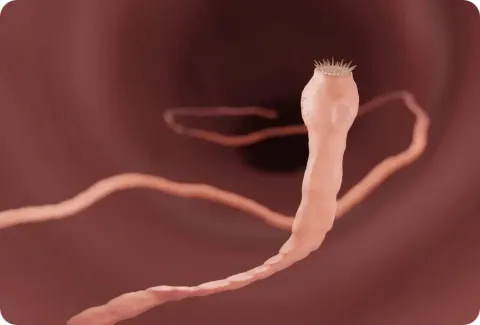
Have you ever wondered how your cat might get worms? It’s a common problem that many pet owners face, but understanding how these tiny parasites find their way into your furry friend’s body can help you protect them better.
Worms can cause discomfort and health issues for your cat, and knowing the main ways they spread is the first step to keeping your pet safe. You’ll discover the simple but important facts about how cats contract worms—and what you can do to stop it before it starts.
Keep reading to learn how to keep your cat healthy and worm-free.
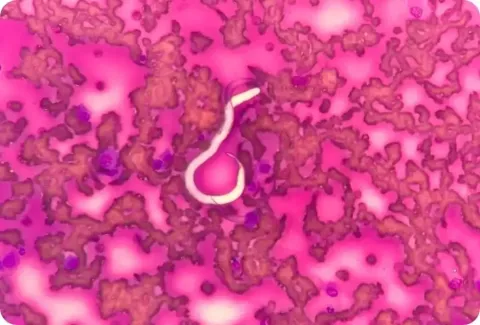
Credit: nexgardforpets.com
Common Worm Types In Cats
Cats can get infected by different types of worms. These parasites live inside their bodies and cause health problems. Knowing the common worm types helps in spotting symptoms early. It also guides proper treatment and prevention.
Roundworms
Roundworms are the most common worms in cats. They look like spaghetti and live in the intestines. Cats get roundworms by swallowing eggs from contaminated soil or infected prey. Kittens can get roundworms from their mother’s milk. Symptoms include vomiting, diarrhea, and a bloated belly.
Tapeworms
Tapeworms are flat, segmented worms. Cats catch them by eating fleas or small animals like rodents. These worms attach to the cat’s intestines and absorb nutrients. You might see small, rice-like segments near the cat’s rear or in its stool. Tapeworms cause weight loss and irritation around the tail.
Hookworms
Hookworms are small but dangerous parasites. They attach to the intestine walls and suck blood. Cats can get hookworms by swallowing larvae or through their skin. Hookworm infection causes anemia, weakness, and dark, tarry stools. Young cats and kittens are especially at risk.
Whipworms
Whipworms are less common in cats but still a threat. They live in the large intestine and cause inflammation. Cats get whipworms by ingesting contaminated soil or feces. Symptoms include diarrhea, weight loss, and dehydration. Diagnosis requires a vet’s stool examination.
Transmission Through Fleas
Fleas play a surprising but significant role in how cats get worms. These tiny pests are more than just an itchy nuisance—they can carry worm larvae and pass them directly to your feline friend. Understanding this transmission route helps you protect your cat more effectively.
How Fleas Carry Worm Larvae
Fleas often pick up tapeworm larvae after feeding on an infected animal. These larvae develop inside the flea’s body, waiting to be passed on. When your cat grooms itself and swallows an infected flea, the larvae enter its digestive system.
Signs Your Cat Might Have Flea-transmitted Worms
- Excessive scratching and biting at the fur
- Visible fleas or flea dirt on your cat’s coat
- Small white segments around the cat’s rear, resembling grains of rice
If you notice these signs, it’s a good idea to check with your vet about worm treatments.
Preventing Worm Infection Through Flea Control
Keeping fleas off your cat is the best way to stop worm transmission. Use flea preventatives regularly and clean your cat’s environment thoroughly. Vacuum carpets, wash bedding often, and treat your home if fleas are present.
Have you ever thought about how a tiny flea could carry such a big problem? Controlling fleas is not just about comfort; it’s a key step in protecting your cat’s health from worms.
Ingestion Of Infected Prey
Cats are natural hunters. They often catch small animals like mice or birds. These animals can carry worm larvae or eggs. When cats eat infected prey, the worms enter their bodies. This is a common way cats contract worms.
Eating infected prey allows worms to bypass many defenses. The worms can grow inside the cat’s intestines. From there, they reproduce and spread. This can cause health problems for the cat.
Types Of Prey That Carry Worms
- Rodents such as mice and rats
- Small birds
- Frogs and insects
Common Worms Transmitted Through Prey
- Tapeworms
- Roundworms
- Hookworms
How Worms Survive Inside Prey
Worm eggs or larvae live inside prey animals. These parasites do not harm the prey much. The prey acts as a host, carrying worms safely. When a cat eats the prey, worms move to the cat.
Signs Your Cat May Have Worms From Prey
- Weight loss despite good appetite
- Visible worms in stool or fur
- Vomiting or diarrhea
- Excessive scratching or licking
Contaminated Soil And Water
Cats can pick up worms through soil and water that contain parasite eggs or larvae. These environments often harbor harmful worms that infect cats. Outdoor cats face a higher risk since they explore gardens, parks, and other natural areas.
Contaminated soil and water act as breeding grounds for many worm species. Parasite eggs enter the soil through feces of infected animals. Cats walking or digging in such soil can easily get infected.
How Soil Becomes Contaminated
Infected animals leave worm eggs in their feces. The eggs hatch in warm, moist soil. Larvae wait patiently for a host, like a cat, to pass by. Cats digging or lying in this soil can pick up larvae through their paws or fur. Later, they swallow the larvae while grooming.
Risks From Drinking Contaminated Water
Water sources near contaminated soil may contain worm larvae. Puddles, ponds, or stagnant water often have parasite eggs. Cats drinking from these sources swallow the larvae. This leads to internal infections in their intestines or organs.
Preventing Infection From Soil And Water
- Limit outdoor access to areas with unknown soil quality.
- Provide clean, fresh water indoors for your cat.
- Clean litter boxes regularly to stop soil contamination.
- Regular vet check-ups to detect worms early.
Mother-to-kitten Transmission
Mother-to-kitten transmission is a common way cats contract worms. Kittens can get worms directly from their mother before or after birth. This early infection can cause health problems if left untreated. Understanding how this transmission happens helps in protecting both mother cats and their kittens.
Worms Passed Through The Placenta
Some types of worms can cross the placenta during pregnancy. The unborn kittens may swallow these worm larvae before birth. This means kittens can have worms the moment they are born. Early detection is important to avoid serious illness.
Transmission Through Mother’s Milk
After birth, kittens drink their mother’s milk to grow. Worm larvae can be present in the milk. Drinking infected milk passes worms to the kittens. This is a common way for roundworms to spread.
Risks Of Early Worm Infection
- Stunted growth
- Weakness and lethargy
- Diarrhea and vomiting
- Increased risk of other infections
Early worm infections can harm kittens’ health. Treating the mother cat and monitoring kittens is essential.
Signs Of Worm Infestation
Noticing the signs of a worm infestation in your cat can make all the difference in getting them treated quickly. These signs often show up in your cat’s behavior and physical condition. Paying close attention to these changes can help you catch the problem early and protect your furry friend.
Behavioral Changes
Does your cat suddenly seem more tired or less playful than usual? Worms can sap your cat’s energy, making them less active. You might also notice your cat scratching or biting around their bottom more often, which can indicate irritation caused by worms.
Some cats may show increased hunger, eating more but still losing weight. This is because worms compete for the nutrients your cat needs. Have you seen your cat’s appetite spike without an obvious reason? That could be a red flag.
Physical Symptoms
Physical signs can be easier to spot if you know what to look for. A bloated or swollen belly, especially in kittens, is a classic sign of worm infestation. You may also notice visible worms in your cat’s stool or around their rear end.
Other symptoms include vomiting, diarrhea, and a dull coat. If your cat’s fur looks rough or patchy, it might be struggling with parasites. Keep an eye on weight loss too—if your cat is losing weight despite eating well, worms could be the cause.
Effective Prevention Methods
Preventing your cat from contracting worms is easier than treating an infestation. Effective prevention methods focus on stopping the problem before it starts. You hold the key to your cat’s health by staying proactive and informed.
Regular Veterinary Checkups
Taking your cat to the vet regularly helps catch worm infections early. Vets can perform stool tests that detect parasites you might never see. They also recommend the best deworming schedule based on your cat’s lifestyle and risk factors.
Think about your last vet visit. Did your vet talk about worm prevention? If not, ask about it next time—you might be surprised how many cats carry worms without obvious symptoms.
Flea Control
Fleas are more than just a nuisance—they’re a major carrier of tapeworms. Controlling fleas reduces your cat’s risk of worm infections dramatically. Use flea treatments recommended by your vet, and apply them consistently.
Don’t forget to treat your home and other pets too. Fleas can hide in carpets and bedding, making it easy for your cat to get reinfected. Have you checked your cat’s fur for fleas lately?
Sanitation Practices
Keeping your cat’s environment clean cuts down worm exposure. Regularly clean litter boxes, and dispose of waste promptly. Worm eggs and larvae can survive in dirty areas, waiting for a new host.
Wash your hands after handling litter or soil, especially before eating. This simple habit protects both you and your cat. How often do you clean your cat’s space? Small changes can make a big difference in preventing worms.
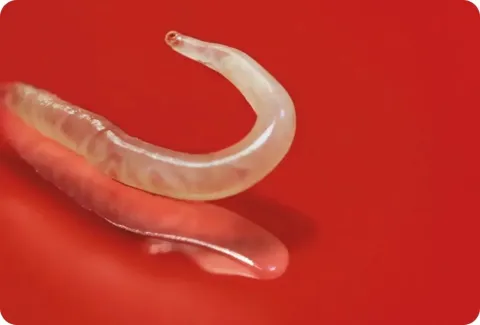
Credit: nexgardforpets.com
Natural Remedies And Diet
Natural remedies and diet play a key role in keeping cats free from worms. Many pet owners seek gentle and safe ways to support their cat’s health. Using natural methods can reduce the risk of side effects often linked to chemical treatments. Feeding the right food and adding natural supplements can help boost the cat’s immune system. A strong immune system can fight off parasites more easily.
Choosing a healthy diet is the first step. A balanced diet strengthens your cat’s body and reduces vulnerability to worms. Fresh, high-quality protein sources are essential. Avoid cheap fillers and grains that may weaken their health. Adding certain herbs and supplements can also help naturally repel worms.
Herbs That Help Fight Worms
- Pumpkin seeds contain cucurbitacin, which can paralyze worms.
- Garlic in small amounts may repel parasites.
- Fennel seeds help soothe digestion and remove worms.
- Wormwood is a traditional herb used to expel worms.
Foods To Support A Worm-free Cat
- Raw pumpkin or cooked pumpkin puree aids in worm removal.
- Carrots provide fiber and help cleanse the digestive tract.
- Probiotic foods boost good gut bacteria to fight worms.
- Fresh water should always be available to flush toxins out.
Safe Natural Supplements
- Diotomaceous earth helps remove worms by damaging their exoskeleton.
- Coconut oil contains fatty acids that may kill worms.
- Apple cider vinegar improves stomach acidity to prevent parasite growth.
- Consult your vet before starting any new supplements.
When To Consult A Veterinarian
Recognizing when your cat needs professional help can make a huge difference in their health, especially with something as serious as worms. Some symptoms are subtle, while others are more obvious. Knowing what signs to watch for and when to seek a veterinarian’s advice can prevent complications and ensure your cat recovers quickly.
Unexplained Weight Loss Or Vomiting
If your cat suddenly loses weight without any change in diet or activity, this could be a warning sign. Worms often interfere with nutrient absorption, causing your pet to waste away. Frequent vomiting, especially if you notice worms or unusual debris, is a clear signal that a vet visit is urgent.
Visible Worms Or Eggs In Stool
Seeing worms or small white eggs in your cat’s feces or around their anus is a direct indication of infestation. Don’t wait to act if you spot these. Collect a sample and take it to your vet for analysis and treatment advice.
Changes In Appetite Or Behavior
Has your cat suddenly lost interest in food or become unusually lethargic? Worm infections can cause discomfort and sickness that affect appetite and energy levels. If these changes last more than a day or two, you should consult your veterinarian.
Persistent Diarrhea Or Scooting
Diarrhea that doesn’t resolve within 24-48 hours may signal a worm problem. Cats scooting or dragging their rear along the floor is often a sign of irritation from worms around the anus. Both symptoms deserve a professional check-up.
Routine Check-ups And Preventative Care
Even if your cat shows no symptoms, regular vet visits help catch worm infections early. Many vets recommend routine fecal exams and preventive treatments, especially for outdoor cats. Ask your vet how often your cat should be screened based on their lifestyle.
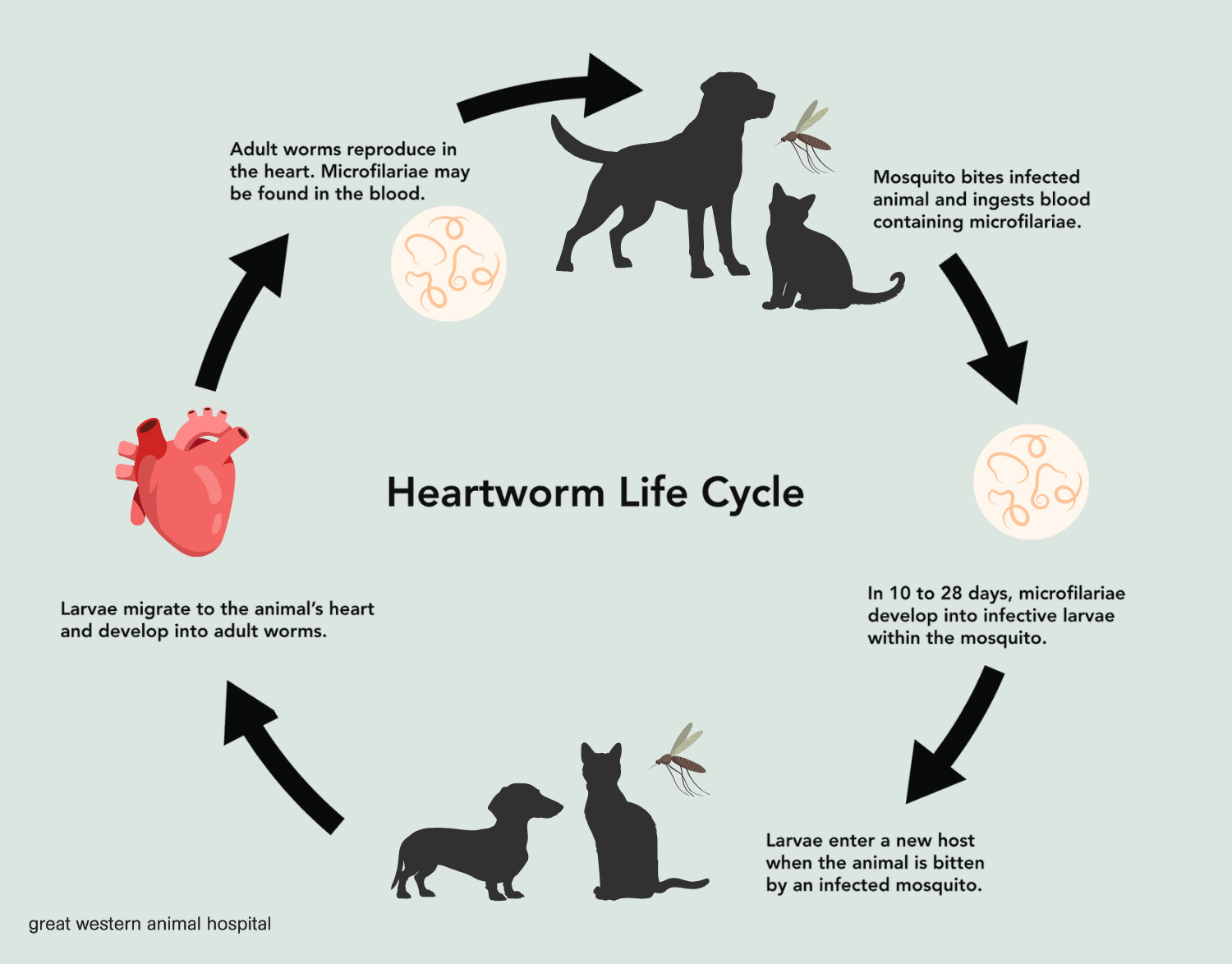
Credit: www.greatwesternanimalhospital.com.au
Frequently Asked Questions
How Do Cats Get Worms From Their Environment?
Cats contract worms by ingesting contaminated soil, feces, or infected prey animals. Outdoor cats face higher risks due to exposure to these sources. Regular cleaning and keeping cats indoors can reduce infection chances.
Can Cats Catch Worms From Other Pets?
Yes, cats can catch worms from other infected pets through direct contact or shared litter boxes. Worm eggs or larvae transfer easily, so regular deworming and hygiene help prevent spread between pets.
What Are Common Ways Cats Contract Tapeworms?
Cats often get tapeworms by ingesting fleas carrying tapeworm larvae. Hunting rodents or birds infected with tapeworms also poses a risk. Flea control and parasite prevention are essential to stop tapeworm infections.
Can Kittens Get Worms From Their Mother?
Yes, kittens can contract worms through their mother’s milk or during birth. Early deworming and veterinary care are crucial to protect young kittens from worm infections and related health issues.
Conclusion
Cats can get worms in many ways, such as eating infected prey or contact with contaminated soil. Keeping your cat clean and giving regular vet check-ups helps prevent worms. Watch for signs like weight loss or tummy problems. Treating worms early keeps cats healthy and happy.
Understanding how cats catch worms helps protect them better. Stay alert and care for your pet’s health every day. Simple steps make a big difference in worm prevention.
