

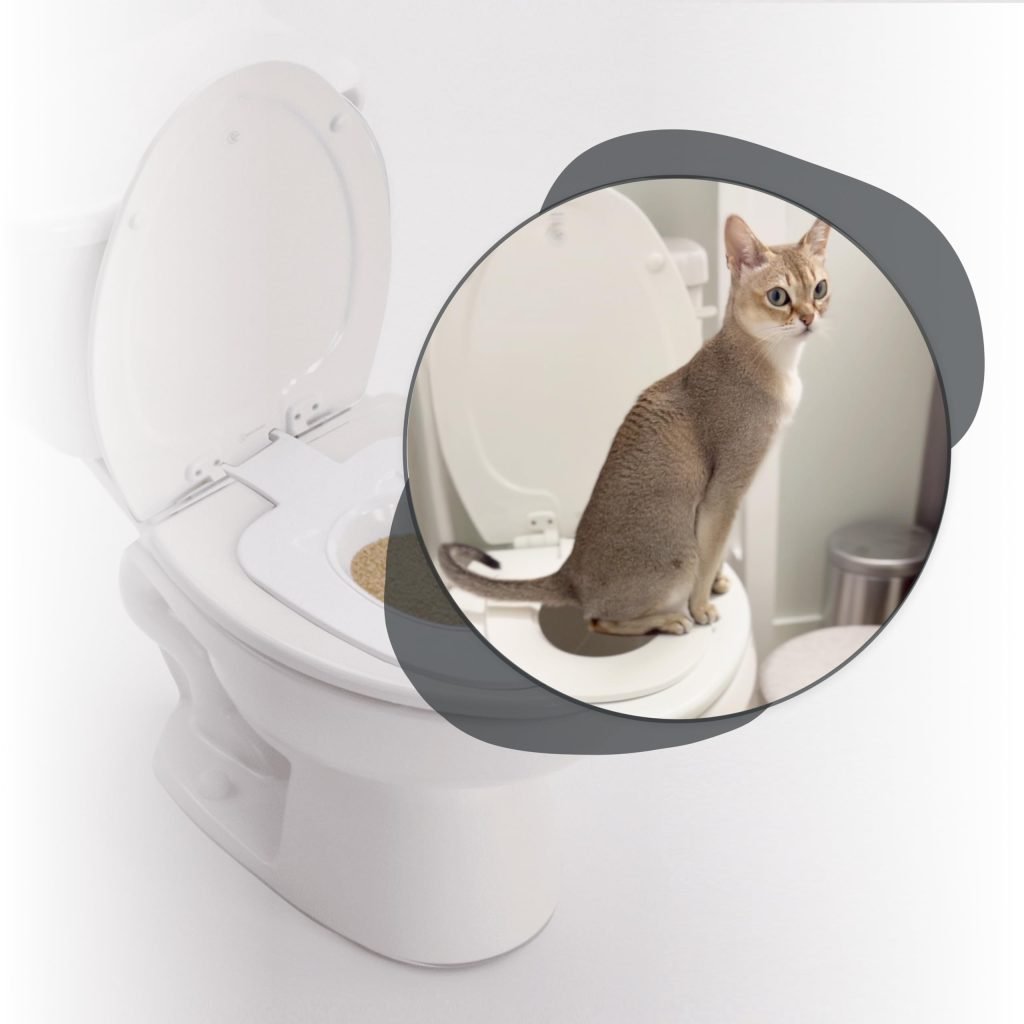
Have you ever thought about teaching your cat to use the toilet? It might sound impossible, but with the right steps, you can make it happen.
Imagine never having to scoop litter again or worry about messy trays in your home. Training your cat this way can save you time, money, and keep your space cleaner. You’ll discover simple, effective tips that anyone can follow to guide their furry friend toward toilet training success.
Ready to change the way you and your cat live together? Let’s dive in.

Credit: aimextools.com
Benefits Of Toilet Training Cats
Training your cat to use the toilet comes with several surprising benefits that can improve your daily life and your pet’s well-being. Beyond the novelty, toilet training offers practical advantages that make caring for your cat easier and more rewarding. Let’s explore how this simple change can impact hygiene, costs, and the environment.
Hygiene And Cleanliness
Toilet training helps keep your home cleaner. Without litter boxes, you avoid the mess of scattered litter and unpleasant odors. Imagine walking into a room free of dusty litter particles and the constant smell that comes with it.
It also reduces the risk of bacteria buildup. Litter boxes can harbor germs if not cleaned regularly, but a toilet-trained cat minimizes this concern. This means a fresher, healthier space for you and your family.
Cost Savings
Think about how much you spend on cat litter every month. Toilet training can save you this ongoing expense entirely. Over time, these savings add up, leaving more room in your budget for treats or toys.
You also cut down on other litter-related costs. This includes liners, deodorizers, and even litter box replacements. Investing time in training your cat can lead to noticeable financial benefits.
Environmental Impact
Using less cat litter means less waste in landfills. Most cat litter is made from clay or other non-biodegradable materials that harm the environment. Toilet training your cat helps reduce this waste footprint significantly.
Additionally, it lowers the demand for litter production. This means fewer natural resources are used in mining and manufacturing. Your choice to toilet train your cat can be a small but meaningful step toward a greener lifestyle.
Preparing Your Cat For Training
Training a cat to use the toilet takes patience and good preparation. This process helps your cat feel safe and ready. Preparing your cat properly increases the chance of success. Follow simple steps to set your cat up for smooth training.
Assessing Your Cat’s Readiness
Not all cats are ready to use the toilet. Look for signs like curiosity and calm behavior. Your cat should be healthy and comfortable with its litter box. Avoid starting if your cat is very young or stressed. A confident cat learns faster and easier.
Gathering Necessary Supplies
Collect the right tools before training begins. You will need:
- A sturdy litter box that fits on the toilet
- Flushable cat litter
- A training seat or a special toilet training kit
- Cleaning supplies for accidents
Having these supplies ready helps keep training smooth and clean.
Creating A Comfortable Environment
Make your bathroom a calm place for your cat. Keep the toilet lid open and the seat down. Ensure the room is quiet and free of sudden noises. Keep the litter box nearby at first. Comfort helps your cat feel safe and less stressed.
Step-by-step Training Process
Training a cat to use the toilet takes patience and careful steps. Each stage helps your cat adjust slowly. This process reduces stress and builds good habits. Follow this clear path to guide your cat successfully.
Introducing The Litter Box Near The Toilet
Start by placing the litter box close to the toilet. This helps your cat get used to the new location. Keep the box in the bathroom for several days. Let your cat explore and use it freely. Watch for signs of comfort or stress.
Raising The Litter Box Height
Gradually raise the litter box height over time. Use sturdy objects like books or boxes to lift it. Increase the height a little each day. This trains your cat to jump higher and closer to the toilet seat. Keep the box stable to avoid accidents.
Transitioning To A Training Seat
Replace the litter box with a special toilet training seat. These seats fit over the toilet bowl. Fill the seat with a small amount of litter. Let your cat get used to jumping onto the toilet. Praise your cat for using the seat correctly.
Phasing Out The Litter
Slowly reduce the amount of litter in the training seat. Decrease the litter a little every few days. Your cat will learn to balance on the seat without litter. Eventually, remove the litter completely. Always reward your cat’s good behavior.

Credit: www.amazon.com
Common Challenges And Solutions
Training a cat to use the toilet brings several challenges. Cats are creatures of habit. They may resist changes to their routine. Patience and understanding can help overcome these hurdles.
Some cats might refuse to use the toilet at first. Accidents can happen during the training process. Staying consistent is key to success. Let’s explore common challenges and how to solve them.
Dealing With Resistance
Resistance is normal in toilet training. Cats may feel scared or confused by the new setup. Avoid forcing your cat onto the toilet. Instead, encourage them gently.
- Use treats and praise for small progress.
- Place the litter box near the toilet first.
- Gradually raise the litter box height over days.
- Ensure the toilet seat is stable and comfortable.
Patience helps your cat adapt at their own pace.
Handling Accidents
Accidents often happen during training. Do not punish your cat. Punishment can cause stress and slow progress.
- Clean accidents with enzyme-based cleaners.
- Keep the training area clean and fresh.
- Observe your cat’s behavior for signs of discomfort.
- Return to an earlier training step if needed.
Understanding accidents as part of learning helps maintain calm.
Maintaining Consistency
Consistency is crucial in toilet training. Mixed signals confuse your cat. Keep the toilet training routine daily.
- Use the same toilet and setup throughout training.
- Limit access to other litter boxes during this time.
- Practice at similar times each day.
- Reward your cat consistently for using the toilet.
Regular practice builds confidence and good habits.
Expert Tips For Success
Training your cat to use the toilet can feel like a daunting task, but with the right approach, it becomes much more manageable. Success hinges on understanding your cat’s behavior and using strategies that encourage good habits without causing stress. Here are some expert tips that can help you stay on track and make the process smoother for both you and your feline friend.
Positive Reinforcement Techniques
Rewarding your cat immediately after they use the toilet encourages them to repeat the behavior. Use treats, gentle praise, or their favorite toy as incentives. Avoid punishment—it can create fear and confusion, slowing down progress.
Try to catch your cat’s actions at the right moment. For instance, if they show interest in the toilet or successfully balance on the seat, offer a small reward. This builds a clear connection between the behavior and the positive outcome.
Patience And Timing
Every cat learns at their own pace, so patience is essential. Don’t rush through the training stages; giving your cat enough time to adjust to each step will reduce frustration. If your cat resists or regresses, pause and allow them to settle before continuing.
Consider your cat’s daily routine and pick training sessions when they’re most relaxed. Training right after meals or naps can be more effective since your cat is naturally more inclined to relieve themselves then. Have you noticed when your cat usually uses the litter box? Use that timing as a guide.
Monitoring Your Cat’s Health
Toilet training requires your cat to be healthy and comfortable. Watch for signs of stress or discomfort like excessive licking, hiding, or changes in appetite. These could indicate that the training method isn’t working or that your cat has a health issue.
Regular vet check-ups ensure there are no underlying problems affecting bathroom habits. If your cat suddenly stops using the toilet or shows unusual behavior, consult your vet immediately. How well do you know your cat’s normal bathroom routine?

Credit: www.youtube.com
When To Seek Professional Help
Training a cat to use the toilet can be rewarding but challenging. Sometimes, difficulties arise that need expert help. Recognizing when to seek professional advice is important for your cat’s well-being and your peace of mind.
Signs Of Stress Or Anxiety
Watch your cat for signs of stress during toilet training.
- Excessive meowing or hiding
- Avoiding the toilet area
- Changes in eating or sleeping habits
- Restlessness or pacing
These signs show your cat may feel overwhelmed. Stress can harm their health. Consulting a professional can help ease their anxiety.
Behavioral Issues
Behavior changes might indicate toilet training problems.
- Urinating outside the toilet
- Scratching or biting more than usual
- Aggression or withdrawal
- Refusing to use the toilet consistently
Such issues suggest your cat struggles with the new routine. Experts can offer strategies to manage or correct behaviors.
Veterinary Advice
Health problems can affect toilet training success.
- Urinary tract infections
- Digestive issues
- Mobility difficulties
- Other medical conditions
A vet visit ensures your cat is healthy. Professionals can rule out illnesses causing training setbacks. Always seek veterinary advice if problems persist.
Frequently Asked Questions
How Long Does Toilet Training A Cat Usually Take?
Toilet training a cat typically takes 4 to 6 weeks. Patience and consistency are key throughout the process. Each cat learns at its own pace, so avoid rushing to prevent setbacks.
What Supplies Do I Need For Cat Toilet Training?
You need a special cat toilet training kit, a litter tray, and flushable cat litter. These help gradually transition your cat from litter box to toilet use safely.
Can All Cats Be Trained To Use The Toilet?
Most cats can learn, but some may resist due to personality or age. Kittens adapt faster, while older cats might need extra patience and encouragement.
How Do I Start Toilet Training My Cat?
Begin by moving the litter box closer to the toilet. Gradually raise its height each day until it’s level with the toilet seat.
Conclusion
Training a cat to use the toilet takes time and patience. Start slow and be consistent with each step. Watch your cat’s behavior and adjust the process if needed. Celebrate small wins along the way to keep motivated. Not all cats will learn, and that is okay.
A clean litter box is still a good option. Remember, your cat’s comfort matters most. With care, you can reduce litter mess and save space at home. Keep trying, and enjoy the journey with your furry friend.
