

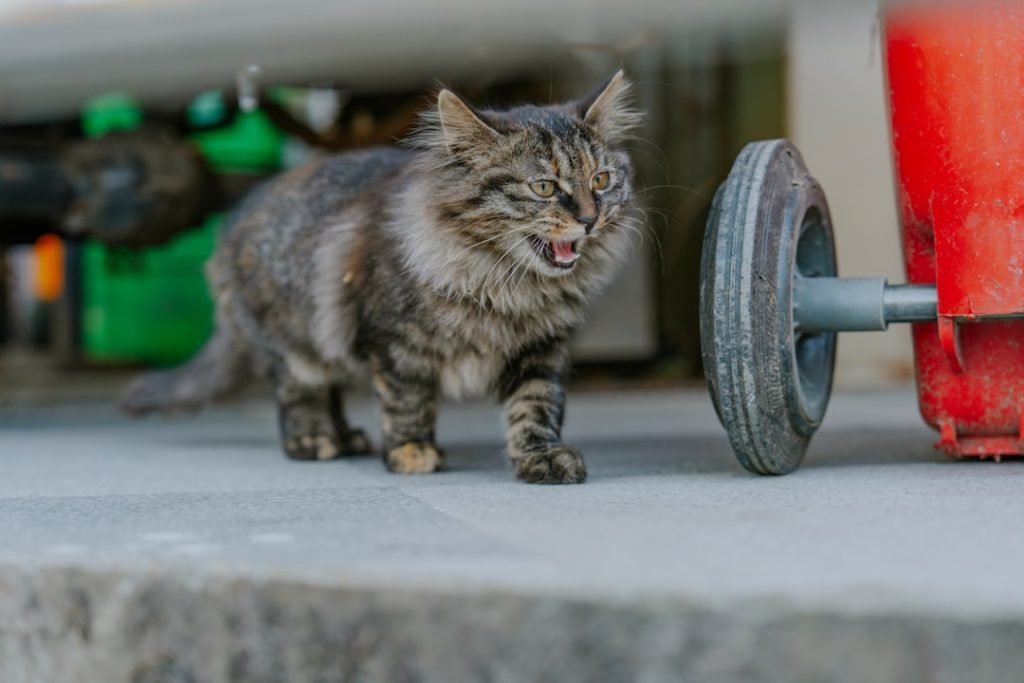
Have you ever wondered if you can actually train your cat? It might surprise you, but with the right approach, your furry friend can learn more than just basic tricks.
Imagine having a cat that listens, responds, and even plays games with you. Training your cat not only improves your bond but also makes daily life easier and more enjoyable. You’ll discover simple, effective ways to train your cat, no matter their age or personality.
Ready to unlock your cat’s potential and transform your relationship? Keep reading to find out how!
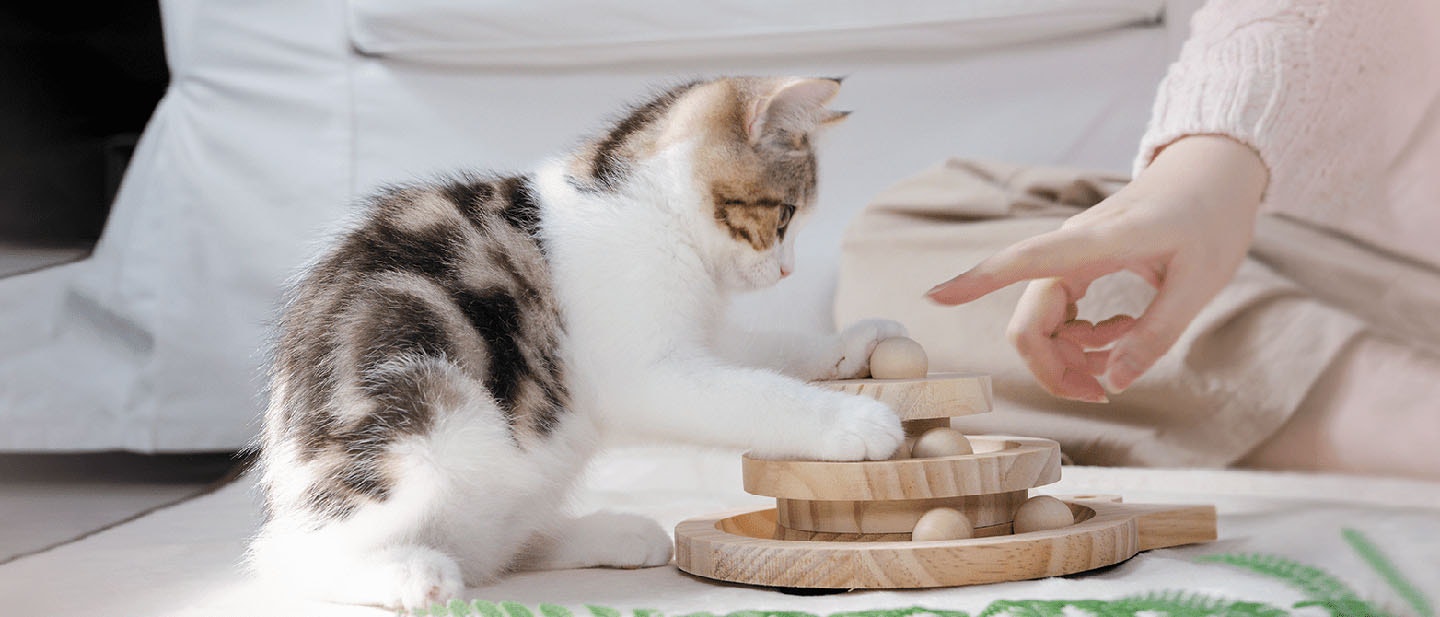
Credit: www.whiskas.com.ph
Cat Behavior Basics
Understanding your cat’s behavior is key to successful training. Cats have unique ways of thinking and reacting to the world around them. Getting to know these basics will help you communicate better and guide your cat’s actions more effectively.
Natural Instincts
Cats are hunters by nature. Their instincts drive many behaviors, like scratching, stalking, and pouncing. These actions are not just play; they are essential for their mental and physical health.
When training your cat, consider their natural urges. Instead of stopping scratching, offer a scratching post. This satisfies their need without damaging your furniture.
Communication Styles
Cats communicate differently than dogs. They use body language, vocal sounds, and even scent to express themselves. Watching their tail position, ear movements, and purring can tell you a lot about their mood.
Recognizing these signals helps you respond properly. For example, a twitching tail often means excitement or irritation, so approaching your cat gently at this moment can prevent stress or aggression.
Common Challenges
Training a cat comes with hurdles. Cats may ignore commands if they don’t see a clear benefit. Their independent nature means they often do what they want, not what you want.
Patience is your best tool here. Break down tasks into small steps and reward progress with treats or affection. Have you noticed your cat responding better to certain rewards? Tailor your training to what motivates them most.
Preparing For Training
Preparing your cat for training is a crucial step that sets the tone for success. Creating the right conditions before you start helps your cat feel safe and focused. It also makes the learning process smoother and more enjoyable for both of you.
Choosing The Right Environment
Pick a quiet space with minimal distractions. Cats are sensitive to noise and sudden movements, which can easily break their concentration. A small room with familiar smells usually works best.
Think about your cat’s comfort too. Is there a favorite blanket or toy nearby that can make the space feel inviting? You want your cat relaxed, not stressed.
Gathering Training Tools
Prepare simple, effective tools that encourage positive behavior. Treats are a must—choose small, tasty bites your cat loves. Clickers can also be helpful if you want to use clicker training.
Don’t forget a comfortable leash or harness if you plan to train outside or on walks. Having everything ready keeps sessions short and focused, preventing frustration for you and your cat.
Setting Realistic Goals
Start with small, clear objectives. Teaching your cat to sit or come when called is a good place to begin. Trying to train complex tricks right away can overwhelm your cat and you.
Ask yourself what success looks like for each session. Can your cat respond to a simple command? Celebrate small wins—they build momentum and confidence for bigger goals.
Training Techniques
Training a cat requires patience and the right techniques. Cats respond best to gentle and clear signals. Using effective training methods helps build trust. It also encourages your cat to learn new behaviors. This section explores key training techniques that work well with cats.
Positive Reinforcement
Positive reinforcement means rewarding good behavior. It helps cats know what you want them to do. Praise, petting, or treats can be rewards. Avoid punishment, as it can cause fear or stress. Reward your cat immediately after good behavior. This makes the connection clear and stronger.
Clicker Training
Clicker training uses a small device that makes a clicking sound. The click marks the exact moment your cat does something right. First, teach your cat that the click means a reward is coming. Click, then give a treat right away. Repeat this to help your cat understand the sound. This technique makes training precise and fun.
Using Treats Effectively
Treats motivate cats during training sessions. Choose small, tasty treats your cat loves. Use treats only as rewards, not all the time. This keeps treats special and valuable. Offer treats right after the desired action. Avoid overfeeding to keep your cat healthy. Treats should support learning, not replace it.
Consistency And Timing
Consistency is key in cat training. Use the same commands and signals every time. Keep training sessions short but regular. Timing is important—reward or click immediately after good behavior. Delays confuse cats and slow learning. Patience and regular practice build strong habits over time.
Teaching Essential Commands
Teaching essential commands to a cat helps build trust and improve behavior. Cats respond best to clear and gentle guidance. Training creates a stronger bond between you and your pet. Consistency and patience are key during every training session.
Come When Called
Use a simple, consistent word or sound to call your cat. Start by calling them during feeding time. Reward your cat with a treat or praise when they come. Repeat this often to build a strong connection. Keep training sessions short and positive.
Using The Litter Box
Place the litter box in a quiet, accessible spot. Show your cat the box after meals and naps. Praise or reward your cat when they use it correctly. Clean the box regularly to keep it inviting. Avoid moving the box too often to prevent confusion.
Stopping Unwanted Behavior
Distract your cat with toys instead of scolding. Use a firm but calm voice to say “no” or “stop.” Remove the cat from the area gently if needed. Offer an alternative, like a scratching post or toy. Reward good behavior to encourage repeat actions.
Leash Training Basics
Introduce the collar or harness slowly for comfort. Let your cat wear it indoors before going outside. Use a lightweight leash and keep the first walks short. Reward your cat with treats and praise during walks. Watch your cat’s signals to avoid stress.
Overcoming Common Issues
Training a cat can bring many challenges. Cats have unique personalities and behaviors. Some issues may slow progress or cause frustration. Understanding these common problems helps in finding the right approach. Patience and consistency remain key to overcoming hurdles.
Dealing With Aggression
Aggression may come from fear or pain. Watch for signs like hissing, swatting, or biting. Avoid punishment; it can make aggression worse. Instead, try these tips:
- Give your cat space to calm down.
- Use gentle play to redirect energy.
- Provide safe hiding spots around the home.
- Reward calm behavior with treats or praise.
Consult a vet if aggression continues or worsens.
Reducing Anxiety
Cats feel anxious in new or noisy environments. Anxiety may cause hiding or scratching. Create a calm space with soft bedding and toys. Keep feeding and play times consistent. Try using pheromone diffusers to soothe your cat. Speak softly and move slowly to avoid startling them.
Handling Distractions
Distractions can break your cat’s focus during training. Choose a quiet room with few people or pets. Remove toys or items that might draw attention away. Keep training sessions short and fun. Use high-value treats to keep interest high. Gradually increase the difficulty as your cat improves.
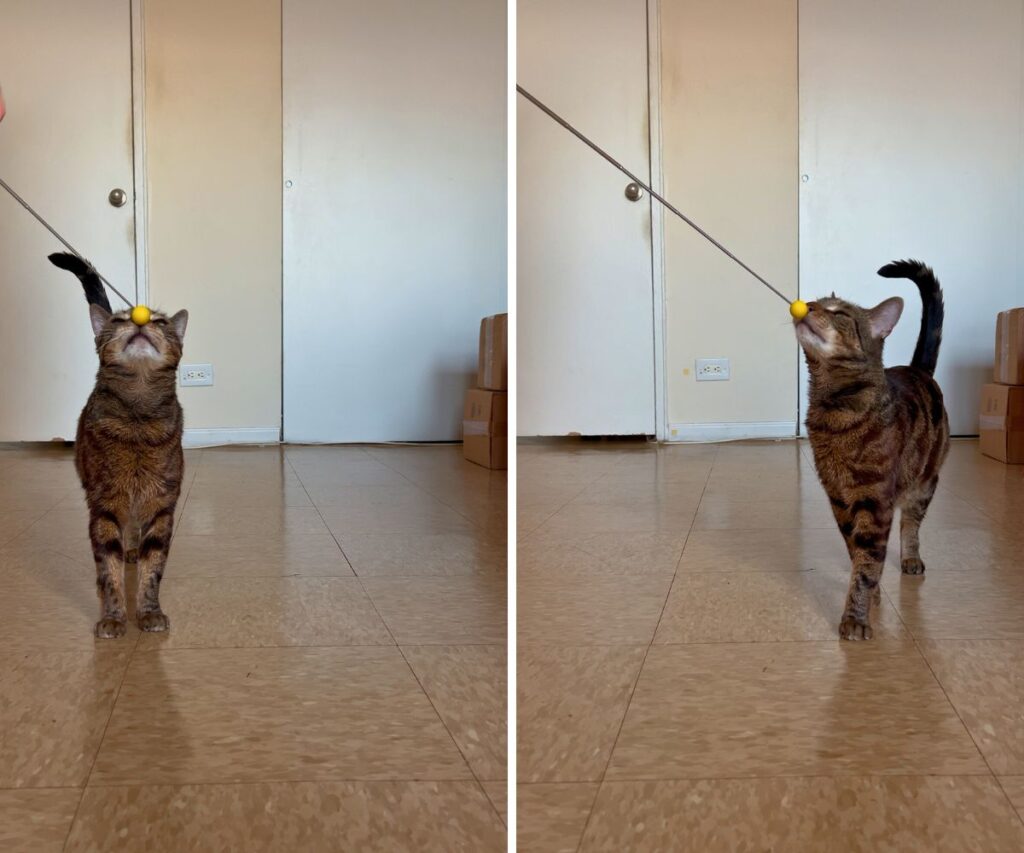
Credit: caticles.com
Maintaining Progress
Maintaining progress in cat training ensures your pet keeps good habits. It requires patience and regular attention. Consistency helps your cat remember what it learned. Small daily efforts make a big difference over time.
Regular Practice Routines
Set short training sessions every day. Cats respond well to routine and predictability. Keep sessions brief to hold your cat’s interest. Practice commands and behaviors your cat already knows. This strengthens their memory and skills.
Adapting To Changes
Be ready to change training as your cat grows. New environments or schedules may affect behavior. Adjust your methods to fit your cat’s current needs. Stay calm and patient during transitions. This helps your cat stay confident and engaged.
Rewarding Long-term Success
Celebrate your cat’s progress with treats and praise. Rewards encourage your cat to keep good behavior. Use rewards that your cat loves the most. Mix treats with affection and gentle petting. This builds a positive bond and lasting habits.

Credit: www.youtube.com
Frequently Asked Questions
Can You Train A Cat Like A Dog?
Training a cat is different from training a dog. Cats respond better to positive reinforcement. Use treats and toys to encourage desired behaviors. Be patient and consistent. Cats have unique personalities, so tailor your approach. Unlike dogs, cats may not follow commands but can learn tricks and routines.
What Is The Best Age To Train A Cat?
The best age to start training a cat is when they are kittens. Younger cats are more adaptable and receptive to learning. Start with simple commands and gradually introduce new ones. However, adult cats can also learn with patience and consistency.
Always use positive reinforcement to encourage learning.
How Do You Teach A Cat To Sit?
Teaching a cat to sit requires patience and treats. Hold a treat above the cat’s head and move it towards their tail. This encourages the cat to sit naturally. Once they sit, reward them with the treat. Repeat the process regularly until the cat learns the command.
Why Is Positive Reinforcement Important For Cats?
Positive reinforcement is crucial for training cats because it encourages good behavior. Cats respond well to rewards like treats and praise. This method strengthens the bond between you and your cat. It also makes training sessions enjoyable and effective, fostering a positive learning environment.
Conclusion
Training a cat takes time and patience. Small steps work best. Use treats and praise to encourage good behavior. Keep sessions short and fun to hold your cat’s attention. Remember, every cat learns at its own pace. Stay calm and consistent during training.
Enjoy the process and celebrate small wins. Training builds trust and strengthens your bond. With care, your cat will learn useful skills. Keep practicing regularly for lasting results.
