

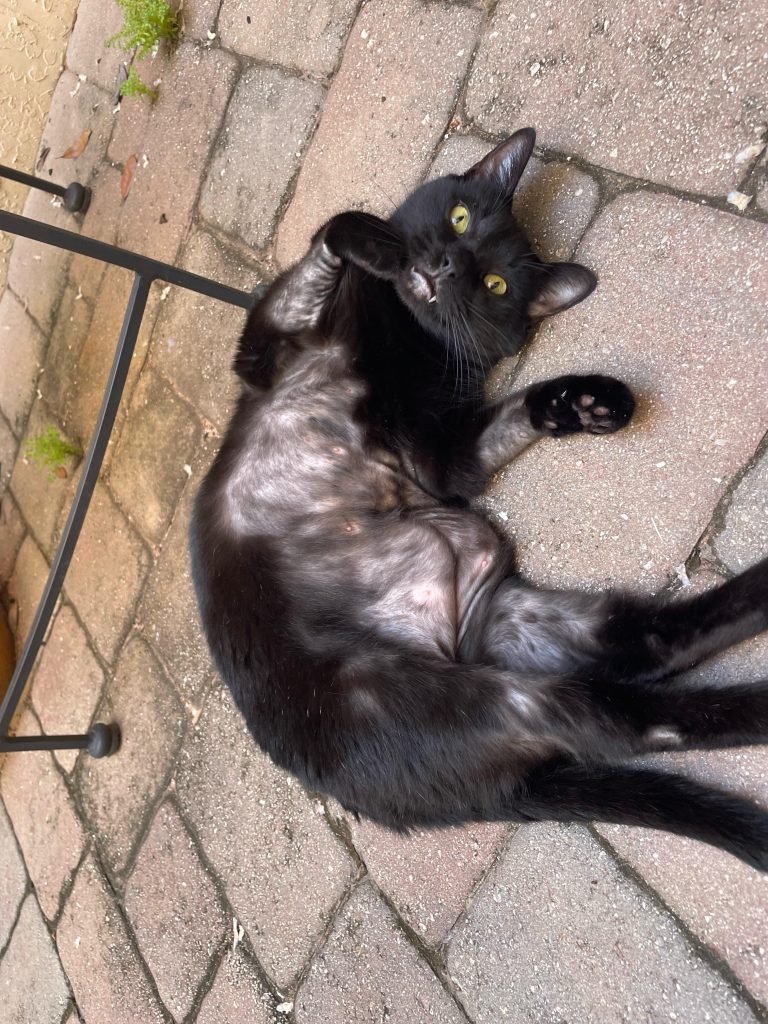
Is your cat spending too much time licking and biting its fur? Over grooming can be more than just a quirky habit—it might be a sign that your furry friend is stressed, uncomfortable, or even in pain.
You want your cat to be happy and healthy, but seeing those bald patches or irritated skin can be worrying. What if you could stop this behavior before it causes serious harm? You’ll discover simple, effective ways to help your cat feel better and break free from over grooming.
Keep reading to learn how you can protect your cat’s well-being and bring back their natural shine.
Causes Of Over Grooming
Over grooming in cats can be a sign of underlying problems. Understanding the causes helps in finding the right solution. Cats groom to stay clean, but excessive grooming can cause harm. Several factors may lead to this behavior.
Stress And Anxiety Triggers
Stress is a common cause of over grooming. Changes in the home environment can upset a cat. Loud noises, new pets, or moving house create anxiety. Cats may lick or bite themselves to cope. This behavior offers temporary comfort but damages the skin.
Allergies And Skin Conditions
Allergies cause itching and irritation. Food ingredients or environmental allergens often trigger reactions. Skin conditions like dermatitis also lead to discomfort. Cats scratch and groom more to relieve itching. Identifying allergens is key to stopping over grooming.
Parasites And Infections
Parasites like fleas cause intense itching. Flea bites irritate the skin and cause hair loss. Mites and ticks also bother cats and lead to over grooming. Bacterial or fungal infections can inflame the skin. These infections make cats lick or bite sore areas.
Behavioral Factors
Sometimes over grooming develops from habit. Boredom or lack of stimulation causes cats to groom excessively. Cats may groom to seek attention or out of frustration. Repetitive grooming becomes a compulsive behavior over time. Behavioral issues often need environmental enrichment or training.
Signs To Watch For
Recognizing the signs of over grooming in your cat is crucial to stopping the behavior early. The sooner you notice these signals, the quicker you can take action to protect your cat’s health and happiness. Pay close attention to your cat’s skin, habits, and overall mood to catch any warning signs.
Bald Patches And Redness
One of the most obvious signs of over grooming is bald patches on your cat’s fur. These spots often appear where your cat licks or scratches the most. You might also see redness or irritated skin around these areas, which shows your cat is causing damage to itself.
If you notice such spots, ask yourself: How long has this been happening? Ignoring these signs could lead to infections or more serious skin problems.
Excessive Licking Habits
Watch how often your cat licks itself. While grooming is normal, over grooming means your cat spends too much time licking, sometimes obsessively. If your cat is focused on one area and won’t stop, this behavior can be a clear sign of stress or discomfort.
Try timing your cat’s grooming sessions. Are they grooming much longer than usual? This can help you decide if intervention is needed.
Changes In Behavior
Over grooming often comes with changes in your cat’s behavior. Your usually calm pet might become restless, anxious, or irritable. They may hide more or avoid interaction, signaling they aren’t feeling well emotionally or physically.
Have you noticed your cat acting differently lately? Behavioral shifts can be an important clue that something is wrong beneath the surface.
Physical Discomfort Indicators
Look for signs that your cat might be in pain or discomfort. These can include scratching, biting, or rubbing certain spots excessively. Your cat might also show sensitivity when you touch areas affected by over grooming.
Does your cat flinch or pull away when you pet them? This reaction can help you pinpoint problem areas needing veterinary attention.
Veterinary Diagnosis
Veterinary diagnosis plays a key role in stopping your cat from over grooming. It helps find the root cause of the behavior. Early diagnosis leads to better treatment and relief for your pet. Vets use several tests to understand the problem clearly.
Physical Examination
The vet begins with a thorough physical exam. They check your cat’s skin, fur, and body condition. They look for wounds, redness, or hair loss. This exam helps spot infections or injuries. It also reveals signs of parasites like fleas or mites.
Allergy Testing
Allergies often cause over grooming in cats. The vet may perform allergy tests to identify triggers. These tests include blood tests or skin tests. Knowing the allergen helps in avoiding it. Allergy treatment can reduce itching and licking.
Skin Scrapings And Cultures
Skin scrapings involve taking small skin samples. These samples are checked under a microscope. The vet looks for parasites, bacteria, or fungi. Cultures grow any bacteria or fungi to identify infections. Treating infections stops the over grooming caused by irritation.
Behavioral Assessment
Sometimes, over grooming is linked to stress or anxiety. The vet may assess your cat’s behavior and environment. They ask about changes in routine or new pets. Identifying stress helps create a plan to calm your cat. Behavior changes can reduce excessive licking and chewing.
:strip_icc()/the-kitty-1011094438-5c3d1af5c9e77c00015e66a6.jpg)
Credit: www.thesprucepets.com
At-home Remedies
At-home remedies can help reduce your cat’s over grooming. These simple steps create comfort and reduce stress. You can try several ways to calm your cat and keep their skin healthy. Consistent care at home often improves your cat’s behavior.
Creating A Calm Environment
Stress often causes over grooming. Make a quiet space for your cat. Use soft bedding and keep noise low. Avoid sudden changes in your home. Cats feel safer with a steady routine. A calm room helps your cat relax and heal.
Regular Grooming Sessions
Groom your cat gently every day. Brushing removes loose fur and dirt. It also soothes itchy skin. Use a soft brush and short strokes. Let your cat enjoy the grooming time. This reduces the need for self-grooming.
Using Soothing Products
Try products made for cats’ skin. Aloe vera gels or sprays can calm irritation. Use only pet-safe items. Check labels carefully. Natural oils like coconut may help dry skin. Avoid anything with strong perfumes or chemicals.
Distracting With Toys And Play
Keep your cat busy with fun toys. Playtime shifts attention from grooming. Use feather wands, balls, or laser pointers. Short play sessions several times a day work best. A tired cat grooms less and feels happier.
Medical Treatments
Medical treatments can play a crucial role in stopping your cat from over grooming. Identifying the underlying health issue is key, as over grooming often signals discomfort or stress. With the right treatment, you can help your cat feel better and break the cycle of excessive licking or biting.
Medications For Allergies
Allergies are a common cause of over grooming in cats. Your vet might prescribe antihistamines or corticosteroids to reduce itching and inflammation. These medications can bring quick relief, but you should monitor your cat closely for side effects.
Sometimes, allergy shots or special diets are recommended for long-term control. Have you noticed if your cat’s symptoms flare up during certain seasons or after eating specific foods? Tracking this can help your vet tailor the treatment.
Topical Treatments
Topical treatments like medicated shampoos, sprays, or creams can soothe irritated skin directly. These are especially helpful if your cat has localized patches of hair loss or sores from over grooming. Applying these treatments as directed can speed up healing and reduce the urge to lick.
Make sure your cat tolerates the application process well to avoid adding stress. Have you tried gentle massages with soothing ointments to calm your cat’s skin?
Anti-anxiety Drugs
Over grooming often stems from anxiety or stress. In such cases, vets may prescribe anti-anxiety medications to help your cat feel calmer. These drugs work by balancing brain chemicals that influence mood and behavior.
While medication can be effective, it’s usually best combined with environmental changes like more playtime or hiding spots. Have you thought about what triggers your cat’s stress and how you might reduce it?
Parasite Control
Parasites like fleas are a frequent cause of excessive grooming. Even a single flea bite can cause intense itching, leading your cat to over groom. Your vet will recommend flea treatments that are safe and effective for your cat.
Regular parasite prevention is essential to keep your cat comfortable. Are you keeping up with monthly flea and tick control to prevent future flare-ups?
:strip_icc()/spruce-pets-cat-bathroom-7b6ae6d8f3d940b9a82141be03734144.png)
Credit: www.thesprucepets.com
Behavioral Training
Behavioral training plays a crucial role in helping your cat stop over grooming. It focuses on changing the habits and environment that trigger this behavior. With patience and consistency, you can guide your cat towards healthier grooming patterns and improve their overall well-being.
Positive Reinforcement Techniques
Reward your cat when they choose to engage in normal grooming or other calm behaviors. Use treats, gentle petting, or soft praise to encourage positive actions.
Redirect their attention with toys or playtime whenever you notice the start of over grooming. This teaches your cat that there are better ways to feel comfortable.
Have you noticed how your cat responds to different rewards? Finding the right motivator can make a big difference in training success.
Reducing Stressors
Identify what causes your cat stress, like loud noises, new pets, or changes in their routine. Removing or minimizing these triggers can reduce over grooming.
Try maintaining a calm environment and keeping feeding and playtime on a predictable schedule. Cats find comfort in routine.
Consider if your cat has enough safe spaces to retreat to when feeling overwhelmed. Could adding a cozy hideaway help ease their stress?
Environmental Enrichment
Provide stimulating toys, scratching posts, and interactive play sessions to keep your cat mentally and physically engaged.
Rotate toys regularly to keep your cat interested and prevent boredom, which often leads to over grooming.
Think about how your cat spends its day alone. Could adding puzzle feeders or window perches improve their environment?
Professional Behavior Therapy
If over grooming persists despite your efforts, consulting a veterinary behaviorist or a certified cat behaviorist can be valuable.
These professionals can design a tailored behavior modification plan and may recommend anxiety-relief treatments if needed.
Have you considered professional help as a part of your strategy? It could provide the expert guidance your cat needs to break the cycle.
Preventing Future Over Grooming
Preventing future over grooming in your cat is about creating a stable and healthy environment that supports their well-being. It requires attention to their physical health, nutrition, and emotional state. By understanding and addressing these areas, you can reduce the chances of your cat developing this habit again.
Regular Health Checkups
Regular visits to the vet are essential for catching any underlying medical issues early. Skin infections, allergies, or parasites can cause discomfort that leads to over grooming. Make it a habit to schedule checkups at least twice a year to keep your cat’s health on track.
Have you noticed any subtle changes in your cat’s behavior or skin condition? Early detection can prevent a small problem from turning into a chronic issue.
Balanced Diet And Nutrition
Your cat’s diet plays a big role in their skin and coat health. Feeding high-quality food rich in omega fatty acids and essential vitamins helps keep their fur shiny and their skin healthy. Avoid sudden changes in diet, which can cause stress and skin reactions.
Consider supplements recommended by your vet if your cat shows signs of dry skin or dull fur. Nutrition affects more than just appearance—it influences your cat’s overall comfort and mood.
Maintaining A Stress-free Home
Stress is a common trigger for over grooming. Cats are sensitive to changes in their environment, loud noises, and lack of stimulation. Create quiet spaces and provide toys or scratching posts to keep your cat entertained and relaxed.
Think about your cat’s daily routine—are there any new stressors like a new pet or changes in your schedule? Minimizing these can help your cat feel safe and secure.
Monitoring For Early Signs
Keeping an eye on your cat’s grooming habits can catch over grooming before it becomes serious. Look for bald patches, redness, or excessive licking. Early intervention can save your cat discomfort and prevent skin damage.
Ask yourself: How often does your cat groom, and is it different from usual? Small changes can signal bigger issues, so being observant is key.
:strip_icc()/Aggressive-cats-GettyImages-590775665-58a0e3913df78c47580c7aa0.jpg)
Credit: www.thesprucepets.com
Frequently Asked Questions
Why Is My Cat Over Grooming Itself?
Cats over groom due to stress, allergies, pain, or skin conditions. Identifying the cause helps provide proper treatment and relief for your cat.
How Can I Reduce My Cat’s Grooming Behavior?
Provide enrichment, reduce stress, and ensure a healthy diet. Consult a vet for medical issues and consider pheromone diffusers for calming effects.
When Should I See A Vet For Over Grooming?
If your cat has bald spots, wounds, or persistent licking, see a vet. Early diagnosis prevents worsening and ensures proper treatment.
Can Diet Affect My Cat’s Over Grooming?
Yes, food allergies or nutritional deficiencies may cause skin irritation. Switching to hypoallergenic or balanced diets can reduce over grooming behaviors.
Conclusion
Stopping your cat from over grooming takes patience and care. Watch your cat’s behavior closely every day. Offer plenty of toys and attention to reduce stress. Make sure your cat’s environment feels safe and calm. Visit a vet to rule out health problems early.
Small steps can help your cat feel better. Over time, you will see less grooming and more play. Caring for your cat’s needs brings peace to both of you. Keep trying—your cat deserves a happy, healthy life.
