

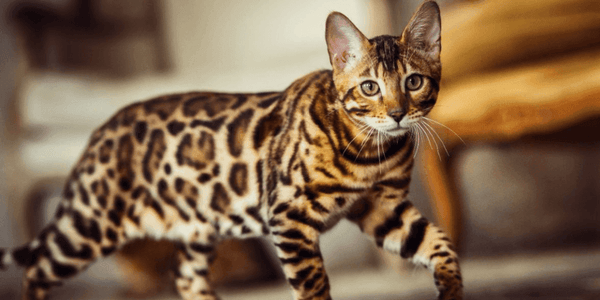
Are you curious about how big Bengal cats get? If you’re thinking about bringing one of these stunning, energetic felines into your home, knowing their size is important.
Bengal cats are known for their wild looks and playful nature, but their size might surprise you. You’ll discover everything about their growth, weight, and what to expect as your Bengal matures. Keep reading to learn the facts that will help you prepare for your new furry friend!

Credit: valtalkspets.com
Bengal Cat Size Basics
Bengal cats are known for their striking appearance and lively personality. Their size is one feature that often surprises new owners. Understanding Bengal cat size basics helps set the right expectations for their growth and care. Bengal cats are medium to large in size and have a muscular build. Their size varies depending on genetics and nutrition.
Average Weight And Length
Adult Bengal cats typically weigh between 8 and 15 pounds. Males tend to be larger, often reaching 12 to 15 pounds. Females usually weigh 8 to 12 pounds. Bengal cats measure about 16 to 22 inches in body length, excluding their tail. Their tails add an extra 10 to 12 inches. These measurements make Bengals larger than many other domestic cats. Their lean, muscular bodies give them a strong and agile look.
Growth Stages
Bengal kittens grow quickly in their first six months. They double or triple their birth weight in this period. By six months, they reach about half their adult size. Growth slows down but continues steadily until they reach one to two years old. Male Bengals may keep growing slightly longer. Proper diet and regular vet check-ups support healthy growth. Avoid overfeeding to prevent obesity and related health issues.
Factors Affecting Bengal Size
Understanding the factors that influence how big Bengal cats get can help you better care for your feline friend. Size is not just about genetics; it also depends on what you feed them and how active they are. Paying attention to these elements can ensure your Bengal grows healthy and strong.
Genetics And Breed Lineage
Your Bengal’s size largely depends on its genetic background. Bengals from larger, more muscular bloodlines tend to grow bigger than those from smaller lines. If you’ve seen a Bengal kitten from a show-quality lineage, you might notice how robust and solid they appear early on.
Have you checked your Bengal’s pedigree? Knowing the size of the parents can give you a good idea of what to expect. Genetics set the baseline, but they don’t tell the whole story.
Diet And Nutrition
What you feed your Bengal has a direct impact on its growth and overall size. A balanced diet rich in high-quality protein supports muscle development and energy levels. Avoid cheap or filler-heavy foods—they can stunt growth and affect health.
Think about adding supplements like omega fatty acids for a shiny coat and joint support. Feeding on a regular schedule with appropriate portion sizes helps maintain healthy weight and size. Have you noticed how your Bengal’s coat and energy change with different diets?
Exercise And Environment
Exercise plays a key role in shaping your Bengal’s physique. Bengals are naturally active and playful, so providing plenty of opportunities to climb, jump, and explore helps build muscle and keep them fit.
Consider interactive toys or climbing trees to encourage activity. A stimulating environment can prevent obesity and promote a lean, strong body. Is your Bengal getting enough daily exercise, or could more playtime help them reach their full size potential?
Male Vs Female Bengals
Comparing male and female Bengal cats reveals some interesting differences beyond just their looks. Understanding these variations can help you decide which Bengal might fit better with your lifestyle. Let’s take a closer look at how their size and behavior can vary.
Size Differences
Male Bengals generally grow larger and heavier than females. On average, a male Bengal weighs between 10 to 15 pounds, while females usually range from 8 to 12 pounds.
Height and length follow a similar pattern. Males tend to be longer and more muscular, often reaching up to 16 inches tall at the shoulder. Females are more compact but still maintain that sleek, athletic build Bengal cats are known for.
These size differences may influence your choice if you prefer a more robust or a more agile cat. Have you considered how much space your cat will need to move comfortably?
Behavioral Traits
Male Bengals often display more territorial behavior. They may mark their area and be more vocal, especially if unneutered.
Females tend to be more independent but can also be affectionate and playful. They might be less demanding but still enjoy interaction on their terms.
Both genders are active and curious, but males might show more confidence in exploring new environments. Females sometimes show a calmer temperament, which can be ideal if you want a slightly less energetic companion.
Think about your daily routine and how much energy you want to match. Do you want a cat that keeps up with you or one that enjoys quiet moments?

Credit: www.outdoorbengal.com
Comparing Bengals To Other Cats
Bengal cats have a unique size that often surprises many cat lovers. Their muscular build and sleek body make them stand out. Comparing Bengals to other cats helps understand their true size and presence. It also clarifies how they fit into the world of domestic and larger cat breeds.
Domestic Cats
Most domestic cats weigh between 8 and 10 pounds. They have a more compact and less muscular frame than Bengals. Bengals usually weigh between 10 and 15 pounds. Their bodies are longer and more athletic. Domestic cats often have rounder faces and softer fur. Bengals have a wild look with spotted or marbled coats. This makes Bengals appear larger even if the weight difference is small.
Other Large Breeds
Some cat breeds grow larger than Bengals. Maine Coons, for example, are one of the biggest domestic cats. They can weigh up to 25 pounds or more. Ragdolls are also bigger and heavier than Bengals. These breeds have bulkier bodies and longer fur. Bengals stay lean and muscular, which gives them a different type of size. Their size is more about agility and strength than bulk. They balance size with a wild, sleek look that few other cats have.
Tips For Measuring Your Bengal
Measuring your Bengal cat helps track its growth and health. Accurate measurements provide useful insights about your pet’s development. Use simple tools and gentle handling to get the best results.
Using Weight Scales
Choose a small pet scale or a kitchen scale for precise weight. Weigh your Bengal regularly to monitor steady growth. Place a towel on the scale for comfort and stability. Hold your cat gently if it resists standing alone. Record the weight and compare it over time to spot changes.
Measuring Length And Height
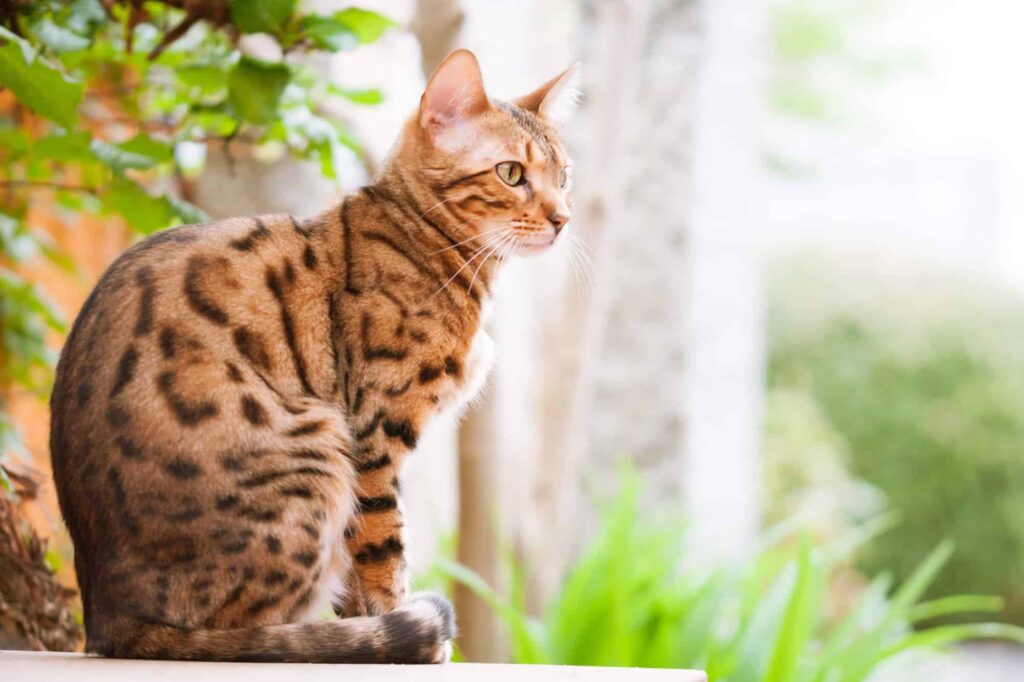
Use a soft measuring tape or a ruler for length and height. Measure from the nose tip to the base of the tail for length. For height, measure from the floor to the top of the shoulders. Keep your Bengal calm and still during the process. Repeat measurements weekly to observe growth trends clearly.
Credit: rawznaturalpetfood.com
Signs Of Healthy Growth
Watching your Bengal cat grow is an exciting journey filled with anticipation. Recognizing the signs of healthy growth helps you ensure your pet is developing properly and staying strong. Paying attention to these signs early can make a big difference in their overall well-being.
Physical Indicators
Your Bengal’s coat should be sleek and shiny, not dull or patchy. Bright eyes and clear skin are good signs your cat is healthy and growing well. Notice how your Bengal moves—strong muscles and agility show they’re developing properly.
Weight gain is another key factor. Bengal cats typically gain steadily but not too rapidly. If your cat seems too thin or overly plump, it might be time to adjust their diet.
- Steady weight gain aligned with age
- Healthy appetite and consistent eating habits
- Active playfulness and curiosity
- Firm, clean teeth and healthy gums
Have you tracked your Bengal’s growth with a simple weekly weigh-in? It can reveal patterns you might otherwise miss.
When To Consult A Vet
Sometimes growth isn’t as smooth as expected. If your Bengal shows signs of lethargy, sudden weight loss, or persistent vomiting, don’t hesitate to seek veterinary advice. Early intervention can prevent minor issues from becoming serious.
Also, if your cat’s coat becomes patchy or their eyes look dull, it might signal nutritional deficiencies or illness. Watching for these signs is crucial during the first year when Bengals grow fastest.
- Sudden change in behavior or appetite
- Failure to gain weight over several weeks
- Visible signs of distress like coughing or difficulty breathing
- Unusual lumps or swelling
Remember, your vet can provide personalized advice tailored to your Bengal’s unique needs. Don’t wait for minor concerns to escalate—your cat’s health depends on timely care.
Frequently Asked Questions
How Big Do Bengal Cats Typically Grow?
Bengal cats usually grow to medium to large sizes. Adult males can weigh between 10 to 15 pounds. Females typically weigh between 8 to 12 pounds. They have a muscular build and long bodies. Their size and strength make them agile and playful pets.
At What Age Do Bengal Cats Stop Growing?
Bengal cats usually stop growing around 18 months to 2 years old. However, some may continue to fill out until they are 3 years old. Their growth rate can vary due to diet and genetics. Proper nutrition is essential for healthy growth and development.
Are Bengal Cats Bigger Than Domestic Cats?
Yes, Bengal cats are generally larger than average domestic cats. They have a more muscular build and longer bodies. This is partly due to their wild ancestry. Their size and athleticism make them stand out among other cat breeds.
What Affects The Size Of A Bengal Cat?
Several factors influence the size of a Bengal cat, including genetics, diet, and health. Proper nutrition and regular exercise contribute to their growth. Genetics also play a significant role in determining their final size. Ensuring their health can help them reach their optimal size.
Conclusion
Bengal cats grow to a medium to large size. Males usually weigh more than females. Their muscular bodies make them strong and active pets. Size can vary depending on diet and genetics. Bengals need space to play and explore. Knowing their size helps prepare for their care.
They make lively companions for families and singles alike. Understanding their growth helps you enjoy your Bengal cat fully.
