

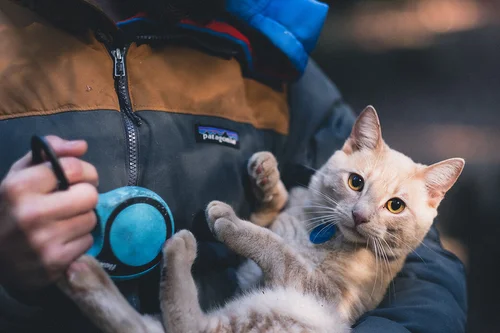
Training a cat might sound tricky, but it’s more possible than you think. Imagine having a well-behaved cat that listens to you, uses the litter box properly, and even learns fun tricks.
You can make this happen with the right approach. You’ll discover simple and effective ways to train your cat, step by step. Keep reading, and you’ll soon enjoy a stronger bond with your furry friend and a happier home.
Why Train Your Cat
Training a cat might sound unusual, but it offers many advantages. Cats are smart and can learn behaviors that make life better for both of you. Training helps build trust and communication. It also keeps your cat active and mentally healthy. Understanding why to train your cat is the first step to a happier relationship.
Benefits For You And Your Cat
Training your cat creates a peaceful home environment. Your cat learns to follow simple commands like coming when called. This reduces stress and prevents unwanted behaviors such as scratching furniture. Training also strengthens your bond. You spend quality time together, which makes your cat feel loved and safe.
Cats enjoy mental challenges. Training sessions keep their minds sharp and prevent boredom. It helps control bad habits and improves their overall behavior. A trained cat adapts easier to new surroundings and situations. This makes visits to the vet less stressful for both of you.
Common Misconceptions
Many believe cats cannot be trained. This is not true. Cats respond well to positive reinforcement and patience. Another myth says training is cruel. Training should be gentle and fun. Harsh methods harm trust and cause fear.
Some think training takes too much time. Short, consistent sessions work best. Cats learn quickly with rewards like treats or praise. Training is not only possible but also rewarding for cats and owners alike.

Credit: www.youtube.com
Essential Training Tools
Training a cat requires more than patience and consistency; having the right tools can make a huge difference. These essential training tools help you communicate effectively and keep your cat motivated. Without them, even simple commands can become frustrating for both you and your feline friend.
Treats And Rewards
Treats are powerful motivators for cats. Use small, tasty bites that your cat loves but doesn’t get all the time. This makes the reward feel special and worth working for.
Try to offer treats immediately after your cat performs the desired action. This clear connection helps your cat understand what behavior you want. Have you noticed how your cat’s eyes light up at the sound of a treat bag? That’s the motivation you want to tap into.
Clickers And Toys
Clickers provide a distinct sound that marks the exact moment your cat does something right. Pairing the click with treats sharpens learning and speeds up training. If you don’t have a clicker, a consistent word like “yes” or “good” works just as well.
Toys add an extra layer of fun and engagement. Use interactive toys like feather wands or laser pointers to reward good behavior and keep your cat’s attention. Have you tried using a favorite toy to redirect your cat’s energy during training sessions?
Safe Training Environment
Choose a quiet, distraction-free space where your cat feels comfortable. A calm environment helps your cat focus better and reduces stress. Avoid areas with loud noises or other pets that might interrupt your sessions.
Make sure the area is safe, with no sharp objects or places where your cat could get stuck. A small room or a cozy corner often works best. How does your cat usually react in different parts of your home? Picking the right spot can change the whole training experience.
Basic Commands To Teach
Teaching your cat basic commands is more than just a fun activity—it builds trust and improves your daily interactions. Cats can learn simple commands that make life easier for both of you. The key is patience, consistency, and plenty of rewards.
Come When Called
Getting your cat to come when called can be a lifesaver in many situations. Use a specific word or sound, like their name or a whistle, every time you feed or play with them. Over time, they’ll associate the sound with something positive and respond eagerly.
Try calling your cat from another room and reward them immediately when they arrive. Keep training sessions short and upbeat to maintain their interest. Have you noticed how your cat’s curiosity often leads them straight to you? Use that natural behavior to your advantage.
Sit And Stay
Teaching your cat to sit and stay may seem ambitious, but it’s achievable with the right approach. Hold a treat above their head and gently move it back; most cats will naturally sit to follow it. As soon as they sit, say “sit” clearly and give the treat.
For the stay command, ask your cat to sit first, then take a step back. If they remain seated, reward them immediately. Gradually increase the distance and duration to build their patience. This command helps manage your cat in situations where you need them calm and still.
Use The Litter Box
Most cats instinctively use a litter box, but some need guidance. Place the box in a quiet, accessible spot and show your cat where it is. After meals or naps, gently place them in the box to encourage use.
Keep the litter box clean and scoop it daily; cats avoid dirty spaces. If accidents happen, avoid punishment—clean the area thoroughly and redirect them to the box. Have you ever noticed your cat’s preference for a certain type of litter? Experimenting with textures can make a big difference.
Techniques For Effective Training
Training a cat requires patience and understanding. You need techniques that respect your cat’s nature while encouraging good behavior. Using the right approach can turn training into a fun and rewarding experience for both of you.
Positive Reinforcement
Rewarding your cat for good behavior motivates them to repeat it. Use treats, gentle petting, or verbal praise to show approval immediately after the desired action.
For example, if your cat uses the scratching post instead of the furniture, give a treat right away. This clear connection helps your cat understand what you want.
Resist the urge to punish mistakes. Negative reactions can confuse or scare your cat, making training harder. Instead, focus on encouraging the behaviors you want to see.
Short And Consistent Sessions
Cats have short attention spans, so keep training sessions brief. Aim for 5 to 10 minutes per session to maintain your cat’s interest and avoid frustration.
Consistency is key. Train your cat every day at roughly the same time. This routine helps your cat anticipate and prepare for learning moments.
Remember, it’s better to have frequent short sessions than occasional long ones. This steady approach builds habits without overwhelming your cat.
Reading Your Cat’s Body Language
Understanding your cat’s body language helps you know when they’re ready to learn or need a break. Watch for signs like tail flicks, ear position, and pupil size.
- A relaxed tail and ears mean your cat is comfortable and open to training.
- Flattened ears or a twitching tail indicate stress or annoyance.
- Dilated pupils can signal excitement or fear, so proceed carefully.
Have you noticed your cat’s unique signals during training? Paying attention can prevent negative experiences and strengthen your bond.
Addressing Common Behavior Issues
Addressing behavior issues in cats requires patience and understanding. Each cat has its own personality, so what works for one might not work for another. Observing your cat closely can help you find the right approach to change unwanted habits effectively.
Scratching Furniture
Scratching is natural for cats, but it can be frustrating when your favorite sofa becomes the target. Instead of punishing your cat, provide appealing alternatives like scratching posts or pads. Place these near the furniture your cat likes to scratch to redirect their attention.
Try using catnip or treats to encourage your cat to use the new scratching spots. You can also cover the furniture with double-sided tape temporarily—cats dislike the sticky feeling, which discourages scratching. Have you noticed if your cat prefers vertical or horizontal scratching surfaces?
Excessive Meowing
Constant meowing can be tiring, but it’s often your cat’s way of asking for something. First, check if your cat’s basic needs are met—food, water, and attention. If these are fine, your cat might be bored or stressed.
Respond calmly and avoid yelling, which can increase anxiety and meowing. Try interactive toys or play sessions to keep your cat engaged. Have you observed what triggers your cat’s meowing most often?
Aggression And Fear
Aggressive or fearful behavior can be a sign of stress or pain. Approach your cat gently and give them space when they seem scared. Loud noises, new people, or other pets can cause this reaction.
Use positive reinforcement to build trust—reward calm behavior with treats or gentle petting. If aggression persists, consider consulting a vet to rule out health issues. What changes in your cat’s environment might be causing these feelings?
Advanced Tricks And Challenges
Once your cat masters the basics, it’s time to push the boundaries with advanced tricks and challenges. These steps not only stimulate your cat’s mind but also deepen your bond. Advanced training requires patience, consistency, and the right techniques to keep your cat interested and motivated.
Teaching High-fives And Paw Shakes
Teaching your cat to give a high-five or paw shake is a fun way to engage them. Start by holding a treat just above their paw. When your cat lifts their paw, reward them immediately.
Repeat this several times, then add a verbal cue like “high-five” or “shake.” It may take a few sessions, but your cat will soon connect the action with the command and the reward.
Have you noticed how cats love mimicking human gestures? This trick taps into that natural curiosity and social behavior.
Using Clicker Training
Clicker training is a powerful tool for teaching complex behaviors. The click sound marks the exact moment your cat performs the desired action, making it clear what earned the reward.
Start by associating the clicker sound with treats. Once your cat understands the sound means “good job,” you can use it to guide them through new tricks step-by-step.
Consistency is key here; click and reward immediately to keep your cat motivated and focused.
Building Complex Behaviors
Complex behaviors are made by combining simple actions into a sequence. For example, your cat can learn to jump through a hoop and then immediately sit.
Break down the behavior into small steps and reward each step. Gradually string the steps together, increasing difficulty as your cat succeeds.
Think about your cat’s natural abilities and preferences. Tailoring challenges to their strengths makes learning enjoyable and effective.
Maintaining Training Long-term
Maintaining training with your cat is crucial for lasting results. Cats thrive on routine and clear expectations. Consistent reinforcement helps them remember commands and behaviors. Without ongoing practice, cats may forget what they learned. Patience and persistence keep training effective. Adjust your approach as your cat grows and changes. Continuous rewards motivate cats to repeat good behavior. This section explains how to maintain training over time.
Regular Practice
Practice training sessions daily or several times a week. Short sessions work best to keep your cat’s attention. Use familiar commands to reinforce learning. Repetition helps your cat understand what you want. Avoid long sessions that may tire your cat. Regular practice makes training a natural part of life.
Adapting To Changes
Adjust training as your cat’s needs change. Growth, health, and environment affect behavior. Modify commands or rewards to suit new situations. Stay flexible with training methods. Observe your cat’s reactions to find the best approach. Change keeps training relevant and effective over time.
Rewarding Good Behavior Continuously
Keep rewarding your cat for good behavior regularly. Use treats, praise, or play as incentives. Immediate rewards help cats link behavior to positive outcomes. Avoid stopping rewards too soon to prevent confusion. Consistent rewards build trust and encourage learning. Celebrate small successes to keep your cat motivated.

Credit: catexplorer.co

Credit: yourcatbackpack.com
Frequently Asked Questions
How Long Does It Take To Train A Cat?
Training a cat usually takes a few weeks of consistent effort. Patience and repetition are key. Cats learn best with positive reinforcement and short, regular sessions.
What Is The Best Way To Train A Cat?
Use positive reinforcement, like treats and praise. Avoid punishment. Reward good behavior immediately to help cats understand what you want.
Can Cats Learn Commands Like Dogs?
Yes, cats can learn simple commands like “sit” or “come. ” Training requires patience and frequent, positive rewards to encourage learning.
How Do I Stop My Cat From Scratching Furniture?
Provide scratching posts and reward their use. Use deterrents on furniture and trim your cat’s nails regularly to reduce damage.
Conclusion
Training a cat takes time and patience. Start with small steps and gentle rewards. Cats learn best when they feel safe and calm. Keep training sessions short and fun. Celebrate every little success along the way. Remember, every cat is different and unique.
Stay consistent and kind throughout the process. Enjoy building a strong bond with your cat. Training helps both you and your pet live happily together. Keep trying, and you will see progress soon.
