

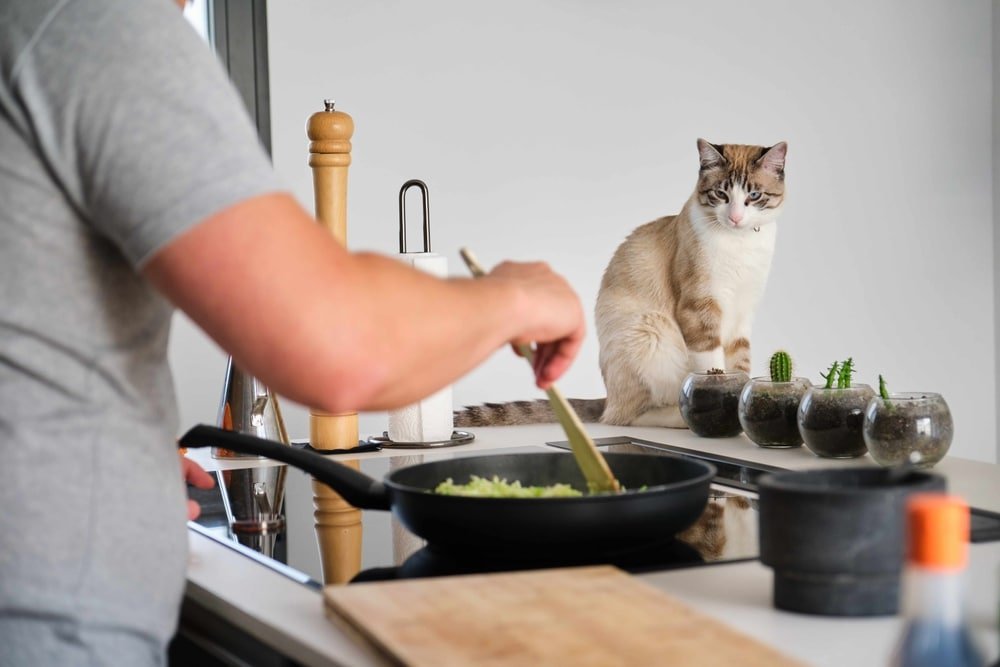
Are you worried about what your cat is really eating? You want to give your furry friend the best, but store-bought cat food can sometimes feel like a mystery.
Making homemade food for cats might be the solution you’ve been searching for. Imagine knowing every ingredient that goes into your pet’s meal, tailored just for their health and taste buds. You’ll discover simple, safe, and nutritious recipes that your cat will love.
Keep reading to learn how you can take control of your cat’s diet and watch them thrive like never before.
Benefits Of Homemade Cat Food
Homemade cat food offers many benefits for your feline friend. It allows you to control exactly what goes into their meals. You can ensure your cat gets fresh, healthy ingredients every day. This approach supports better health and wellbeing over time.
Improved Nutrient Control
You decide the nutrients your cat receives. Homemade food lets you balance proteins, fats, and vitamins carefully. This control helps meet your cat’s unique dietary needs. You can avoid overfeeding or missing essential nutrients. Fresh ingredients keep the food rich in nutrients and flavor.
Avoiding Harmful Additives
Store-bought cat food often contains preservatives and fillers. These additives may harm your cat’s health over time. Homemade meals exclude artificial colors, flavors, and chemicals. This results in cleaner food that supports your cat’s natural health. You reduce risks of allergies and digestive issues.
Catering To Specific Health Needs
Some cats have allergies or medical conditions. Homemade food allows you to customize meals for these needs. You can avoid ingredients that cause reactions or discomfort. Tailoring food helps manage weight, kidney problems, or sensitive stomachs. Your cat gets food made just for their health.
Essential Nutrients For Cats
Cats need specific nutrients to stay healthy and active. These nutrients support their body functions, growth, and energy. Homemade food must include these essentials to meet a cat’s dietary needs. Knowing the key nutrients helps you prepare balanced meals for your feline friend.
Proteins And Amino Acids
Cats require high amounts of protein for muscle and tissue health. Proteins contain amino acids, which are vital for cats. Taurine is one essential amino acid only found in animal meat. Without enough taurine, cats can develop heart and eye problems. Use chicken, turkey, beef, or fish to supply quality proteins.
Fats And Fatty Acids
Fats give cats energy and help absorb vitamins. Essential fatty acids like omega-3 and omega-6 support skin and coat health. These fats also help brain and eye development. Sources include fish oil, chicken fat, and flaxseed oil. Avoid too much fat to prevent weight gain.
Vitamins And Minerals
Vitamins and minerals maintain strong bones, teeth, and immune systems. Cats need vitamins A, D, E, and B-complex. Minerals like calcium, phosphorus, and potassium are also crucial. Fresh meat and vegetables supply many of these nutrients. Supplements may be needed to balance homemade meals properly.
Safe Ingredients For Cat Meals
Choosing safe ingredients for homemade cat meals is essential for your pet’s health. Cats need certain nutrients that only specific foods can provide. Knowing which ingredients to use helps avoid health problems and keeps your cat happy.
Every cat requires a balanced diet rich in protein and vital nutrients. Homemade meals give control over what your cat eats. Careful ingredient selection ensures meals are safe and nutritious.
Recommended Meats And Fish
- Chicken: Cooked, skinless, and boneless
- Turkey: Lean and cooked thoroughly
- Beef: Lean cuts, cooked well
- Lamb: Cooked and trimmed of fat
- Salmon: Cooked, without bones
- Tuna: Occasionally, cooked and plain
- Whitefish: Cooked and deboned
These meats and fish provide essential proteins and amino acids. Always cook meat thoroughly to kill harmful bacteria. Avoid seasoning or sauces that may harm cats.
Vegetables And Supplements
- Carrots: Cooked and finely chopped
- Peas: Cooked and mashed
- Spinach: Small amounts, cooked
- Pumpkin: Plain, cooked or canned
- Fish oil: For omega-3 fatty acids
- Taurine supplement: Essential amino acid for cats
- Calcium: Bone meal or crushed eggshell powder
Vegetables add fiber and vitamins but must be safe and digestible. Supplements fill nutritional gaps. Taurine is critical for heart and eye health.
Ingredients To Avoid
- Onions and garlic: Toxic to cats
- Chocolate: Poisonous even in small amounts
- Grapes and raisins: Can cause kidney failure
- Dairy products: Many cats are lactose intolerant
- Raw eggs and raw fish: Risk of bacteria and enzyme issues
- Bones: Risk of choking or internal injury
- Salt and spices: Harmful to cats’ health
Some foods safe for humans are dangerous for cats. Avoid these ingredients to prevent illness or injury. Always consult a vet before introducing new foods.

Credit: justcatsclinic.com
Basic Homemade Cat Food Recipes
Making homemade food for your cat can be a rewarding experience. It allows you to control exactly what your pet eats and ensures freshness. Here are some basic recipes that you can try at home to offer your cat nutritious and tasty meals.
Chicken And Rice Mix
Chicken and rice is a simple and gentle meal for cats, especially those with sensitive stomachs. Use boiled, skinless chicken breast and mix it with cooked white rice. This combo provides protein and easy-to-digest carbohydrates.
Add a pinch of taurine powder, an essential nutrient for cats, to keep it balanced. You can also stir in a little canned pumpkin for extra fiber. Have you noticed how cats often prefer plain flavors over complex ones?
Fish And Pumpkin Blend
Fish is a favorite protein for many cats. Use cooked white fish like cod or haddock, flaked into small pieces. Mix it with pureed pumpkin to add vitamins and aid digestion.
Make sure to avoid any bones and do not use raw fish to prevent health risks. A dash of fish oil can enhance the omega-3 content for a shiny coat. Do you know your cat’s reaction when you offer fish dishes compared to chicken?
Turkey And Sweet Potato Dish
Turkey provides lean protein, which is great for active cats. Cook ground turkey thoroughly and combine it with mashed sweet potatoes. Sweet potatoes offer vitamins and minerals that support overall health.
Add a teaspoon of olive oil for healthy fats and mix well. This dish is hearty and easy for cats to eat. Have you tried adding vegetables to your cat’s meals before, and how did they respond?
Tips For Preparing Cat Food Safely
Preparing homemade food for cats requires care to keep it safe and healthy. Careless preparation can lead to harmful bacteria or nutrient loss. Follow these tips to make food that supports your cat’s well-being.
Proper Cooking Techniques
Cook all meats thoroughly to kill harmful bacteria. Use gentle heat to avoid destroying nutrients. Avoid seasoning or adding spices, as many are toxic to cats. Cut food into small pieces to help with digestion. Steaming or boiling are good cooking methods for cat food.
Storage And Shelf Life
Store homemade cat food in airtight containers to keep it fresh. Refrigerate leftovers and use them within two days. Freeze larger portions and thaw only what your cat needs. Label containers with preparation dates to track freshness. Avoid leaving food out for more than two hours.
Hygiene Practices
Wash hands thoroughly before and after handling cat food. Clean all utensils, cutting boards, and surfaces with hot, soapy water. Use separate tools for raw meat and other ingredients. Keep your kitchen clean to prevent contamination. Regularly sanitize feeding bowls to protect your cat’s health.

Credit: wellnessmama.com
Monitoring Cat’s Health On Homemade Diet
Feeding cats homemade meals can be rewarding but requires careful health monitoring. Cats need balanced nutrition to stay strong and active. Homemade diets may miss key nutrients without proper attention. Watch your cat closely for any health changes during this diet. Regular checks help catch problems early, ensuring your cat thrives on homemade food.
Signs Of Nutritional Deficiency
Look for these signs that may show lack of nutrients:
- Dull or brittle fur
- Weakness or low energy
- Weight loss or poor muscle tone
- Frequent infections or slow healing
- Changes in appetite or thirst
- Digestive issues like vomiting or diarrhea
- Unusual behavior or irritability
These signs indicate a need to review your cat’s diet and make changes.
Adjusting Recipes For Preferences
Cats can be picky eaters. Adjust recipes to suit their taste and needs. Try these tips:
- Change protein sources, such as chicken or fish
- Mix in small amounts of wet food for moisture
- Use homemade broth to add flavor
- Offer meals at room temperature
- Observe and note which ingredients your cat prefers
Keep adjustments gradual to avoid upsetting their digestive system.
Consulting A Veterinarian
Regular vet visits are vital for cats on homemade diets. Vets can:
- Perform blood tests to check nutrient levels
- Recommend supplements if needed
- Help balance the diet for specific health issues
- Provide advice on portion sizes and feeding frequency
Always consult your vet before making major diet changes. Their guidance keeps your cat safe and healthy.

Credit: www.amazon.ca
Frequently Asked Questions
What Ingredients Are Safe For Homemade Cat Food?
Safe ingredients include cooked chicken, turkey, fish, pumpkin, and rice. Avoid onions, garlic, chocolate, and dairy. Always use fresh, unseasoned ingredients to ensure your cat’s health and prevent toxicity.
How Do I Balance Nutrients In Homemade Cat Food?
Include protein, fats, and limited carbohydrates. Add taurine supplements to meet essential amino acid needs. Consult a vet or pet nutritionist to create a balanced recipe tailored for your cat’s health.
Can Homemade Food Replace Commercial Cat Food?
Homemade food can replace commercial meals if nutritionally complete. Ensure balanced vitamins, minerals, and amino acids. Regular vet check-ups are necessary to monitor your cat’s health and adjust the diet.
How Often Should I Feed Homemade Food To My Cat?
Feed homemade meals once or twice daily, matching your cat’s regular feeding schedule. Portion sizes depend on age, weight, and activity level. Consult your vet to determine the ideal feeding frequency.
Conclusion
Feeding cats homemade food can be safe and healthy. Always choose fresh, quality ingredients. Balance proteins, fats, and vitamins in every meal. Keep your cat’s preferences and needs in mind. Consult a vet before changing diets. Homemade food shows love and care for pets.
Simple recipes make feeding easy and fun. Give your cat variety to keep meals exciting. Watch your pet’s health for any changes. Homemade meals can strengthen your bond with your cat.
