

Are you worried about what’s really in your cat’s food? You’re not alone.
Many cat owners want to give their furry friends meals that are healthy, tasty, and made with love. That’s where homemade cat food recipes come in. By preparing meals yourself, you control every ingredient and ensure your cat gets the nutrition they need.
You’ll discover simple, safe, and delicious recipes that your cat will love. Ready to see how easy it can be to make your cat’s meals better? Keep reading—you and your cat will thank yourself for it.

Credit: www.thecookierookie.com
Benefits Of Homemade Cat Food
Choosing to prepare homemade cat food can bring a range of benefits that directly impact your cat’s health and your peace of mind. It allows you to tailor meals to your cat’s specific needs and preferences while giving you control over what they eat every day. Here’s a closer look at some key advantages of feeding your cat homemade food.
Improved Nutrition
When you make your cat’s food at home, you can ensure they get the right balance of proteins, fats, and essential nutrients. Commercial cat foods sometimes contain fillers or artificial additives that don’t contribute to your pet’s well-being. Have you noticed how your cat’s energy levels or coat quality change after switching to fresh, nutrient-rich ingredients? Many cat owners find their pets become more lively and have shinier fur after eating homemade meals.
Control Over Ingredients
Homemade cat food puts you in charge of every ingredient. This is especially important if your cat has allergies or dietary sensitivities. You can avoid common allergens like grains, soy, or certain preservatives that might upset your cat’s stomach. Imagine being able to customize meals with fresh chicken, fish, or specific vegetables that suit your cat’s tastes and health needs. This level of control helps reduce the risk of adverse reactions and supports your cat’s long-term health.
Cost-effectiveness
Feeding your cat homemade meals can save money over time. Instead of buying expensive commercial cat foods or specialty diets, you can purchase fresh ingredients in bulk or on sale. Preparing meals yourself also means fewer costly vet visits due to diet-related health problems. Have you ever calculated how much you spend monthly on premium cat food? With a little planning, homemade recipes can stretch your budget and still provide quality nutrition for your furry friend.
Essential Nutrients For Cats
Feeding your cat homemade meals means you need to know exactly what nutrients they require to stay healthy and happy. Cats have unique dietary needs that differ from dogs or humans. Missing out on key nutrients can lead to serious health problems, so understanding these essentials is crucial before you start cooking.
Proteins And Amino Acids
Cats are obligate carnivores, which means protein is the backbone of their diet. They need high-quality animal protein to maintain strong muscles and support vital bodily functions. Amino acids like taurine, found only in animal tissues, are vital for your cat’s heart and vision health.
Without enough taurine, cats can develop heart disease or lose their sight. Chicken, turkey, and fish are great protein sources you can use in homemade recipes. Think about balancing lean cuts with organ meats like liver to cover all amino acid needs.
Fats And Fatty Acids
Fats aren’t just energy sources; they also help your cat absorb fat-soluble vitamins and keep their skin and coat healthy. Essential fatty acids like omega-3 and omega-6 are important for reducing inflammation and supporting brain function.
Fish oils, such as salmon oil, provide these beneficial fats. Adding a small amount to your homemade cat food can make a big difference in your pet’s overall well-being. But be careful not to add too much; balance is key to avoid digestive upset.
Vitamins And Minerals
Vitamins and minerals keep your cat’s immune system strong and bones healthy. For example, calcium and phosphorus work together to build strong bones, so including ground eggshells or bone meal is helpful when preparing homemade meals.
Other important vitamins include A, D, and E, which support vision, skin health, and antioxidant defenses. Since vitamin levels can vary in different ingredients, you might need to add supplements to make sure your cat gets what they need.
Have you checked if your homemade recipe covers these nutrients before feeding it to your cat? It’s a small step that can prevent big health issues down the line.
Safe Ingredients For Cat Meals
Choosing safe ingredients for your cat’s homemade meals is essential for their health and happiness. Cats have unique dietary needs, and feeding them the wrong foods can cause serious problems. Understanding which ingredients are safe helps you create meals that nourish your feline friend properly.
Meats And Fish Options
High-quality protein is the cornerstone of any cat meal. Fresh chicken, turkey, and lean cuts of beef provide essential amino acids that cats need to stay strong.
Fish like salmon and sardines offer omega-3 fatty acids, which support a shiny coat and healthy skin. But remember, avoid raw fish to prevent parasites and always cook meat thoroughly.
Have you noticed how your cat perks up with fresh meat? That’s a good sign you’re on the right track.
Vegetables And Supplements
While cats are primarily carnivores, small amounts of certain vegetables can add fiber and nutrients. You can add cooked pumpkin, peas, or carrots in tiny portions to support digestion.
Supplements like taurine, fish oil, and a vitamin mix are vital since homemade meals may lack some nutrients. A simple taurine supplement can prevent heart and eye problems.
Do you check labels on supplements to ensure they’re cat-specific? It makes a big difference in safety and effectiveness.
Avoiding Harmful Foods
Never feed your cat onions, garlic, chocolate, grapes, or raisins. These common human foods can cause severe toxicity and even be fatal.
Also, avoid dairy products and too much salt. Many cats are lactose intolerant, and excess salt can harm their kidneys.
Have you ever wondered why vets always warn against certain foods? It’s because cats process ingredients differently than humans do.

Credit: cats-magazine.com
Simple Homemade Cat Food Recipes
Simple homemade cat food recipes can be a game-changer for your feline friend’s health and happiness. Making food at home allows you to control exactly what goes into your cat’s bowl, ensuring fresh and nutritious meals. Plus, it’s often easier than you think to prepare dishes that your cat will love.
Chicken And Rice Mix
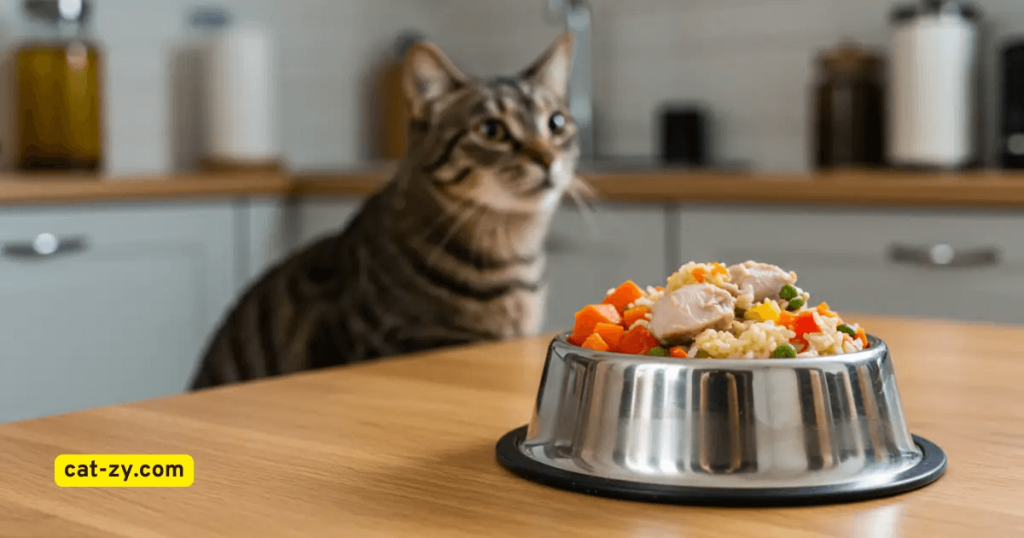
This dish is a great starting point for homemade cat meals. Chicken provides essential protein, while rice adds gentle carbohydrates that are easy on your cat’s stomach. You only need a few ingredients to whip up a batch that feels like a treat.
- Cook 1 cup of boneless, skinless chicken breast until fully done, then shred it finely.
- Boil ½ cup of white rice until soft and let it cool.
- Mix the chicken and rice together, adding a teaspoon of chicken broth for extra flavor.
Have you noticed how your cat reacts to new tastes? This simple combo can help you gauge their preferences without overwhelming their palate.
Fish And Pumpkin Blend
Fish is an excellent source of omega-3 fatty acids, which support your cat’s coat and skin health. Pumpkin offers fiber and helps with digestion, making this blend both tasty and beneficial. It’s a balanced meal that’s especially good for cats with sensitive stomachs.
- Steam 1 cup of white fish like cod or haddock and flake it into small pieces.
- Puree ¼ cup of cooked pumpkin (make sure it’s plain, without spices).
- Mix the fish and pumpkin thoroughly, adding a splash of water if needed for consistency.
Try this recipe if your cat struggles with digestion or shows signs of constipation. Would you be surprised how a simple change can improve their comfort?
Turkey And Sweet Potato Meal
Turkey is a lean protein that many cats enjoy, and sweet potatoes are a great source of vitamins and fiber. This combination supports both energy and digestive health. Preparing this meal in bulk can save you time while ensuring your cat gets a wholesome diet.
- Cook 1 cup of ground turkey thoroughly and drain any fat.
- Boil or steam ½ cup of sweet potato until soft, then mash it.
- Combine the turkey and sweet potato, adding a little water or turkey broth for moisture.
Have you ever thought about how your cat’s diet affects their activity levels? Feeding meals like this can boost their vitality in surprising ways.
Tips For Preparing Cat Food Safely
Preparing homemade cat food requires care to keep your pet safe and healthy. Handling ingredients and cooking steps correctly reduces risks of illness. It also helps preserve nutrients cats need for energy and growth. Follow these tips for safe preparation of your cat’s meals.
Proper Cooking Techniques
Cook meats thoroughly to kill harmful bacteria. Avoid seasoning or adding salt, onion, or garlic, which can harm cats. Use a food thermometer to check that meat reaches at least 165°F (74°C). Avoid raw diets unless supervised by a vet. Wash hands and utensils after handling raw ingredients. Clean cutting boards with hot, soapy water to prevent cross-contamination.
Storage And Shelf Life
Store homemade cat food in airtight containers. Refrigerate leftovers immediately and use within 2-3 days. Freeze portions for longer storage, up to one month. Label containers with preparation dates. Thaw frozen food in the fridge, not at room temperature. Discard any food that smells off or looks spoiled. Keep feeding areas clean to avoid bacteria buildup.
Portion Control
Feed your cat the right amount based on age, weight, and activity. Overfeeding causes obesity and health issues. Use a kitchen scale or measuring cups for accuracy. Divide daily food into two or three meals. Observe your cat’s weight and adjust portions if needed. Consult your vet for specific dietary needs and portion sizes.

Credit: wellnessmama.com
Transitioning Cats To Homemade Diets
Switching your cat to a homemade diet can be a rewarding experience for both of you. However, cats can be finicky, and sudden changes to their food may upset their stomach or lead to rejection of the new diet. Careful planning and patience are key to making the transition smooth and successful.
Gradual Food Changes
Start by mixing a small amount of homemade food with your cat’s current diet. Increase the homemade portion slowly over 7 to 10 days. This gives your cat’s digestive system time to adjust.
Observe how your cat reacts to the new taste and texture. Some cats may prefer a certain temperature or consistency, so try warming the food slightly or blending ingredients to find what suits them best.
Monitoring Health And Preferences
Keep a close eye on your cat’s behavior, appetite, and litter box habits. Changes in energy levels, vomiting, diarrhea, or constipation can signal digestive upset or intolerance.
Note which homemade recipes your cat enjoys and which they avoid. Cats can be picky, so having a variety of recipes on hand can help you keep meals interesting and nutritious.
When To Consult A Veterinarian
If your cat shows signs of distress during the transition—such as persistent vomiting, diarrhea, or weight loss—reach out to your vet immediately. They can check for underlying issues and suggest adjustments.
Discuss your homemade food plan with your veterinarian before starting. They can help ensure the recipes meet your cat’s nutritional needs and may recommend supplements if necessary.
Frequently Asked Questions
What Ingredients Are Safe For Homemade Cat Food?
Safe ingredients include cooked chicken, turkey, fish, eggs, and certain vegetables. Avoid onions, garlic, grapes, and chocolate, as they are toxic to cats. Always consult your vet before introducing new foods to ensure a balanced diet.
How Do I Ensure Balanced Nutrition In Cat Food?
Include protein, fats, vitamins, and minerals in every meal. Use supplements like taurine, essential for cats’ heart and eye health. Consulting a veterinarian or pet nutritionist helps create a complete and balanced homemade diet.
Can Homemade Cat Food Replace Commercial Cat Food?
Yes, homemade cat food can replace commercial food if properly balanced. Homemade meals offer control over ingredients and freshness. However, always ensure nutritional adequacy by consulting a vet to prevent deficiencies or health issues.
How Often Should I Feed My Cat Homemade Food?
Feed adult cats two meals per day with balanced portions. Kittens may require more frequent meals, about three to four times daily. Monitor your cat’s weight and energy levels to adjust feeding frequency accordingly.
Conclusion
Making homemade cat food lets you control what your pet eats. Fresh ingredients keep cats healthy and happy. It also helps avoid fillers and additives found in some store foods. Always check recipes for balanced nutrition. Consult your vet to meet your cat’s needs.
Try simple recipes first and watch how your cat responds. Feeding your cat homemade food can build a stronger bond. With care and patience, you can offer tasty, nutritious meals at home. A happy cat starts with good food.
