

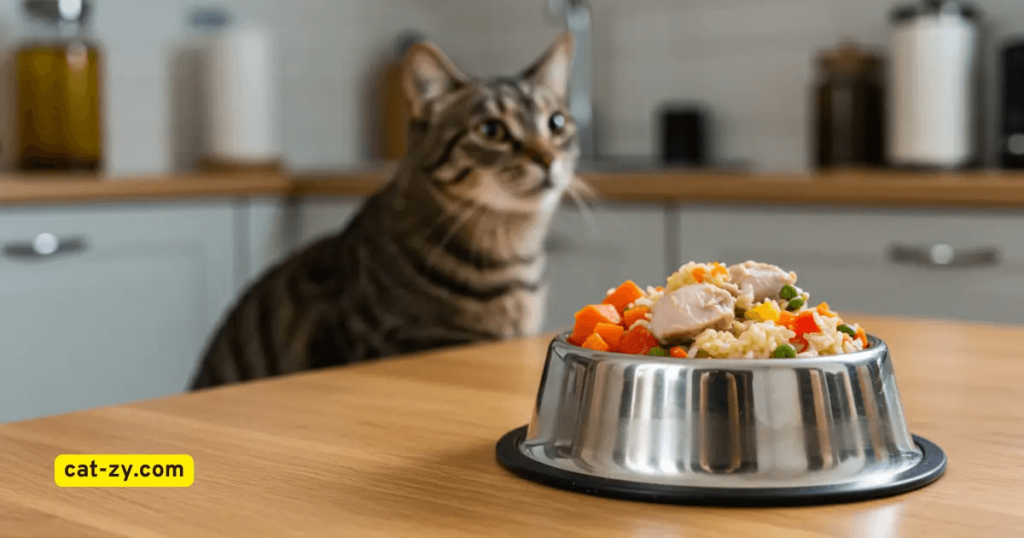
If you want to give your cat the healthiest, tastiest meals, making homemade cat food is the way to go. You might wonder if it’s difficult or time-consuming—but it doesn’t have to be.
With the right recipe, you can prepare meals that meet your cat’s nutritional needs and keep them happy and energetic. You’ll discover a simple homemade cat food recipe that you can trust and easily make at home. Ready to treat your furry friend to something special?
Let’s get started!
Benefits Of Homemade Cat Food
Choosing to prepare homemade cat food can bring many benefits to your feline friend’s health and happiness. You gain full control over what your cat eats, ensuring fresh, nutritious ingredients without unwanted fillers or preservatives. This hands-on approach can lead to noticeable improvements in your cat’s energy, coat condition, and overall well-being.
Better Nutritional Control
When you make your cat’s food at home, you decide exactly what goes into each meal. This helps you avoid harmful additives and low-quality ingredients often found in commercial cat foods.
You can tailor recipes to meet your cat’s specific dietary needs, whether they need more protein, fewer carbs, or special supplements. Have you noticed how your cat reacts to certain foods? Homemade meals give you the power to adjust ingredients and monitor their health closely.
Improved Digestion And Health
Cats can be sensitive to certain preservatives and fillers in store-bought food, which may cause digestive issues. Homemade cat food uses fresh, whole ingredients that are easier on their stomachs.
This can reduce common problems like vomiting, diarrhea, or constipation. After switching to homemade meals, many cat owners report their pets have better digestion and more regular bowel movements.
Stronger Bond With Your Cat
Preparing food for your cat can deepen your connection. It’s a hands-on way to show care and attention, which your cat can sense through the effort you put in.
Feeding time becomes more than just routine; it’s an opportunity to engage and observe your cat’s preferences. Have you ever noticed how your cat’s eyes brighten when they recognize a homemade treat? That’s the kind of bond worth nurturing.
Cost-effective And Flexible
Making cat food at home can also save you money, especially if you buy ingredients in bulk or use seasonal products. You can plan meals around what’s available and affordable.
This flexibility allows you to experiment with different recipes and adjust portions based on your cat’s appetite and health needs. It’s a practical way to provide quality nutrition without breaking the bank.
Essential Nutrients For Cats
Understanding the essential nutrients your cat needs is key to crafting a homemade cat food recipe that truly supports their health. Cats have unique dietary requirements that differ from other pets. Meeting these needs with the right balance of nutrients ensures your cat stays energetic, happy, and strong.
Protein Sources
Protein is the foundation of a cat’s diet. Cats need high-quality animal proteins to maintain muscle mass and support overall growth. Good sources include cooked chicken, turkey, beef, and fish like salmon or sardines.
Have you noticed how your cat’s energy changes after eating different proteins? Some proteins may be easier for your cat to digest, so it’s worth observing their preferences and reactions. Avoid plant proteins as the main source since cats can’t efficiently process them.
Healthy Fats
Fats provide energy and help keep your cat’s skin and coat healthy. Omega-3 and omega-6 fatty acids are especially important for reducing inflammation and supporting brain function. You can add fish oil or small amounts of flaxseed oil to your homemade recipes.
Remember, too much fat can cause digestive upset. A balanced amount, about 10-15% of their diet, works best. Have you ever tried adding a bit of cooked egg yolk? It’s an excellent fat source that many cats love.
Vitamins And Minerals
Vitamins and minerals are the tiny powerhouses that keep your cat’s body running smoothly. Essential ones include taurine, calcium, phosphorus, and vitamins A, D, and E. Taurine is particularly critical—without it, cats can develop serious health problems.
To provide these, use ingredients like finely ground eggshell for calcium and organ meats for vitamins. Do you know which supplements might be necessary to fill any gaps? Consulting a vet can help you get this balance right for your homemade meals.
Common Ingredients In Cat Recipes
Homemade cat food recipes use a few key ingredients. These ingredients provide the nutrients cats need for energy and health. Choosing the right items helps keep your cat happy and strong.
Meat And Poultry
Cats need protein from meat and poultry. Chicken, turkey, and beef are common choices. These provide essential amino acids for muscle and tissue health. Always cook the meat well to avoid bacteria. Avoid seasoning or spices, as they can harm cats.
Fish Varieties
Fish is a good source of protein and omega-3 fatty acids. Salmon, tuna, and mackerel are popular fish in cat recipes. Use fish cooked or canned in water, without added salt. Fish should be given in moderation to avoid mercury build-up.
Vegetables For Cats
Vegetables add fiber and vitamins to cat meals. Common options include carrots, peas, and pumpkin. These help with digestion and provide antioxidants. Always cook vegetables until soft and mash them for easy eating.

Credit: pledgecare.org
Homemade Cat Food Recipes
Homemade cat food recipes offer a fresh and nutritious alternative to commercial options. Preparing meals at home lets you control the ingredients. This helps ensure your cat gets natural, wholesome food without fillers or additives.
These recipes include simple ingredients that most cats enjoy. They provide a good balance of protein, vitamins, and minerals. Cooking at home also allows customization for picky eaters or cats with allergies.
Chicken And Rice Delight
This recipe combines lean chicken with easily digestible rice. It suits cats that need gentle food for sensitive stomachs.
- Boil chicken breast until fully cooked.
- Cook white rice until soft.
- Mix chicken and rice in a 2:1 ratio.
- Cool before serving.
Salmon And Sweet Potato
Salmon provides omega-3 fatty acids. Sweet potato adds fiber and vitamins.
- Bake or steam salmon, remove bones.
- Cook sweet potato until tender.
- Mash sweet potato and mix with salmon.
- Serve at room temperature.
Beef And Carrot Mix
This meal is rich in protein and beta-carotene. It supports healthy muscles and vision.
- Brown lean ground beef in a pan.
- Steam or boil carrots, then finely chop.
- Combine beef and carrots.
- Let cool before feeding.
Preparation Tips For Cat Meals
Preparing homemade cat food requires care and attention to keep meals safe and nutritious. Proper preparation ensures your cat enjoys tasty dishes and stays healthy. Follow these tips to make feeding time easier and better for your feline friend.
Cooking Methods
Choose gentle cooking methods to keep nutrients intact. Boiling or steaming meat helps remove harmful bacteria without losing too many vitamins. Avoid frying or using spices, which can harm cats. Use plain, fresh ingredients for best results.
Portion Control
Feed your cat the right amount to avoid weight problems. Use a kitchen scale or measuring cups for accuracy. A typical adult cat needs about 20-30 calories per pound daily. Split meals into two or three servings to keep energy steady throughout the day.
Storage Solutions
Store homemade cat food properly to keep it fresh. Use airtight containers to prevent contamination. Refrigerate meals and use within three days for safety. Freeze extra portions in small packs to thaw as needed without waste.

Credit: www.thecookierookie.com
Potential Risks And Precautions
Preparing homemade cat food can be rewarding but carries some risks. Knowing the possible dangers helps protect your cat’s health. Careful attention is needed to avoid problems. Proper precautions ensure your cat enjoys safe, nutritious meals.
Allergy Considerations
Cats can develop food allergies or sensitivities. Watch for signs such as itching, vomiting, or diarrhea. Introduce new ingredients slowly to spot reactions. Consult a vet if allergic symptoms appear. Common allergens include fish, dairy, and certain proteins.
Avoiding Harmful Ingredients
Some foods are toxic to cats and must be avoided. Never use onions, garlic, chocolate, or grapes in recipes. Avoid excessive salt or spices as they harm digestion. Raw eggs and bones can pose health risks too. Always research ingredients before adding them to meals.
Consulting With A Veterinarian
Before you start preparing homemade cat food, consulting with a veterinarian is essential. Your cat has specific dietary needs that vary by age, health, and lifestyle. Getting professional advice helps ensure your recipes are safe and nutritious.
Understanding Your Cat’s Nutritional Needs
Veterinarians can explain the nutrients your cat must have daily. Cats need a balanced mix of protein, fats, vitamins, and minerals to stay healthy. Without proper guidance, it’s easy to miss key nutrients, which could lead to health problems.
Have you ever wondered if your cat’s current diet truly meets all their needs? A vet can run tests and recommend adjustments tailored just for your furry friend.
Discussing Any Health Concerns
If your cat has health issues like allergies, kidney disease, or obesity, homemade food recipes must be customized. A vet’s insight helps avoid ingredients that might worsen these conditions. They may also suggest supplements to add for extra support.
Think about your cat’s unique health history before changing their diet. Your vet’s advice can prevent complications that you might not anticipate on your own.
Reviewing Ingredient Safety And Quality
Not all human foods are safe for cats. Some common ingredients can be toxic or hard to digest. Consulting a vet helps you learn which foods to avoid and which are beneficial.
Your vet can also guide you on sourcing high-quality ingredients. This ensures you’re feeding your cat fresh and nutritious meals every time.
Setting Up A Feeding Schedule
A vet can recommend how often and how much you should feed your cat homemade meals. Overfeeding or underfeeding can cause weight and health issues. They might suggest a schedule that fits your cat’s lifestyle and metabolism.
Have you noticed changes in your cat’s appetite or energy? Sharing these observations with your vet helps fine-tune meal plans for better results.
Monitoring Progress And Making Adjustments
After starting homemade food, regular vet check-ups are crucial. They can track your cat’s weight, coat condition, and overall health. This helps you know if the new diet is working or needs changes.
Don’t hesitate to share any concerns or new symptoms with your vet. Your active involvement is key to keeping your cat happy and healthy.

Credit: cats-magazine.com
Frequently Asked Questions
What Ingredients Are Best For Homemade Cat Food?
Use lean meats like chicken or turkey, cooked eggs, and fish. Add taurine-rich sources for cat health. Avoid onions, garlic, and seasoning.
How To Ensure Balanced Nutrition In Homemade Cat Food?
Include protein, fats, vitamins, and minerals. Consult a vet to add supplements like taurine and calcium for balance.
Can Homemade Cat Food Prevent Health Issues?
Yes, fresh ingredients reduce preservatives and fillers. Proper nutrition supports immunity and digestion. Always monitor your cat’s health regularly.
How Often Should I Feed My Cat Homemade Food?
Feed adult cats twice daily in measured portions. Kittens may need more frequent meals. Adjust based on your cat’s needs.
Conclusion
Making homemade cat food helps you control ingredients and quality. Your cat can enjoy fresh, healthy meals every day. It also lets you avoid fillers and additives found in some store foods. Always check with your vet before changing your cat’s diet.
Start slow and watch how your cat reacts to new foods. Homemade meals can strengthen your bond with your pet. Simple recipes make feeding time fun and rewarding. Your cat deserves the best, and you can provide it. Give it a try and see the difference yourself.
