

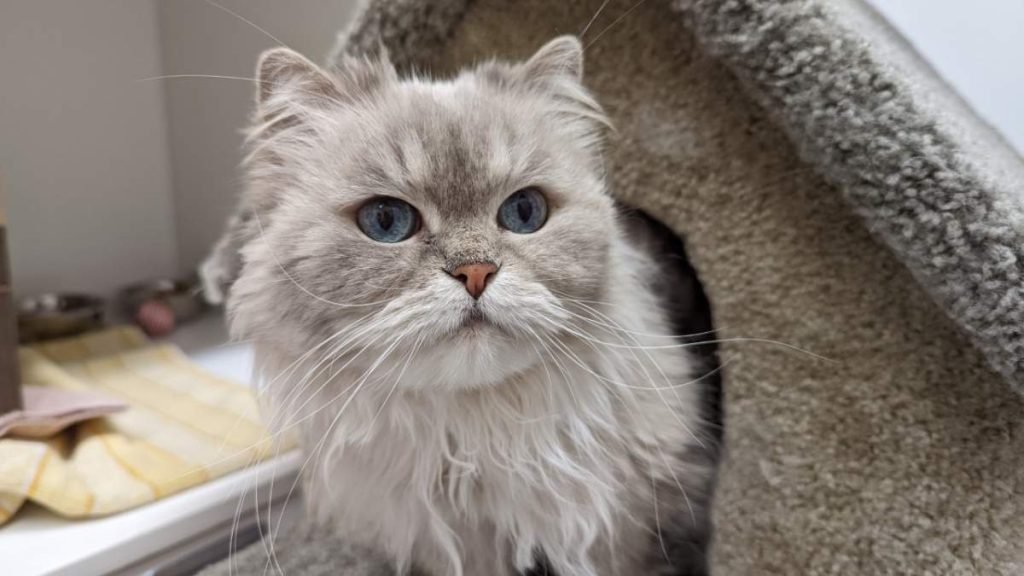
If you have a Himalayan cat or are thinking about bringing one into your home, understanding their health is crucial. These beautiful, fluffy cats are known for their striking looks, but they can face some unique health problems.
Knowing what to watch for can help you keep your furry friend happy and healthy for years to come. You’ll discover the most common health issues Himalayan cats face and learn how you can spot the signs early. Keep reading to protect your pet and give them the best care possible.

Credit: www.purina.com
Common Health Issues
Himalayan cats are beautiful and gentle pets. They have unique features that make them special. These cats also have some health issues common to their breed. Knowing these problems helps owners keep their cats healthy and happy.
Some health problems affect Himalayan cats more than other breeds. Early care and regular vet visits can reduce risks. Understanding these common issues supports better pet care.
Respiratory Problems
Himalayan cats have flat faces, which can cause breathing trouble. Their short noses may lead to blocked airways. This condition makes it hard for them to breathe well. Signs include noisy breathing and coughing.
Keep their living area clean and avoid smoke. Regular check-ups can catch problems early.
Dental Disease
Dental issues are common in Himalayans. Their teeth may develop plaque and tartar easily. This can cause gum disease and pain. Watch for bad breath or difficulty eating.
Brushing their teeth and dental cleanings help prevent problems. Healthy teeth improve their overall well-being.
Kidney Concerns
Kidney disease affects many Himalayan cats as they age. Symptoms include frequent urination and weight loss. It is important to spot signs early for better treatment.
Provide fresh water and a balanced diet. Regular vet visits can monitor kidney health closely.
Eye Conditions
Himalayans often have watery or irritated eyes. They are prone to tear duct problems and infections. Keep their face clean to reduce eye issues.
Some eye conditions may need medication. Prompt care protects their vision and comfort.

Credit: zigly.com
Preventive Care
Preventive care is key to keeping Himalayan cats healthy and happy. It helps catch health problems early. It also stops many diseases from developing. Regular attention to their health makes a big difference. Owners can ensure their pets live longer and feel better.
Regular Vet Visits
Schedule vet visits every six months. Vets check for signs of illness. They examine teeth, eyes, and skin. Early detection helps treat problems fast. Vaccinations and parasite checks are done during visits. Keep a record of all vet appointments.
Vaccination Schedule
Follow a proper vaccination plan. Core vaccines protect against serious diseases. Cats need boosters to maintain immunity. Kittens require more frequent shots. Talk to the vet about the right schedule. Vaccines keep your Himalayan safe from infections.
Parasite Control
Parasites harm cats by causing discomfort and illness. Use vet-recommended treatments regularly. Treat for fleas, ticks, and worms. Check your cat’s fur and skin often. Keep their living area clean. Parasite control prevents many common health issues.
Nutrition And Diet
Nutrition plays a key role in keeping Himalayan cats healthy. Their diet affects energy, coat quality, and overall well-being. Proper feeding supports their unique needs and helps prevent common health problems. Understanding what to feed and avoid ensures your Himalayan cat stays strong and happy.
Balanced Feeding
A balanced diet includes proteins, fats, and carbohydrates. High-quality protein supports muscle and skin health. Healthy fats keep their coat soft and shiny. Carbohydrates provide energy but should be limited.
Feed your Himalayan cat commercial cat food labeled for all life stages. Look for formulas with real meat as the first ingredient. Include wet food to increase moisture intake. Avoid foods with fillers like corn or soy.
Foods To Avoid
- Onions and garlic: Cause red blood cell damage.
- Chocolate: Toxic to cats, can cause seizures.
- Grapes and raisins: Lead to kidney failure.
- Raw eggs and meat: Risk of bacteria and enzyme issues.
- Dairy products: Many cats are lactose intolerant.
- Excessive treats: Can cause weight gain and imbalance.
Keep human snacks away. Even small amounts can harm your cat.
Hydration Tips
Himalayan cats need plenty of water to avoid urinary problems. Fresh water should be available at all times. Clean the water bowl daily to encourage drinking.
Offer wet food regularly. It has high moisture content. Some cats prefer running water, so try a cat water fountain. It may increase their water intake.
Grooming Needs
Himalayan cats need regular grooming to stay healthy and comfortable. Their thick coats can tangle easily. Grooming helps prevent mats and skin problems. It also keeps their fur shiny and soft. Besides fur care, nails and ears need attention too. Proper grooming supports overall well-being.
Coat Maintenance
Himalayan cats have long, dense fur. Brush them daily to stop tangles and mats. Use a wide-tooth comb for tough knots. Follow with a soft brush to smooth the coat. Bathing once a month helps remove dirt and oils. Dry the fur gently to avoid skin irritation.
Nail Trimming
Trim Himalayan cat nails every two weeks. Long nails can cause discomfort and damage furniture. Use a pet nail clipper made for cats. Avoid cutting the pink part, called the quick. If unsure, trim little by little. Reward your cat to make the process easier.
Ear Cleaning
Check ears weekly for dirt and wax build-up. Clean ears with a damp cotton ball or soft cloth. Never insert objects deep into the ear canal. Use a vet-approved ear cleaner if needed. Keep ears dry to prevent infections. Clean ears help avoid ear mites and bad odors.
Exercise And Enrichment
Keeping your Himalayan cat active and engaged is key to preventing common health problems. Exercise and enrichment not only support their physical well-being but also help reduce stress and behavioral issues. You might be surprised how a few simple changes in your home can make a big difference in your cat’s happiness and health.
Physical Activity
Himalayan cats benefit from regular physical activity to maintain a healthy weight and strong muscles. Short play sessions with toys like feather wands or laser pointers encourage movement without overwhelming them. Consider setting daily play routines to keep your cat motivated and prevent obesity-related health issues.
Have you noticed how your cat reacts to different types of toys? Some prefer chasing, while others enjoy pouncing. Pay attention to these preferences to tailor exercise that feels like fun, not a chore.
Mental Stimulation
Keeping your Himalayan’s mind sharp helps avoid boredom, which can lead to anxiety or destructive behavior. Puzzle feeders and treat-dispensing toys are excellent tools that challenge their problem-solving skills. Even simple hiding spots or new scents can spark curiosity and keep their brain active.
Try rotating toys regularly or introducing new challenges to keep their interest alive. Have you ever seen your cat figure out a puzzle feeder? It’s a rewarding sight that proves how much they enjoy mental exercise.
Safe Play Areas
Creating a safe and stimulating environment is essential for your Himalayan’s exercise and enrichment. Designate areas free from sharp objects or hazards where your cat can explore and play freely. Cat trees, window perches, and soft mats provide comfort and encourage natural behaviors like climbing and lounging.
Think about your home from your cat’s perspective. Are there enough places for them to retreat, climb, or observe? Making these adjustments can prevent injuries and boost their confidence.
Credit: pethelpful.com
Signs Of Illness
Recognizing the signs of illness in your Himalayan cat early can make all the difference in their health and happiness. These cats are known for their calm and affectionate nature, so any change in behavior or appearance should catch your attention quickly. Paying close attention to subtle shifts can help you act before minor issues turn serious.
Behavioral Changes
Have you noticed your Himalayan cat becoming unusually withdrawn or less playful? A drop in energy or reluctance to interact can indicate discomfort or pain. Similarly, if your cat suddenly starts hiding more often or shows aggression, it might be trying to tell you something is wrong.
Changes in appetite also signal health problems. If your cat eats significantly less or more than usual, or suddenly refuses favorite treats, it’s worth investigating. Keep an eye on their litter box habits too—frequent urination or accidents outside the box may point to urinary or digestive issues.
Physical Symptoms
Physical signs can be easier to spot but often appear after behavioral changes. Look for:
- Persistent coughing or sneezing
- Discharge from eyes or nose
- Swollen or red gums
- Unexplained weight loss or gain
- Visible lumps or bumps on the body
- Difficulty breathing or wheezing
One time, my Himalayan developed crusty eyes and stopped grooming properly. This was an early sign of an eye infection that required prompt treatment. Catching these signs early helped prevent more serious complications.
When To Seek Help
Deciding when to call the vet can be challenging. If your cat shows any sudden or severe symptoms like difficulty breathing, continuous vomiting, or extreme lethargy, seek immediate care.
For milder but persistent signs such as changes in behavior or physical symptoms lasting more than a day or two, schedule a vet visit. Don’t hesitate to ask your vet questions; they can guide you on what to watch for at home.
Have you ever caught a health issue in your Himalayan early? Sharing your experience could help others recognize these signs faster.
Frequently Asked Questions
What Are Common Health Issues In Himalayan Cats?
Himalayan cats often face respiratory problems, dental issues, and kidney disease. They may also develop polycystic kidney disease (PKD). Regular vet check-ups help catch these early. Proper care and diet can reduce risks and improve their quality of life.
How To Prevent Kidney Disease In Himalayan Cats?
To prevent kidney disease, ensure your Himalayan cat has a balanced diet and fresh water. Regular vet visits and screenings are crucial. Avoid high-sodium foods and provide a stress-free environment. Early detection helps manage kidney issues effectively.
Do Himalayan Cats Have Genetic Health Problems?
Yes, Himalayan cats can inherit genetic problems like polycystic kidney disease (PKD) and respiratory issues. Responsible breeding reduces these risks. Genetic testing before adoption is recommended to ensure a healthier pet.
How Often Should Himalayan Cats Visit The Vet?
Himalayan cats should visit the vet at least once a year. Older cats or those with health concerns may need more frequent check-ups. Regular vet visits help monitor and manage potential health problems early.
Conclusion
Himalayan cats need regular health checks to stay happy and strong. Watch for signs of common problems like breathing issues or eye infections. Early care helps prevent serious illness. Feeding them a balanced diet supports their well-being. Keep their living area clean and safe.
Regular vet visits catch health issues early. Loving attention and good care make a big difference. Understanding their health needs helps your cat live longer. Stay informed and act fast when problems appear. Healthy Himalayans bring joy to any home.
