

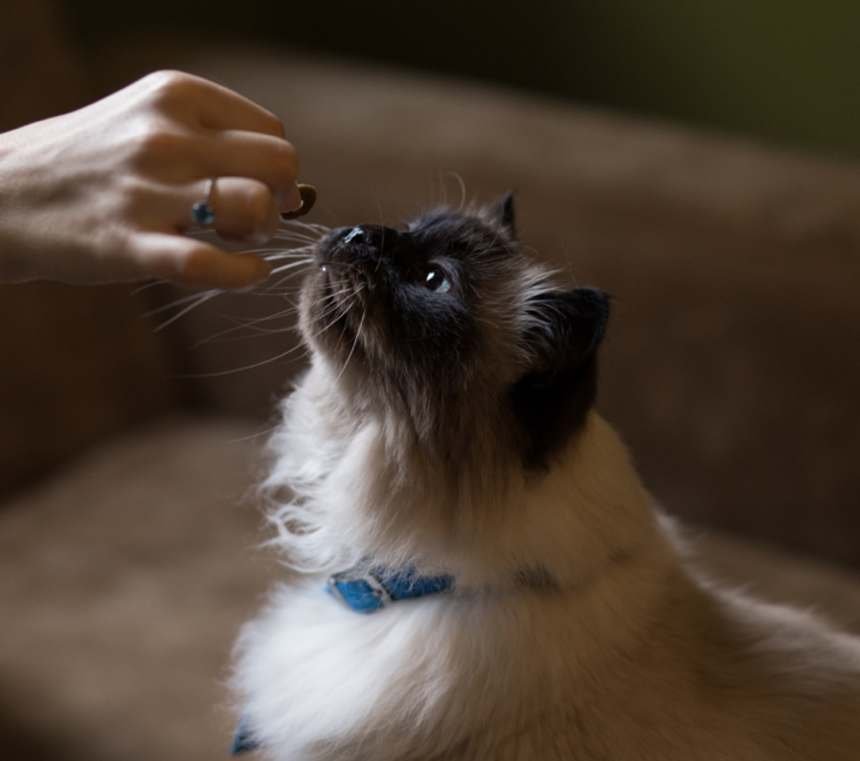
If you have a Himalayan cat or are thinking about bringing one into your home, understanding their health is crucial. These beautiful cats are known for their striking looks and gentle nature, but they can face specific health challenges.
Knowing what to watch for can help you keep your furry friend happy and healthy. You’ll discover the common health issues Himalayan cats face and learn simple ways to protect your pet. Keep reading to ensure you’re giving your Himalayan the best care possible.
Credit: www.petscare.com
Common Health Issues
Himalayan cats are beautiful and affectionate companions, but they come with a set of health challenges you should be aware of. Understanding these common health issues can help you spot problems early and provide the best care. Are you ready to learn what to watch for in your Himalayan’s health?
Respiratory Problems
Himalayans have flat faces, which can cause breathing difficulties. This brachycephalic feature may lead to noisy breathing or snoring. If your cat shows signs of labored breathing or frequent sneezing, it’s time to consult your vet.
Keeping your home free of smoke and strong scents can help reduce irritation. Have you noticed your cat struggling with breathing during play or rest?
Dental Disease
Dental issues are common in Himalayans due to their jaw structure. Plaque buildup can quickly lead to gum disease and tooth loss. Regular teeth brushing and dental check-ups are essential to keep their mouth healthy.
Look for bad breath or difficulty eating as early warning signs. Could your Himalayan benefit from a dental cleaning soon?
Kidney Disorders
Kidney problems, including polycystic kidney disease (PKD), affect many Himalayan cats. This genetic condition causes cysts to form in the kidneys, impairing function over time. Early detection through ultrasound screenings can make a big difference.
Ensure your cat drinks plenty of water and has a balanced diet to support kidney health. Are you monitoring your cat’s water intake and urination habits?
Eye Conditions
Himalayans often suffer from eye problems like excessive tearing and infections. Their large, round eyes can be prone to irritation and blocked tear ducts. Cleaning their eyes gently and watching for redness or discharge is important.
Have you noticed your cat’s eyes watering more than usual? Prompt care can prevent serious issues.
Skin And Coat Concerns
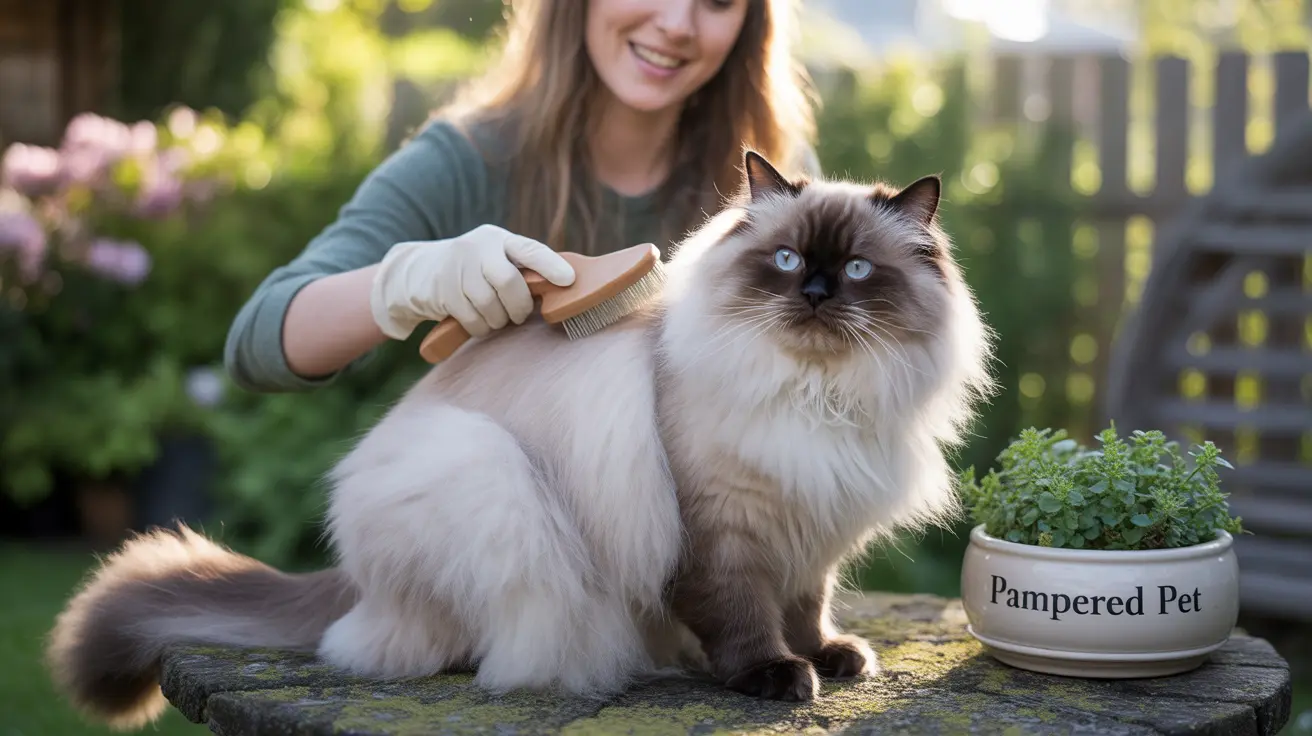
The thick, long fur of a Himalayan requires regular grooming to avoid mats and skin infections. Their dense coat can trap dirt and moisture, leading to irritation. Brushing several times a week and checking for hot spots keeps their skin healthy.
Does your cat enjoy grooming sessions, or do they need a little extra help to stay comfortable?
Nutrition And Diet
Nutrition plays a crucial role in the health and well-being of your Himalayan cat. A carefully planned diet can help prevent common health issues like obesity, kidney problems, and dental disease. Understanding what your cat needs and what to avoid ensures they stay lively and happy for years.
Balanced Meal Plans
Your Himalayan cat thrives on a diet rich in high-quality protein and moderate fats. Protein supports their muscle health, while fats provide energy and maintain a shiny coat. You can feed a mix of wet and dry food, but always check that the ingredients list real meat as the first item.
Consider dividing meals into small portions throughout the day to prevent overeating and promote digestion. Homemade meals can work well if you include lean meats like chicken or turkey, a bit of cooked veggies, and a vet-approved supplement for essential nutrients.
Foods To Avoid
Some common foods are harmful to Himalayan cats and should never be given. Avoid onions, garlic, chocolate, and anything with caffeine as these can cause serious toxicity. Dairy products might seem harmless but many cats are lactose intolerant and may develop upset stomachs.
Grains and fillers offer little nutritional value and may lead to weight gain or allergies. Be cautious with treats—too many can lead to obesity and dental problems. Always read labels carefully and question if a treat is truly beneficial or just empty calories.
Supplements For Health
Supplements can support your Himalayan’s health but only if used correctly. Omega-3 fatty acids help reduce inflammation and keep their skin and coat healthy. Probiotics improve digestion and boost the immune system, especially if your cat has had antibiotics.
Before adding any supplement, consult your vet to avoid overdosing or harmful interactions. Remember, supplements should enhance a balanced diet, not replace it. Have you ever noticed changes in your cat’s coat or energy after adjusting their diet or adding supplements?
Regular Grooming
Regular grooming is essential for Himalayan cats to stay healthy and comfortable. Their long, thick fur can easily tangle and mat without proper care. Grooming also helps prevent skin problems and reduces shedding. It creates a bond between you and your pet, making them feel safe and loved.
Brushing Techniques
Brush your Himalayan cat daily to avoid mats and knots. Use a wide-toothed comb first to detangle fur gently. Follow with a soft-bristle brush to smooth the coat and remove loose hair. Brush in the direction of hair growth. Be gentle around sensitive areas like the belly and behind the ears.
Bathing Tips
Bathing helps keep your cat’s coat clean and shiny. Use a mild cat shampoo made for sensitive skin. Wet your cat slowly with lukewarm water, avoiding the eyes and ears. Lather shampoo gently, then rinse thoroughly. Dry your cat with a soft towel and keep them warm until fully dry. Limit baths to once a month or as needed.
Nail And Ear Care
Trim your cat’s nails every two weeks to prevent scratches and overgrowth. Use a proper cat nail clipper and avoid cutting the quick. Check ears weekly for dirt, wax, or signs of infection. Clean ears with a damp cotton ball or a vet-approved ear cleaner. Never insert objects deep into the ear canal.
Credit: cats.com
Exercise And Mental Stimulation
Keeping your Himalayan cat active and mentally sharp is crucial for its overall health. These cats are intelligent and curious, so regular exercise and mental stimulation prevent boredom and related health issues. You might be surprised how simple activities can transform your cat’s mood and well-being.
Playtime Activities
Engaging your Himalayan in play is one of the easiest ways to boost their physical and mental health. Use wand toys or laser pointers to encourage chasing and pouncing, which helps maintain a healthy weight and strong muscles.
Rotate toys frequently to keep your cat interested. Puzzle feeders are excellent because they challenge your cat to think while rewarding them with treats. Have you noticed how your cat’s eyes light up when they solve a puzzle? That’s mental stimulation at work.
Environmental Enrichment
Your cat’s environment should offer more than just food and water. Adding climbing shelves or cat trees encourages natural climbing instincts and helps exercise different muscle groups.
Consider creating hiding spots or cozy nooks where your Himalayan can retreat and feel secure. Introducing new scents or safe plants like catnip or cat grass can also provide interesting sensory experiences.
What small changes can you make today to turn your home into a stimulating playground for your Himalayan?
Routine Vet Visits
Keeping your Himalayan cat healthy means staying on top of routine vet visits. These checkups help catch any health issues early, especially since Himalayan cats can be prone to specific conditions. Regular vet visits offer a chance to discuss any changes in behavior or physical condition you’ve noticed.
Vaccination Schedule
Vaccinations protect your cat from serious diseases like feline leukemia and rabies. Your vet will recommend a schedule tailored to your Himalayan’s age and lifestyle. Kittens usually get a series of shots every few weeks until about four months old, then boosters as they grow.
Missing vaccinations can leave your cat vulnerable. Have you ever skipped a booster and regretted it? Staying consistent with vaccinations is one of the best defenses you can provide.
Health Screenings
Himalayan cats often face genetic conditions like polycystic kidney disease (PKD) and respiratory issues. Regular screenings can catch these problems before they become serious. Blood tests, ultrasounds, and eye exams are common checks your vet might recommend.
Think about how early detection could save your pet from discomfort. Scheduling annual or bi-annual screenings gives you peace of mind and helps your cat live a longer, healthier life.
Parasite Prevention
Parasites like fleas, ticks, and worms can cause major health problems for your Himalayan. Preventive treatments are essential and come in many forms—topical, oral, or injectable. Your vet will guide you on the best options based on your cat’s environment and lifestyle.
Ignoring parasite prevention could lead to infections or allergic reactions. Are you prepared to protect your cat from these unseen threats? Regular vet visits ensure your parasite prevention plan stays up-to-date and effective.
Recognizing Warning Signs
Recognizing warning signs in your Himalayan cat is vital for early health care. Cats often hide pain or illness, so careful observation is key. Noticing subtle changes can help prevent serious issues.
Behavioral Changes
Watch for shifts in your cat’s normal behavior. Less activity or hiding more than usual may signal discomfort. Sudden aggression or irritability can indicate pain or stress. Changes in eating or drinking habits also matter. A healthy Himalayan cat usually maintains a steady routine.
Physical Symptoms
- Unexplained weight loss or gain
- Difficulty breathing or coughing
- Excessive scratching or hair loss
- Swollen or red eyes
- Changes in coat quality or grooming habits
- Vomiting or diarrhea lasting more than a day
- Limping or stiffness in movement
These physical signs often point to underlying health issues. Early detection improves treatment success.
When To Seek Help
Contact a veterinarian if you notice persistent or severe symptoms. Sudden changes in behavior or physical condition require prompt attention. Don’t wait for symptoms to worsen. Timely care can save your cat’s life and reduce suffering.

Credit: globalnews.ca
Frequently Asked Questions
What Are Common Health Issues In Himalayan Cats?
Himalayan cats often face respiratory problems, kidney disease, and dental issues. They are prone to polycystic kidney disease (PKD) and eye conditions like cataracts. Regular vet check-ups help detect these problems early and ensure better health management for your Himalayan cat.
How Can I Prevent Health Problems In Himalayan Cats?
Prevent Himalayan cat health issues by providing a balanced diet and regular exercise. Schedule routine veterinary visits for early detection of diseases. Maintain good grooming habits and monitor for any changes in behavior or appetite. Early intervention is key to preventing serious complications.
Do Himalayan Cats Have Genetic Health Risks?
Yes, Himalayan cats have genetic risks including polycystic kidney disease (PKD) and progressive retinal atrophy (PRA). These inherited conditions can affect kidney function and vision. Responsible breeding and genetic testing help reduce the risk of passing these diseases to kittens.
How Often Should Himalayan Cats Visit The Vet?
Himalayan cats should visit the vet at least once a year for routine check-ups. Older cats or those with health issues may need more frequent visits. Regular exams help catch health problems early and keep your cat in optimal condition.
Conclusion
Himalayan cats need regular care to stay healthy. Watch for signs of common health issues early. A good diet and vet visits help prevent problems. Keep their living space clean and safe. Remember, healthy cats live happier, longer lives. Caring for your Himalayan cat means less worry.
Small steps make a big difference in their health. Stay informed and act quickly if you notice changes. Your cat depends on you for a healthy life.
