

Are you looking for the best way to keep your cat healthy and full of energy? Choosing the right food plays a huge role in your cat’s well-being.
High protein dry cat food might be exactly what your furry friend needs. It supports strong muscles, shiny fur, and overall vitality. But with so many options out there, how do you know which one is right for your cat?
Keep reading to discover how high protein dry cat food can make a real difference in your pet’s life—and how to pick the perfect one for your home.
Benefits Of High Protein Cat Food
High protein dry cat food supports a cat’s natural diet and health needs. Cats are obligate carnivores. They require protein to stay strong and active. Choosing food rich in protein benefits cats at every life stage. It helps maintain muscle, boosts energy, and controls weight effectively.
Improved Muscle Maintenance
Protein builds and repairs muscle tissues. Cats need enough protein to keep muscles strong. High protein food helps prevent muscle loss. This is especially important for older cats. It supports mobility and overall health. Muscles stay firm and functional with proper protein intake.
Enhanced Energy Levels
Protein provides a steady energy source for cats. It fuels their daily activities and playtime. Cats digest protein slowly, keeping energy stable. This helps reduce tiredness and lethargy. Active cats benefit from high protein diets. They stay lively and alert throughout the day.
Better Weight Management
High protein diets help cats feel full longer. This reduces overeating and unhealthy snacking. Protein boosts metabolism, aiding fat burning. It helps maintain a healthy body weight. Overweight cats can benefit from controlled protein intake. Proper weight supports heart and joint health.

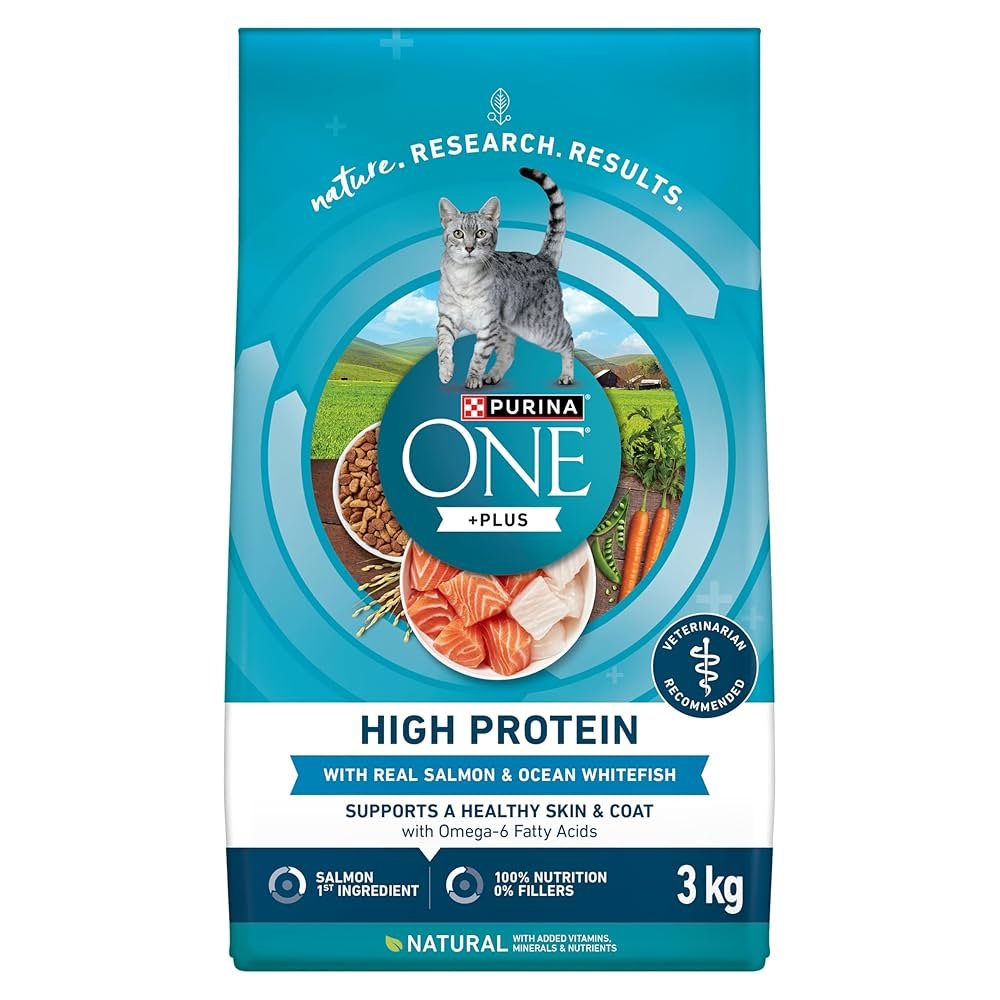
Credit: www.amazon.com
Key Ingredients To Look For
Choosing the right dry cat food means knowing which ingredients matter most. High protein content is essential, but the source and quality of that protein play a bigger role. Good cat food supports muscle health, energy, and overall well-being.
Look for ingredients that meet a cat’s natural diet needs. Cats need proteins, specific amino acids, and vitamins to stay healthy. Understanding these key ingredients helps make better choices for your feline friend.
Animal-based Proteins
Cats are obligate carnivores, so animal proteins are a must. Ingredients like chicken, turkey, fish, and beef provide real meat sources. These proteins are easier for cats to digest and absorb. Avoid foods relying on plant proteins like corn or soy as the main protein source.
- Chicken or turkey meal
- Salmon or fish meal
- Beef or lamb meal
Essential Amino Acids
Amino acids are the building blocks of protein. Cats need taurine and arginine, which they cannot produce enough of themselves. Taurine supports heart function and vision. Arginine helps remove ammonia from the body. Check for these amino acids to ensure your cat’s diet is complete.
Added Vitamins And Minerals
Vitamins and minerals keep cats healthy and active. Look for added vitamin A, D, E, and B-complex. Minerals like calcium, phosphorus, and zinc support bones and immune health. A balanced formula includes these nutrients in the right amounts.
- Vitamin A for skin and eyes
- Calcium for strong bones
- Zinc for immune support
Choosing The Right Dry Cat Food
Choosing the right dry cat food can feel overwhelming with so many options on the shelf. But focusing on key factors can make this decision easier and ensure your feline friend stays healthy and happy. Pay close attention to what’s inside the bag, how it fits your cat’s needs, and what to avoid.
Reading Nutrition Labels
Nutrition labels hold the secrets to what your cat will actually eat and digest. Look for clear information about protein sources—real meat or fish should be listed first. Avoid vague terms like “meat by-products” or “animal digest,” which can hide low-quality ingredients.
Check the guaranteed analysis for protein content. Cats need a diet high in protein to support their muscles and energy. Ideally, dry cat food should have at least 30% protein, but always consider the source of that protein too.
Avoiding Fillers And Additives
Fillers like corn, wheat, and soy add bulk but little nutritional value. These can cause allergies or digestive issues in some cats. You want to avoid foods that rely heavily on these ingredients.
Artificial colors, flavors, and preservatives don’t benefit your cat’s health. Some preservatives can even harm your cat over time. Look for natural options or foods that use mixed tocopherols (vitamin E) as preservatives instead.
Considering Life Stage And Activity Level
Is your cat a playful kitten, a sedentary senior, or somewhere in between? Nutritional needs change with age and activity. Kittens and active cats require more protein and calories, while older or less active cats need fewer calories to avoid weight gain.
Think about your cat’s lifestyle when choosing food. A high protein formula tailored for growth suits young cats, while senior formulas often include joint support. Matching food to your cat’s life stage can improve their wellbeing significantly.
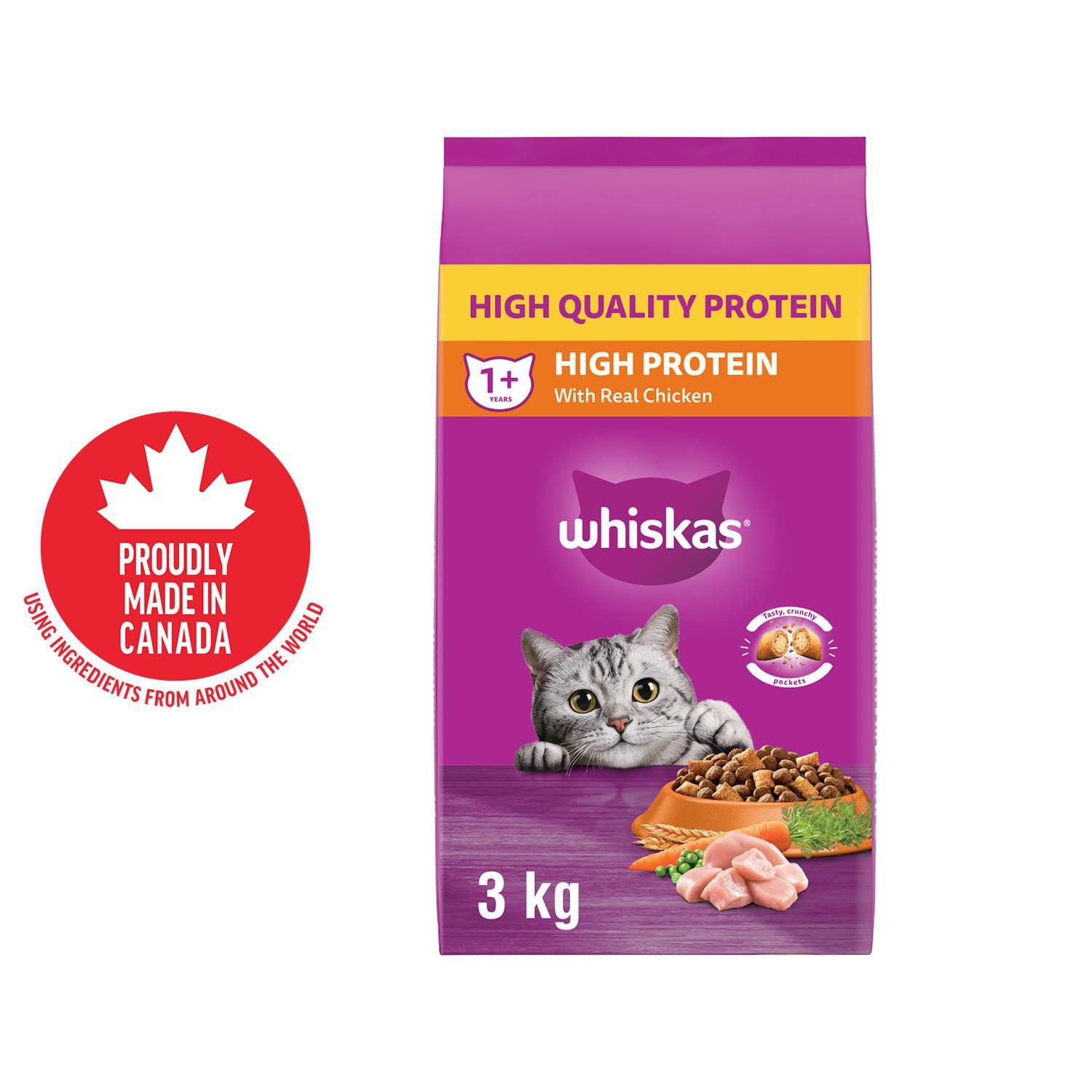
Credit: www.walmart.ca
Common Myths About Protein In Cat Food
Protein in cat food often sparks debates filled with myths and misunderstandings. These myths can confuse you about what your feline friend truly needs. Clearing up these misconceptions helps you make smarter choices for your cat’s health and happiness.
Too Much Protein Harms Cats
Many believe feeding high protein harms cats’ kidneys or causes other health issues. However, cats are obligate carnivores built to digest and use protein efficiently. Unless your cat has a specific medical condition, a high-protein diet usually supports muscle maintenance and energy.
Have you noticed your cat thriving on a protein-rich diet? That’s because their bodies are designed to handle it well. Always check with your vet if you’re worried, but don’t avoid protein based on fear alone.
Protein Equals Weight Gain
Some pet owners think protein automatically leads to weight gain in cats. Weight gain happens when cats consume more calories than they burn, regardless of the source. Protein actually helps keep cats full and lean by supporting muscle mass.
Think about it: would your cat prefer a filling, balanced meal or snacks that leave them hungry? High protein can help control appetite and reduce overeating, which often causes weight issues.
Plant Proteins Are Equally Beneficial
There’s a common idea that plant proteins can replace animal proteins in cat food. Cats need specific amino acids like taurine that are found only in animal proteins. Plant proteins lack these essential nutrients and don’t provide the complete nutrition cats require.
If you want your cat to stay healthy and active, focus on foods with quality animal protein sources. Can your cat’s health really rely on a plant-based protein alone? Most vets would say no.
Tips For Transitioning To High Protein Dry Food
Switching your cat to high protein dry food needs care and patience. Sudden changes can upset your cat’s stomach. Follow simple steps to make the shift smooth and stress-free. Watch how your cat reacts to the new food. Adjust the process based on your cat’s comfort and health.
Gradual Mixing Techniques
Start by mixing a small amount of high protein dry food with your cat’s current food. Increase the new food portion slowly over 7 to 10 days. This helps your cat get used to the taste and texture.
- Day 1-3: Mix 25% new food with 75% old food.
- Day 4-6: Mix 50% new food with 50% old food.
- Day 7-9: Mix 75% new food with 25% old food.
- Day 10: Serve 100% new high protein dry food.
Keep food fresh and store it in a sealed container. This maintains flavor and nutrition.
Monitoring Cat’s Response
Observe your cat’s eating habits and behavior daily. Check for signs of digestive upset, such as vomiting or diarrhea. Notice any changes in energy or mood.
- Ensure your cat drinks enough water.
- Look for healthy stool consistency.
- Watch for any food refusal or picky eating.
Adjust the transition speed if your cat shows discomfort. Give more time to adapt before increasing new food.
When To Consult A Veterinarian
Contact your vet if your cat has persistent vomiting or diarrhea. Seek advice if your cat refuses to eat for more than two days. Consult the vet about food allergies or special dietary needs.
Your vet can recommend the best high protein options. They help ensure your cat stays healthy during the diet change.
Top Brands Offering High Protein Dry Cat Food
Finding the right high protein dry cat food can transform your cat’s health and energy levels. Several top brands have perfected their recipes to offer balanced nutrition packed with quality protein. Whether you want premium ingredients, affordable options, or special dietary formulas, there’s a brand tailored to your cat’s needs.
Premium Options
Premium brands focus on using high-quality animal proteins and natural ingredients. Blue Buffalo Wilderness and Orijen are standout names here. They use real chicken, turkey, or fish as the main ingredient, avoiding fillers like corn or wheat.
These brands often include added vitamins and antioxidants to support your cat’s immune system. Their recipes can cost more, but many cat owners notice improved coat shine and vitality. Have you seen your cat’s energy change after switching to a premium formula?
Budget-friendly Choices
High protein dry cat food doesn’t always mean expensive. Brands like Purina Pro Plan and Iams offer affordable formulas that still prioritize protein quality. These are great if you want to boost your cat’s diet without stretching your budget.
Although they may use some grains, these options provide balanced nutrition and meet AAFCO standards. They’re widely available in stores and online, making feeding your cat easier and cost-effective. What’s your experience with affordable cat foods that deliver on protein?
Specialty Formulas
If your cat has specific health needs, specialty formulas can be a game-changer. Hill’s Science Diet and Natural Balance provide high protein options tailored for weight management, sensitive stomachs, or allergies.
These brands often blend novel proteins like duck or venison to reduce allergic reactions. Their formulas are crafted with veterinary input, ensuring your cat gets targeted support. Do you know if your cat could benefit from a specialty protein blend?
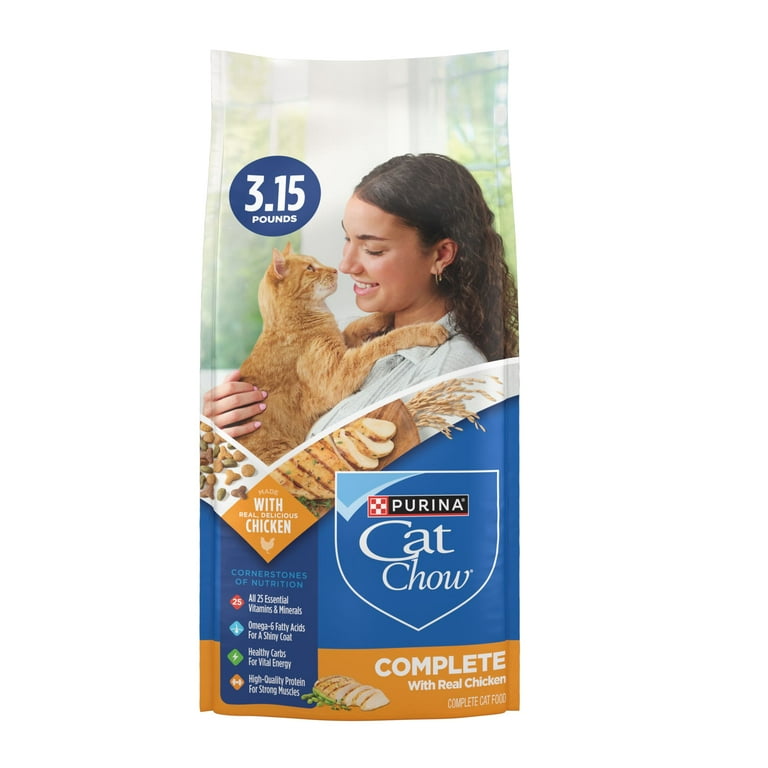
Credit: www.walmart.com
Frequently Asked Questions
What Are The Benefits Of High Protein Dry Cat Food?
High protein dry cat food supports muscle growth and energy. It improves coat health and aids weight management. Cats are obligate carnivores, so protein is essential for their overall well-being.
How Much Protein Should Dry Cat Food Contain?
Dry cat food should contain at least 30-40% protein. This range meets most cats’ dietary needs. Higher protein levels help active, growing, or senior cats maintain health.
Can High Protein Dry Cat Food Help Overweight Cats?
Yes, high protein dry cat food helps overweight cats. It promotes lean muscle mass and reduces fat. Protein also increases satiety, preventing overeating and supporting weight loss.
Is High Protein Dry Cat Food Suitable For All Cats?
Most cats benefit from high protein dry food, but consult your vet. Cats with kidney issues may need special diets. Always choose food based on your cat’s health.
Conclusion
High protein dry cat food supports your cat’s health and energy. Cats need protein for strong muscles and a shiny coat. Choosing the right food helps keep them happy and active. Always check the ingredients to ensure quality protein sources.
Feeding high protein food fits well with a cat’s natural diet. Remember, a healthy diet leads to a longer, better life for your pet. Take time to find the best option for your cat today.
