

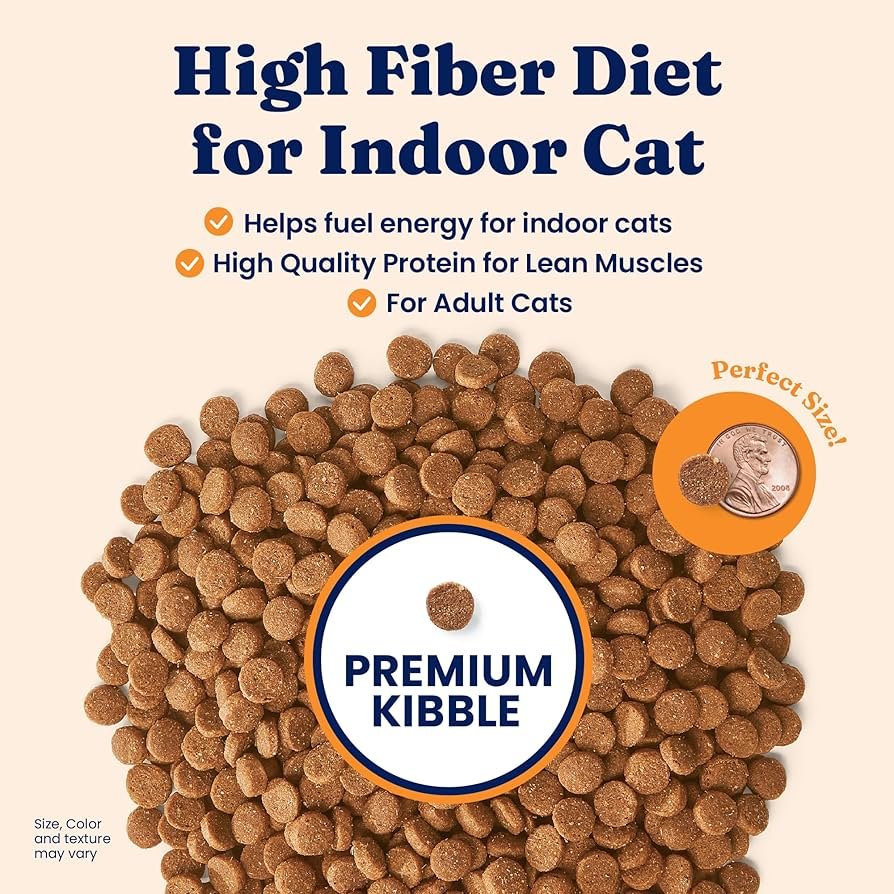
If you care about your cat’s health, you already know that what they eat matters a lot. But have you ever thought about the fiber in their food?
High fiber cat food could be the key to better digestion, weight control, and overall well-being for your furry friend. You might be wondering why fiber is so important and how to choose the right food. Keep reading, and you’ll discover simple, effective ways to improve your cat’s health starting with what’s in their bowl.
Credit: www.chewy.com
Benefits Of High Fiber Diets For Cats
Adding high fiber cat food to your pet’s diet can bring surprising benefits that you might not have considered. Fiber plays a crucial role in keeping your cat’s body running smoothly. You may notice changes in their energy levels, digestion, and overall well-being once fiber becomes a regular part of their meals.
Improved Digestion
Fiber helps regulate your cat’s digestive system by adding bulk to their stool. This makes bowel movements easier and prevents constipation.
If your cat struggles with irregular digestion, a high fiber diet can promote a healthier gut environment. Have you ever seen your cat strain to go to the litter box? Fiber can make that a rare sight.
Weight Management
High fiber foods tend to be lower in calories but fill your cat up faster. This means your cat can feel satisfied without overeating.
Managing your cat’s weight isn’t just about looks—it reduces risks of diabetes and joint problems. Could a simple switch to high fiber food help your cat maintain a healthy weight?
Reduced Hairballs
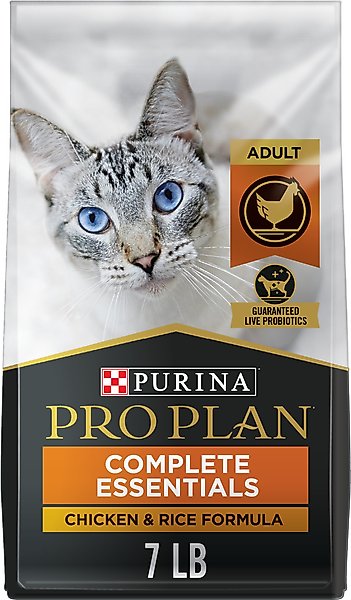
Fiber helps move ingested hair through the digestive tract more efficiently. This reduces the number of hairballs your cat coughs up or swallows again.
Regular fiber intake can ease the discomfort hairballs cause. If your cat often hacks or gags, high fiber food might be the relief they need.

Credit: www.amazon.com
Types Of Fiber In Cat Food
Fiber is a key ingredient in cat food that supports digestion and overall health. It helps keep your cat’s digestive system working smoothly. Fiber comes in two main types, each with different benefits for your cat’s body. Knowing these types helps you choose the right cat food for better nutrition and comfort.
Soluble Fiber Sources
Soluble fiber dissolves in water and forms a gel-like substance. This fiber slows digestion and helps absorb nutrients better. It also feeds healthy gut bacteria, improving digestion and immune health.
- Oats
- Psyllium husk
- Beet pulp
- Apples (in small amounts)
- Barley
These sources add gentle bulk to stool and support a healthy digestive tract.
Insoluble Fiber Sources
Insoluble fiber does not dissolve in water. It adds bulk to the stool and helps move waste quickly through the intestines. This type helps prevent constipation by encouraging regular bowel movements.
- Cellulose
- Pea fiber
- Whole grains
- Carrots
- Rice bran
Insoluble fiber keeps the digestive system active and promotes a clean colon.
Signs Your Cat Needs More Fiber
Recognizing when your cat needs more fiber can improve their health and comfort significantly. Fiber plays a key role in digestion and bowel regularity, so subtle changes in your cat’s behavior or bathroom habits might be clues. Paying attention to these signs helps you act quickly and keep your feline friend happy.
Constipation Symptoms
Is your cat straining or spending more time in the litter box? Constipation often shows up as difficulty passing stools or very hard, dry stools. You might notice your cat licking their rear excessively or appearing uncomfortable after using the litter box.
These signs suggest their digestive system isn’t moving waste smoothly, which fiber can help fix. Adding fiber to their diet can soften stools and ease bowel movements.
Diarrhea And Fiber Balance
Diarrhea can be tricky—it might mean your cat needs more fiber, or it could signal too much fiber. Fiber helps regulate the gut by absorbing water and bulking up stools, but too much can cause loose stools or upset stomach.
If your cat’s diarrhea is frequent or watery, consider if their fiber intake is balanced. Adjusting fiber gradually can help stabilize their digestion and prevent discomfort.
Changes In Stool Quality
Healthy cat stools should be firm and easy to pick up, not too hard or too soft. Notice if the texture or size of your cat’s stool changes suddenly. Smaller, pellet-like stools or very large, mushy stools both hint at fiber imbalance.
Tracking these changes gives you practical clues about your cat’s diet and digestive health. Are you observing any shifts that could point to fiber needs?
Choosing The Right High Fiber Cat Food
Choosing the right high fiber cat food can feel overwhelming with so many options on the market. Yet, understanding what to look for can make a big difference in your cat’s health. Fiber helps regulate digestion and can prevent hairballs, but not all fiber is created equal.
Reading Ingredient Labels
Check the ingredient list carefully to see what types of fiber are included. Look for whole food sources like pumpkin, peas, or beet pulp rather than vague terms like “fiber” or “cellulose.”
Also, pay attention to the order of ingredients—items listed first make up the largest part of the food. If fiber sources are buried near the end, the food might not have enough to benefit your cat.
Natural Vs. Synthetic Fibers
Natural fibers come from fruits, vegetables, and grains, offering additional nutrients alongside fiber. Synthetic fibers, such as powdered cellulose, add fiber but lack vitamins and minerals.
Think about your cat’s preferences and sensitivity. Some cats may react better to natural fibers, while others tolerate synthetic ones without issue. Have you noticed your cat’s digestion change after switching foods?
Consulting Your Veterinarian
Your vet knows your cat’s health history and can recommend the best fiber type and amount. Fiber needs vary depending on age, weight, and any digestive issues.
Don’t hesitate to ask your vet about high fiber options and how to introduce them safely. What questions can you bring to your next vet visit to make sure your cat’s diet supports their wellbeing?
Diy High Fiber Cat Food Tips
Creating high fiber cat food at home can support your cat’s digestion and overall health. Adding fiber helps prevent constipation and promotes regular bowel movements. Making your own cat food lets you control ingredients and tailor the fiber content to your pet’s needs.
Start with safe fiber sources and avoid harmful foods. Introduce changes slowly to help your cat adjust. Here are useful tips for DIY high fiber cat food.
Safe Fiber Additions
- Cooked pumpkin: A gentle fiber source that aids digestion.
- Boiled green beans: Low in calories and high in fiber.
- Oat bran: Add a small amount for extra fiber and nutrients.
- Cooked carrots: Provide fiber and vitamins in a soft texture.
- Chia seeds: Use sparingly; they swell with water and add bulk.
Foods To Avoid
- Onions and garlic: Toxic to cats, cause health issues.
- Raw beans and legumes: Hard to digest and may cause gas.
- High sugar fruits: Can upset your cat’s stomach.
- Whole grains: Difficult for cats to digest and may cause allergies.
- Dairy products: Many cats are lactose intolerant, avoid milk and cheese.
Gradual Dietary Changes
Sudden diet changes can upset your cat’s stomach. Mix new fiber foods with current meals slowly. Start with a small amount, increasing over 7 to 10 days.
Watch for signs of discomfort like vomiting or diarrhea. Adjust the amount of fiber if needed. Patience helps your cat accept new foods comfortably.
Monitoring Your Cat’s Digestive Health
Keeping an eye on your cat’s digestive health is crucial, especially when you switch to a high fiber diet. Fiber can change how your cat’s system works, so watching for signs that indicate either improvement or trouble helps you act quickly. You’ll want to notice small details that reveal how well your cat is adjusting to the new food.
Tracking Bowel Movements
Check your cat’s litter box daily. Look for changes in frequency, size, and consistency of their stools. Healthy stools should be firm but not hard, and your cat should go regularly without straining.
If you spot diarrhea or constipation lasting more than a day or two, it could mean the fiber level is too high or too low. Keep a simple journal or use an app to track these changes over time. This record can be a lifesaver when discussing your cat’s diet with the vet.
Behavioral Changes
Notice if your cat acts differently after eating high fiber food. Are they more lethargic, restless, or showing signs of discomfort? Sometimes, digestive issues show up as changes in mood or activity before you see physical symptoms.
Have you seen your cat scratching more or licking their belly? These could be subtle signs of irritation or allergies related to the new diet. Pay attention to how eager they are for meals; a sudden loss of appetite might signal a problem.
Regular Vet Checkups
Schedule vet visits at least twice a year, or more if your cat has digestive issues. Your vet can perform simple tests and provide professional advice on whether the fiber content is right for your pet.
Bring your stool tracking notes and observations about behavior to these appointments. This information helps your vet understand your cat’s overall health better and tailor dietary recommendations accordingly.
Do you feel confident spotting signs of digestive discomfort in your cat? Taking these small steps can make a big difference in your cat’s wellbeing.
Credit: www.chewy.com
Frequently Asked Questions
What Are The Benefits Of High Fiber Cat Food?
High fiber cat food aids digestion and supports healthy weight. It helps regulate bowel movements and prevents hairballs. Fiber also promotes a feeling of fullness, reducing overeating in cats. Overall, it enhances your cat’s digestive health and wellbeing.
How Much Fiber Should Cat Food Contain?
Cat food should contain about 3-5% fiber for optimal health. Too little fiber can cause constipation, while too much may cause diarrhea. Always check the nutrition label and consult your vet for the right fiber amount for your cat.
Can High Fiber Cat Food Help With Weight Loss?
Yes, high fiber cat food can help cats lose weight. Fiber increases satiety, reducing calorie intake and overeating. It also supports healthy digestion and metabolism. Pair fiber-rich food with proper exercise for effective weight management.
Are There Any Side Effects Of High Fiber Cat Food?
Some cats may experience gas or loose stools when first eating high fiber food. Introduce fiber gradually to avoid digestive upset. If symptoms persist, consult your veterinarian to adjust your cat’s diet appropriately.
Conclusion
High fiber cat food supports your cat’s digestion and overall health. It helps prevent constipation and keeps their weight in check. Choosing the right fiber amount is key for your cat’s needs. Always introduce new food slowly to avoid stomach upset.
Consult your vet if you notice any changes in your cat’s behavior. A balanced diet with fiber can improve your cat’s quality of life. Good nutrition means a happy, healthy cat. Small changes make a big difference.
