

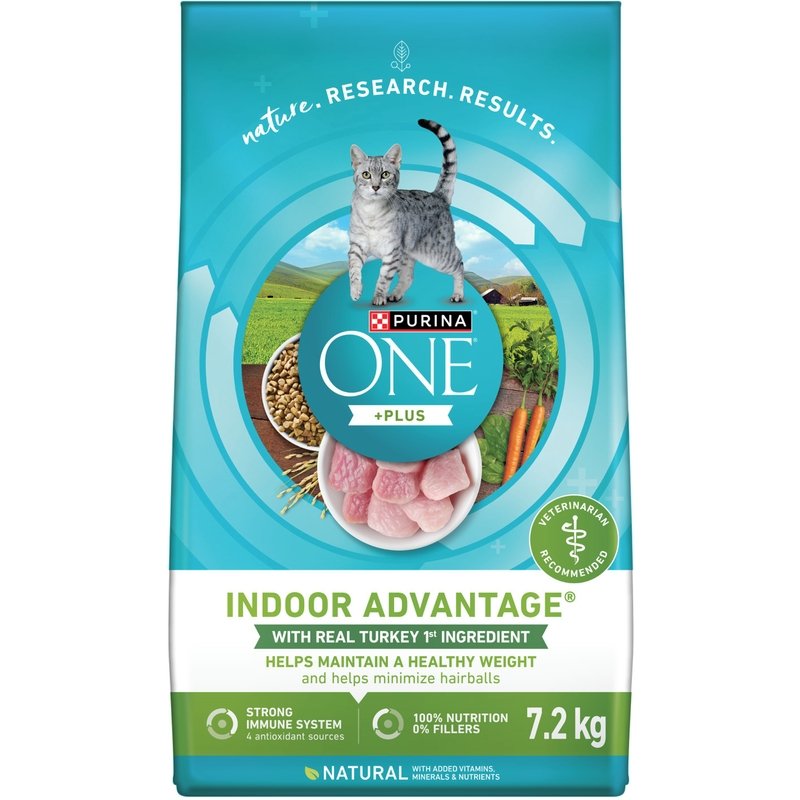
Are you worried that your cat isn’t getting enough energy from their food? If your furry friend is picky, very active, or recovering from illness, regular cat food might not be enough.
High calorie cat food can be the perfect solution to keep your pet healthy, happy, and full of life. You’ll discover why these special formulas matter, how to choose the best one, and tips to make mealtime more enjoyable for your cat.
Keep reading to give your cat the boost they deserve!
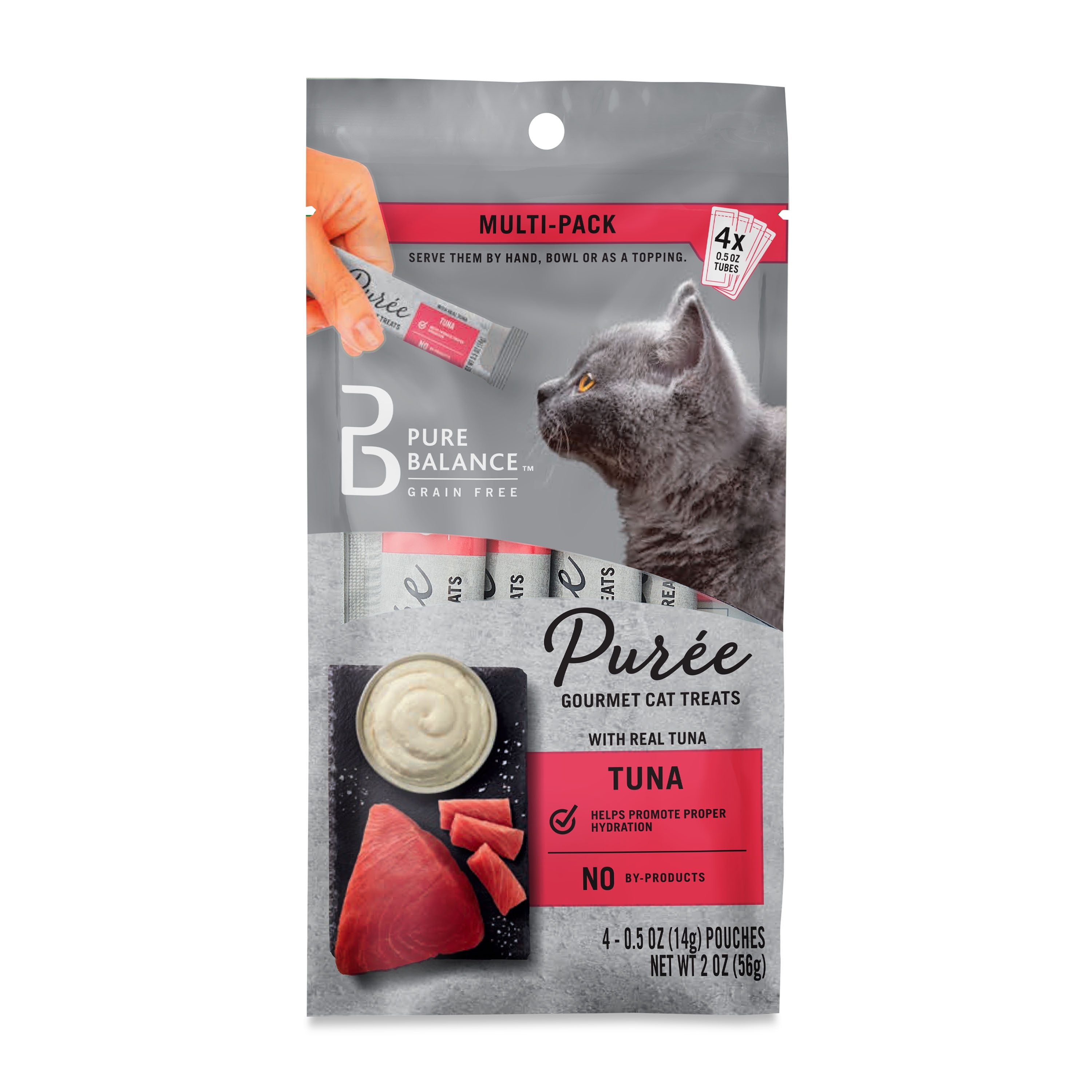
Credit: www.walmart.com
Why Choose High Calorie Cat Food
Choosing the right cat food can impact your pet’s health greatly. High calorie cat food offers more energy in smaller servings. This makes it ideal for cats with special dietary needs. It helps maintain weight and supports overall well-being.
Energy Needs Of Active Cats
Active cats burn more calories daily. They need food that keeps up with their energy demands. High calorie cat food provides extra fuel for playful and outdoor cats. It helps them stay strong and lively throughout the day.
Benefits For Underweight Cats
Underweight cats need more calories to gain weight safely. High calorie cat food offers dense nutrition in every bite. It helps cats recover from illness or stress faster. Feeding this food supports muscle growth and improves coat health.
Support For Senior Cats
Older cats often lose weight and muscle mass. Their appetite may decrease as well. High calorie cat food helps seniors get enough nutrients without eating a lot. It supports their energy levels and keeps them comfortable in later years.
Credit: www.businessinsider.com
Key Ingredients To Look For
Choosing the right high calorie cat food means paying close attention to what’s inside the bag. The ingredients determine how well your cat will gain weight, stay healthy, and feel energetic. Knowing which components matter most helps you pick a formula that truly supports your cat’s needs.
Proteins And Fats
Proteins and fats are the backbone of any high calorie cat food. Cats need high-quality animal proteins like chicken, turkey, or fish to build muscle and maintain strength. Look for named meat sources at the top of the ingredient list rather than vague terms like “meat by-products.”
Healthy fats provide dense calories and help keep your cat’s coat shiny. Ingredients such as chicken fat, fish oil, and flaxseed deliver essential fatty acids. These fats also support brain function and energy levels, which are crucial if your cat is recovering from illness or underweight.
Essential Vitamins And Minerals
Vitamins and minerals keep your cat’s body running smoothly. Ingredients rich in taurine, vitamin E, and B vitamins enhance eye health, immune function, and metabolism. Don’t overlook minerals like calcium and phosphorus; they strengthen bones and teeth.
If a label lists added supplements like zinc, selenium, or omega-3s, that’s a good sign. These nutrients often don’t appear naturally in enough amounts and need to be boosted for optimal health. Are you checking for these details when you shop for your cat’s food?
Avoiding Fillers And Additives
Some high calorie foods fill space with cheap ingredients that offer little nutrition. Common fillers like corn, wheat, and soy can cause allergies or digestive issues in sensitive cats. Avoid products that rely heavily on these fillers.
Artificial colors, flavors, and preservatives don’t benefit your cat’s health either. Look for foods with natural preservation methods such as mixed tocopherols (vitamin E). Your cat’s body will thank you for skipping unnecessary additives.
Next time you’re choosing high calorie cat food, focus on these key ingredients. They can make all the difference in your cat’s energy, weight gain, and overall happiness.
Types Of High Calorie Cat Food
High calorie cat food comes in several types to meet different needs. Choosing the right type helps keep your cat healthy and energetic. Each type offers unique benefits and suits various feeding preferences.
Wet Vs Dry Options
Wet cat food contains more moisture and is softer. It helps with hydration and is easier to chew. Dry cat food has less moisture and lasts longer. It helps keep teeth clean and is convenient for storage.
- Wet food:higher water content, softer texture
- Dry food:crunchy texture, longer shelf life
Homemade Vs Commercial
Homemade high calorie cat food allows control over ingredients. It suits cats with allergies or special dietary needs. Commercial cat food is balanced and tested for nutrition. It is convenient and comes in many flavors.
- Homemade:customizable, fresh ingredients
- Commercial:nutritionally balanced, easy to buy
Specialized Formulas
Specialized formulas target specific health concerns. They include options for weight gain, digestion, or kidney support. These formulas often have extra vitamins and calories. They help cats with unique health requirements thrive.
- Weight gain formulas with added fats and proteins
- Digestive support formulas with probiotics
- Kidney-friendly formulas with controlled minerals
How To Transition Your Cat
Transitioning your cat to high calorie cat food needs care and patience. Sudden changes can upset your cat’s stomach. A smooth transition helps your cat accept the new food easily. Watch your cat closely during this time. Adjust feeding based on your cat’s reactions and needs.
Gradual Introduction Tips
Mix a small amount of high calorie food with your cat’s current food. Increase the new food amount slowly over 7 to 10 days. Keep the total food quantity the same to avoid overeating. Offer fresh food daily to keep your cat interested. Avoid forcing your cat to eat the new food.
Monitoring Your Cat’s Response
Check your cat’s appetite and energy levels. Look for any signs of stomach upset like vomiting or diarrhea. Observe changes in stool consistency and frequency. Note any unusual behavior such as lethargy or restlessness. Contact your vet if problems continue beyond a few days.
Adjusting Portions
Start with smaller portions of the high calorie food. Increase portions if your cat gains weight too slowly. Reduce portions if your cat seems full or refuses to eat. Consider your cat’s age, weight, and activity level when adjusting. Keep portions balanced to maintain a healthy weight.
Signs Your Cat Needs More Calories
Knowing when your cat needs more calories can be tricky. Cats often hide signs of hunger or health issues, so you must watch closely for subtle changes. These signs can help you decide if it’s time to add high calorie cat food to their diet.
Weight Loss Indicators
Has your cat’s favorite sweater started to look baggy on them? Unexplained weight loss is a clear sign your cat may need more calories. If you notice their ribs, spine, or hip bones becoming more visible, it’s time to act quickly.
Keep track of your cat’s weight regularly. Sudden drops or a steady decline over weeks should prompt a vet visit and dietary adjustments.
Changes In Activity Levels
Have you noticed your cat lounging more than usual or skipping playtime? Low energy and decreased activity can mean they aren’t getting enough fuel. Cats need calories for their daily adventures, even if those adventures are just chasing a laser pointer.
If your cat seems tired or less curious, consider boosting their calorie intake. This might bring back their playful spirit and keep them healthy.
Poor Coat Condition
Is your cat’s coat looking dull, dry, or patchy? A poor coat can signal nutritional deficiencies, including not enough calories. Healthy skin and fur require energy and nutrients that come from a well-balanced diet.
Adding high calorie cat food can help improve coat shine and texture. Watch for changes over a few weeks as their coat starts to recover.
Common Myths About High Calorie Cat Food
High calorie cat food often faces many myths and misunderstandings. These myths can cause confusion about feeding habits and cat health. Clearing up these common myths helps owners make better choices for their pets.
Concerns About Overfeeding
Many believe high calorie cat food causes overfeeding. This is not always true. Cats need different calories based on their activity and health. High calorie food helps cats who need extra energy. Overfeeding happens only if portions are too large. Feeding the right amount prevents weight gain.
Misconceptions On Cat Obesity
Some think high calorie food leads to obesity. Obesity comes from too many calories, not just high calorie food. Cats eating balanced meals and exercising stay healthy. Sometimes, vets recommend high calorie food for sick or thin cats. It supports recovery without causing obesity.
Quality Vs Quantity
People confuse quantity with quality in cat food. High calorie food is often higher quality with better nutrients. Quality food means cats get energy and essential vitamins. Feeding less of high quality food is better than more low quality food. It keeps cats healthy and satisfied.
Tips For Maintaining Your Cat’s Energy
Keeping your cat full of energy is key to their happiness and health. High calorie cat food helps, but there’s more you can do to keep your feline friend active and lively every day. Let’s look at simple ways to support your cat’s energy through routine and care.
Regular Feeding Schedule
Setting a consistent feeding schedule can make a big difference in your cat’s energy levels. Cats thrive on routine, so feeding them at the same times daily helps regulate their metabolism and keeps energy steady.
Try dividing their daily high calorie food into smaller meals throughout the day. This prevents energy dips and keeps them fueled for play and rest. Have you noticed how your cat reacts to irregular feeding times?
Incorporating Play And Exercise
Physical activity stimulates your cat’s mind and body. Even if your cat prefers lounging, short bursts of play can boost their energy and mood.
Use toys that mimic hunting, like feather wands or laser pointers. Play sessions of 10-15 minutes a few times a day can make your cat more energetic and curious. What’s your cat’s favorite way to play?
Routine Health Checks
Regular vet visits ensure your cat’s energy isn’t affected by hidden health issues. Illness or dental problems can drain their vitality without obvious signs.
Schedule health check-ups at least once a year and watch for subtle changes in behavior or appetite. Catching problems early keeps your cat energetic and happy longer.
Credit: www.purina.com
Frequently Asked Questions
What Is High Calorie Cat Food?
High calorie cat food contains extra calories to support energy needs. It helps cats gain weight or maintain weight during illness or high activity.
When Should I Feed My Cat High Calorie Food?
Feed high calorie cat food if your cat is underweight, recovering from illness, or very active. Always consult a vet for guidance.
Are High Calorie Cat Foods Safe For All Cats?
High calorie cat foods are safe when used properly. Overfeeding can cause obesity, so use them only as recommended by a vet.
How Do I Choose The Best High Calorie Cat Food?
Look for high protein, fat content, and quality ingredients. Check for AAFCO approval and consult your vet for the best option.
Conclusion
Choosing the right high calorie cat food helps keep your pet healthy. It supports energy, growth, and recovery. Always check ingredients for quality and nutrition. Feeding your cat well can improve its mood and activity. Remember to consult your vet for the best advice.
Good food means a happy, strong cat. Simple steps make a big difference in your cat’s life. Keep your furry friend well-nourished every day.
