

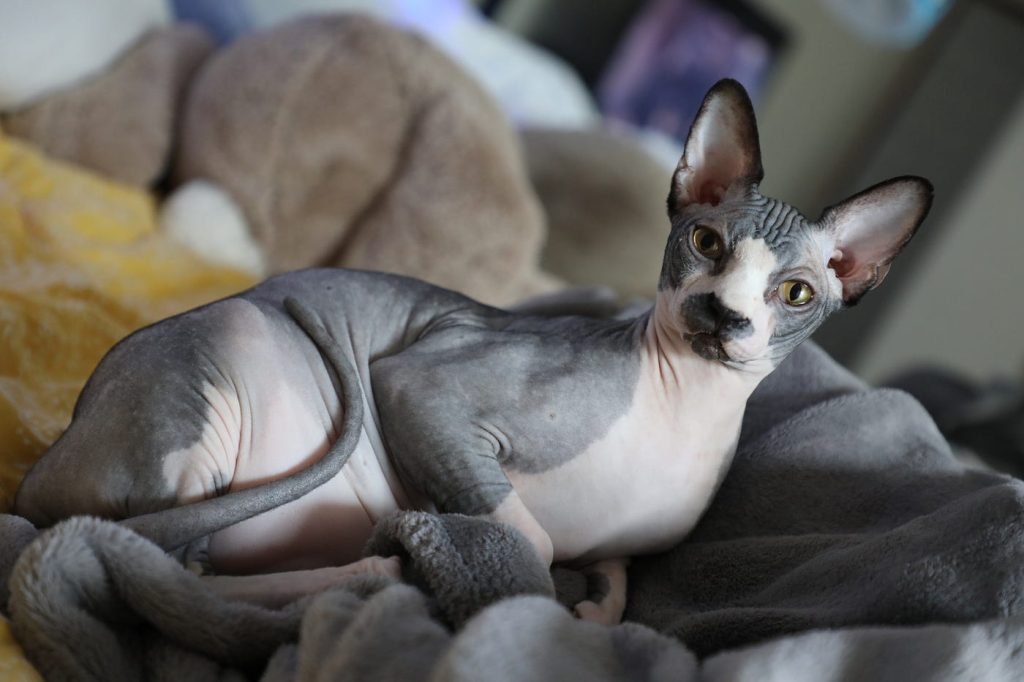
If you have a Sphynx cat or are thinking about getting one, it’s important to know about the health problems these unique pets can face. Unlike other cats, Sphynx cats have special needs that can affect their well-being.
Understanding these health issues early can help you keep your cat happy and healthy for years to come. Ready to learn what to watch out for and how to protect your furry friend? Let’s dive in.
Common Health Issues
Sphynx cats are unique and charming pets, but their lack of fur makes them prone to certain health issues. Understanding these common problems can help you care for your cat better and spot signs early. Let’s look at some health challenges you might face with your Sphynx.
Skin Conditions
Your Sphynx’s skin needs extra attention because it’s exposed without fur protection. They often develop oily skin, which can lead to clogged pores and acne. Regular gentle baths are essential to keep their skin clean and prevent infections.
Watch for redness, flaking, or sores. These could signal fungal or bacterial infections that need veterinary care. Have you noticed any unusual spots on your cat’s skin during cuddles or grooming?
Respiratory Problems
Sphynx cats sometimes struggle with breathing issues. Their exposed skin means they get cold quickly, which can weaken their immune system and make them more vulnerable to respiratory infections.
Keep your home warm and avoid sudden temperature changes. If your cat starts coughing, sneezing, or breathing rapidly, it’s time to consult a vet. Early treatment often makes a big difference.
Heart Disease
Hypertrophic cardiomyopathy (HCM) is a common heart condition in Sphynx cats. This disease thickens the heart muscle, affecting its ability to pump blood efficiently.
Regular heart check-ups can catch HCM early. If your cat tires easily or seems lethargic, don’t ignore these signs. Would you be able to recognize subtle changes in your cat’s energy levels?
Digestive Concerns
Digestive problems like sensitive stomachs and food allergies can affect Sphynx cats. They may have trouble digesting certain ingredients, leading to vomiting or diarrhea.
Feeding a high-quality, easily digestible diet is crucial. Observe your cat’s reactions to new foods and consult your vet if digestive issues persist. How carefully do you monitor your cat’s eating habits?

Credit: purebredkitties.com
Preventive Care
Preventive care plays a key role in keeping Sphynx cats healthy. These unique cats need special attention to avoid common health problems. Early care helps catch issues before they become serious. A good routine supports their wellbeing and happiness.
Regular Vet Visits
Schedule vet visits at least twice a year. These check-ups help detect health issues early. Vets check skin, heart, and overall condition. Regular exams allow quick treatment of infections or diseases. Keep a health record to track changes over time.
Vaccinations And Parasite Control
Vaccines protect Sphynx cats from common diseases. Follow the vet’s vaccination schedule strictly. Parasites like fleas and ticks harm their sensitive skin. Use vet-approved parasite control products regularly. Keep the environment clean to reduce parasite risk.
Diet And Nutrition
Feed high-quality food tailored for Sphynx cats. Their fast metabolism needs balanced nutrition. Include proteins and essential fatty acids for healthy skin. Avoid overfeeding to prevent obesity and related problems. Fresh water should always be available to keep them hydrated.
Daily Grooming Needs
Sphynx cats need special daily care to stay healthy and happy. Their hairless skin requires more attention than other cats. Regular grooming helps prevent skin problems and keeps them comfortable. It also helps spot any health issues early.
Bathing And Skin Care
Sphynx cats do not have fur to absorb natural oils. These oils build up on their skin and can cause greasiness or dirt. Bathing once a week helps remove excess oils and dirt. Use a gentle, cat-safe shampoo to avoid irritation. Dry the skin carefully after the bath. Check for redness or bumps during bathing. Moisturize with vet-approved lotion if the skin feels dry.
Ear Cleaning
Sphynx cats produce more earwax than other breeds. Clean their ears regularly to prevent wax build-up and infections. Use a soft cloth or cotton ball with a vet-recommended ear cleaner. Avoid inserting anything deep into the ear canal. Wipe the visible ear area gently. Check for bad smells or redness that may signal infection.
Nail Trimming
Without fur, nails can cause scratches easily. Keep their nails short and smooth. Trim nails every one to two weeks using a cat nail clipper. Watch for quick, the pink part inside the nail, to avoid cutting it. Use a nail file if needed to smooth rough edges. Regular trimming protects both the cat and your skin.

Credit: zigly.com
Environmental Considerations
Environmental factors play a big role in the health of Sphynx cats. Their lack of fur makes them sensitive to changes in their surroundings. Owners must create a safe and comfortable space to avoid health problems. Simple adjustments in the environment can keep them happy and healthy.
Temperature Regulation
Sphynx cats cannot keep warm easily. They lose heat fast without fur protection. Keep indoor temperatures steady and warm, around 70-80°F (21-27°C). Avoid cold drafts and sudden temperature drops. Provide cozy blankets or heated beds for extra warmth. During hot weather, ensure they have shade and fresh water. Watch for signs of overheating or chills to act quickly.
Safe Living Spaces
These cats have delicate skin that can scratch or burn easily. Use soft bedding to prevent skin irritation. Avoid rough surfaces and sharp objects in their play areas. Clean living spaces regularly to reduce infection risks. Limit sun exposure to prevent sunburn. Use pet-safe sunblock if they go outside. Protect them from household hazards like chemicals or hot appliances.
Recognizing Warning Signs
Recognizing warning signs in Sphynx cats is vital for their health. Early detection of problems helps in quick treatment. These cats may hide illness well. Watch their behavior and physical changes closely. Noticing small signs can save your pet’s life.
Behavioral Changes
Behavior shifts often indicate health issues. Your Sphynx might act restless or hide more than usual. A usually social cat may become withdrawn. Aggression or irritability can also be a red flag. Sudden changes in appetite or thirst are important to note. Lack of energy or reluctance to move signals discomfort. Pay attention if your cat stops grooming. These changes suggest a visit to the vet is needed.
Physical Symptoms
Physical signs are easier to spot. Look for skin problems like redness, dryness, or sores. Sphynx cats have sensitive skin that can reveal illness. Watch for unusual lumps or bumps on the body. Eye discharge or redness may show infection. Difficulty breathing or coughing needs urgent care. Notice any swelling, limping, or trouble walking. Weight loss or gain without cause is important. These symptoms require prompt veterinary attention.
Special Care For Aging Sphynx
Aging Sphynx cats need special care to stay healthy and happy. Their skin and body change as they grow older. These changes require more attention from their owners. Proper care helps prevent common health problems in older cats. Understanding their needs is important for a long, comfortable life.
Adjusting Diet
Older Sphynx cats need a balanced diet to support their health. Their metabolism slows down with age. This means they may need fewer calories but more nutrients. High-quality proteins help maintain muscle mass. Omega-3 fatty acids support skin and coat health. Avoid foods with fillers or artificial ingredients. Fresh water should always be available.
- Feed smaller, frequent meals to aid digestion.
- Include supplements for joint health if advised by a vet.
- Monitor weight to avoid obesity or malnutrition.
Monitoring Health
Regular health checks are crucial for aging Sphynx cats. Watch for changes in behavior or appetite. Skin condition requires close attention since it is sensitive. Look for dryness, redness, or unusual lumps. Schedule vet visits every six months or as recommended. Early detection of issues ensures better treatment outcomes.
- Check for dental problems, common in older cats.
- Monitor breathing and heart rate for abnormalities.
- Observe mobility and joint stiffness signs.
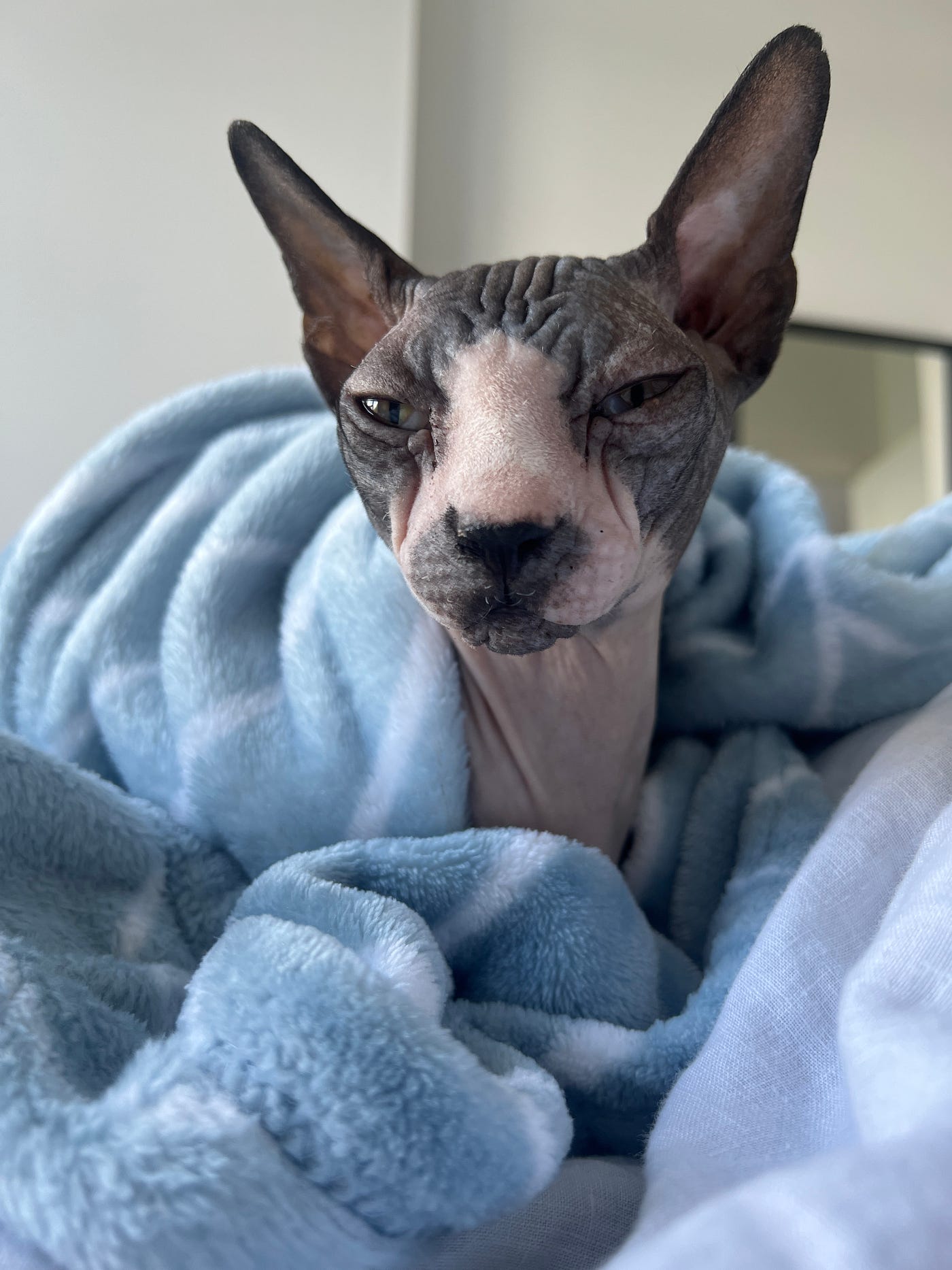
Credit: medium.com
Frequently Asked Questions
What Common Health Issues Affect Sphynx Cats?
Sphynx cats often face skin problems, heart disease, and respiratory issues. Their lack of fur makes them prone to sunburn and infections. Regular vet check-ups help detect health problems early and maintain their well-being.
How Do Sphynx Cats’ Skin Problems Occur?
Sphynx cats have sensitive, oily skin that can lead to infections and irritation. Frequent bathing and moisturizing help prevent buildup and keep their skin healthy. Owners must monitor for redness or sores to avoid complications.
Are Sphynx Cats Prone To Heart Disease?
Yes, hypertrophic cardiomyopathy (HCM) is common in Sphynx cats. It thickens the heart walls and can cause heart failure. Regular cardiac screenings by a vet are essential to catch this condition early.
How Can I Prevent Respiratory Issues In Sphynx Cats?
Sphynx cats can develop respiratory infections due to their thin coat. Keeping them indoors and avoiding exposure to cold or dusty environments reduces risk. Immediate vet care is needed if breathing problems arise.
Conclusion
Sphynx cats need special care to stay healthy. They can face skin issues and heart problems. Regular vet visits help catch problems early. Keep their skin clean and watch their diet. Knowing common health concerns helps you protect your pet.
Love and care make a big difference. Choose a sphynx cat only if you are ready to care well. Healthy pets make happy homes.
