

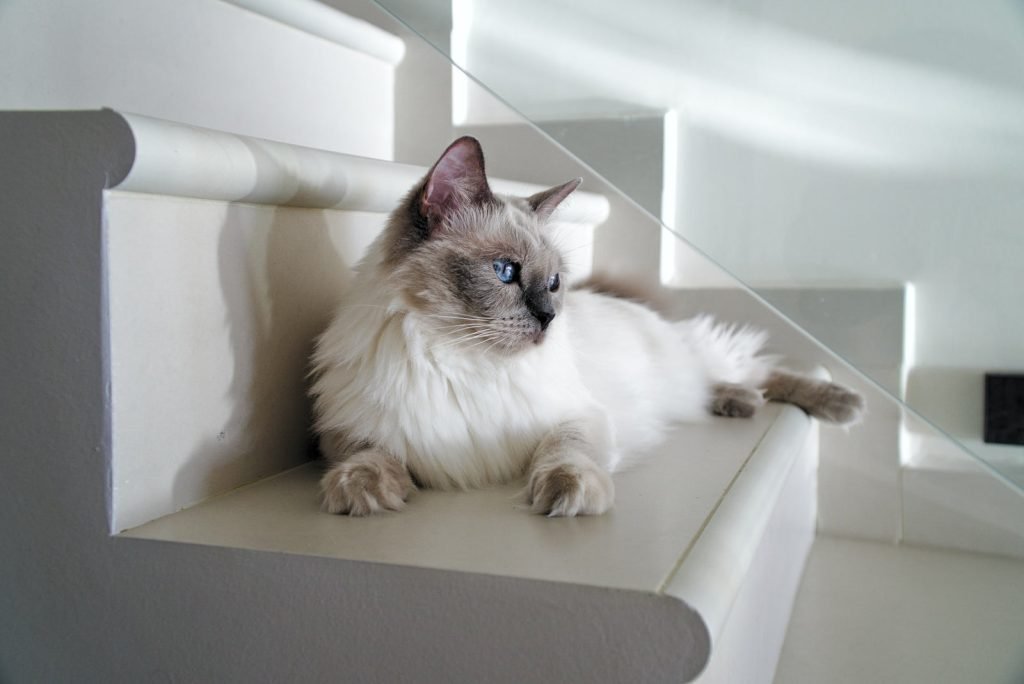
If you have a Ragdoll cat or are thinking about bringing one into your home, you need to know about the health issues these beautiful pets can face. Understanding these problems early helps you keep your furry friend happy and healthy for years.
You’ll discover the most common health concerns with Ragdoll cats and simple steps you can take to protect your beloved companion. Keep reading to make sure your Ragdoll stays as gentle and loving as ever.

Credit: ca.news.yahoo.com
Common Health Issues
Ragdoll cats are beloved for their gentle nature and striking looks, but like all breeds, they come with their share of health concerns. Knowing the common health issues can help you catch problems early and give your feline friend the best care possible. Let’s look at some conditions that frequently affect Ragdolls and what signs to watch out for.
Hypertrophic Cardiomyopathy
This heart condition causes the walls of the heart to thicken, making it harder for the heart to pump blood efficiently. Many Ragdoll cats may show no symptoms until the disease advances, which makes regular vet check-ups crucial. If your cat shows signs of lethargy, difficulty breathing, or fainting, you should seek veterinary advice immediately.
Polycystic Kidney Disease
Polycystic kidney disease leads to cysts forming in the kidneys, gradually impairing their function. This condition can cause increased thirst, frequent urination, and weight loss in your cat. Early diagnosis through ultrasound scans can help manage the disease and improve your cat’s quality of life.
Bladder Stones
Bladder stones are solid mineral masses that can cause painful urination or blood in the urine. If your Ragdoll is straining to urinate or showing signs of discomfort, it might be dealing with these stones. Providing plenty of fresh water and a balanced diet can reduce the risk of bladder stones forming.
Feline Infectious Peritonitis
Feline infectious peritonitis (FIP) is a serious viral disease that affects the immune system, often leading to fatal outcomes. Symptoms vary but can include fever, weight loss, and fluid buildup in the abdomen or chest. Early detection is challenging, so watch for any unusual changes in your cat’s behavior or health and consult your vet promptly.
Genetic Concerns
Ragdoll cats are beautiful and gentle pets. They have unique traits passed down through generations. Some traits come with health risks due to genetics. Understanding genetic concerns helps keep your cat healthy. Awareness of inherited conditions can improve care and lifespan.
Inherited Disorders
Ragdolls may inherit specific health problems from their parents. One common issue is hypertrophic cardiomyopathy (HCM). HCM causes thickening of the heart muscle, which can lead to heart failure. Another concern is bladder stones, which cause pain and urination problems. Some cats also face joint issues like hip dysplasia. These disorders often show signs early or middle age.
Screening And Testing
Testing helps find genetic diseases before symptoms appear. Breeders and owners can use DNA tests for HCM. Regular veterinary check-ups include heart scans and blood tests. Early detection helps manage or slow down problems. Testing also reduces the chance of passing bad genes to kittens.
Responsible Breeding
Good breeders choose cats free of inherited diseases. They test cats for genetic problems before breeding. This reduces health risks in kittens. Breeders avoid mating cats with similar family lines. This practice lowers the chance of genetic disorders. Responsible breeding keeps Ragdolls healthy for future generations.
Diet And Nutrition
Diet and nutrition play a key role in the health of Ragdoll cats. Proper food keeps them strong and lively. Poor diet may lead to serious health problems over time. Understanding what to feed your Ragdoll helps avoid common issues.
Balanced Diet Needs
Ragdolls need a diet rich in protein for muscle health. Meat-based proteins are ideal. They also require fats for energy and healthy skin. Carbohydrates should be limited as cats digest them poorly. Vitamins and minerals support their immune system. Fresh water must always be available. Balanced nutrition helps maintain their shiny coat and alertness.
Weight Management
Ragdolls tend to gain weight easily. Overfeeding and lack of exercise cause obesity. Excess weight stresses joints and the heart. Feeding measured portions prevents overeating. Regular playtime boosts metabolism and keeps cats active. Maintaining a healthy weight reduces risks of diabetes and arthritis. Check their body condition often for signs of weight gain.
Food Allergies
Some Ragdolls develop allergies to certain foods. Symptoms include itching, hair loss, and digestive upset. Common allergens are dairy, fish, and grains. Switching to hypoallergenic or limited-ingredient diets may help. Consult a vet for allergy testing and advice. Identifying triggers improves your cat’s comfort and health.
Preventive Care
Preventive care is the best way to keep your Ragdoll cat healthy and happy. These gentle giants can face specific health problems, but early attention helps you avoid serious issues. Taking simple, regular steps can make a big difference in your cat’s well-being.
Regular Vet Checkups
Scheduling vet visits every six months lets you catch problems early. Your vet can monitor your Ragdoll’s heart, kidneys, and joints—areas that often need attention. I once noticed a slight limp during a routine check, which led to early arthritis treatment and saved my cat a lot of pain later.
Ask your vet about breed-specific screenings. Staying proactive means fewer emergencies and a longer, more comfortable life for your furry friend.
Vaccinations
Vaccines protect your Ragdoll from common and dangerous diseases. Make sure your cat is up to date with vaccinations like feline distemper, rabies, and respiratory infections. Missing a shot can leave your cat vulnerable, especially if they spend time outdoors or around other animals.
Talk with your vet about which vaccines fit your cat’s lifestyle best. This way, you avoid unnecessary shots but keep strong protection.
Dental Health
Dental problems often go unnoticed but can seriously affect your Ragdoll’s health. Regular teeth cleaning prevents plaque buildup, bad breath, and gum disease. I started brushing my cat’s teeth with a special pet toothpaste, and the vet praised the improvement at the next visit.
Try to check your cat’s mouth weekly for redness or swelling. Good dental care not only keeps their smile bright but also stops infections that could harm other organs.
Behavioral Health
Behavioral health plays a big role in the well-being of Ragdoll cats. These gentle cats can develop stress and anxiety if their needs are not met. Understanding their behavior helps owners keep them happy and healthy. Good care includes watching for signs of distress and providing a stimulating environment.
Stress And Anxiety
Ragdolls are sensitive to changes in their surroundings. Loud noises, new pets, or moving can cause stress. Stress may show as hiding, loss of appetite, or excessive grooming. Anxiety can make them less playful and more withdrawn. Reducing stress improves their overall health and mood.
Environmental Enrichment
Ragdolls need mental and physical stimulation daily. Toys, scratching posts, and climbing trees keep them engaged. Interaction with owners helps build trust and reduce boredom. Rotating toys keeps their interest high. A calm, safe space allows them to relax and feel secure.
Signs Of Illness
Behavior changes may signal health problems. Watch for:
- Sudden aggression or irritability
- Excessive hiding or lethargy
- Changes in eating or drinking habits
- Unusual vocalizations or restlessness
Early detection of illness helps with faster recovery. Regular vet check-ups are essential to catch issues early.

Credit: felinefancy.co.uk
Emergency Symptoms
Recognizing emergency symptoms in Ragdoll cats is vital for their health. These symptoms often signal serious health issues. Immediate attention can save your cat’s life. Watch for sudden changes in behavior or physical condition. Acting fast can prevent complications.
Breathing Difficulties
Breathing problems are a clear emergency sign. Your Ragdoll may breathe rapidly or with effort. Look for noisy breathing or gasping. Mouth breathing is unusual and serious. Pale or blue gums mean low oxygen. Seek veterinary help without delay.
Sudden Lethargy
Sudden weakness or extreme tiredness is alarming. Your cat may refuse to move or respond. Lack of energy can indicate infections or heart issues. Do not ignore if lethargy appears quickly. Immediate vet care is necessary.
Loss Of Appetite
A sudden stop in eating is a red flag. Loss of appetite can cause dehydration and weakness. Check if your cat also vomits or has diarrhea. Prolonged refusal to eat needs prompt medical care. Early treatment improves recovery chances.
Credit: pethelpful.com
Frequently Asked Questions
What Common Health Issues Affect Ragdoll Cats?
Ragdoll cats often face hypertrophic cardiomyopathy (HCM), bladder stones, and kidney disease. Regular vet check-ups help detect these early. Proper diet and care reduce risks and improve their quality of life.
How Can I Prevent Heart Problems In Ragdoll Cats?
Regular heart screenings and genetic testing are crucial. Feed a balanced diet and avoid obesity. Early detection of hypertrophic cardiomyopathy (HCM) improves treatment success and extends your cat’s life.
Are Ragdoll Cats Prone To Bladder Stones?
Yes, bladder stones are common in Ragdolls. Ensure fresh water access and a proper diet. Regular vet visits help identify symptoms like frequent urination or discomfort early on.
Do Ragdoll Cats Require Special Veterinary Care?
Yes, due to their genetic predispositions, Ragdolls need routine health screenings. Heart, kidney, and urinary health should be monitored closely. Preventive care ensures early problem detection and better health outcomes.
Conclusion
Ragdoll cats are lovely companions with unique needs. Be mindful of their health. Regular vet check-ups can catch problems early. Keep an eye on their weight. Obesity can lead to serious issues. Watch for signs of heart or urinary problems.
Early detection helps manage these conditions. A balanced diet supports their health. Use high-quality cat food. Ragdolls need a safe, loving home environment. Provide lots of affection and playtime. It ensures their happiness and well-being. Caring for a Ragdoll requires attention and love.
They give back with endless affection and joy.
