

If you have a Maine Coon cat or are thinking about bringing one into your home, it’s important to know about the health issues that could affect your furry friend. These gentle giants are lovable and playful, but like all pets, they can face certain health challenges.
Understanding these problems early on can help you keep your Maine Coon happy and healthy for years to come. Keep reading to discover the most common health concerns and what you can do to protect your beloved cat.
Common Health Problems
Maine Coon cats are known for their large size and friendly nature. Despite their robust appearance, they face certain health problems. Recognizing common illnesses helps owners provide better care. Early detection can improve their quality of life.
Hypertrophic Cardiomyopathy
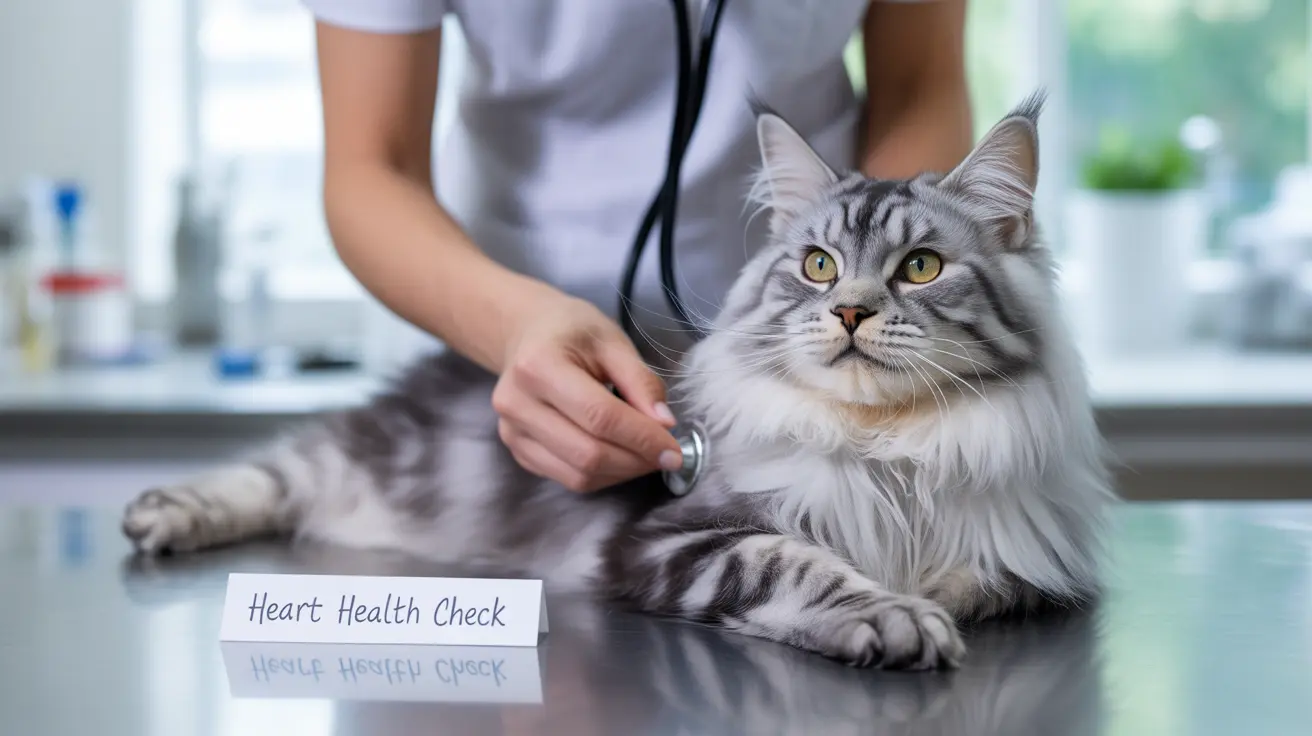
Hypertrophic Cardiomyopathy (HCM) is a heart disease common in Maine Coons. It causes thickening of the heart muscle. This thickening reduces the heart’s ability to pump blood effectively. Symptoms include difficulty breathing and lethargy. Regular veterinary heart checks are essential for early diagnosis.
Hip Dysplasia
Hip Dysplasia affects the hip joints, causing pain and stiffness. It results from abnormal bone growth and joint wear. Maine Coons with this condition may limp or avoid jumping. Maintaining a healthy weight can reduce stress on the hips. Treatment includes pain management and sometimes surgery.
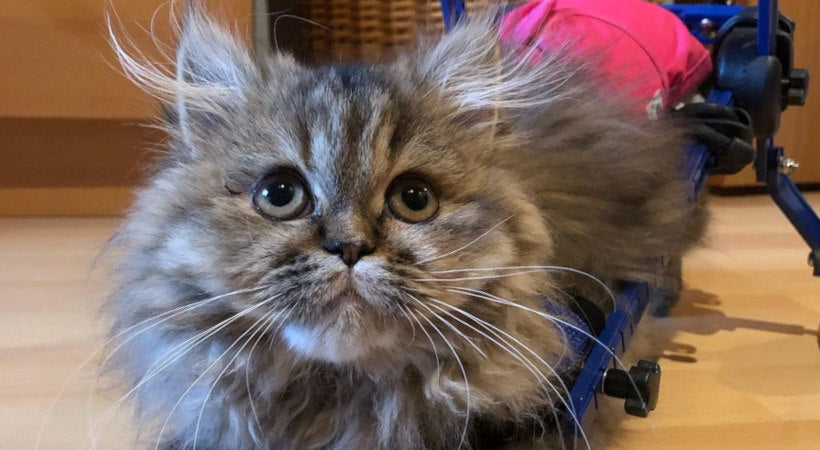
Spinal Muscular Atrophy
Spinal Muscular Atrophy (SMA) is a genetic disorder impacting muscle strength. It leads to muscle loss and weakness in the back legs. SMA does not cause pain but affects mobility. There is no cure, but cats can live comfortably with care. Genetic testing helps identify carriers before breeding.
Polycystic Kidney Disease
Polycystic Kidney Disease (PKD) causes cysts to form in the kidneys. These cysts grow and damage kidney function over time. Signs include increased thirst and urination. Regular kidney function tests aid in monitoring the disease. Managing diet and hydration supports affected cats.
Recognizing Symptoms Early
Recognizing symptoms early in Maine Coon cats is key to preventing serious health problems. These cats can develop specific issues that worsen if left unnoticed. Watching for early signs helps protect their well-being and extends their happy life.
Behavioral Changes
Changes in behavior often signal health issues. Maine Coons may become less active or hide more than usual. A normally social cat might avoid interaction or show irritability. Loss of appetite or sudden aggression can also point to discomfort or pain. Observing your cat’s usual habits closely helps catch problems early.
Physical Signs
Physical symptoms offer clear clues about health. Look for swelling in paws or joints, which may indicate arthritis. Notice any difficulty jumping or climbing. Watch for irregular breathing, coughing, or sneezing that persists. Changes in fur quality, such as dullness or bald patches, can reveal skin or internal problems. Early detection relies on careful daily observation.
Routine Health Checks
Regular vet visits support early symptom recognition. Routine exams allow professionals to spot hidden issues. Vaccinations and dental care keep your Maine Coon in good shape. Schedule check-ups at least once a year, or more often if advised. Keep a health diary to track changes and share with your vet. This habit improves early diagnosis and treatment success.
Nutrition And Diet
Maine Coon cats have unique nutritional needs to stay healthy. Their large size and active nature require a diet that supports strong muscles and bones. Proper feeding helps prevent common health problems like obesity and joint issues. Understanding their diet can improve their quality of life.
Balanced Feeding
Feed Maine Coons a diet rich in protein from meat or fish. Protein supports muscle growth and energy. Include healthy fats for a shiny coat and skin health. Avoid foods high in fillers like corn or soy. Fresh water must always be available to prevent dehydration.
Supplements For Joint Health
Maine Coons often face joint problems due to their size. Supplements like glucosamine and chondroitin help protect cartilage. Omega-3 fatty acids reduce inflammation and improve joint mobility. Consult a vet before adding any supplements to the diet.
Weight Management
Obesity can lead to serious health issues in Maine Coons. Control portion sizes and avoid too many treats. Regular play and exercise keep their weight in check. Monitor their weight often and adjust food intake accordingly.
Credit: walkinpets.com
Exercise And Activity
Maine Coon cats are large and active animals. They need regular exercise to stay healthy and happy. Exercise helps prevent obesity and keeps their muscles strong. It also reduces the risk of common health problems in this breed.
Providing enough activity can improve their mood and reduce stress. Maine Coons enjoy playing and exploring. Creating a routine for physical activity is important for their well-being.
Daily Playtime
Set aside time each day for play. Use toys like feather wands, balls, or laser pointers. These encourage natural hunting and chasing behaviors. Play sessions should last at least 15-20 minutes.
Break playtime into short bursts to keep your cat interested. Engage with your cat to strengthen your bond. Regular play helps maintain a healthy weight and improves coordination.
Safe Indoor Environment
Indoor exercise is vital for Maine Coons. Provide climbing trees and scratching posts. These offer exercise and mental stimulation. Create spaces where your cat can jump and explore safely.
Use interactive toys that move or make noise. Rotate toys to keep your cat curious. A safe indoor environment reduces the risk of injury or illness.
Outdoor Exploration Tips
Outdoor time can be healthy if supervised carefully. Use a harness and leash for safe walks. Choose quiet areas free from traffic and other dangers. Outdoor exploration provides fresh air and new scents.
Allow your Maine Coon to explore under your watchful eye. Avoid letting your cat roam freely outside. Exposure to other animals or toxins can cause health risks.
Regular Veterinary Care
Regular veterinary care is essential for maintaining the health and happiness of your Maine Coon cat. These gentle giants are prone to specific health issues, so consistent checkups and preventive care can catch problems early and keep your cat thriving. Are you confident that your Maine Coon’s health schedule covers all necessary aspects?
Scheduled Checkups
Routine visits to the vet help monitor your Maine Coon’s overall health and detect early signs of conditions like hypertrophic cardiomyopathy (HCM) or hip dysplasia. Typically, an annual checkup is enough for adult cats, but older cats or those with health concerns might need more frequent visits.
During these checkups, vets assess weight, coat condition, and behavior changes that you might not notice at home. Have you noticed subtle shifts in your cat’s energy or appetite that could signal something more?
Vaccinations
Vaccinations protect your Maine Coon from contagious and potentially deadly diseases such as feline leukemia and rabies. Your vet will recommend a vaccination schedule tailored to your cat’s lifestyle and risk factors.
Even indoor cats benefit from core vaccines since some diseases can enter through other pets or visitors. Staying up to date with vaccines is a simple step that shields your furry friend from serious illness.
Dental Care
Dental health is often overlooked but critical for Maine Coons, who can suffer from periodontal disease. Regular dental exams during vet visits help prevent painful infections and tooth loss.
Brushing your cat’s teeth at home might seem daunting, but it can significantly reduce plaque buildup. Have you tried introducing a dental care routine to your cat? Small daily efforts can make a big difference in their comfort and longevity.
Credit: www.petscare.com
Grooming For Health
Grooming your Maine Coon isn’t just about keeping them looking majestic—it’s a vital part of their health care. Regular grooming helps spot potential health problems early and keeps your cat comfortable. Let’s look at key areas you should focus on to maintain your Maine Coon’s well-being through grooming.
Coat Maintenance
Maine Coons have thick, long fur that can easily tangle and mat. Brushing their coat several times a week prevents painful knots and reduces shedding around your home.
Use a wide-toothed comb or a slicker brush to gently work through their fur. Pay special attention to areas like behind the ears and under the legs, where mats tend to form first.
Have you noticed your cat licking a particular spot more than usual? It might be a hidden mat causing irritation. Regular grooming helps you catch these early before they turn into skin infections.
Nail Trimming
Keeping your Maine Coon’s nails trimmed is essential to prevent overgrowth and injury. Long nails can get caught in carpets or furniture, causing pain or broken claws.
Trim their nails every two to three weeks using a pet nail clipper. If your cat resists, try clipping just one or two nails at a time to build their tolerance.
Check for signs of nail infection like redness or swelling around the nail bed. Healthy nails should be smooth and not cracked or split.
Ear And Eye Care
Dirty ears can lead to infections, while eye issues may indicate allergies or other health problems. Look inside your Maine Coon’s ears for wax buildup, debris, or a bad smell.
Use a damp cotton ball to gently wipe away dirt—never insert anything deep into the ear canal. For eyes, wipe away discharge with a clean, soft cloth and watch for redness or cloudiness.
Have you ever noticed your cat shaking its head or scratching its ears excessively? These behaviors can signal discomfort needing a vet’s attention.
Genetic Testing And Breeding
Genetic testing plays a crucial role in maintaining the health of Maine Coon cats. It helps uncover hidden risks that could affect your cat’s quality of life. Breeders and owners can make informed decisions to protect future generations from hereditary diseases.
Identifying Carriers
Genetic tests reveal whether a Maine Coon carries genes linked to specific health problems, like hypertrophic cardiomyopathy (HCM) or spinal muscular atrophy (SMA). Knowing if your cat is a carrier helps you avoid breeding two carriers, which increases the chance of affected kittens.
Imagine you have a Maine Coon that appears perfectly healthy but carries a gene for HCM. Without testing, this risk might unknowingly pass on to offspring. Testing gives you the power to prevent this by choosing mates carefully.
Responsible Breeding Practices
Responsible breeders use genetic information to pair cats in ways that minimize health issues. They avoid breeding cats that both carry harmful genes to reduce the risk of sick kittens.
Beyond genetics, breeders also consider temperament, physical traits, and overall health. This holistic approach ensures each kitten has the best chance for a long, happy life.
Are you prepared to ask breeders about their genetic testing protocols before bringing a Maine Coon home? Your questions can make a big difference in your cat’s future health.

Credit: drjudymorgan.com
Creating A Safe Home
Creating a safe home for your Maine Coon cat is essential to keep them healthy and happy. These gentle giants need an environment that protects them from common household dangers and supports their well-being. Small changes in your home can make a big difference in preventing health problems and reducing stress for your furry friend.
Avoiding Toxins
Many household items can be harmful to your Maine Coon without you realizing it. Common toxins include certain plants like lilies, cleaning products, and human foods such as chocolate or onions. Make sure to keep these items out of your cat’s reach and use pet-safe alternatives whenever possible.
Have you checked all the plants and chemicals in your home lately? Even some essential oils can be dangerous. Keeping a list of safe and unsafe substances can help you stay vigilant and avoid accidental poisoning.
Stress Reduction
Maine Coons are social but can get stressed by loud noises or sudden changes. Providing a calm, predictable routine helps them feel secure. Avoid overcrowding your home with too many animals or guests, as this can overwhelm your cat.
Think about your cat’s daily environment—is it peaceful or chaotic? Simple actions like playing soft music or using pheromone diffusers can create a soothing atmosphere. Your Maine Coon will thank you with a relaxed demeanor and fewer stress-related health issues.
Comfortable Resting Areas
These cats love cozy spots where they can rest undisturbed. Make sure to offer soft bedding in quiet corners, away from drafts and heavy foot traffic. Maine Coons also enjoy vertical spaces like cat trees or shelves to perch and observe.
Have you noticed where your cat prefers to nap? Adding extra cushions or blankets in those spots shows you care. A comfortable resting area not only supports their joints but also improves their overall mood and energy.
Frequently Asked Questions
What Common Health Issues Affect Maine Coon Cats?
Maine Coon cats often face hypertrophic cardiomyopathy (HCM), hip dysplasia, and spinal muscular atrophy. Regular vet check-ups help catch these early. Proper diet and exercise support their health and longevity.
How To Recognize Hypertrophic Cardiomyopathy In Maine Coons?
Signs include lethargy, rapid breathing, and fainting. HCM is common in Maine Coons and requires veterinary diagnosis through ultrasound and regular screenings.
Are Maine Coon Cats Prone To Hip Dysplasia?
Yes, hip dysplasia affects many Maine Coons. It causes joint pain and mobility issues. Early diagnosis and treatment improve quality of life.
Can Diet Prevent Health Problems In Maine Coon Cats?
A balanced diet rich in protein supports Maine Coons’ heart and joint health. Avoid overfeeding to prevent obesity, which worsens health issues.
Conclusion
Maine Coon cats can face some health problems. Regular vet visits help catch issues early. Feeding them well supports strong bones and heart. Watch for signs like tiredness or trouble breathing. Keeping them active helps maintain good health. Knowing common issues helps you care better.
Love and care make your cat happy. Stay alert and enjoy your Maine Coon’s company. Health matters, but so does their joy.
