


If you have a hairless cat or are thinking about getting one, it’s important to know the unique health challenges these special pets face. Unlike furry cats, hairless cats don’t have a natural coat to protect their skin.
This can lead to issues you might not expect. Understanding these health concerns will help you keep your cat happy and healthy. Keep reading to discover what you need to watch out for and how you can give your hairless cat the best care possible.
Common Health Concerns
Hairless cats have unique health needs compared to other cats. Their lack of fur affects several parts of their body. Owners must understand common health concerns to keep these cats healthy and happy.
Skin Sensitivity
Hairless cats have very sensitive skin. Without fur, their skin is exposed to the sun’s rays and everyday irritants. They can easily get sunburned or scratched. Regular cleaning is essential to prevent oil buildup and infections. Using gentle, cat-safe products helps protect their skin.
Temperature Regulation
Without fur, hairless cats struggle to stay warm. They lose body heat faster than other cats. They need warm environments or cozy clothing during cold weather. At the same time, they can overheat in hot weather. Owners should watch for signs of discomfort and adjust room temperature accordingly.
Dental Problems
Many hairless cats have a higher risk of dental issues. Tooth decay and gum disease occur more often in these breeds. Regular dental check-ups and cleanings are important. Brushing their teeth at home can help maintain good oral health.

Credit: www.petlovers.com
Skin Care Essentials
Skin care is a crucial part of caring for hairless cats. Without fur, their skin is more exposed to the environment, making it vulnerable to dryness, irritation, and sun damage. Understanding how to care for their unique skin helps keep your feline friend comfortable and healthy.
Bathing Routine
Hairless cats need regular baths to remove the natural oils that build up on their skin. Without fur, oils don’t get absorbed, which can cause greasy patches and clogged pores.
Use a gentle, hypoallergenic shampoo designed for sensitive skin. Avoid over-bathing, as it can strip essential oils and cause dryness. A bath every one to two weeks is usually enough, but watch your cat’s skin for signs of irritation or oiliness.
Moisturizing Needs
Dry skin is a common issue in hairless cats. You might notice flaky or tight skin if moisture is lacking.
Apply a vet-approved moisturizer specifically made for cats. Never use human lotions, as these can be harmful. Moisturizing after baths can soothe and protect your cat’s skin.
Sun Protection
Without fur, hairless cats are more prone to sunburn. Their skin can quickly get damaged by UV rays, even during short periods outside.
Limit your cat’s sun exposure, especially during peak hours. Consider pet-safe sunscreens or protective clothing when your cat spends time outdoors. Have you noticed your cat seeking shade or hiding during sunny days? This might be their way of avoiding skin damage.
Diet And Nutrition
Diet and nutrition play a vital role in maintaining the health of hairless cats. These cats have unique needs due to their lack of fur. Proper nourishment supports their skin, energy, and overall well-being. A careful approach to feeding helps prevent common health issues linked to poor diet.
Balanced Meals
Hairless cats require meals rich in protein and healthy fats. These nutrients support muscle growth and keep their skin soft. Meals should include:
- High-quality animal proteins like chicken or fish
- Essential fatty acids such as omega-3 and omega-6
- Moderate amounts of carbohydrates for energy
- Vitamins and minerals to support immune health
Providing a balanced diet ensures these cats get the energy they need without excess weight. Avoid fillers and artificial additives that can irritate their sensitive skin.
Supplements For Skin Health
Supplements can help maintain healthy skin in hairless cats. Fatty acid supplements boost skin hydration and reduce dryness. Important supplements include:
- Fish oil or flaxseed oil for omega-3 fatty acids
- Vitamin E to protect skin cells
- Zinc to aid skin repair and immunity
Consult a veterinarian before adding supplements to your cat’s diet. Proper supplementation supports the natural barrier of their skin and prevents infections.
Environmental Needs
Hairless cats need special care when it comes to their environment. Their lack of fur makes them sensitive to temperature changes and external dangers. Creating the right living space helps keep them healthy and happy.
Warmth And Comfort
Your hairless cat depends on you to keep them warm. Without fur, they lose body heat quickly, which can lead to discomfort or illness. Providing cozy blankets, heated beds, or warm clothing can make a big difference.
Think about your own comfort on a chilly day—would you want to sit on a cold floor? Your cat feels the same. Adjust the room temperature to a comfortable level, usually between 70-80°F (21-27°C), to avoid cold stress.
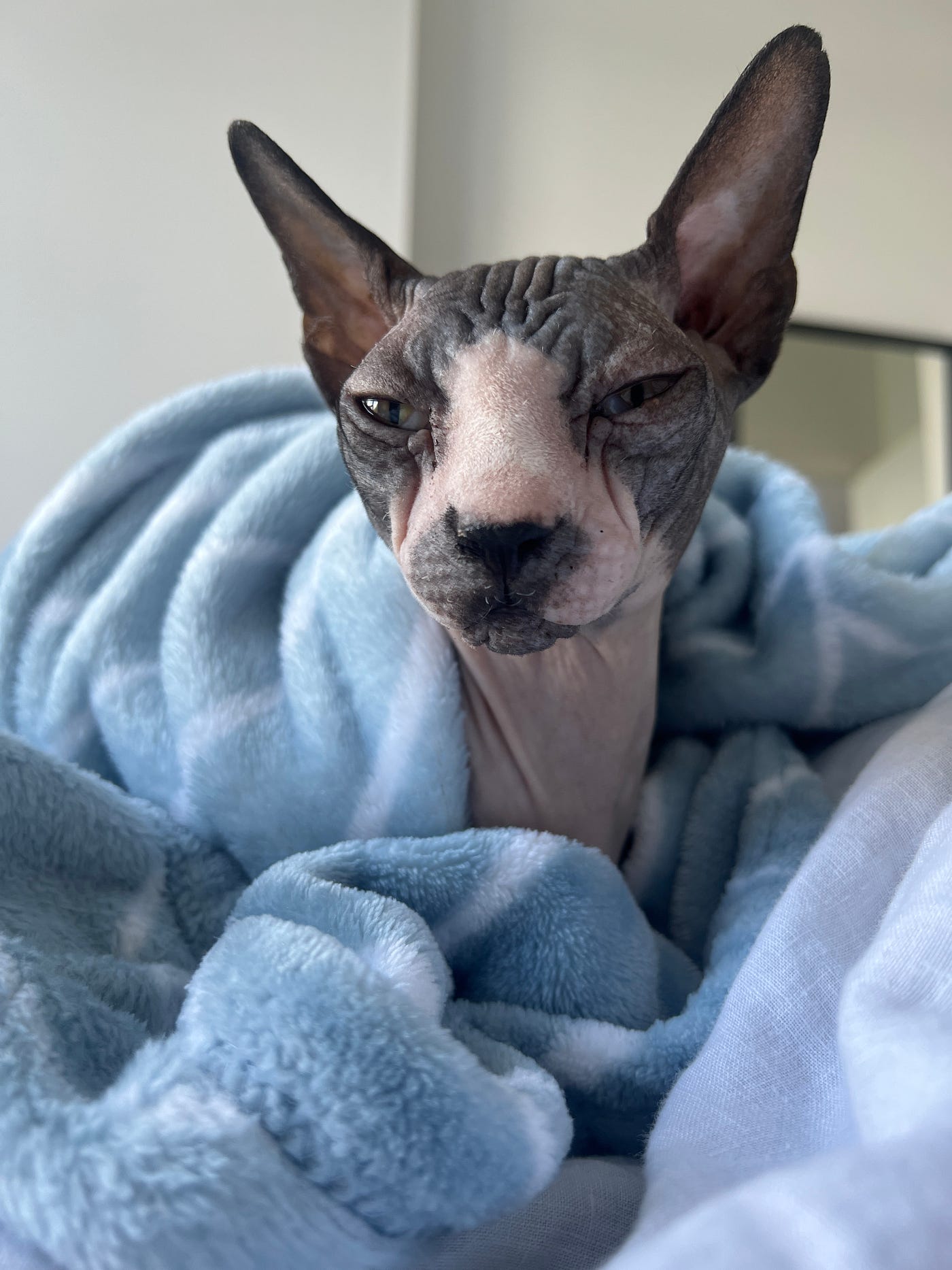
Sometimes, I’ve noticed my own hairless cat curling up tightly under a blanket, clearly seeking extra warmth. Have you seen your cat do the same? That’s a clear sign they need more heat or softer resting spots.
Safe Indoor Spaces
Hairless cats have delicate skin that can easily get scratched or sunburned. Keeping them indoors protects them from harsh weather and potential injuries. Make sure your home is free from sharp edges and rough surfaces.
Creating a safe space means removing hazards like toxic plants, small objects they could swallow, and places where they might fall. Think about your cat’s curious nature—what risks could be lurking in your home?
Providing climbing shelves or soft cushions encourages exercise without danger. You want your cat to explore safely and comfortably. Have you set up areas where your cat can stretch and play without harm?
Regular Vet Checkups
Regular vet checkups keep hairless cats healthy and happy. These visits catch problems early. Hairless cats need special care because their skin and health differ from other cats. A vet can help prevent and treat issues before they get worse.
Vaccinations
Vaccinations protect hairless cats from common diseases. Their immune systems need support to fight infections. Vets recommend a vaccination schedule based on age and lifestyle. Staying up to date prevents serious health problems.
Dental Care
Dental health affects overall wellness. Hairless cats can develop dental issues like tartar and gum disease. Regular vet visits include teeth checks and cleaning advice. Good dental care prevents pain and infection.
Skin Condition Monitoring
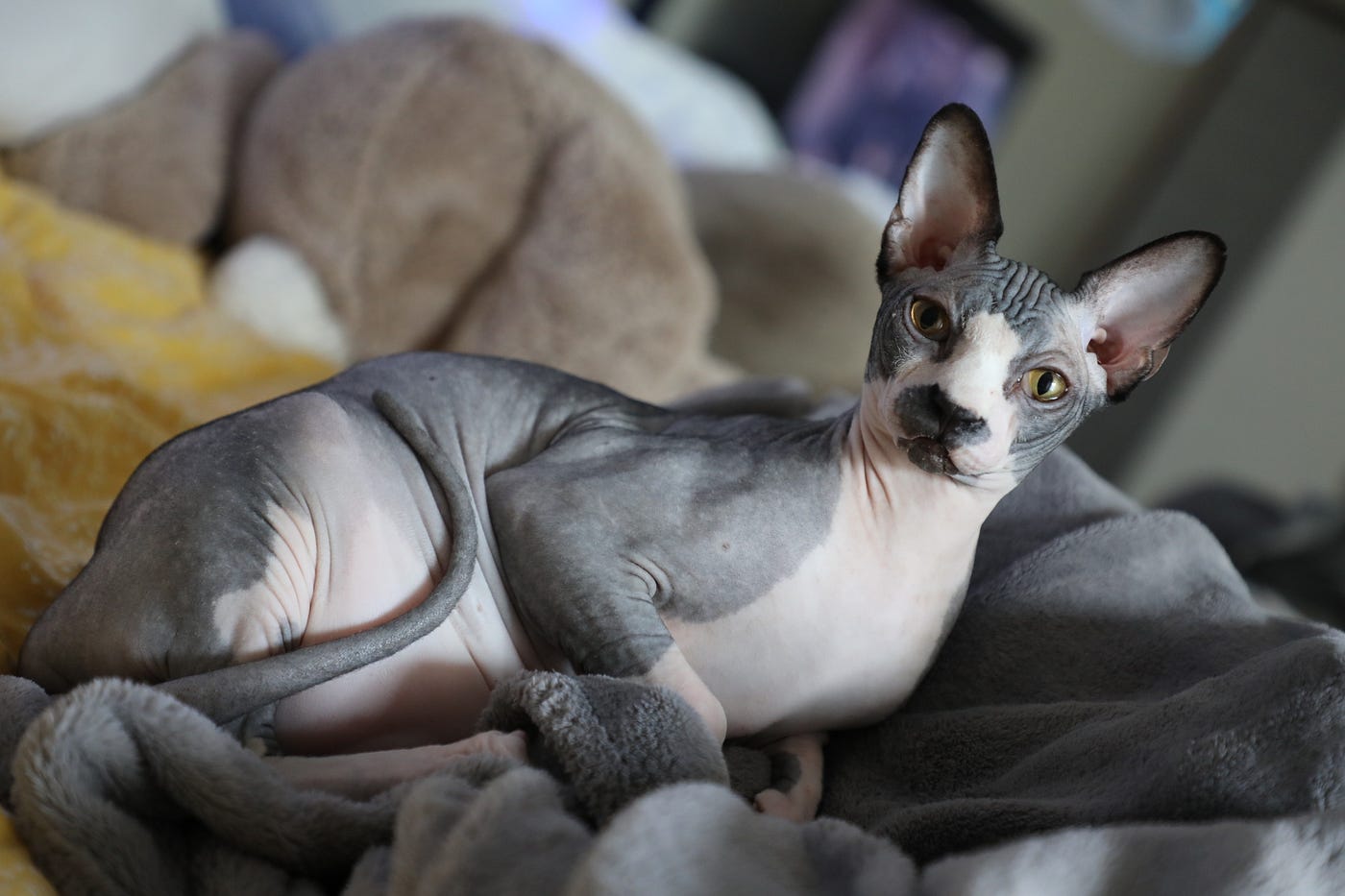
Hairless cats have sensitive skin prone to dryness and infections. Vets examine the skin for redness, sores, or irritation. Early detection helps manage skin problems effectively. Regular checkups ensure the skin stays healthy and protected.
Credit: medium.com
Behavioral Signs Of Health Issues
Noticing changes in your hairless cat’s behavior can be one of the earliest clues that something is wrong with their health. These cats often hide pain or discomfort well, so subtle shifts in their usual actions deserve your attention. Paying close attention to these signs can help you catch health issues before they become serious.
Changes In Activity
If your once playful hairless cat becomes unusually lethargic or restless, it might indicate an underlying health problem. Cats that suddenly avoid jumping or playing could be experiencing pain or weakness. Have you seen your cat hesitate to climb or move around like before? This change often signals discomfort that needs a vet’s evaluation.
Appetite Fluctuations
A drop or increase in appetite is a clear behavioral sign that your cat’s health might be off balance. Hairless cats with dental problems, digestive issues, or infections may eat less or refuse food entirely. On the other hand, sudden overeating could point to metabolic or hormonal problems. Watch how your cat approaches mealtime and consider keeping a food diary to track any irregularities.
Skin Irritations
Skin issues are common in hairless cats and can dramatically affect their behavior. Excessive scratching, biting, or grooming can signal irritation or infection. If your cat is suddenly more restless or seems uncomfortable when you touch certain areas, it’s time to check their skin closely. Are there redness, bumps, or flaky patches? These signs often require prompt treatment to prevent worsening conditions.
Credit: medium.com
Frequently Asked Questions
What Common Health Issues Do Hairless Cats Face?
Hairless cats often experience skin problems, such as dryness and sunburn. They may also have sensitive immune systems and respiratory issues. Regular vet check-ups and proper care can help manage these conditions effectively.
How Can I Protect My Hairless Cat’s Skin?
Use gentle, moisturizing shampoos and avoid prolonged sun exposure. Applying pet-safe sunscreen and providing soft bedding helps protect their delicate skin. Regular cleaning prevents infections and keeps their skin healthy.
Are Hairless Cats Prone To Temperature Sensitivity?
Yes, hairless cats lack fur, making them vulnerable to cold and heat. Keep them indoors in a stable environment and provide warm clothing during colder months. Avoid overheating by ensuring good ventilation in hot weather.
Do Hairless Cats Need Special Diets For Health?
Hairless cats may require nutrient-rich diets to support their skin and immune health. Consult a vet for balanced food recommendations. Proper nutrition helps maintain their overall well-being and reduces health risks.
Conclusion
Hairless cats need special care to stay healthy. Their skin is sensitive and can get sunburned or dry. Regular baths help keep their skin clean and soft. Watch for signs of illness, like changes in behavior or appetite. A good diet supports their unique needs.
Regular vet visits catch problems early. Loving care makes hairless cats happy and strong. Understanding their health issues helps you give the best care. Caring well means a longer, happier life for your pet.
