

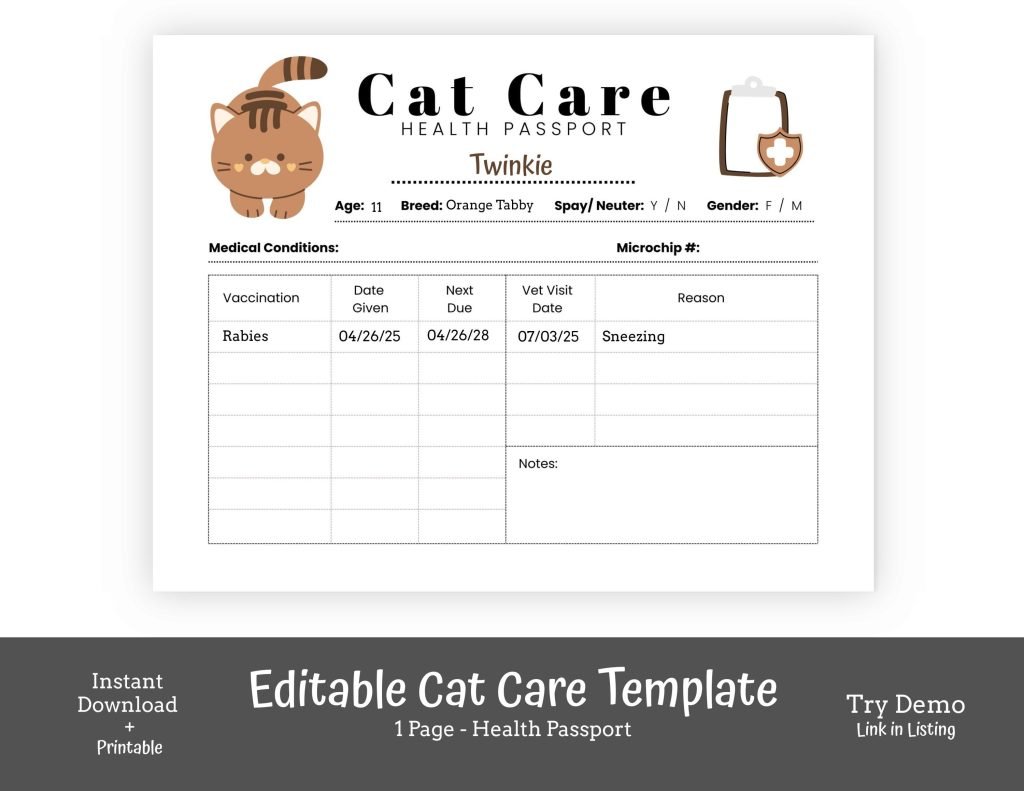
If you own a cat, you know how important their health is to you. But did you know that a Health Certificate for Cats can make a huge difference when traveling, adopting, or even visiting the vet?
This simple document proves your cat is healthy and ready for new adventures. Wondering why you need it and how to get one? Keep reading to discover everything you must know to keep your furry friend safe and stress-free. Your cat’s well-being depends on it!

Credit: www.ferndalekennels.com
Purpose Of A Health Certificate
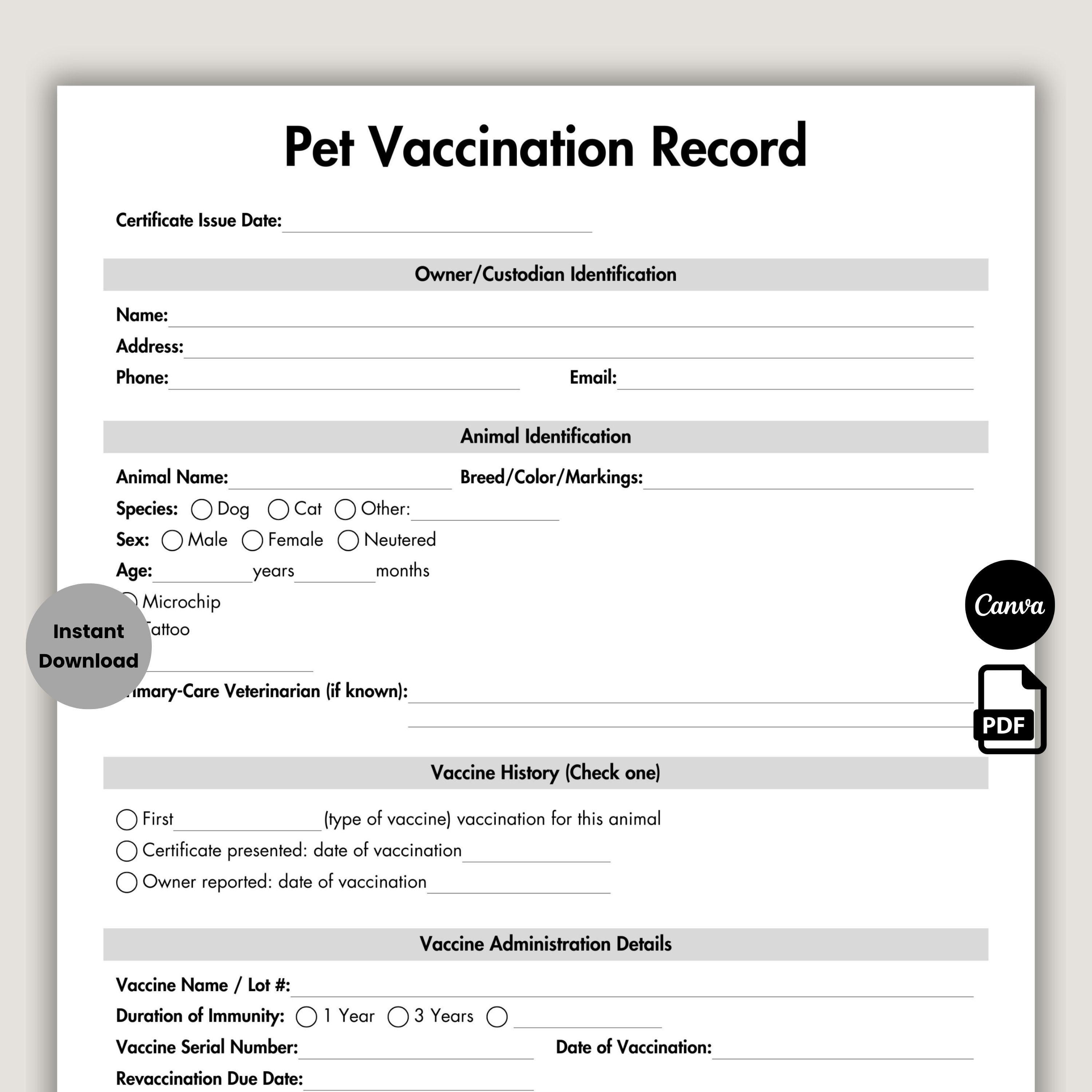
A health certificate for cats proves the cat is healthy at the time of examination. It is a vital document for many situations involving your pet. This certificate confirms that a licensed veterinarian has checked your cat and found no signs of contagious diseases or health problems. It also lists important details like vaccinations and treatments.
Understanding the purpose of a health certificate helps cat owners prepare for travel, relocation, and legal matters. It protects both the cat and others from health risks. The certificate is often required to meet various rules and regulations.
Legal Requirements
Many places require a health certificate for cats to enter or stay. This rule applies to shelters, boarding facilities, and pet shows. The certificate proves the cat meets health standards. It helps prevent legal issues and fines.
Travel And Relocation
Traveling with a cat often needs a health certificate. Airlines, trains, and other transport services ask for it. It shows the cat is fit to travel and free from diseases. For moving to a new home or country, the certificate is usually mandatory. It helps avoid delays or quarantine.
Preventing Disease Spread
The health certificate helps stop contagious diseases from spreading. It confirms vaccinations and treatments are up to date. This protects your cat and other animals. It is important in places with many pets, like shelters and boarding homes.
When To Get A Health Certificate
Knowing when to get a health certificate for your cat can save you from unexpected hassles and ensure your pet stays healthy and safe. This document is essential in several situations, each with its own requirements and timing. Understanding these moments helps you prepare ahead and avoid last-minute stress.
Before Travel
If you plan to travel with your cat, a health certificate is often mandatory. Airlines and border officials usually require proof that your pet is free from contagious diseases and up-to-date on vaccinations.
Get the certificate within 10 days before your trip to meet most travel regulations. Waiting too long may risk the certificate expiring before your departure.
Have you checked the specific health requirements of your destination? Some countries or states have unique rules that you need to follow closely.
During Adoption Or Sale
When adopting or selling a cat, a health certificate reassures the new owner about the cat’s condition. It confirms that the pet has been examined by a vet and is free from infectious diseases.
This certificate is best obtained just before the transfer of ownership to ensure the information is current. It helps build trust and prevents future disputes.
Are you prepared to provide this certificate if you’re adopting or selling? Having it ready can speed up the process and protect both parties.
For Boarding Or Shows
Many boarding facilities and cat shows require a recent health certificate. This protects all animals involved by ensuring no one brings contagious illnesses.
Usually, the certificate must be dated within 30 days before your cat’s stay or participation. Early planning lets you schedule a vet visit without rushing.
Have you asked your boarding facility or event organizer about their specific health certificate policies? Knowing these details helps you avoid surprises at check-in.
What Vets Check In The Certificate
Understanding what veterinarians check in a health certificate for your cat can give you peace of mind before traveling or adopting. These certificates are more than just paperwork; they ensure your cat is healthy and safe. Knowing the specific checks helps you prepare your cat and avoid last-minute surprises.
Physical Examination
The vet starts with a thorough physical examination to assess your cat’s overall health. They check vital signs like temperature, heart rate, and respiratory rate to spot any abnormalities.
Next, the vet looks closely at your cat’s eyes, ears, mouth, and skin for signs of infection or disease. You might be surprised how a simple check can reveal hidden issues, such as dental problems or skin conditions.
Remember, a healthy cat on the certificate means fewer travel delays and better care for your furry friend.
Vaccination Status
Vaccination records are a critical part of the health certificate. The vet verifies if your cat is up to date on core vaccines like rabies, feline distemper, and respiratory infections.
Missing or outdated vaccines can lead to denied entry when traveling or quarantine requirements. Have you checked your cat’s vaccine schedule recently? Keeping it current protects both your cat and other animals.
Parasite Control
Parasite control is another key area vets examine. They ensure your cat has been treated for common parasites like fleas, ticks, and worms within a specific timeframe before travel or adoption.
Even indoor cats can carry parasites, so this check helps prevent spreading to other animals. Ask your vet about the best parasite treatments to keep your cat safe and compliant with regulations.
How To Prepare Your Cat
Preparing your cat for a health certificate involves more than just a visit to the vet. It’s about making the process smooth and stress-free for both you and your furry friend. Taking the right steps beforehand can ensure your cat feels comfortable and the vet has all the information needed to issue the certificate without delays.
Scheduling The Vet Visit
Pick a time when your cat is usually calm and relaxed. Early mornings or late afternoons often work best since vet clinics tend to be less crowded. Try to avoid scheduling on busy days to reduce waiting times and stress.
Call ahead and let the clinic know you need a health certificate. This helps the staff prepare the necessary paperwork and allocate enough time for a thorough check-up. Asking about any specific requirements for the certificate can save you from last-minute surprises.
Gathering Medical Records
Collect all your cat’s recent medical records before the visit. This includes vaccination history, parasite control, and any previous illnesses or treatments. Having these documents ready helps the vet quickly assess your cat’s health status.
If your cat has been to multiple vets, try to get a summary or copies of all relevant files. It shows you are organized and allows the vet to provide a more accurate health certificate. Missing records might delay the process or require additional tests.
Calming Your Cat
Think about what soothes your cat during stressful moments. Bringing a favorite blanket or toy can provide comfort. Gentle petting and speaking softly also help keep your cat calm in the carrier.
Practice short car rides or vet visits beforehand if your cat is not used to travel. This can reduce anxiety on the actual day. Have you noticed how a familiar scent or sound can instantly relax your cat? Use those little tricks to your advantage.
Common Challenges And Solutions
Obtaining a health certificate for your cat can come with its own set of obstacles. These challenges often test your patience and preparation. Understanding common issues and how to tackle them can make the process smoother and less stressful for both you and your feline friend.
Dealing With Uncooperative Cats
Many cats resist vet visits, making it tough to complete the health check needed for the certificate. Try calming your cat with familiar blankets or toys before the appointment. You might also ask the vet about mild sedatives or pheromone sprays to reduce anxiety during the exam.
Have you noticed your cat’s specific triggers? Avoiding loud noises or sudden movements can help keep your cat calm. Bringing treats for positive reinforcement after the check-up can build better experiences for future visits.
Updating Certificates
Health certificates usually have expiration dates, so keeping them current is essential if you travel often. Mark your calendar well before the certificate expires to schedule vet appointments on time. Some vets offer reminders, which can help you avoid last-minute rushes.
Remember, different destinations may require updated vaccinations or tests. Double-check the specific requirements for your cat’s destination to avoid denied entry. Staying organized with a dedicated folder for your pet’s documents can save you from scrambling at the last moment.
Handling Travel Restrictions
Travel rules for cats can vary widely depending on the country, airline, or even state. Some places require quarantine or additional paperwork that can complicate your plans. Contact your vet and travel provider early to clarify these rules.
Consider alternative travel options if restrictions seem overwhelming. For example, ground transport might have fewer rules than air travel. Have you explored pet relocation services that specialize in navigating these complexities? They can handle much of the paperwork and logistics, reducing your stress.
Credit: www.etsy.com
Costs And Validity Period
Understanding the costs and validity period of a health certificate for cats helps pet owners plan better. This document proves a cat is healthy for travel or adoption. Knowing the fees and how long the certificate lasts prevents unexpected issues.
Typical Fees
Fees for a cat’s health certificate vary by location and vet clinic. Usually, prices range from $50 to $150. Some vets include vaccinations or tests in the fee. Additional charges may apply for extra health checks or documents.
Duration Of Validity
Most health certificates for cats last between 7 and 30 days. The exact time depends on the destination rules. Airlines and countries often require certificates to be recent. Always check the specific validity needed before travel.
Renewal Process
Renewing a health certificate means getting a new exam and document. The vet will check the cat’s health again. This ensures the certificate is current and valid. Plan renewal close to your travel or adoption date to avoid delays.
Special Cases For Health Certificates
Health certificates for cats are not one-size-fits-all. Some situations call for special attention and additional documentation. Understanding these special cases can help you avoid last-minute hurdles and keep your cat safe and healthy.
International Travel
Traveling with your cat across borders demands a precise health certificate. Many countries require proof of recent vaccinations, parasite treatments, and sometimes blood tests. Missing any detail can lead to quarantine or denied entry.
Have you ever faced unexpected delays because of incomplete paperwork? Planning ahead is key. Contact the embassy or pet travel experts well before your trip to know exactly what your destination requires.
Breeding Cats
If you’re breeding cats, health certificates take on a new level of importance. They confirm your cat is free from contagious diseases that could affect kittens or other cats. This protects the entire breeding community and ensures healthy litters.
Regular health screenings and updated certificates also build trust with buyers. You show that you prioritize the well-being of your cats and their offspring. It’s a practical step to avoid costly health issues down the road.
Senior Or Special Needs Cats
Older cats or those with special medical conditions need tailored health certificates. Vets often include detailed notes about chronic illnesses or medication requirements. This helps caretakers or new owners provide the right care.
Have you considered how a clear health certificate can ease stress during emergencies? It acts as a quick reference for vets unfamiliar with your cat’s history. This can make a significant difference in treatment decisions.

Credit: www.pettravelcertificates.co.uk
Frequently Asked Questions
What Is A Health Certificate For Cats?
A health certificate for cats is an official document. It confirms a cat’s good health. Vets issue it after a thorough examination. This certificate is often needed for travel or adoption purposes.
Why Do Cats Need A Health Certificate?
Cats need a health certificate to prove they are free from contagious diseases. It ensures safe transport and legal compliance. Many airlines and shelters require this document before acceptance or travel.
How Long Is A Cat Health Certificate Valid?
Typically, a cat health certificate is valid for 10 days. Some destinations may require a shorter or longer validity. Always check specific travel or adoption requirements before obtaining the certificate.
Who Can Issue A Cat Health Certificate?
A licensed veterinarian is authorized to issue a cat health certificate. They conduct the health check and certify the cat’s condition. Certificates from unauthorized sources are usually not accepted.
Conclusion
A health certificate keeps your cat safe and healthy during travel. It proves your pet meets all health rules. Veterinarians check for illnesses and vaccinations before issuing the certificate. This document helps avoid travel delays and stress for your cat.
Always plan ahead and get the certificate on time. It protects your cat and eases your journey. Simple steps make traveling with your cat smooth and worry-free. Remember, a health certificate is key to happy pet travel.
